
*Dedicated to the beautiful and compassionate Inga Ley, who gave herself to the wounded soldiers of light in the eternal battle against darkness.
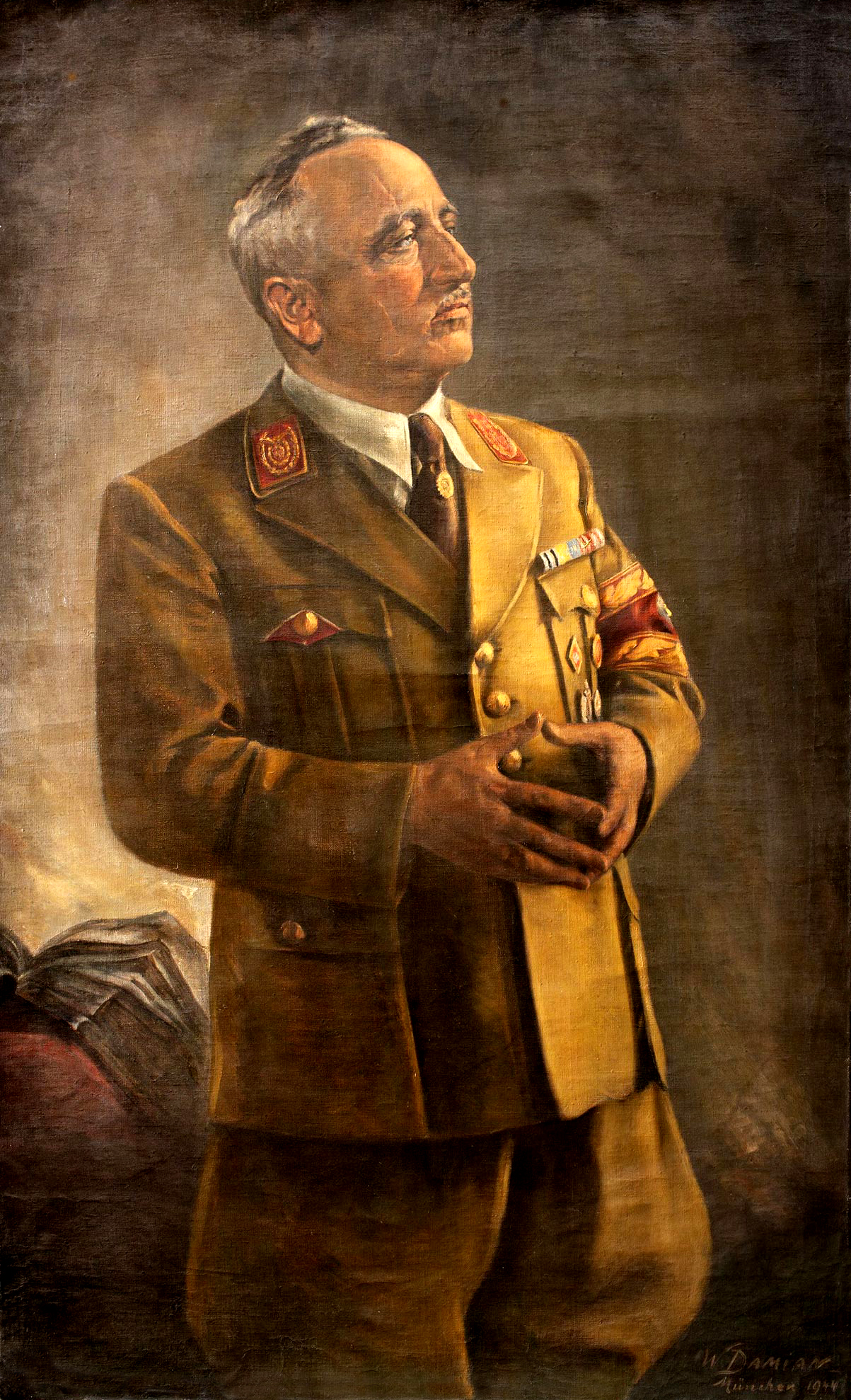
[Above: Painting of the leader of the Deutsche Arbeitsfront (DAF), Dr. Robert Ley, by Wilhelm Damian, 1944.]
Foreword
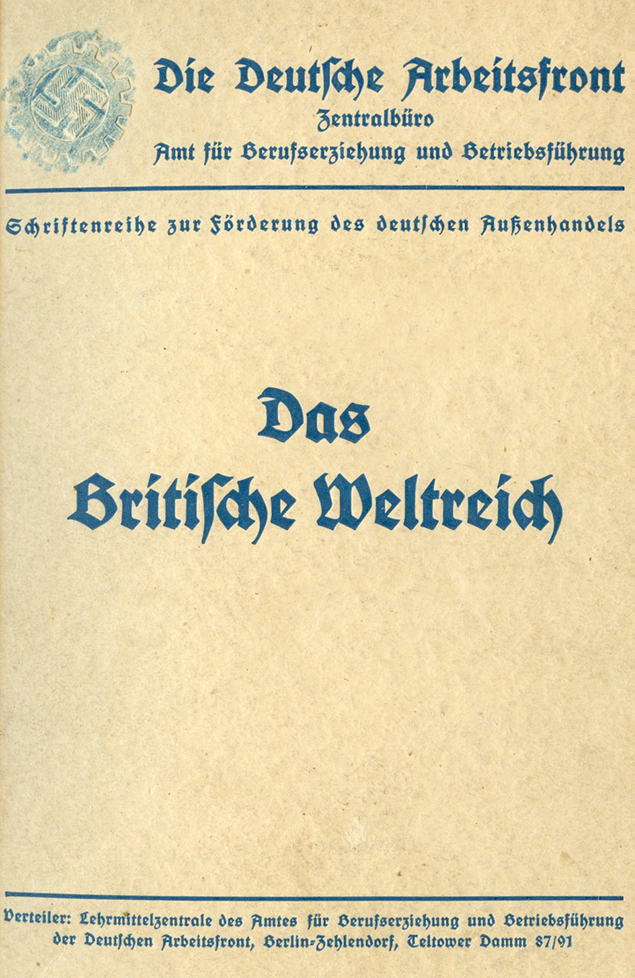
Germany desires a vibrant exchange of goods with all nations. We need foreign trade to purchase from abroad those raw materials that German soil does not provide or that cannot be produced in Germany.
The Four-Year Plan, which calls upon us to achieve the highest level of performance in strengthening our domestic supply of raw materials, assigns special tasks to foreign trade. However, fulfilling these tasks is impossible without foreign trade merchants trained in all matters of foreign trade and who also understand the broad outlines of National Socialist trade policy
Herein lies the task of the Reich Specialist Group "German Wholesale and Foreign Trade" of the DAF. Through its regularly held foreign trade training weeks, it aims to assist the German economy and provide German foreign trade merchants with a unified orientation on all matters of National Socialist economic and trade policy. The lectures given by leading figures of the Party, the State, and industry at the foreign trade training weeks have been compiled in a series of publications for the promotion of German foreign trade, in order to meet the wishes of the training participants to receive what they heard at the training weeks in printed form. The series of publications will be an effective aid to every foreign trade merchant in their efforts to increase the market share of German goods on the world market.'
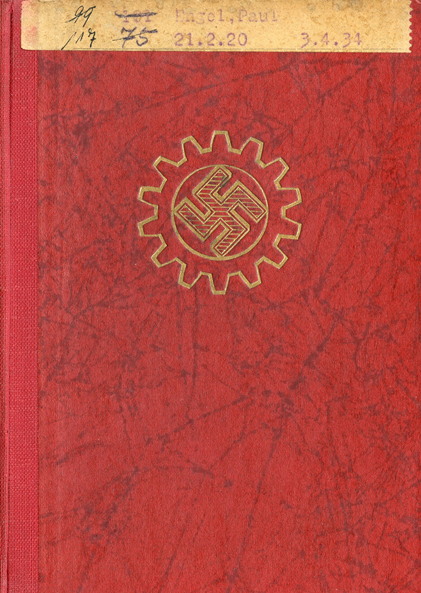
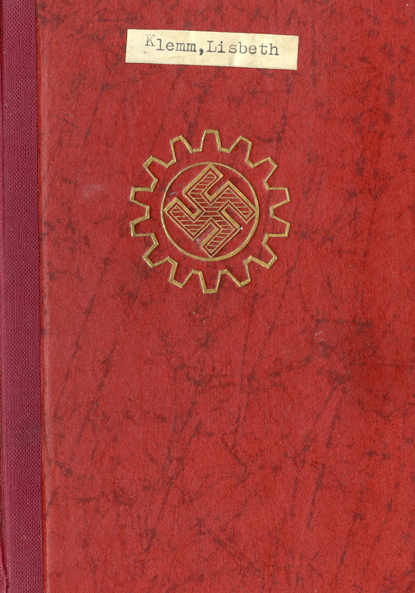
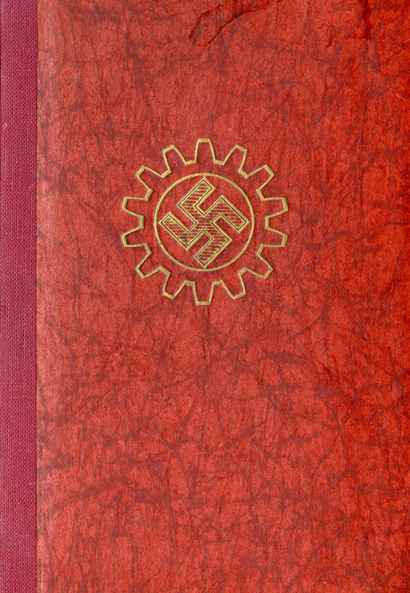
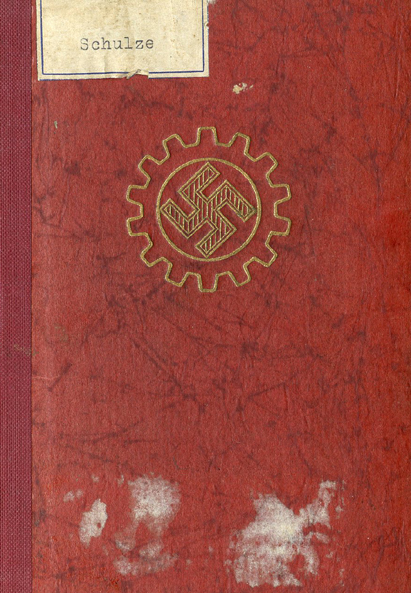
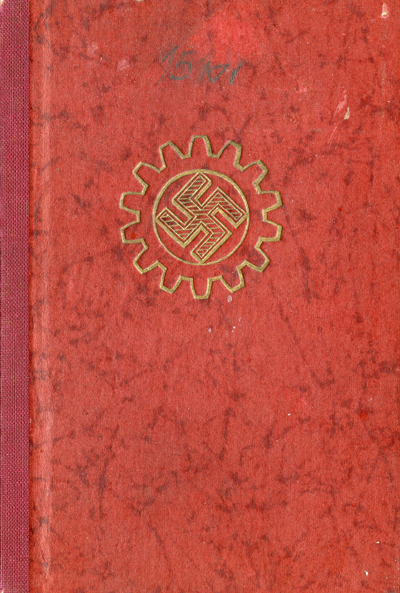
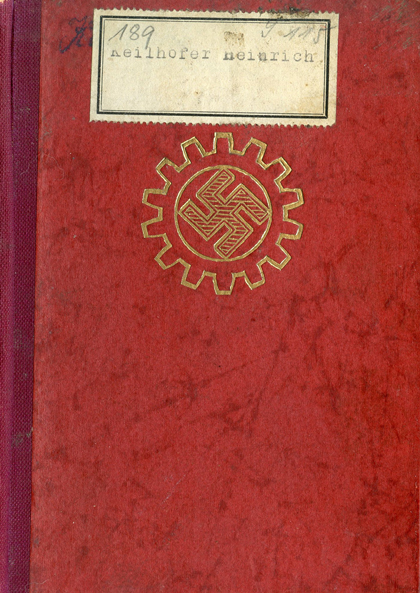
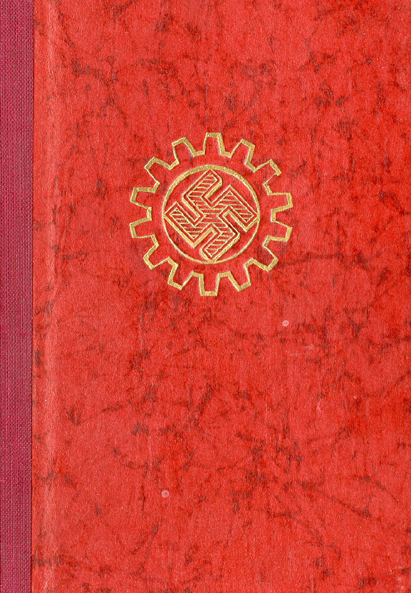
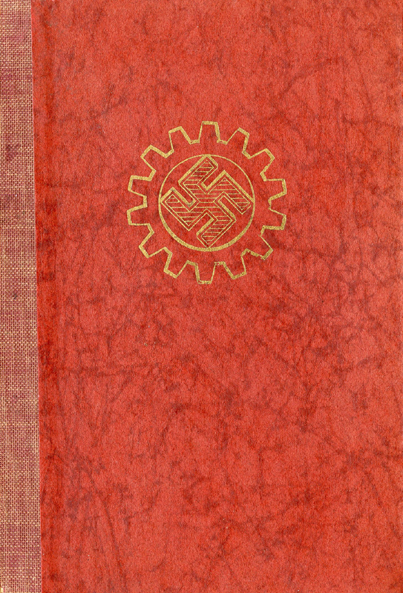
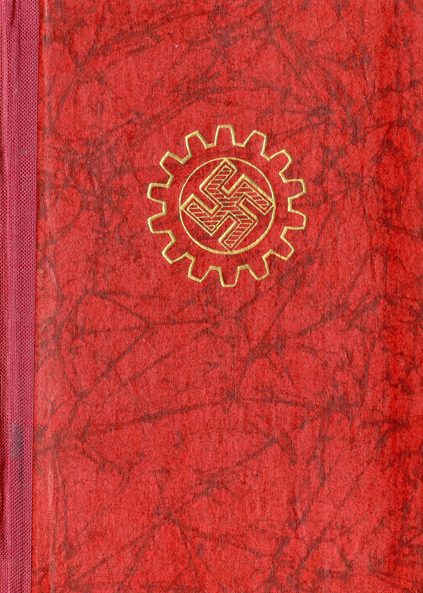
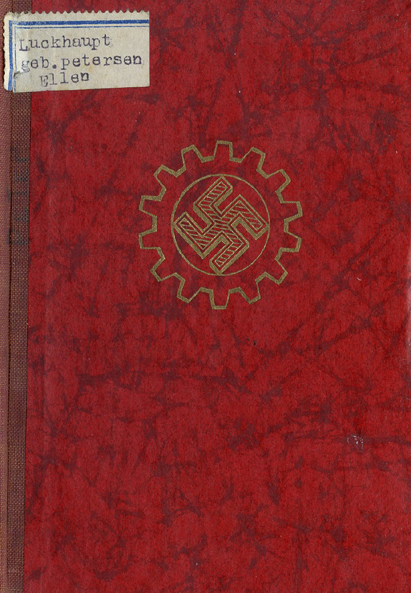
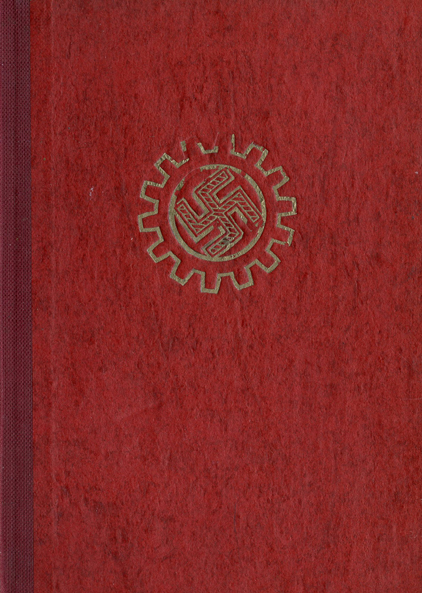
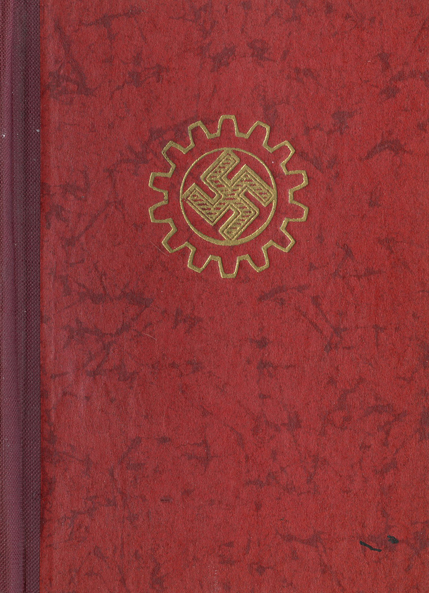
Here is a quote from DAF leader Dr. Robert Ley, that is found in the beginning of every DAF workbook:
______________________________________________________________________________
The first row, from left to right, was issued in Gross-Berlin (1935-1945), the second was issued in Zerbst, Saxony, east-central Germany (1935-1944) and the last one is also issued in Zerbst, Saxony, east-central Germany (1935-1942).
The second row, from left to right, was issued in Sachsen, east-central Germany (1935-1945), the second was issued in [unknown] (1935-1944) and the last one was issued in Hamburg (1935-1941).
The third row, from left to right, was issued in Sachsen, east-central Germany (1936-1944), the second was issued in Bavaria (1936-1939) and the last one was issued in Coburg (1936-1944).
The fourth row, from left to right, was issued in Radeberg, Sachsen (1936-1943), the second was issued in Westphalia-North (1938-1939) and the last one was issued in Westphalia-South (1937).
The fifth row, from left to right, was issued in Tirol, Western Austria (1937-1944), the second one was issued in Saar (1938-1940) and the last one was issued in Hessen-Nassau, Prussia (1938-1942).
The sixth row, from left to right, was issued in Niederdonau, lower Austria (1938-1944), the second one was issued in Vienna, northeastern Austria (1938-1943), and the last one was issued in Sudetenland (1938-1945).
The seventh row, from left to right, was issued in Württemberg-Hohenzollern (1939-1940), the second one was issued in Hamburg (1940-1944), and the last one was issued in Weissenburg, Middle Franconia, Bavaria (1943-1944).
The eighth and last row, from left to right, was issued in Berlin (1943-1944), the second one was issued in Mainfranken-Bavaria (1944-1945), and the last one was issued in Vienna (1944-1945).
______________________________________________________________________________________


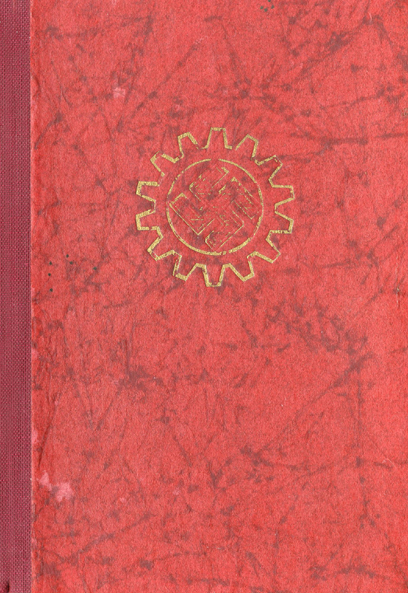
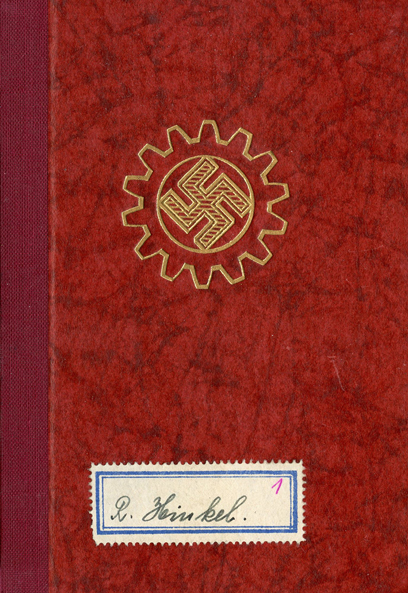
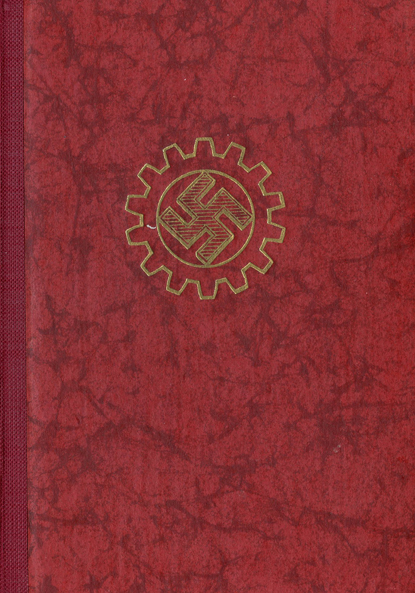
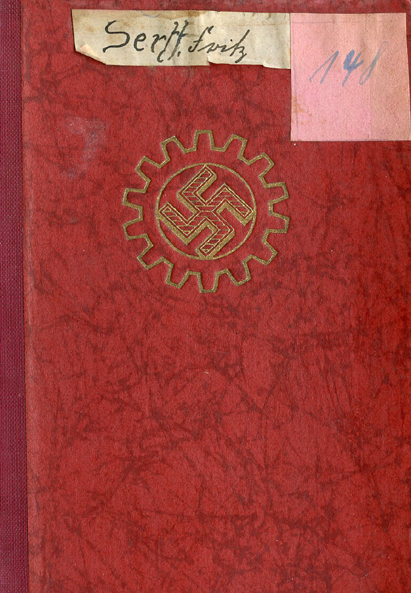
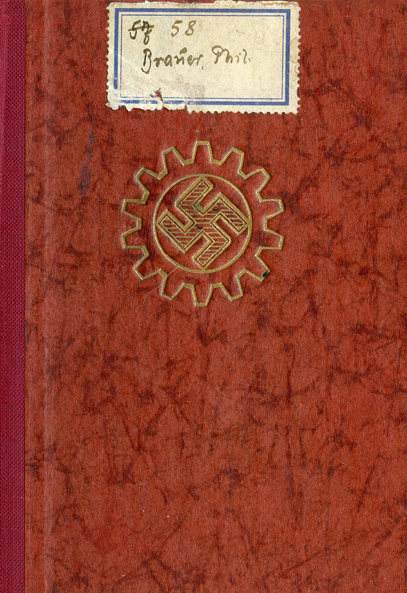
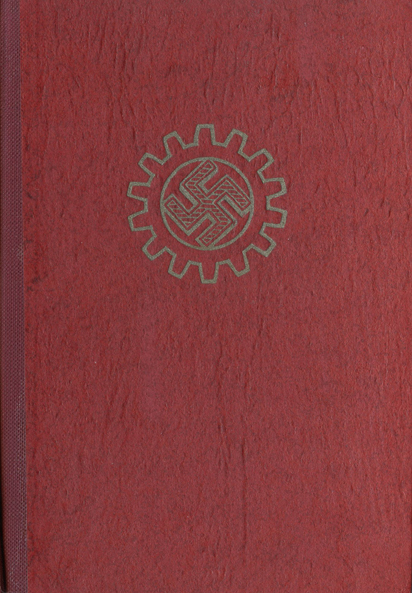
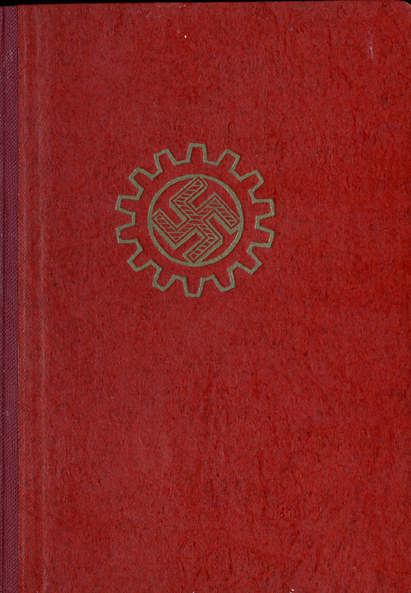

______________________________________________________________________________________