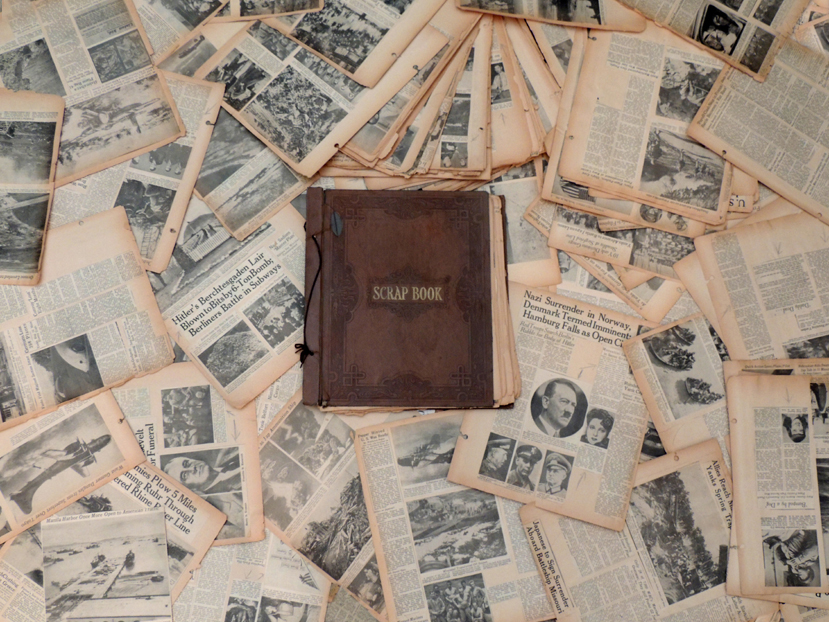
[Note: Sometimes I stumble across famous names in my scouring of history. Here is a letter from a doctor and writer named James Purves-Stewart. Here is a period biography:
...born in Edinburgh, the son of John Stewart, J.P, master tailor, and educated at the Royal High School and the University. He graduated in arts in 1889 and then took up the study of medicine, of which he proved an outstanding student, winning the Ettles scholarship when he graduated as M.B, C.M, in 1894. He stayed in Edinburgh for a further year, in house appointments at the Royal Infirmary and as assistant to the professors of physiology and medicine. His next house appointment was at the National Hospital for the Paralysed and Epileptic, where he laid the foundations of his career as a neurologist. Having served in the Imperial Yeomanry Hospital during the South African campaign of 1900-01, and visited the Jena and Frankfurt medical schools, he returned to London to become assistant physician to the Westminster Hospital; there he lectured first on pharmacology and therapeutics and then on diseases of the nervous system, and, when he retired in 1931, he was made a consulting physician. Purves-Stewart also held honorary appointments at the West End Hospital for Nervous Diseases, the Royal National Orthopaedic Hospital and the Central London Throat and Ear Hospital. During the first World War he served as consulting physician in the Mediterranean and Near East theatres, being created C.B. in 1916 and K.C.M.G. in 1918.
It was a success of a different kind, however, that made Purves-Stewart’s name known to the medical world. In 1906 he published Diagnosis of Nervous Diseases, which, forty-one years later, reached its tenth English edition and which was translated into French, German, Spanish and Arabic. Among his other works of note were Nerve Injuries and their Treatment (1916), in which Arthur Evans collaborated, and Inter cranial Tumours (1927). Purves-Stewart was highly individual, not to say perverse, in his character. His ward rounds were marked by a volubility and by gesticulations that seemed hardly native; he was an outstanding linguist who delighted to welcome foreign savants in his own country and to travel abroad to meet them in theirs. But he was also intensely patriotic and almost aggressively proud of his military service and of his achievements. Purves-Stewart married, firstly, in 1910 Elizabeth Phipps, daughter of William Franks of Liverpool, and, secondly, in 1948 Jose, widow of Arthur Reiss. He made his home in retirement in the Belle Toute lighthouse on Beachy Head, but died in London.'
G H Brown
[Lancet, 1949; B.M.J., 1949; Sir J. Purves-Stewart, Sands of Time, 1939].]
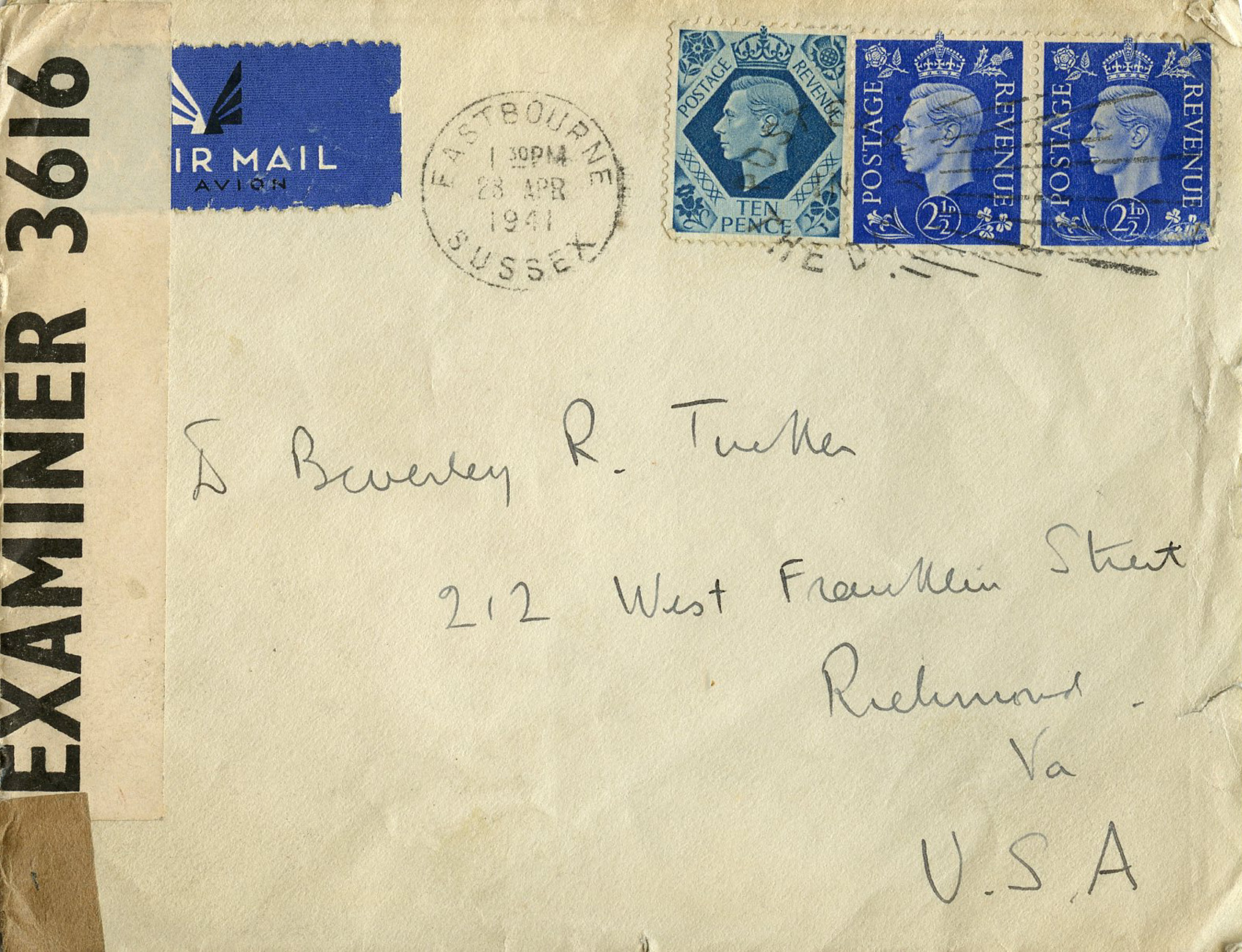
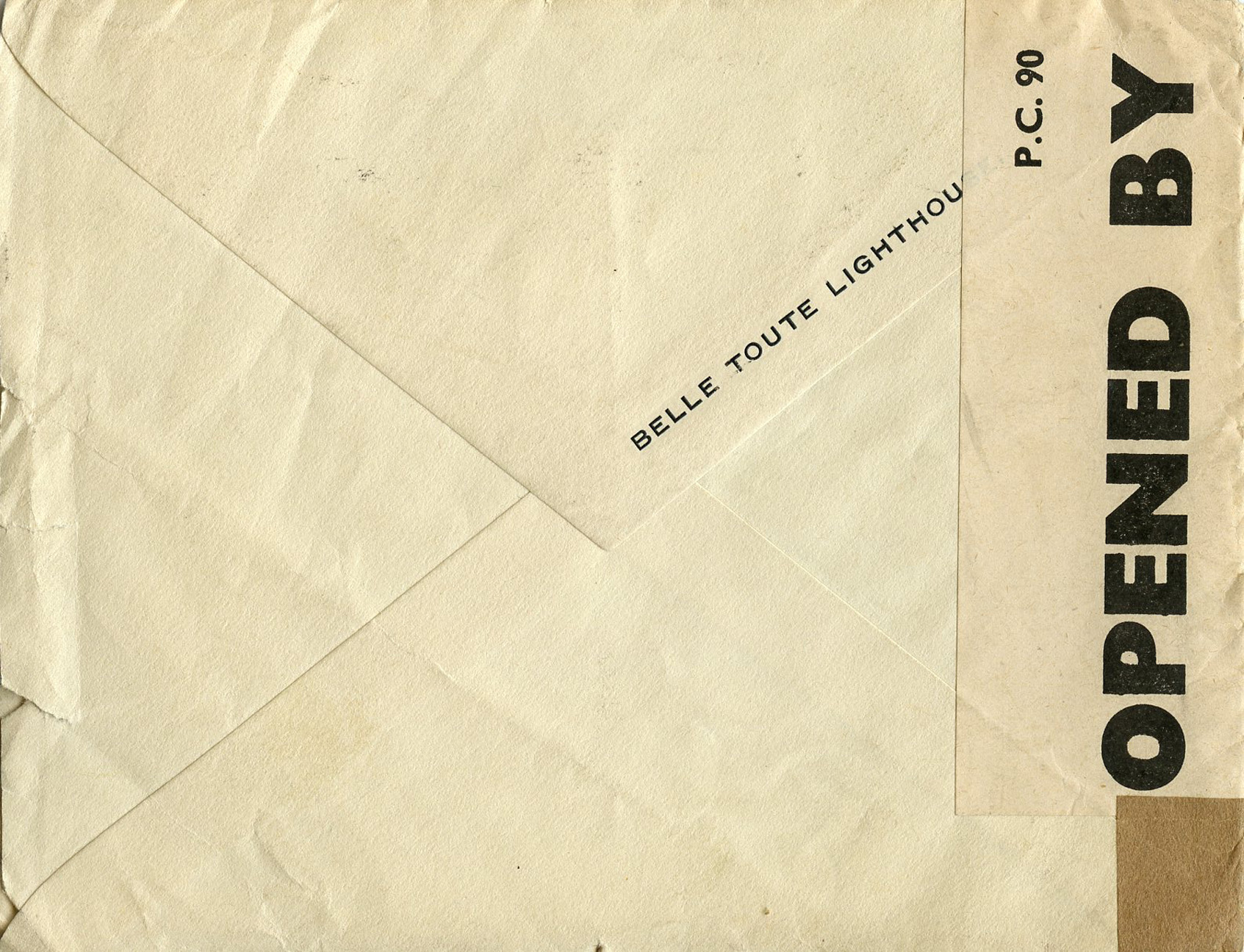
[Above: Envelope reverse.]
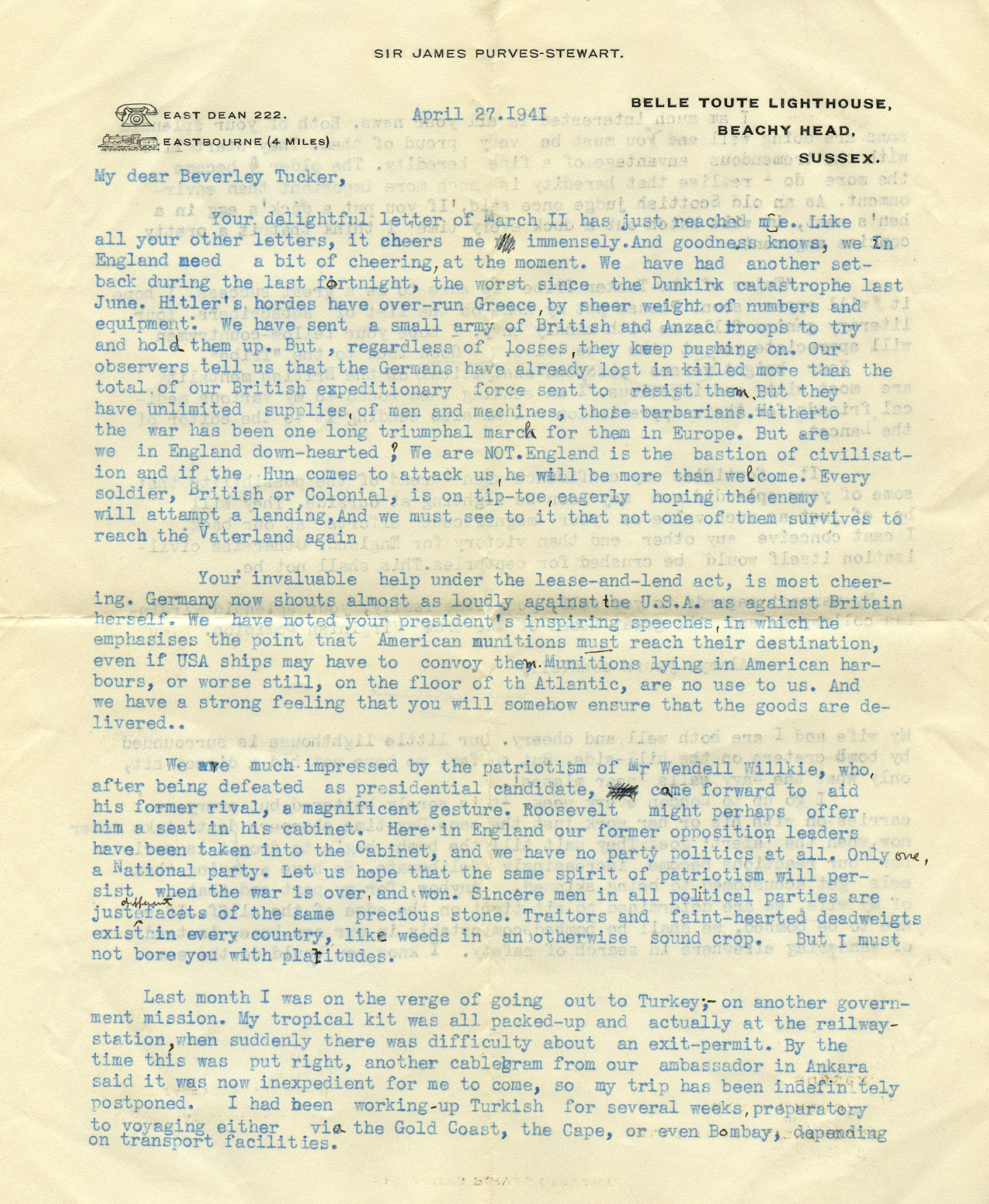
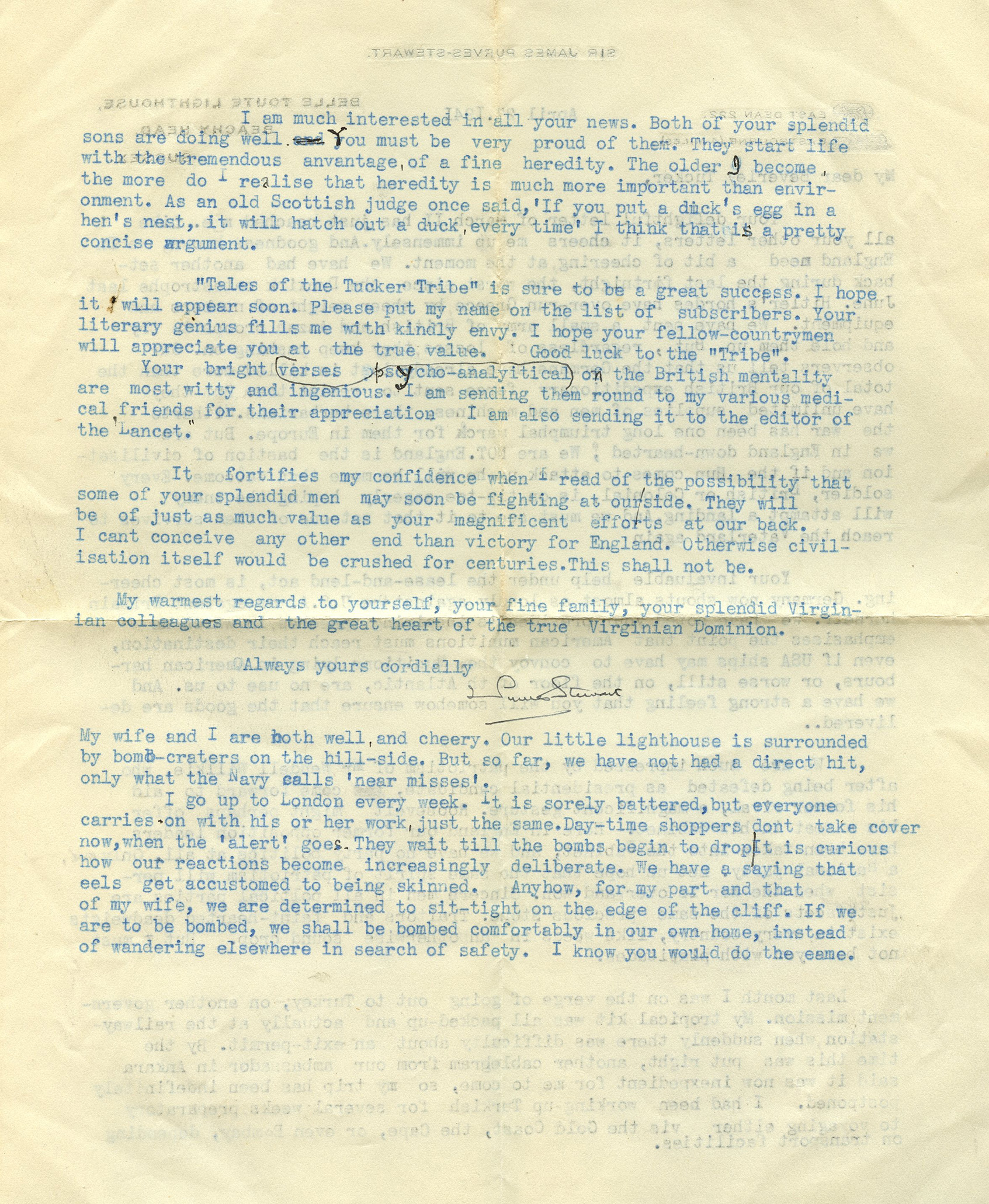
[Above: Letter #1 dated April 27, 1941. It's funny that he related Dunkirk with a catastrophe, imagine what it would have been had Adolf Hitler not let them live. The 'small' number of British and ANZAC (Australian and New Zealand Army Corps) were between 58,000 to 62,000 troops. Like everywhere else in Europe, British forces eventually abandoned their former allies and ran with their tails between their legs (the same thing happened in the Netherlands and France, the former saw British troops sneak off in the night, cutting communication lines, and the latter promising air support and otherwise). As Churchill wrote: 'At least eighty percent of the British forces were evacuated from eight small southern ports. This was made possible with the help of the Royal and Greek Navies. The small but efficient Greek Navy now passed under British control...'
'Our observers tell us that the Germans have already lost in killed more than the total of our British expeditionary force sent to resist them'. So 58,000 - 62,000? Your observers must have been blind and retarded.
'During the 1941 German invasion of Greece (including the mainland campaign and the Battle of Crete), official figures recorded approximately 5,500 to nearly 7,000 German soldiers killed as part of the broader Balkans Campaign.'
'...they have unlimited supplies of men and machines, those barbarians...' HAHAHA! So Germany, a country smaller than Texas, has unlimited supplies huh? More like Britain did, with big daddy the USA giving them endless Lend-Lease. And those 'Barbarians' were raining MISSILES on your cities!
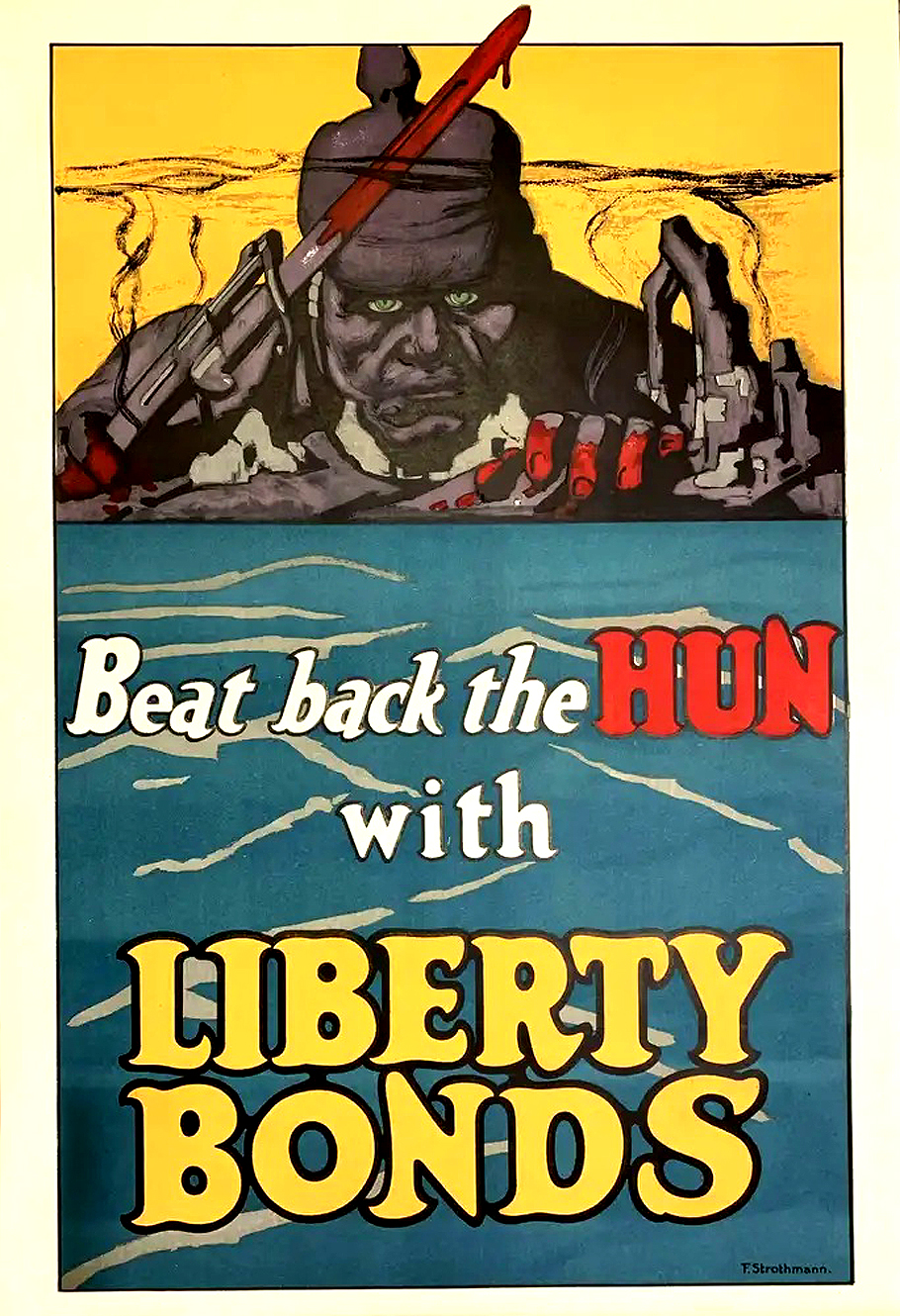
I like how the British called the Germans 'Huns', after Mongolians and Attila the Hun. Daring to call them 'uncivilized' and brutes, even though Britain had forcibly occupied more than half the world by then and murdered uncountable people (European and otherwise, it mattered not to her bloodthirsty leaders). But don't worry, we in England are not 'down-hearted', since England is the bastion of civilization (or because we know the USA is already sneakily aiding us and will soon join us in another world war! Look up Operation Intrepid). Oh and I'm sure the colonial troops were excited to die defending a country that occupied their homelands.
'...we have no party politics at all', unless of course you have a dissenting opinion, then you would be thrown in a concentration camp (Defence Regulation 18B). Not very 'civilized' huh? 'Sincere men in all political parties are just different facets of the same precious stone'... hahaha, unless you are anti-war. Damn, and then he cruedly refers to people with a different opinion as 'weeds'.]
[Above: Letter #1 reverse. '...tremendous advantage of a fine heredity... the more do I realize that heredity is much more important than environment'... THAT'S FUCKING RACIST!!! ARRRRRGHHHHHHHHHHHHH!!! Most uncivilized racial propaganda.
'...victory for England. Otherwise civilization itself would be crushed for centuries'. Damn, this guy was a comedian. I wonder what he would think of Britain and the USA today?]
[Above: WWI American propaganda poster.]
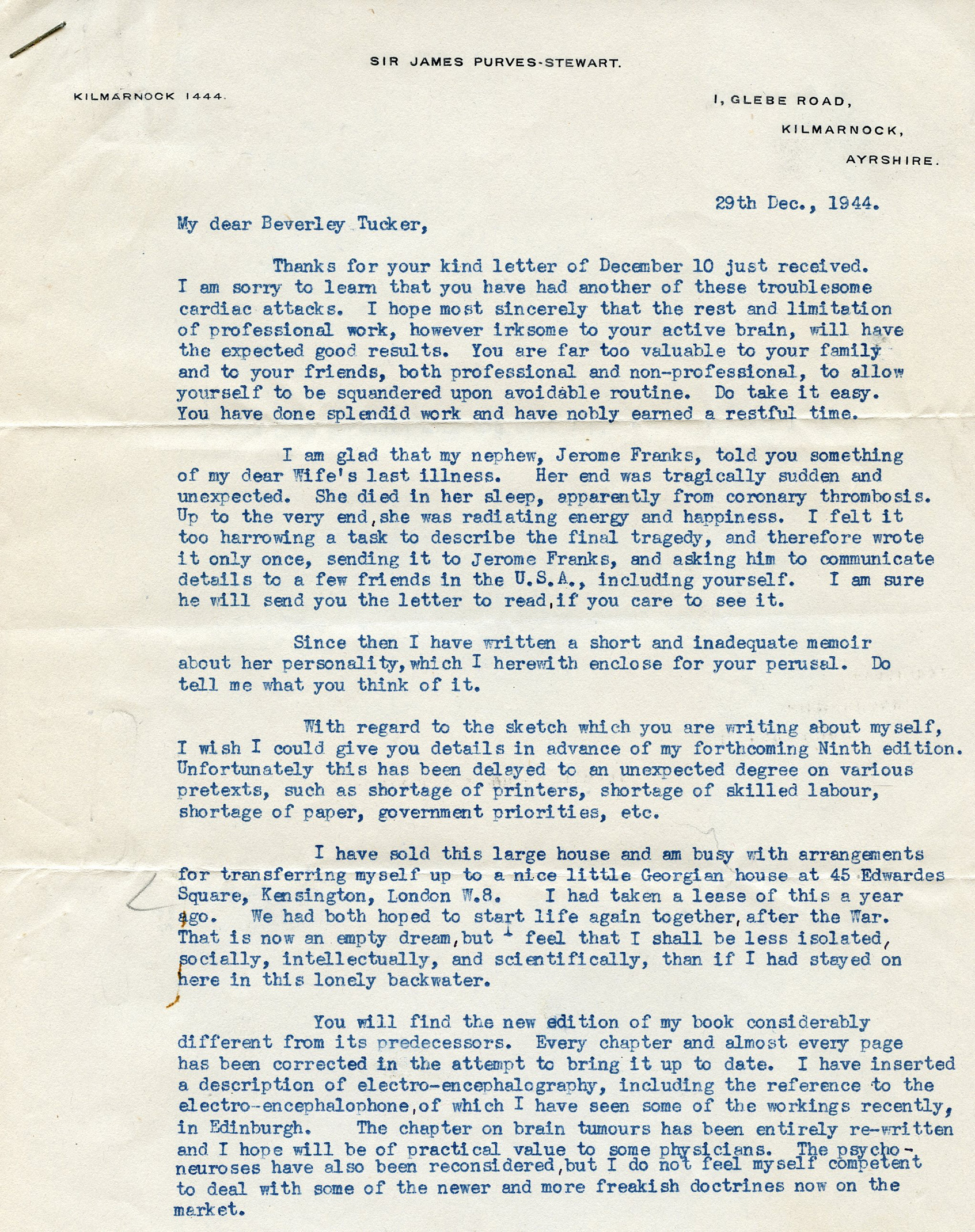
[Above: Letter #2 dated December 29, 1944.]
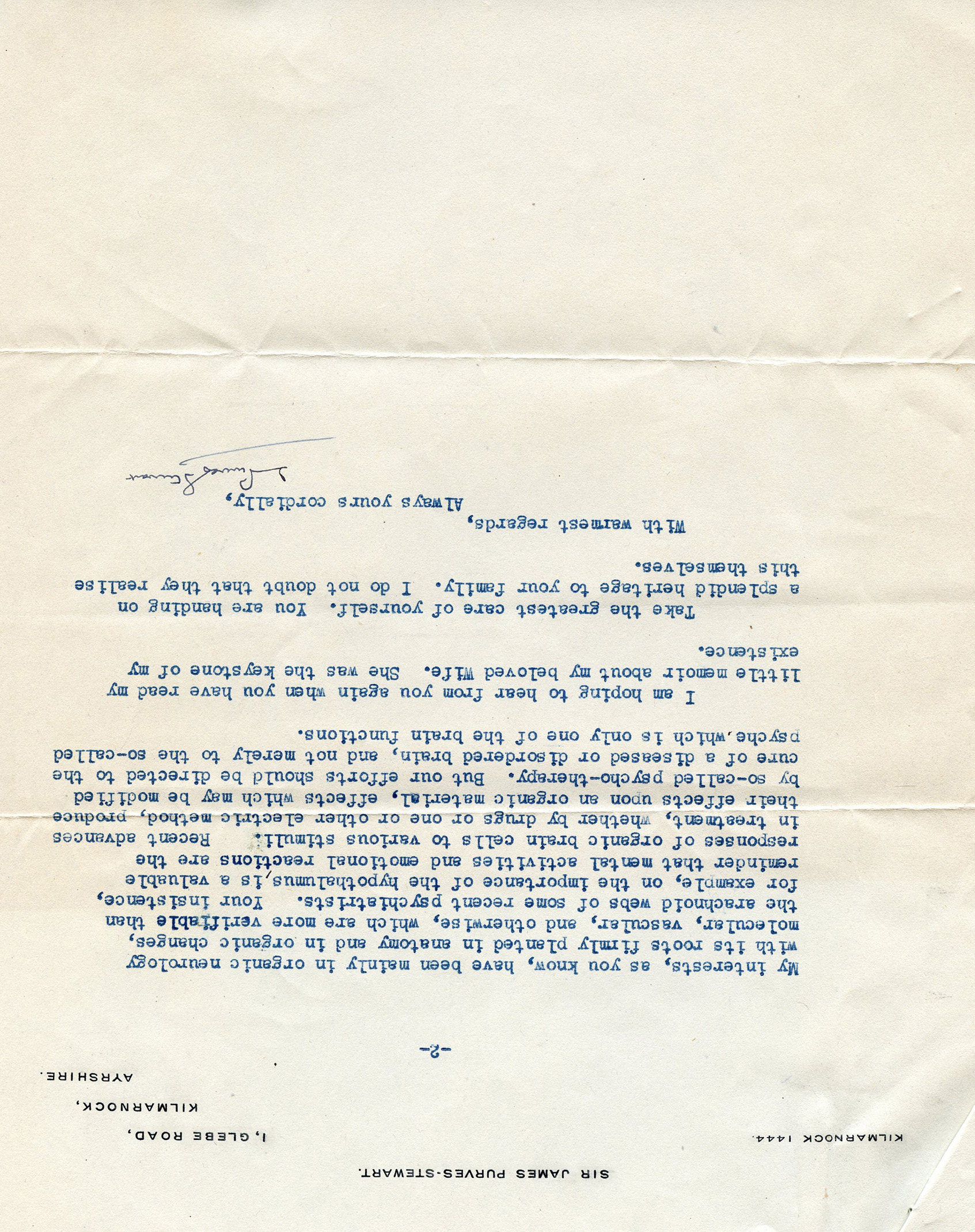
[Above: Letter #2 reverse. He should have stuck to science and biology, not politics.]
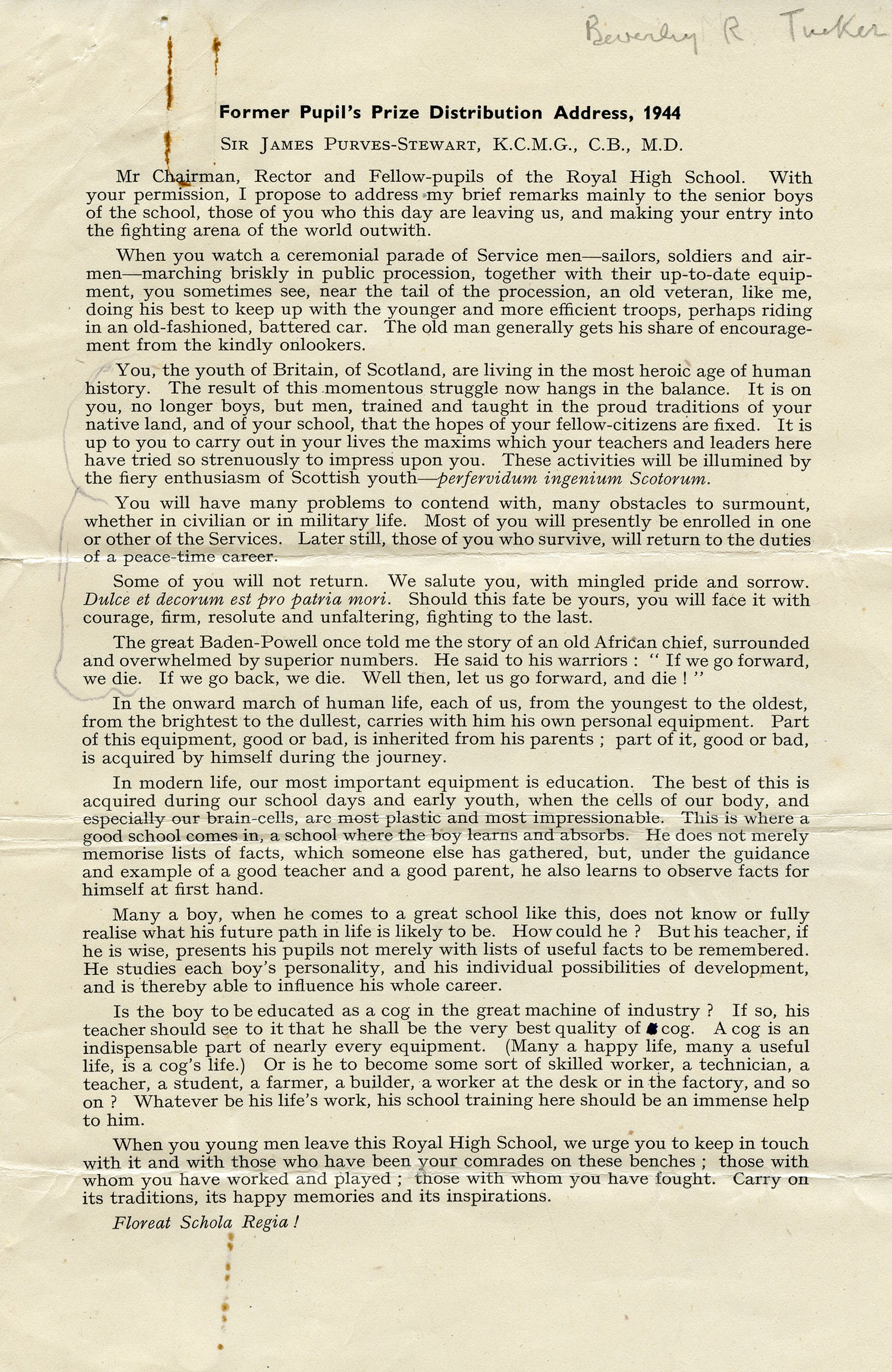
[Above: Copy of speech by Purves-Stewart.]
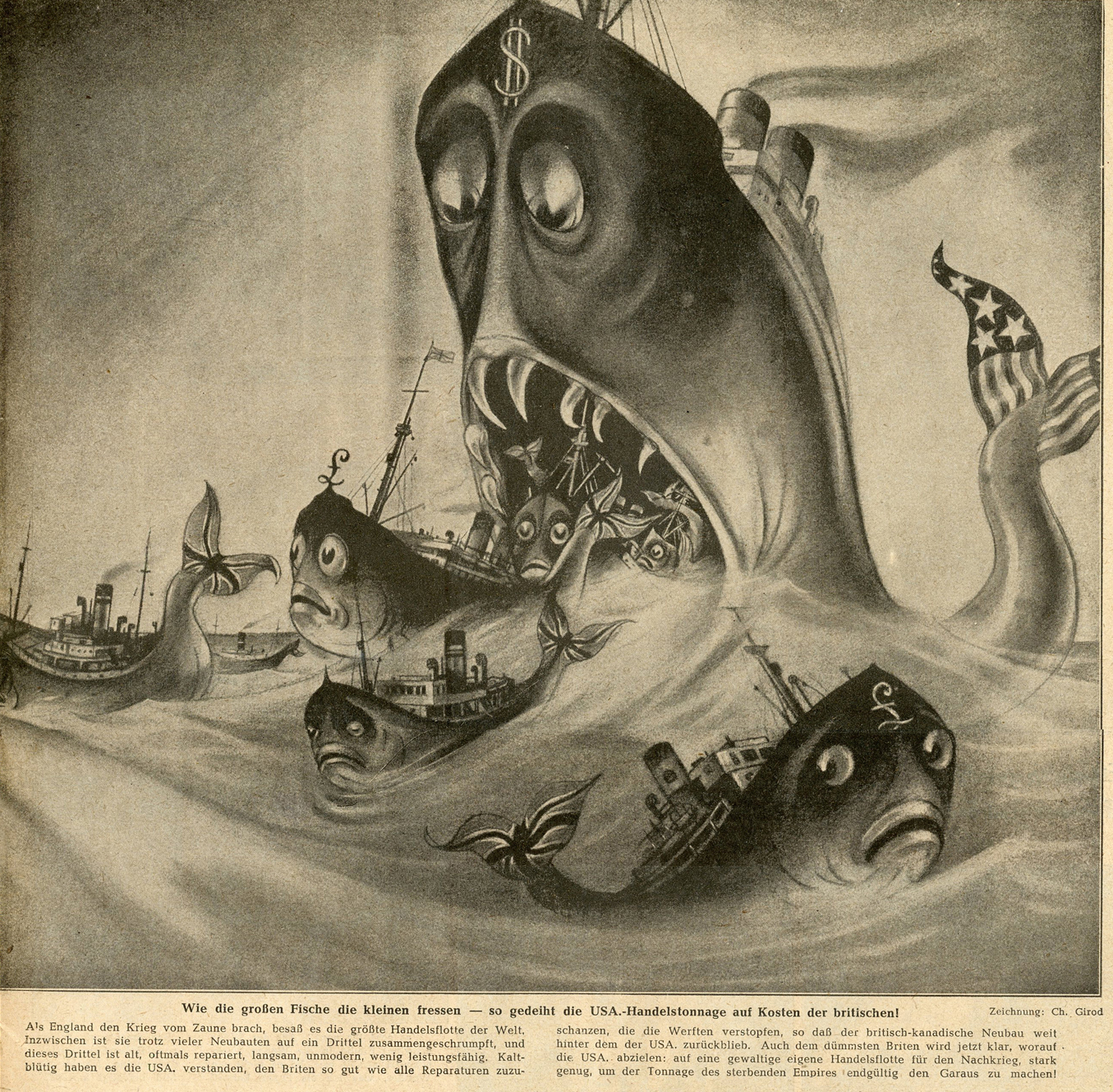
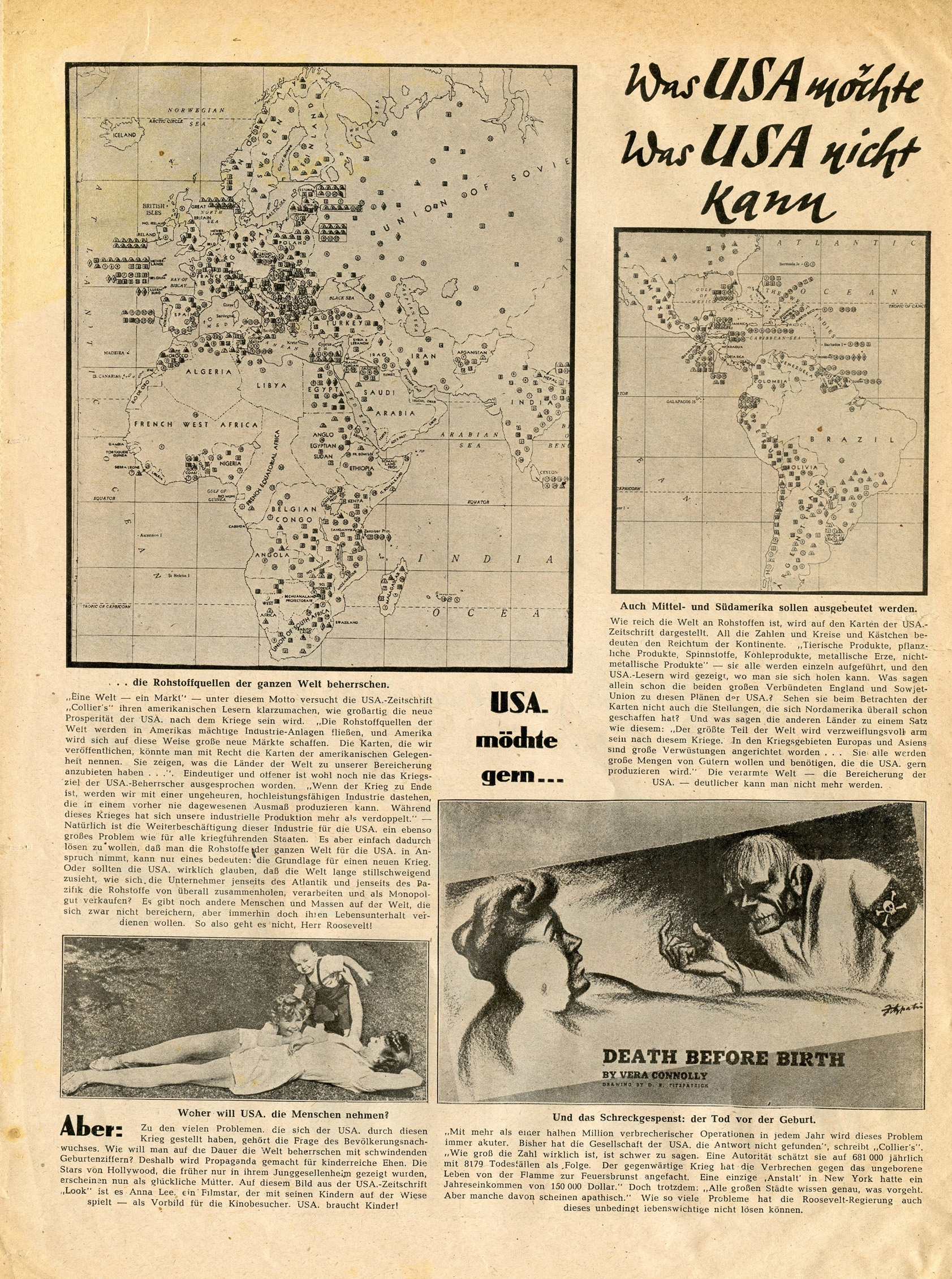
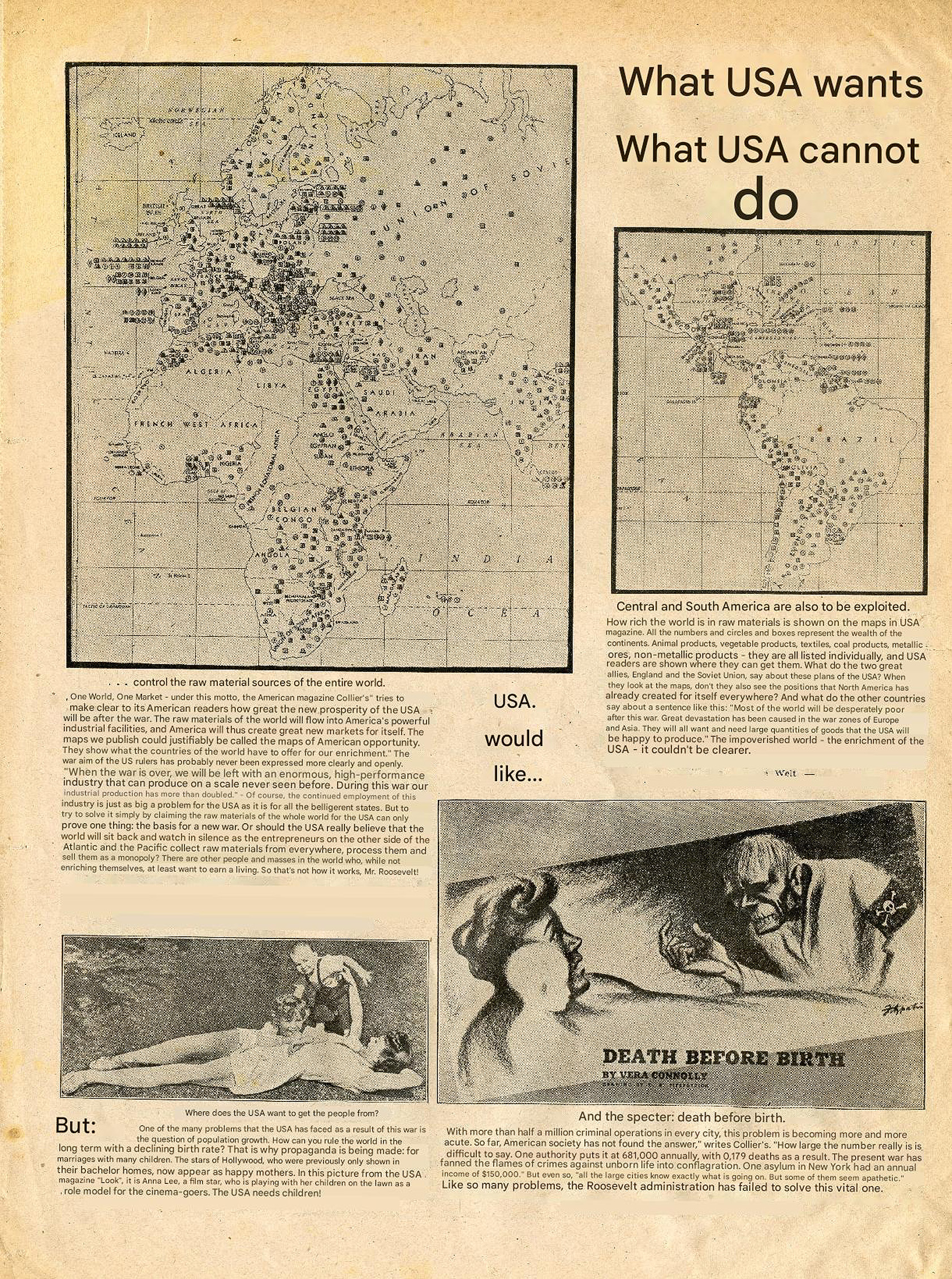
[Note: Everything the Germans warned the British people about came to pass, most striking is perhaps the loss of their giant empire, mainly to the USA. This says:
'Like the big fish eat the little ones.
So the US merchant tonnage thrives at the expense of the British!
When England started the war, it possessed the largest merchant fleet in the world. Now, despite many new builds, it has shrunk to a third, and this third is old, often repaired, slow, outdated, and inefficient. The US has coldly managed to allocate virtually all repairs.
to the British, clogging up the shipyards, so that British-Canadian new builds have lagged far behind those of the US. Even the most obtuse Briton now understands what the US is aiming for: a massive merchant fleet of its own for the postwar period, strong enough to finally put an end to the tonnage of the dying empire!'
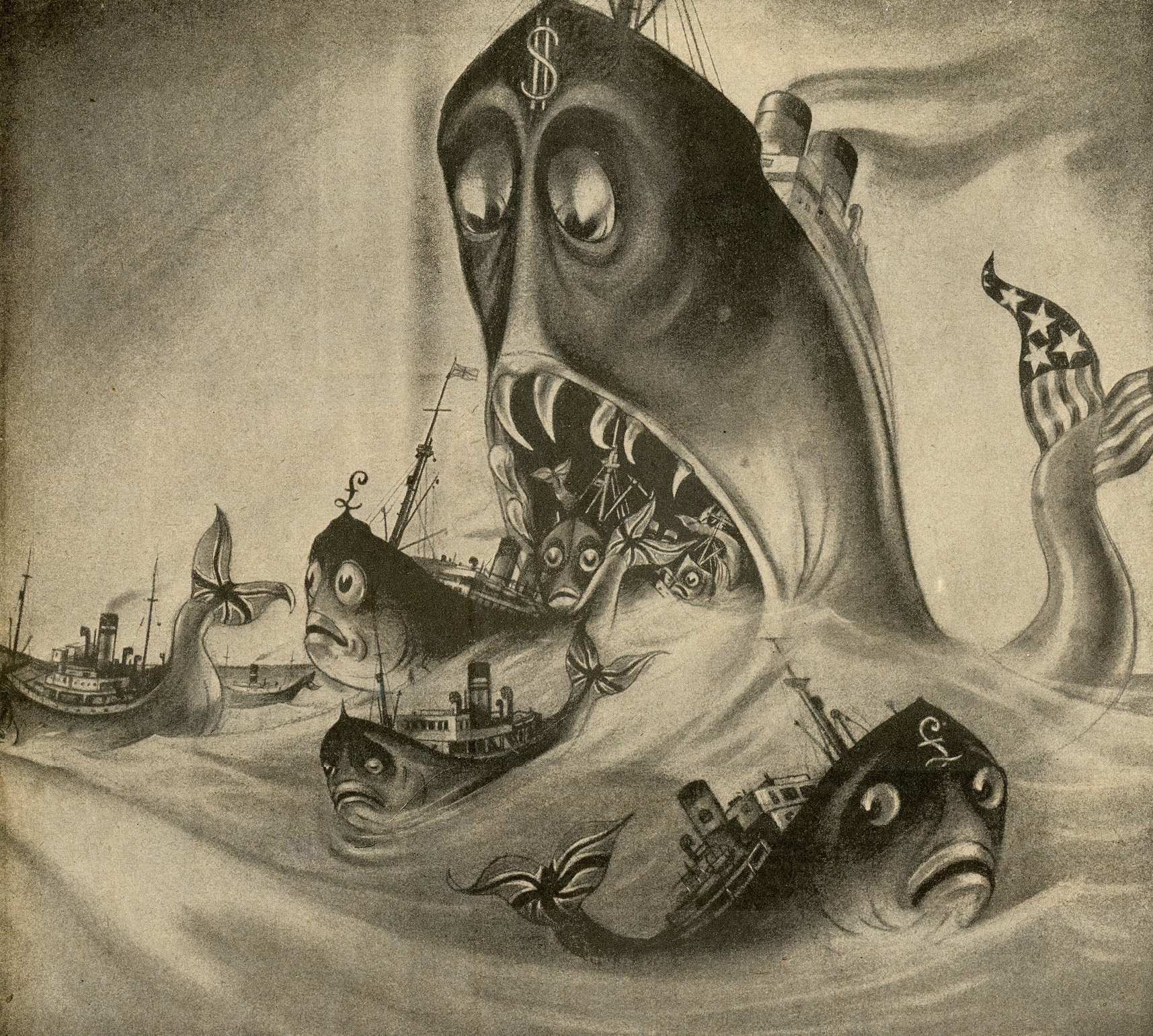
[Above: Here's a close-up.]
[Note: This article was taken from the Illustrierte Zeitung - number 13 - March 30, 1944.]
[Above: Wow! This is insanely accurate. But the higher the climb the greater the fall. The decaying, moribund American Empire is crumbling. German/English.]
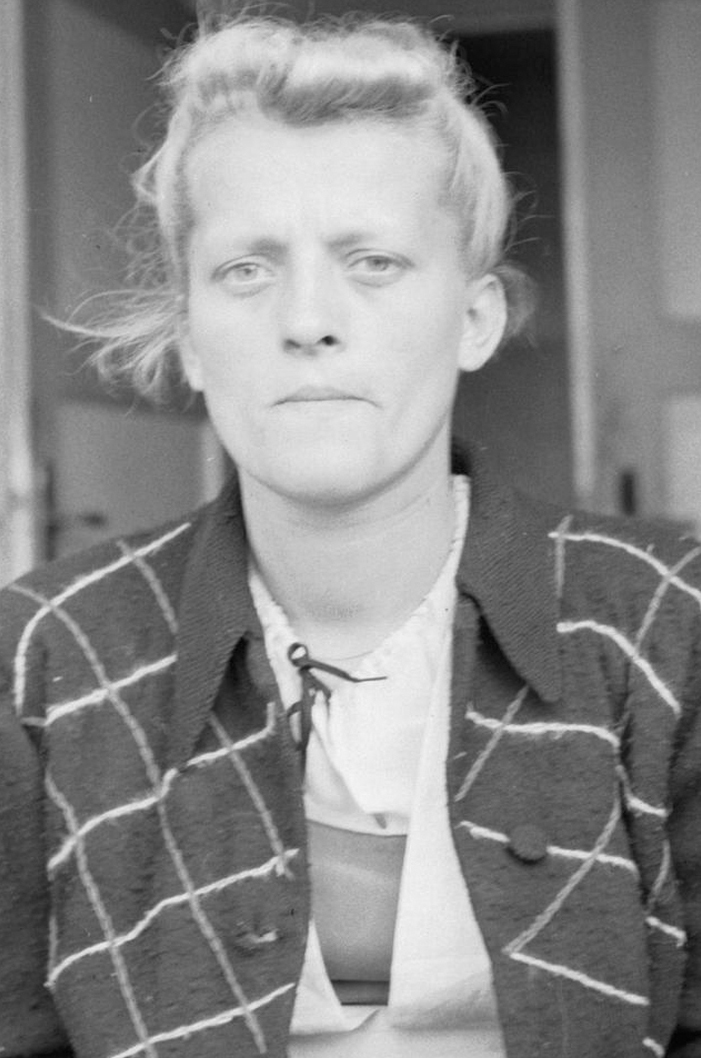
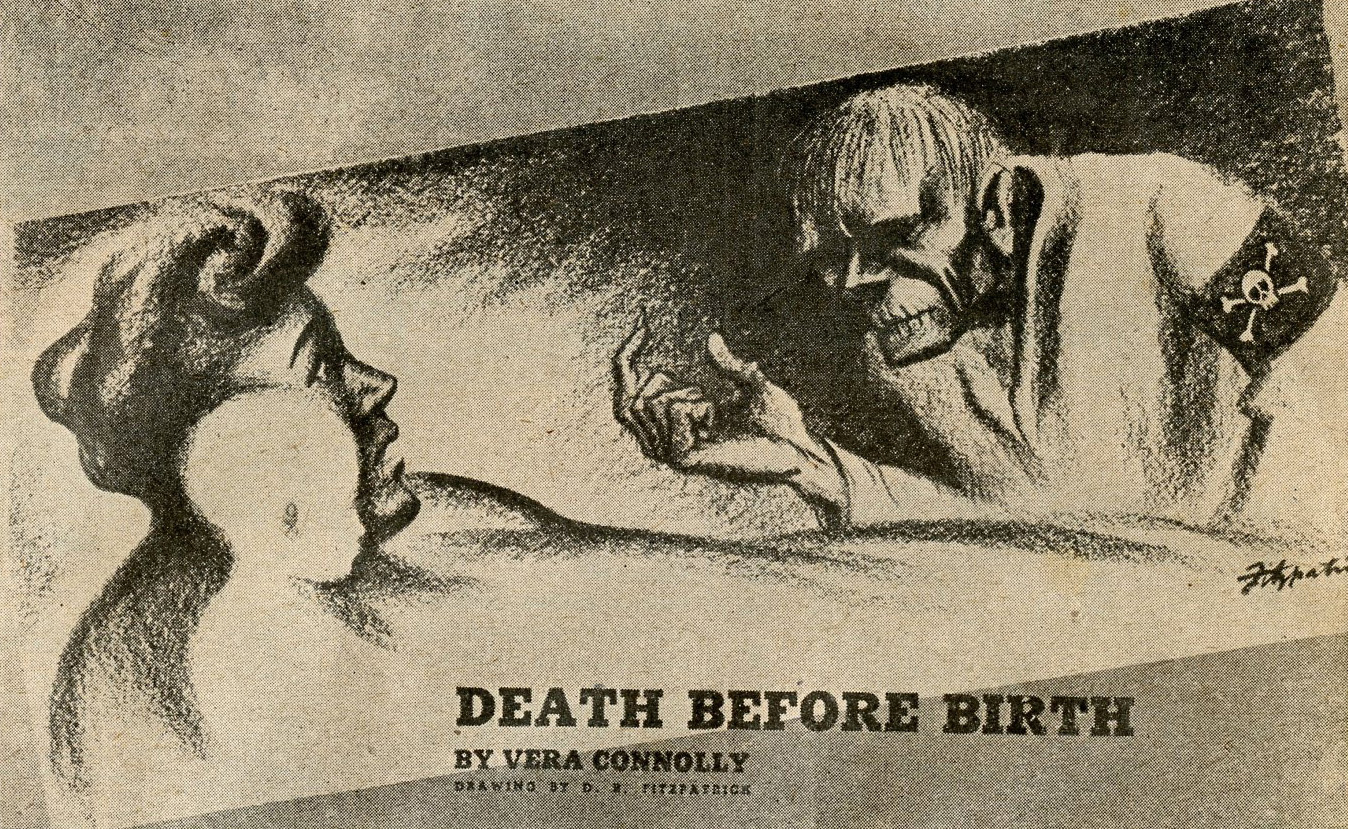
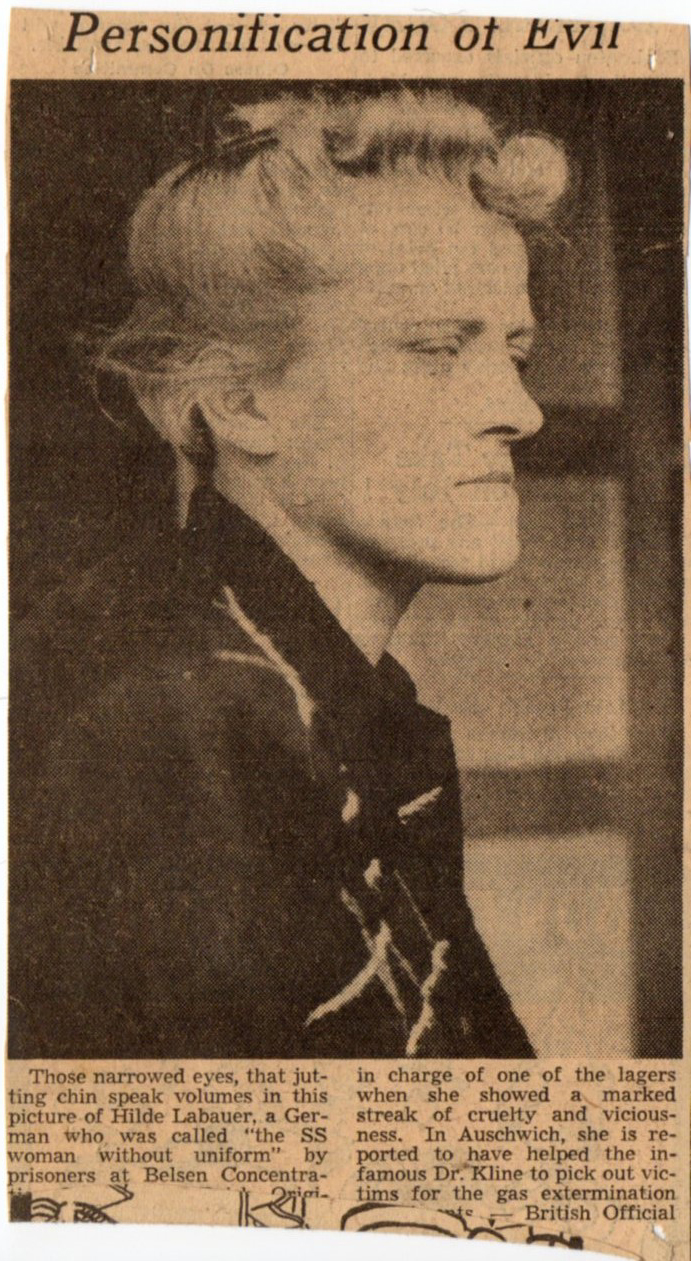
[Note: I love how our childish overlords like to catch people they don't like while they are talking, or in this case, blinking. 'Auschwich'? You can't even spell your Auschwitz
correctly. How about we make it easy for you and just call it 'Sandwich'?
I can already hear Slayer's Angel of Death...
"Sandwich, the meaning of pain
'Those narrowed eyes, that jutting chin...'
Okay, I'll take that description and raise you 1,000.
*reaches into pocket and pulls out a picture from hell*
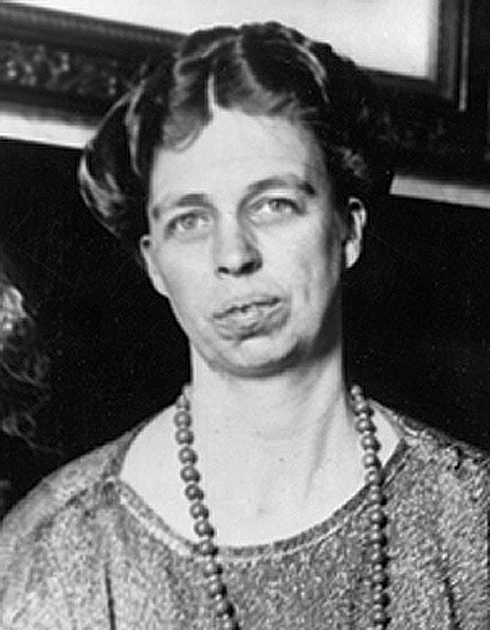
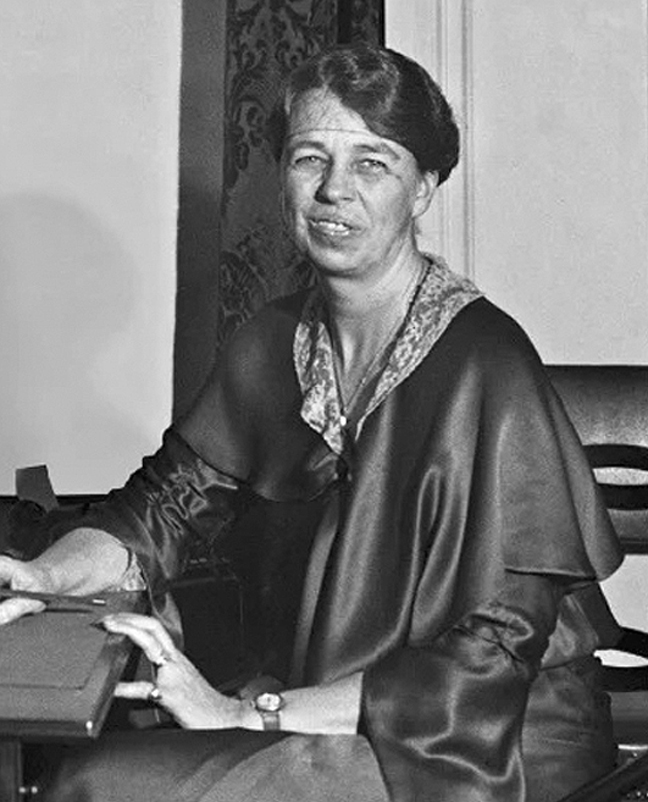
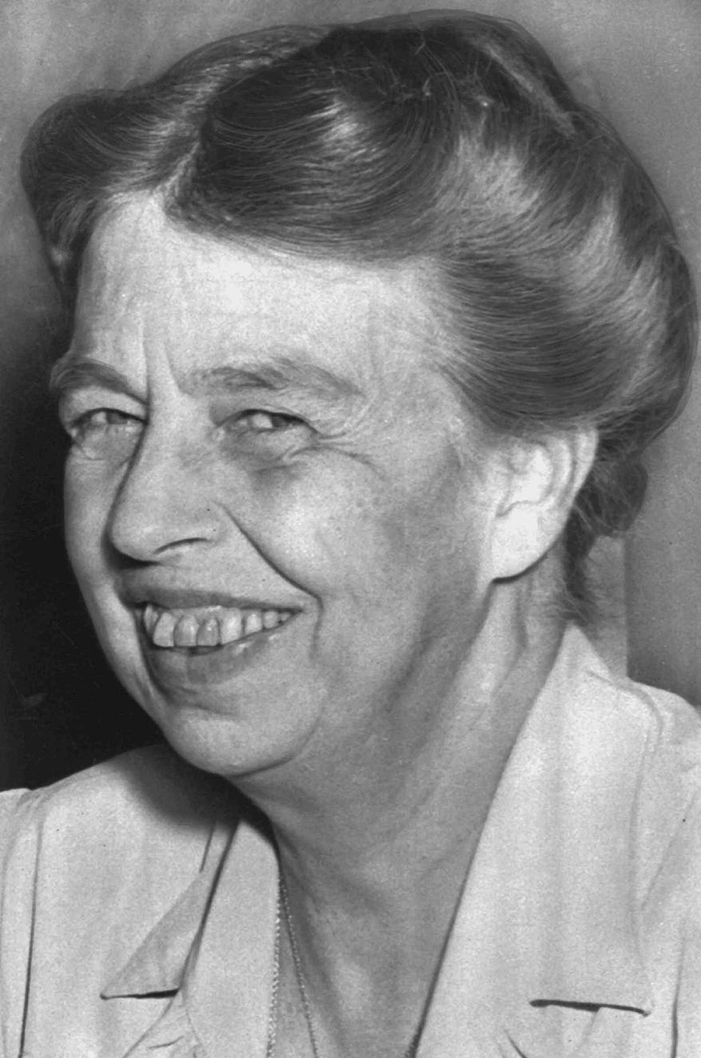
The wife of the infamous killer of millions of Europeans, Franklin D. Roosevelt, Eleanor Roosevelt!
Those crusty, horrid swollen lips, that manly chin, those demonic, deep set eyes, those balding eye brows, that crooked nose...
And I'll raise you another 5,000!
*Reaches into an envelope of Halloween decorations that scare little children.*
Teeth bursting from her dry, disgusting lips, a net holding down her afro, complexion of someone who has been run over by a truck, skeletal hands covered in gold rings (from melted down Japanese teeth from WWII), deep savage eye circles.
I see your Hilde Labauer, and raise you SIX million!
*reaches into the bowels of hell and throws down a cursed photo*
*Children run for their lives, screaming and crying, sounds of the damned groaning and crying out in pain...*
Oh my... wow. I'm going back to Sandwich and going to bed.
The infamous boogeyman 'Dr. Kline' who no one has ever heard of before. I guess that lie didn't catch on huh? I guess 'Mengele' had a much catchier name.
But you missed an opportunity to call him 'Kline the Slime', the butcher of one billion crippled children dying of cancer. Tsk tsk...
The way that I want you to die
Slow death, immense decay
Showers that cleanse you of your life
Forced in, like cattle you run
Stripped of your life's worth
Human mice, for Kline the Slime
Six trillion more to die"