[Below: 1938 Berlin autoshow.]

[Below: Close-up.]

[Below: Reverse.]

[Below: Close-up.]


[Below: ...]

[Below: Close-up.]

[Below: Reverse.]

[Below: This is showing a school of the NSBDT (Nationalsozialistischer Bund Deutscher Technik, or National Socialist League of German Technology).]

[Below: Close-up.]

[Below: ...]

[Below: Reverse.]

[Below: ...]

[Below: Reverse.]

[Below: This is showing a model of Adolf Hitler's home made out of toothpicks!]

[Below: Reverse.]

[Below: ...]

[Below: Reverse.]

[Below: ...]

[Below: Reverse.]

[Below: ...]

[Below: Reverse.]

[Below: ...]

[Below: Reverse.]

[Below: ...]

[Below: Reverse.]

[Below: Beautiful.]
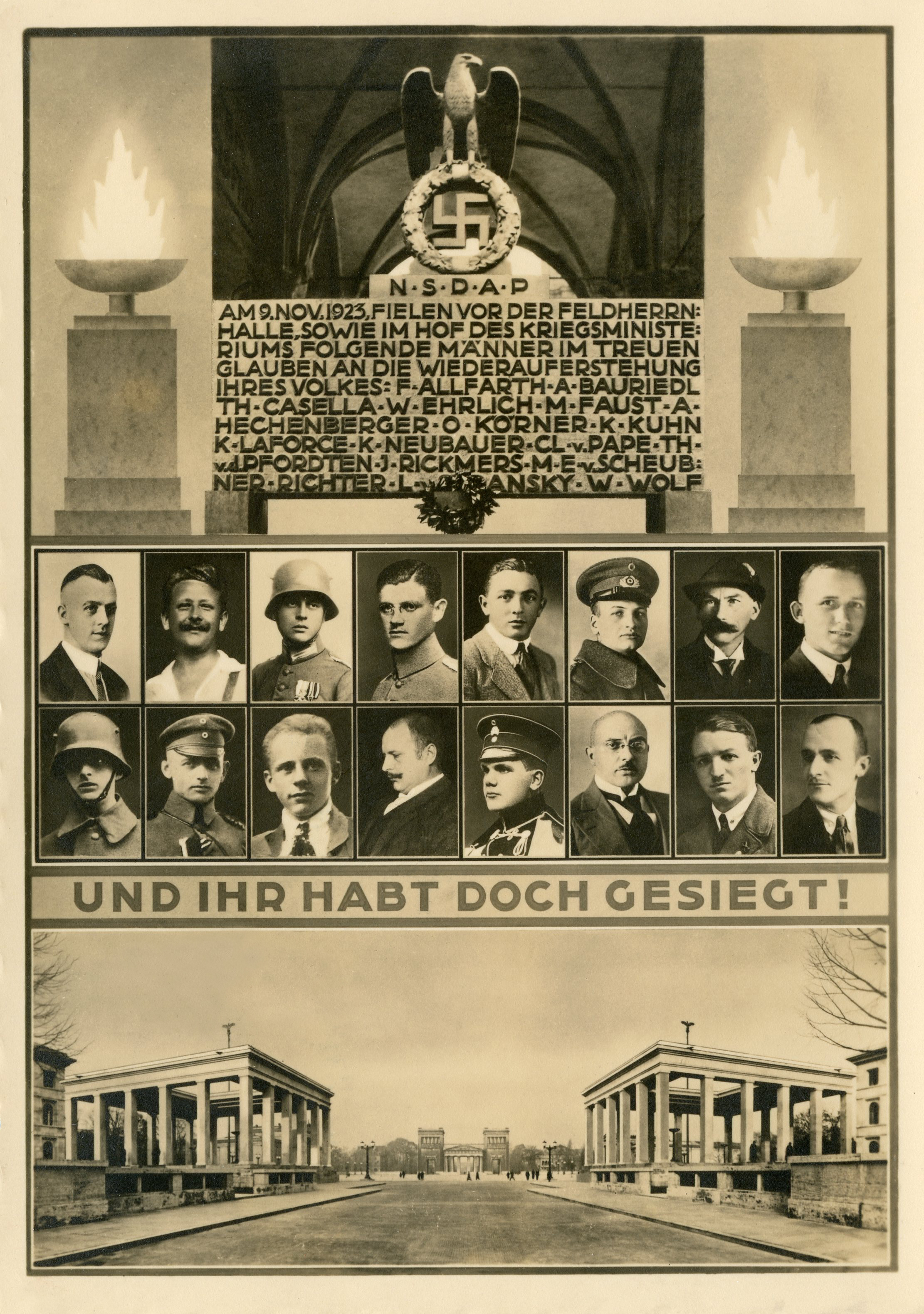
[Below: 16 martyrs.]
[Below: Reverse.]
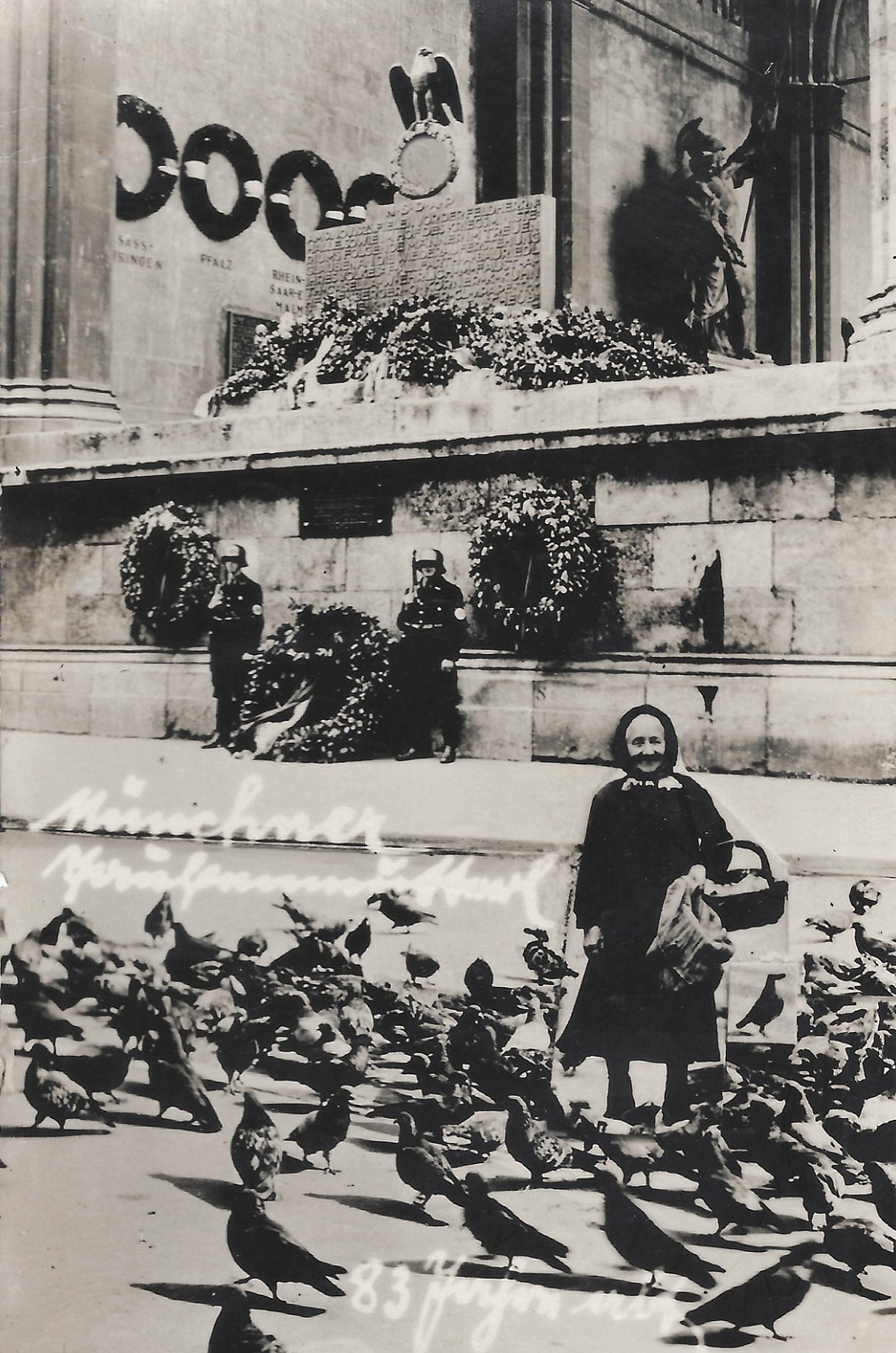
[Below: Here is an interesting scarce postcard of an old woman feeding pigeons. Unfortunately some idiot censored the swastika.]
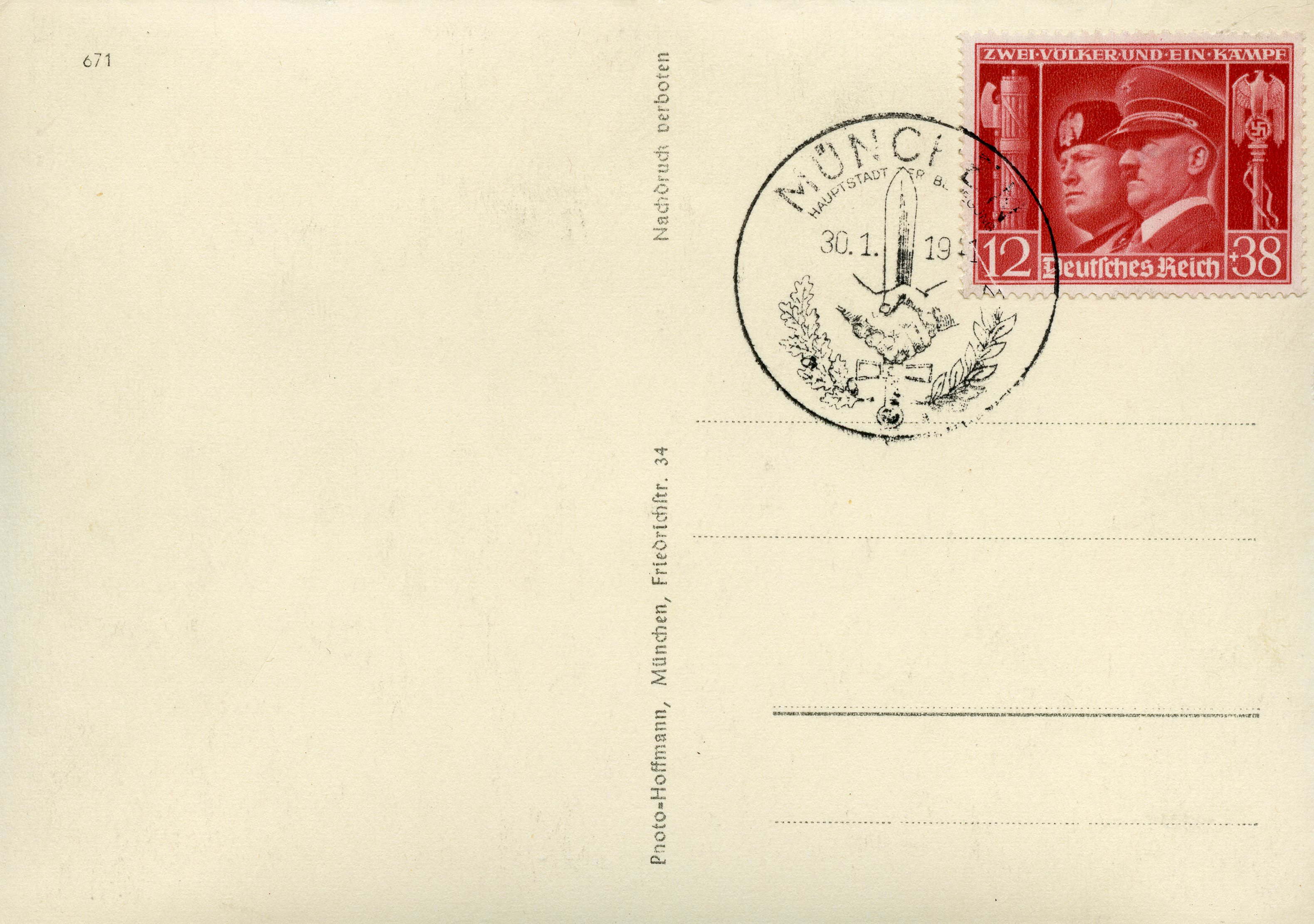
[Below: Reverse.]
[Below: ...]

[Below: Reverse.]

[Below: Close-up.]

[Below: ...]

[Below: Reverse.]

[Below: ...]

[Below: Reverse.]

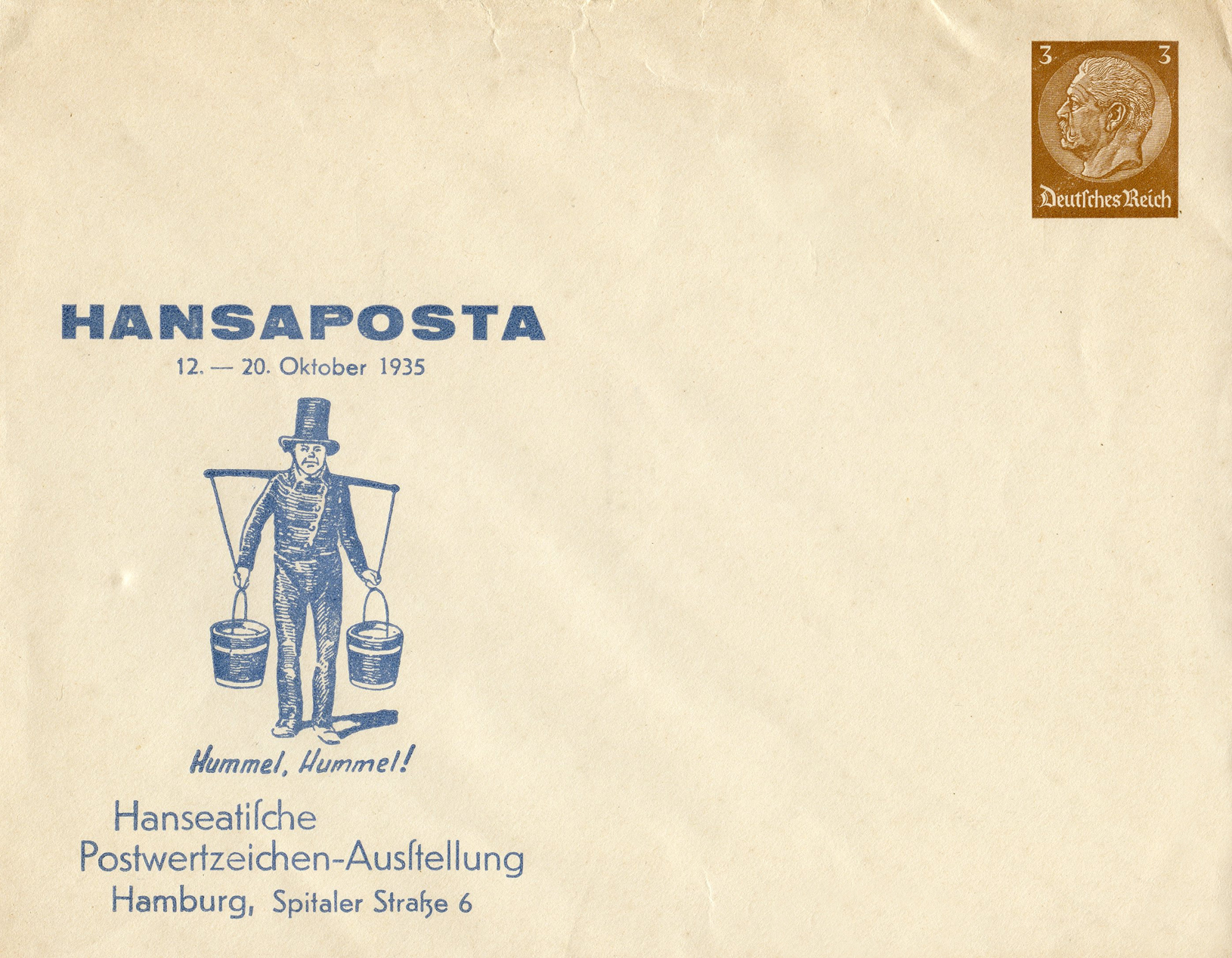
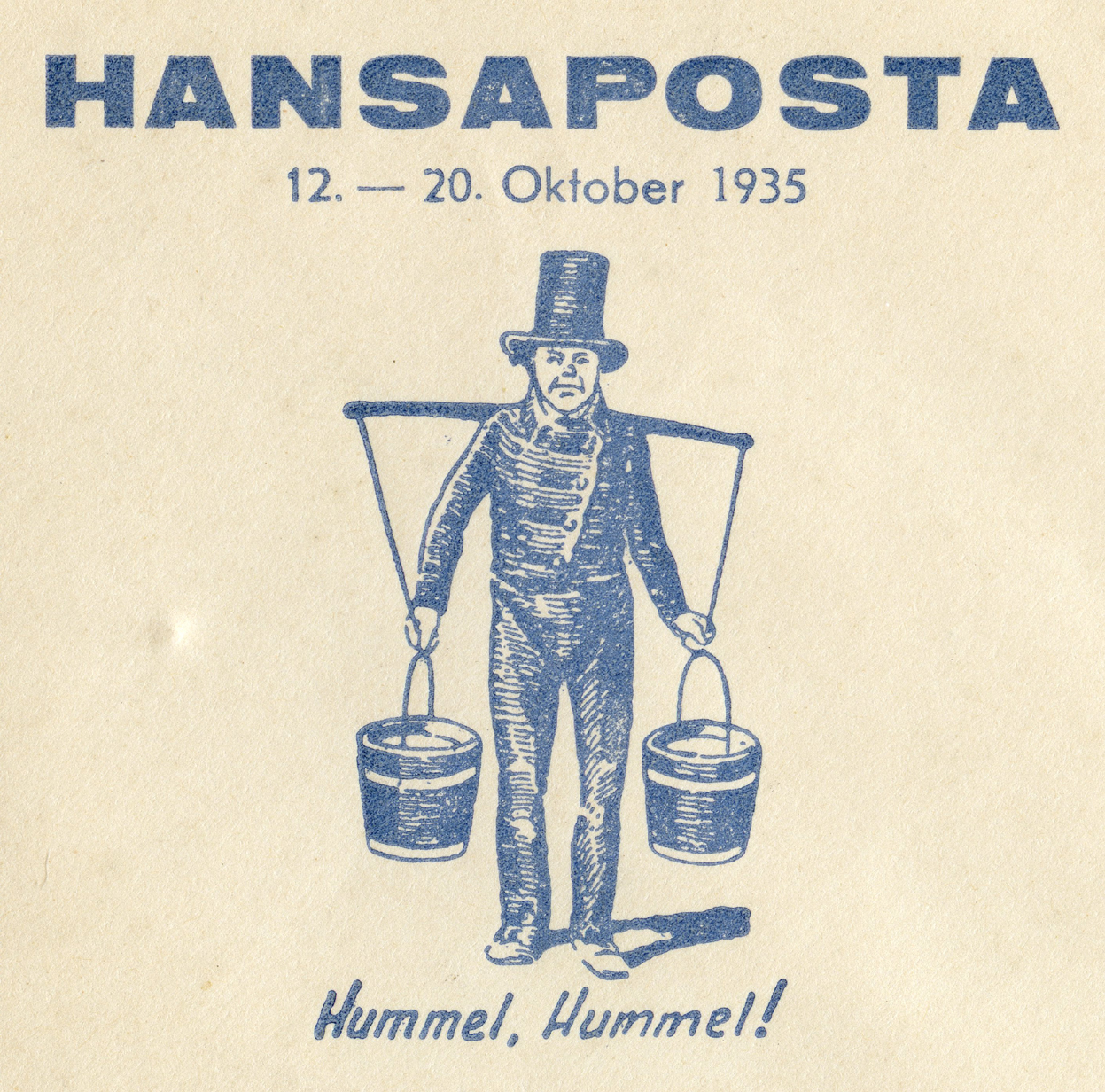
[Below: Here is an interesting prepaid envelope which says:
'Hansaposta
12. - 20. Oktober 1935
Hummel, Hummel!
Hanseatische
Postwertzeichen-Ausstellung
Hamburg, Spitaler Strasse 6'.
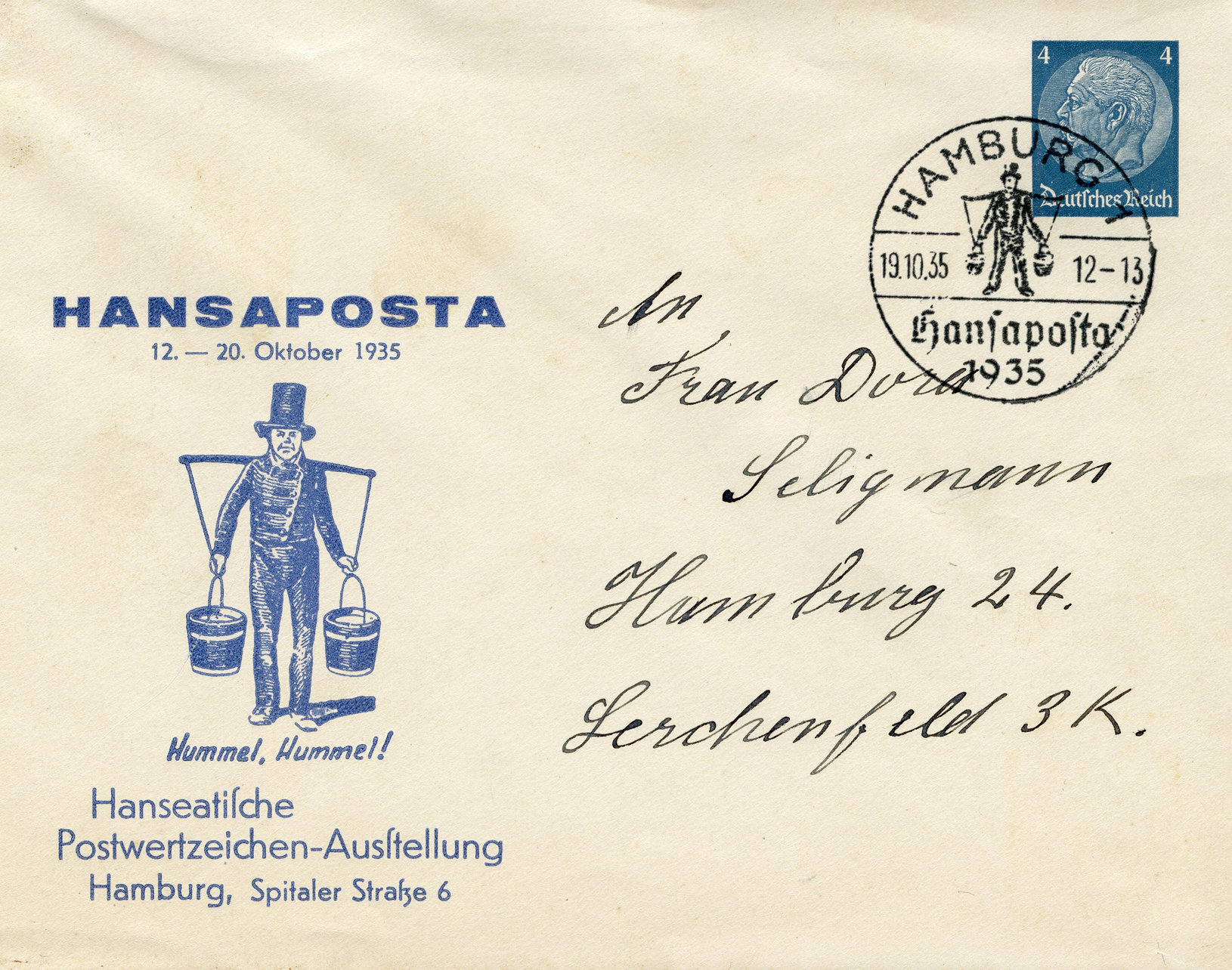
Hansapost was a private postal service around the turn of the 20th century. Hummel, Hummel! means 'bumblebee'. 'Hanseatische - Postwertzeichen-Ausstellung' (Hanseatic - Postage Stamp Exhibition). This shows Hans Hummel, a 19th century water carrier and a beloved Hamburg icon. He was apparently teased by children and famously shouted back 'Mors, Mors!' which means 'Kiss my ass!' The 'Hummel, Hummel!' was shouted at him by children to tease him... There are even statues of him today in Hamburg. Very strange.]
[Below: Close-up.]
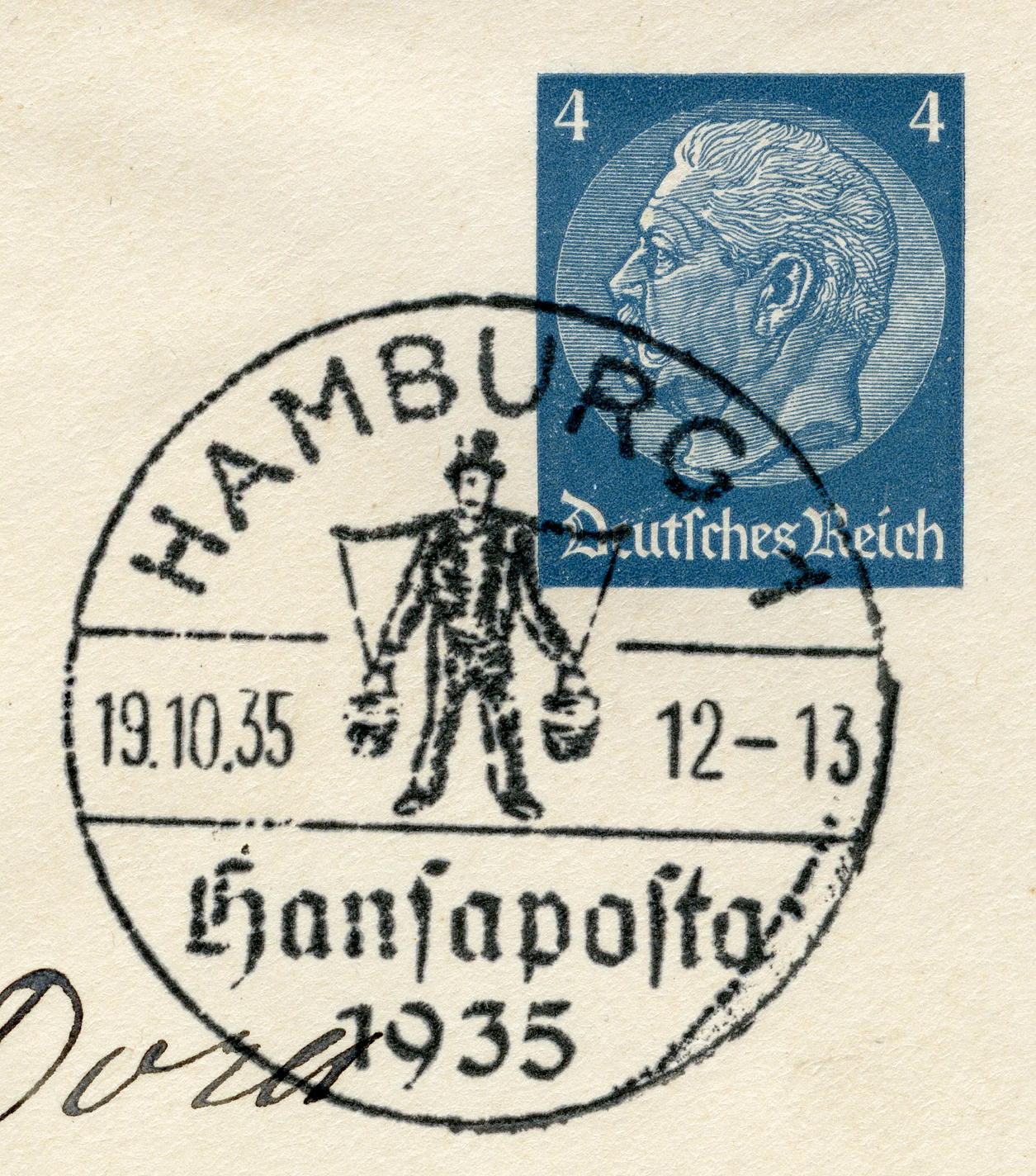
[Below: Used example, with different postage (increased by 1 Pfennig). We also see here a special matching cancel.]
[Below: Close-up.]
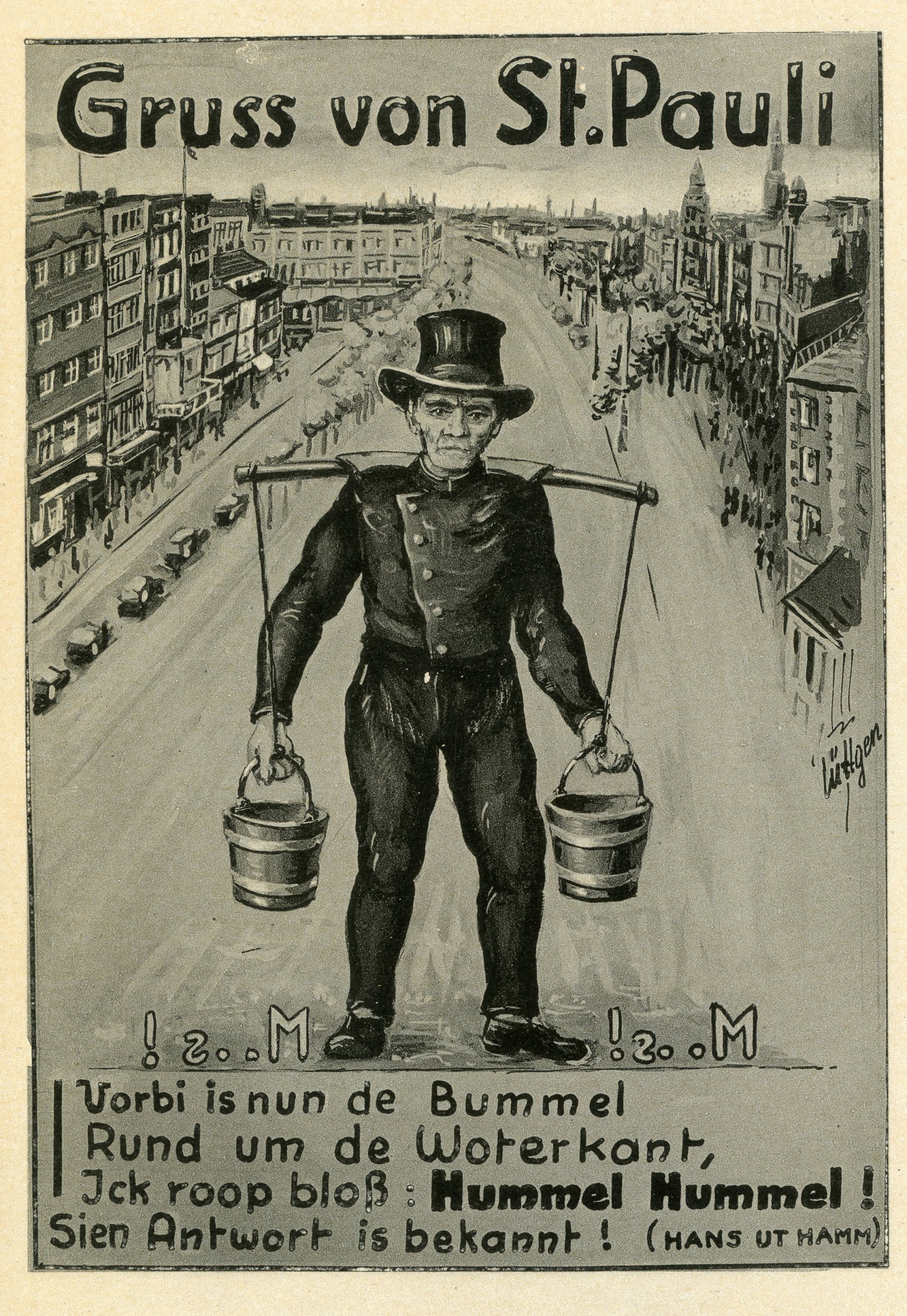
[Below: On a related note, this postcard says: 'Greetings from St. Pauli
The stroll around the waterfront is over now, just shout: Hummel Hummel!
His answer is known!'
This is very strange...]
[Below: Reverse.]
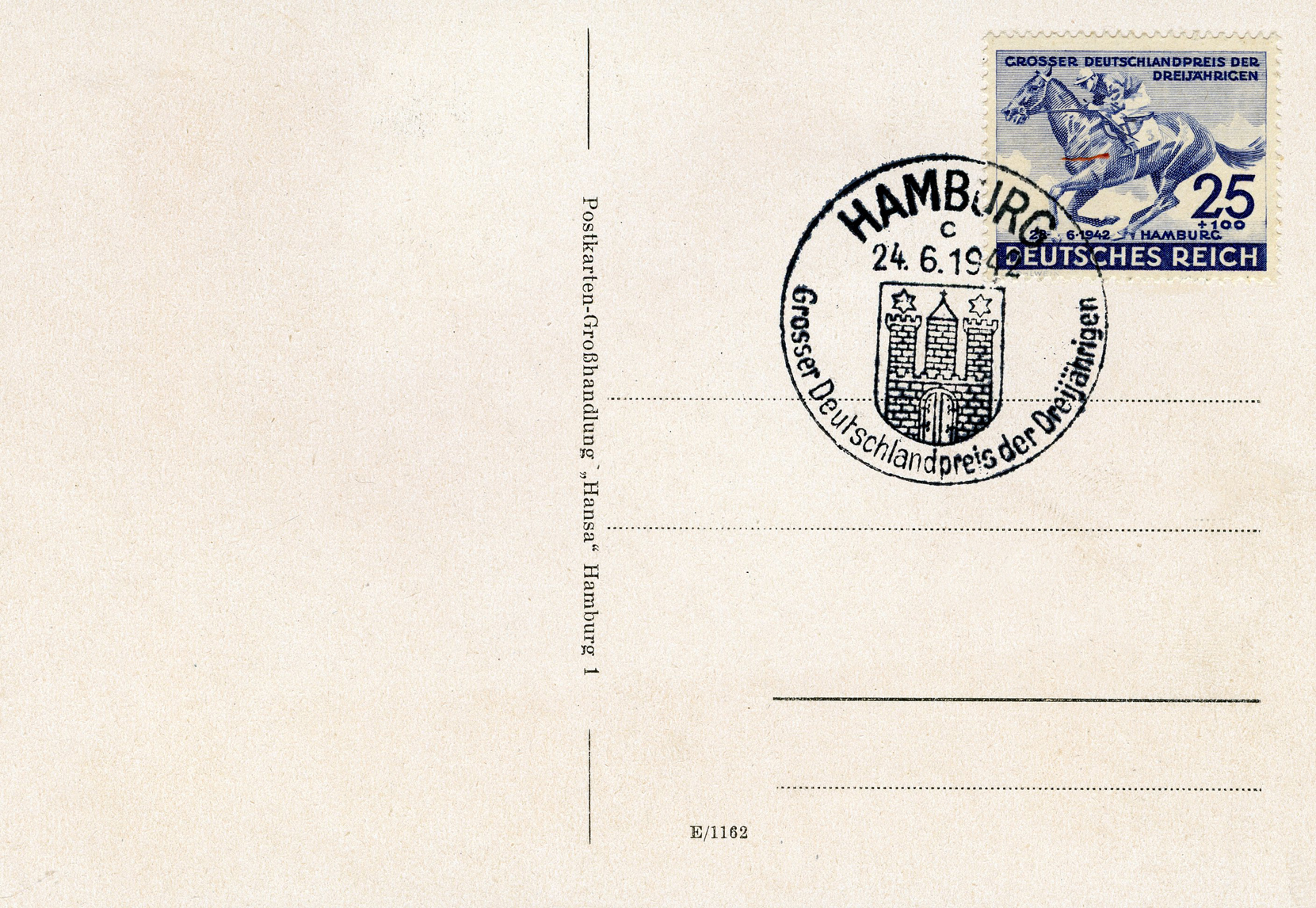
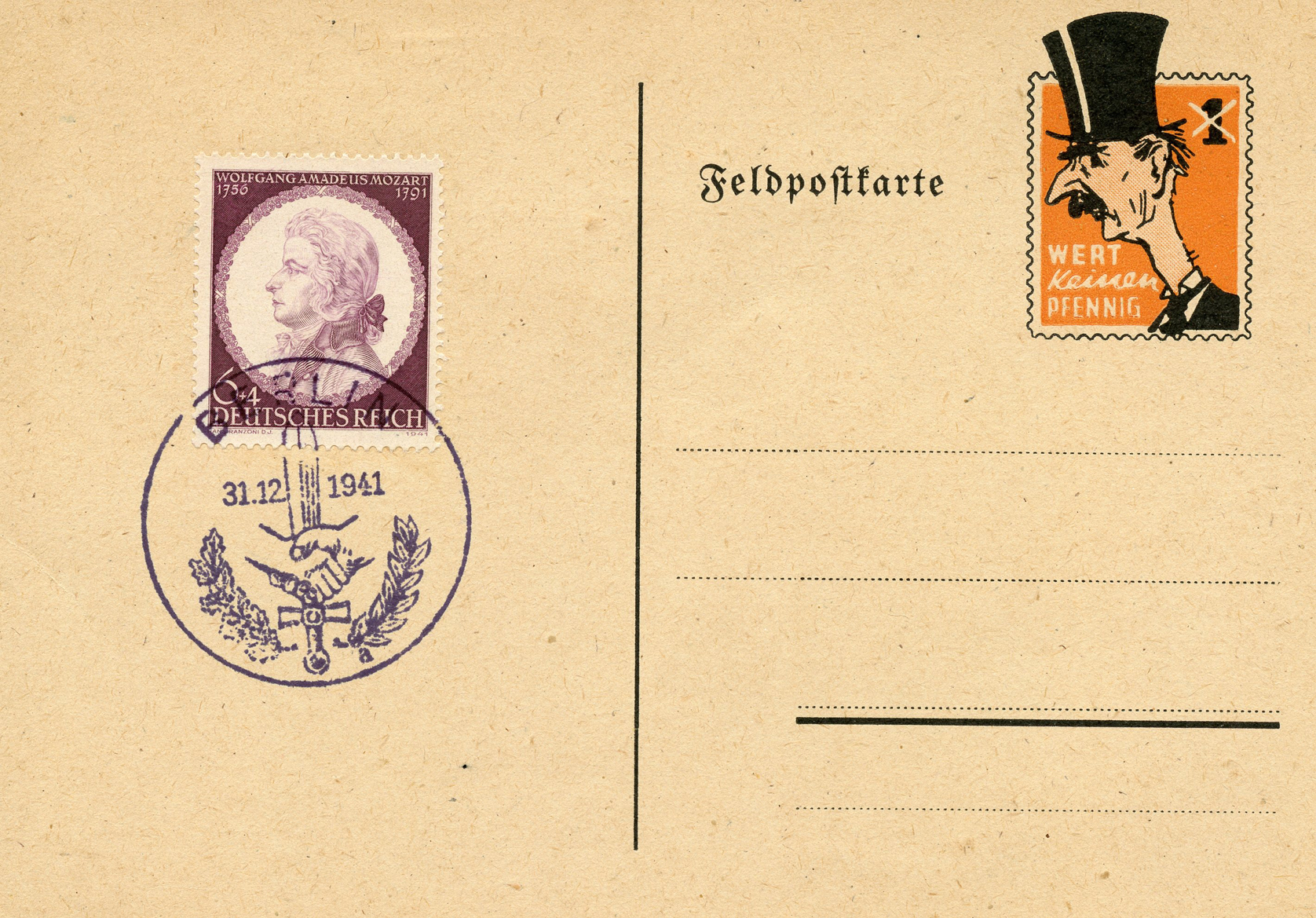
[Below: Some years into the war a pair of postcards was produced in Germany that depicted the leaders of Britain in a humorous way. This pair of postcards isn't really rare, but is pretty funny. This one shows Neville Chamberlain, with the text 'Not worth a cent'. This particular postcard has been 'favor canceled' in December 31, 1941, on New Year's Eve. It also says 'Feldpostkarte', so it was meant for soldiers. If you find this postcard actually used by soldiers it is much more desireable and rare, thus worth a lot more.]
[Below: Close-up.]
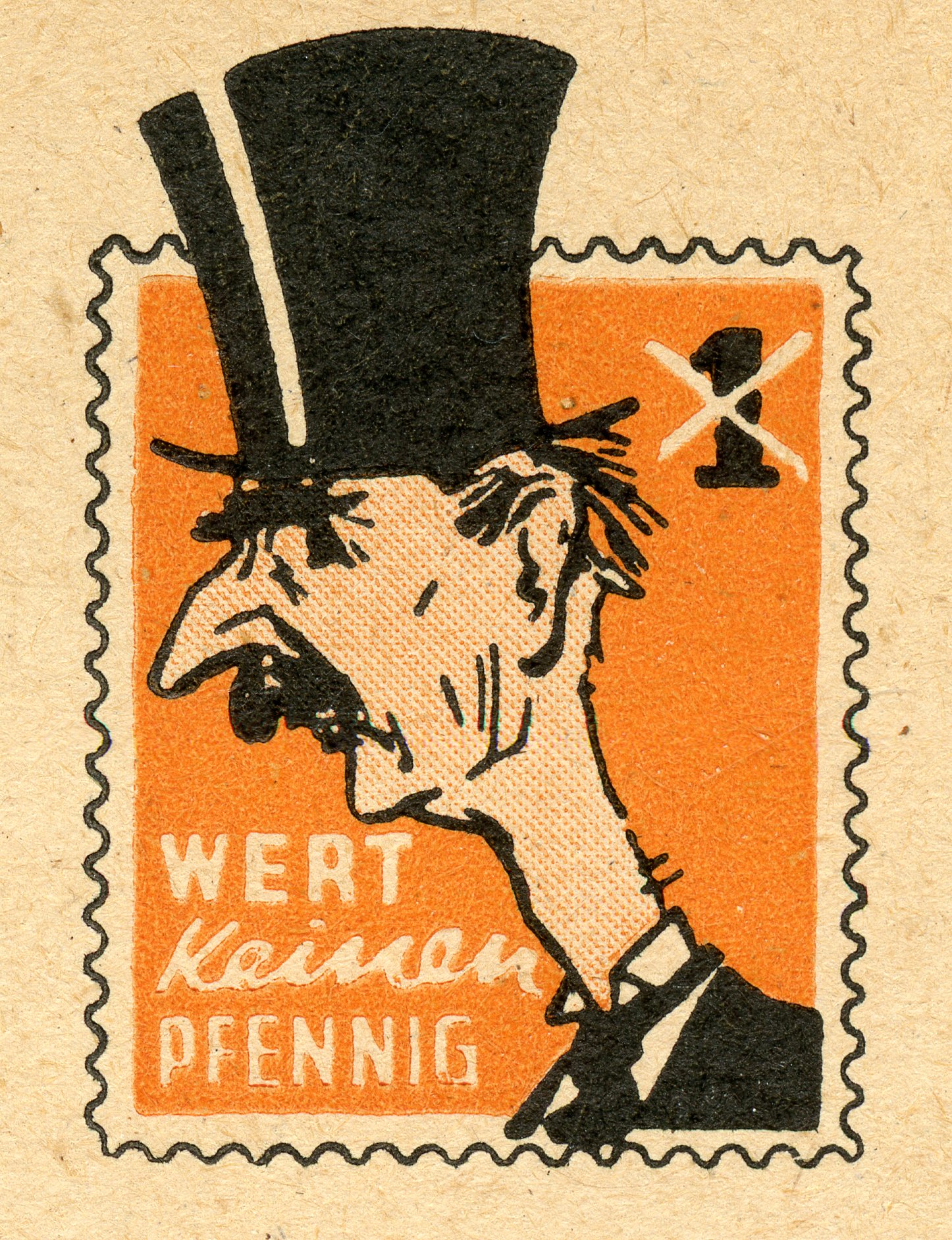
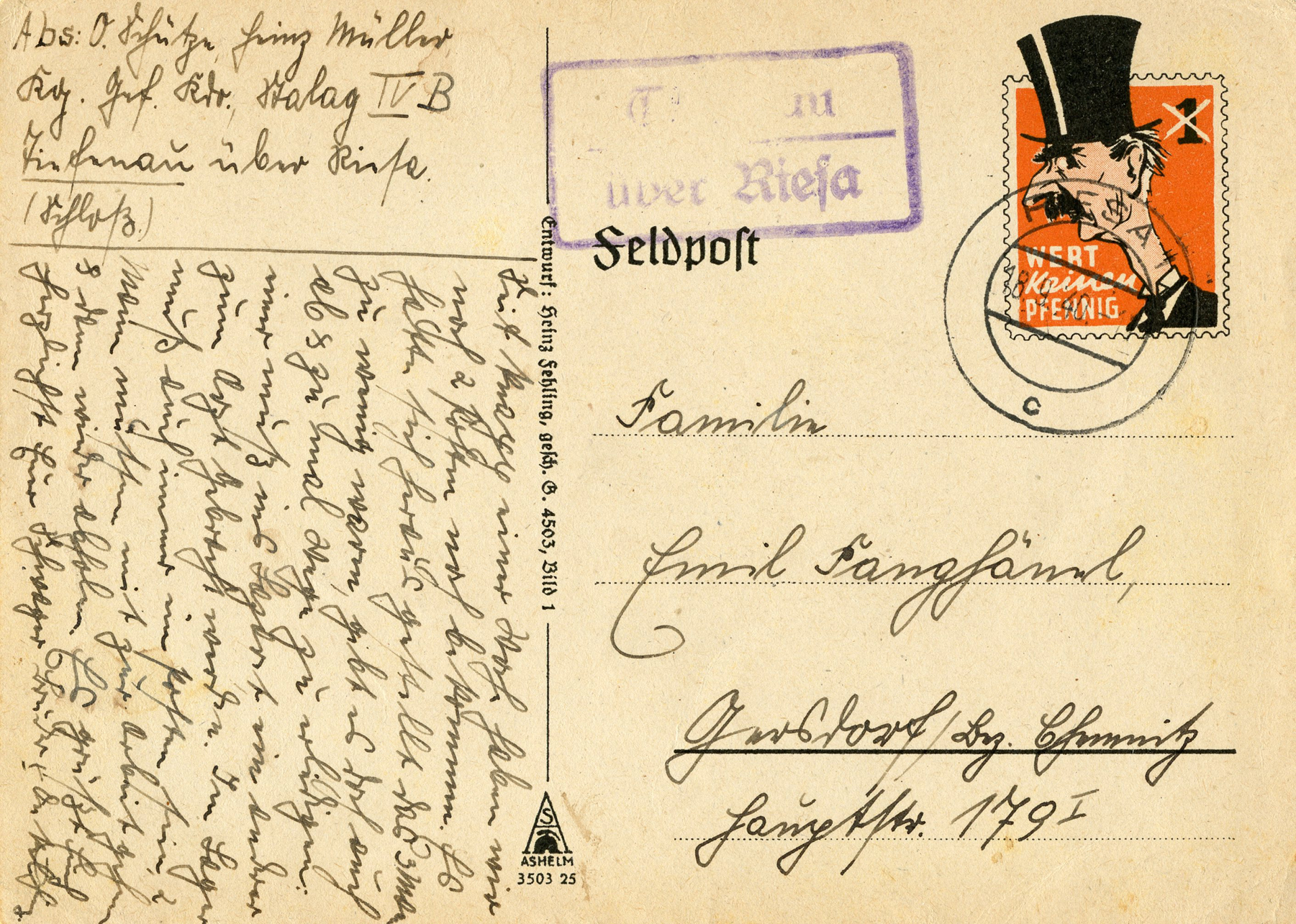
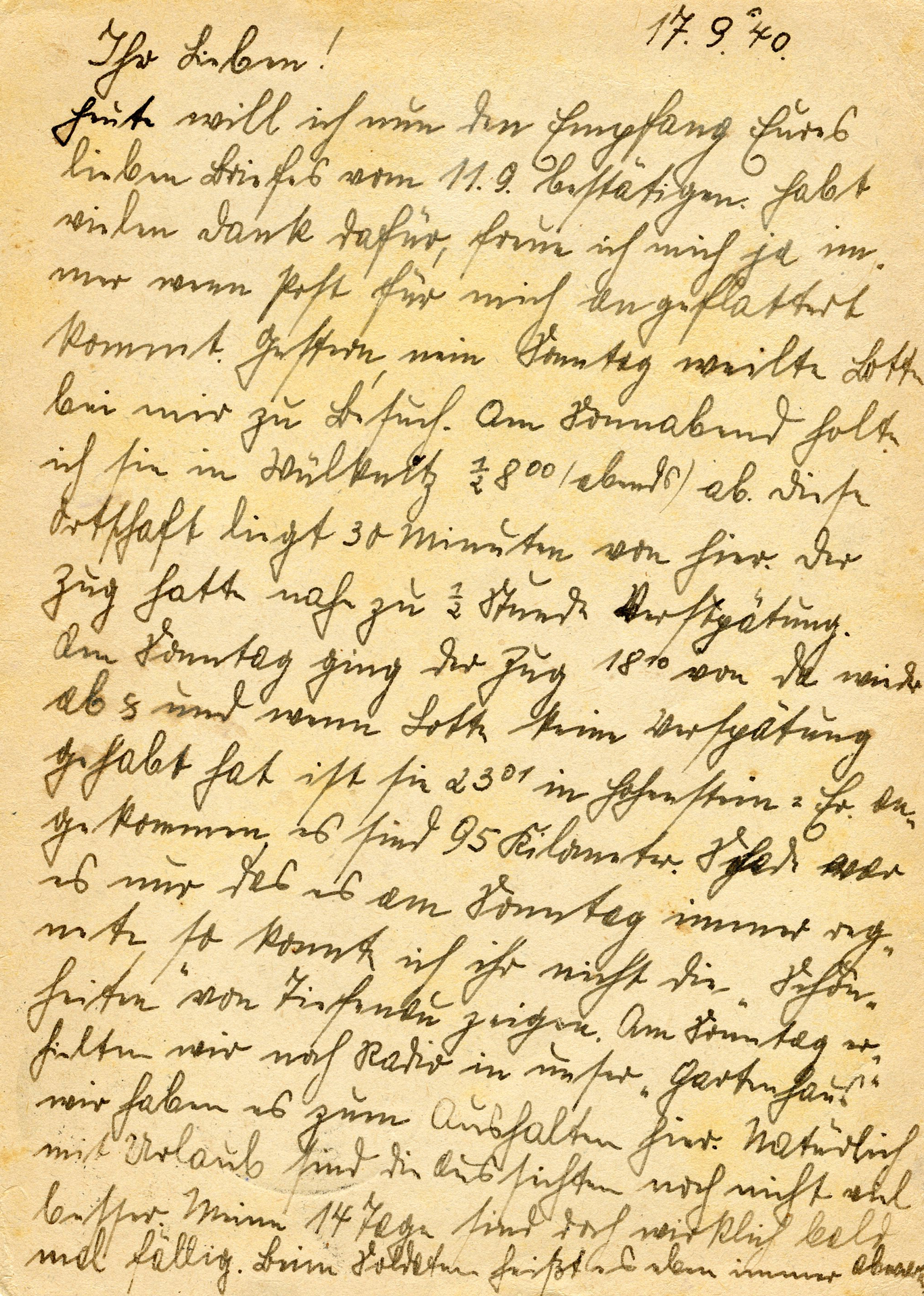
[Below: It is much rarer and more expensive to find one of these postcards actually used through the mails, better yet as a Feldpost. This was sent from Stalag IV-B, which was 'one of the largest German prisoner-of-war (POW) camps operated during World War II. Opened in September 1939, the camp was located near the town of Mühlberg in the Prussian Province of Saxony (now Brandenburg), approximately 30 miles north of Dresden. Over the course of the war, more than 300,000 prisoners from over 40 nations passed through its gates.' It was postmarked September 17, 1940.]
[Below: Postcard reverse.]
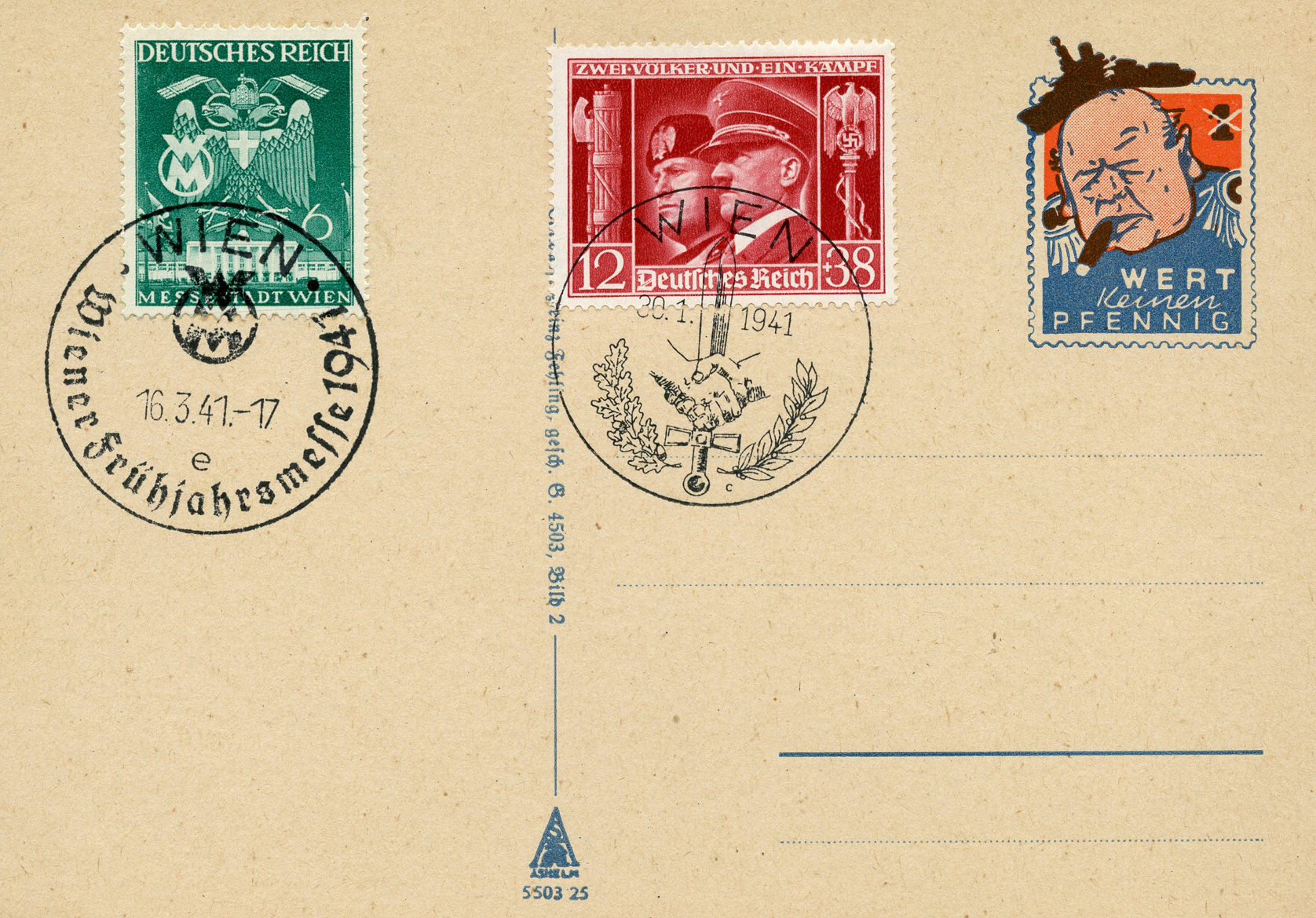
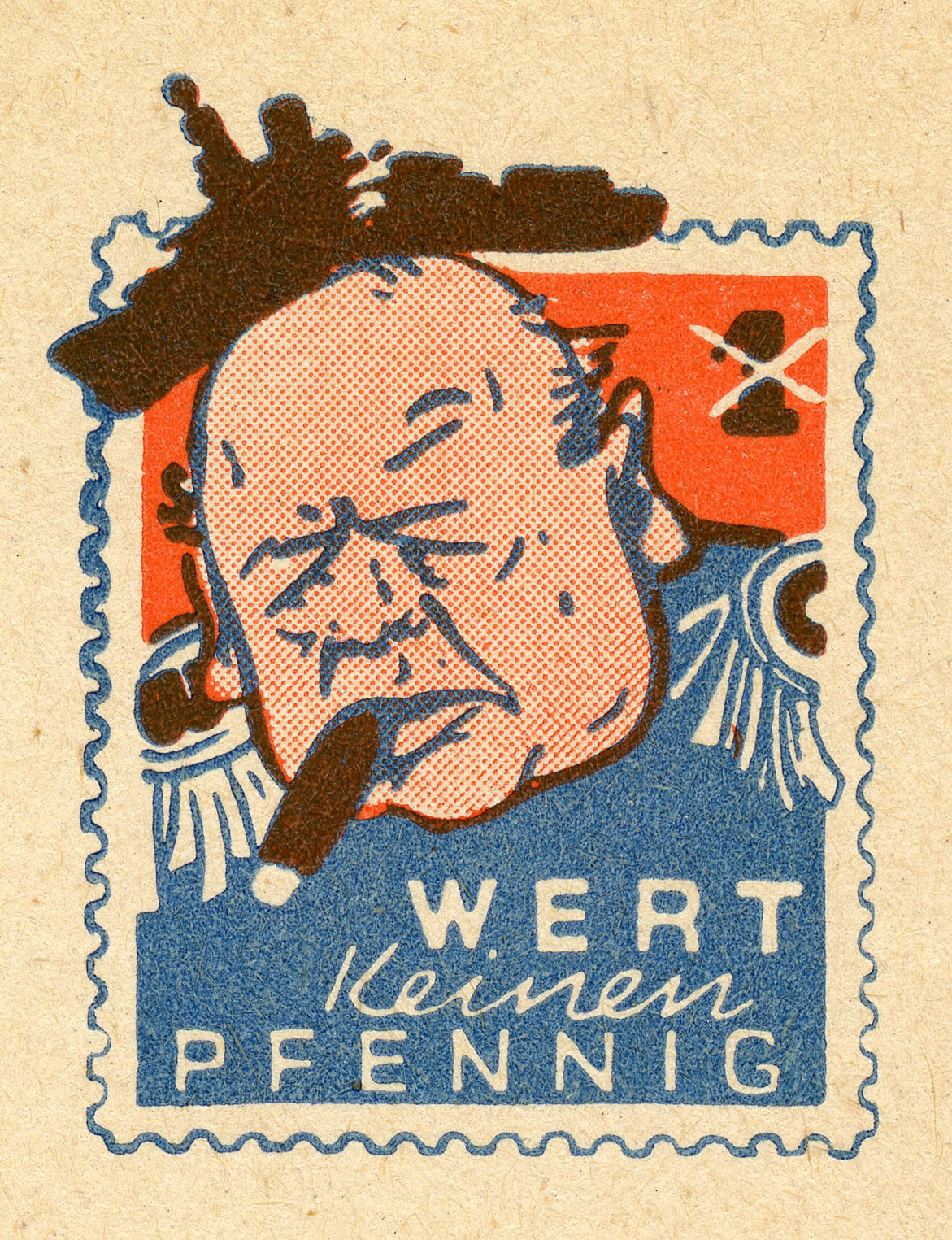
[Below: This one shows Churchill with a battleship broken over his head and also shows the value crossed out and says 'Not worth a cent'. This has also been 'favor canceled' on January 30, 1941 and March 16, 1941.]
[Below: Close-up.]
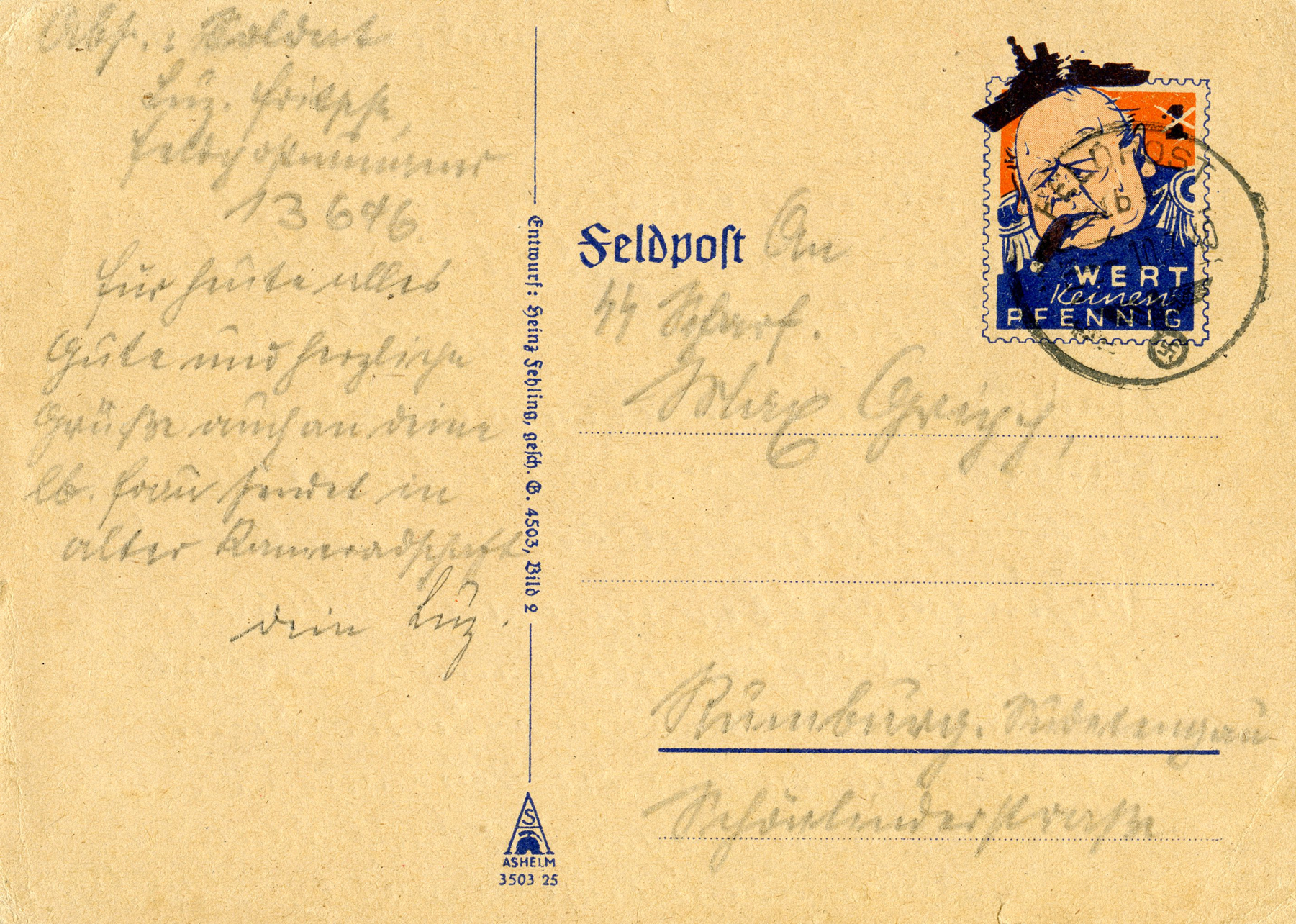
[Below: Here's another Feldpost used version sent from 2. Batterie schwere Artillerie-Abteilung 645, postmarked on July 10, 1940. What is most cool about this is it is sent to someone in the SS.]
[Below: Postcard reverse.]
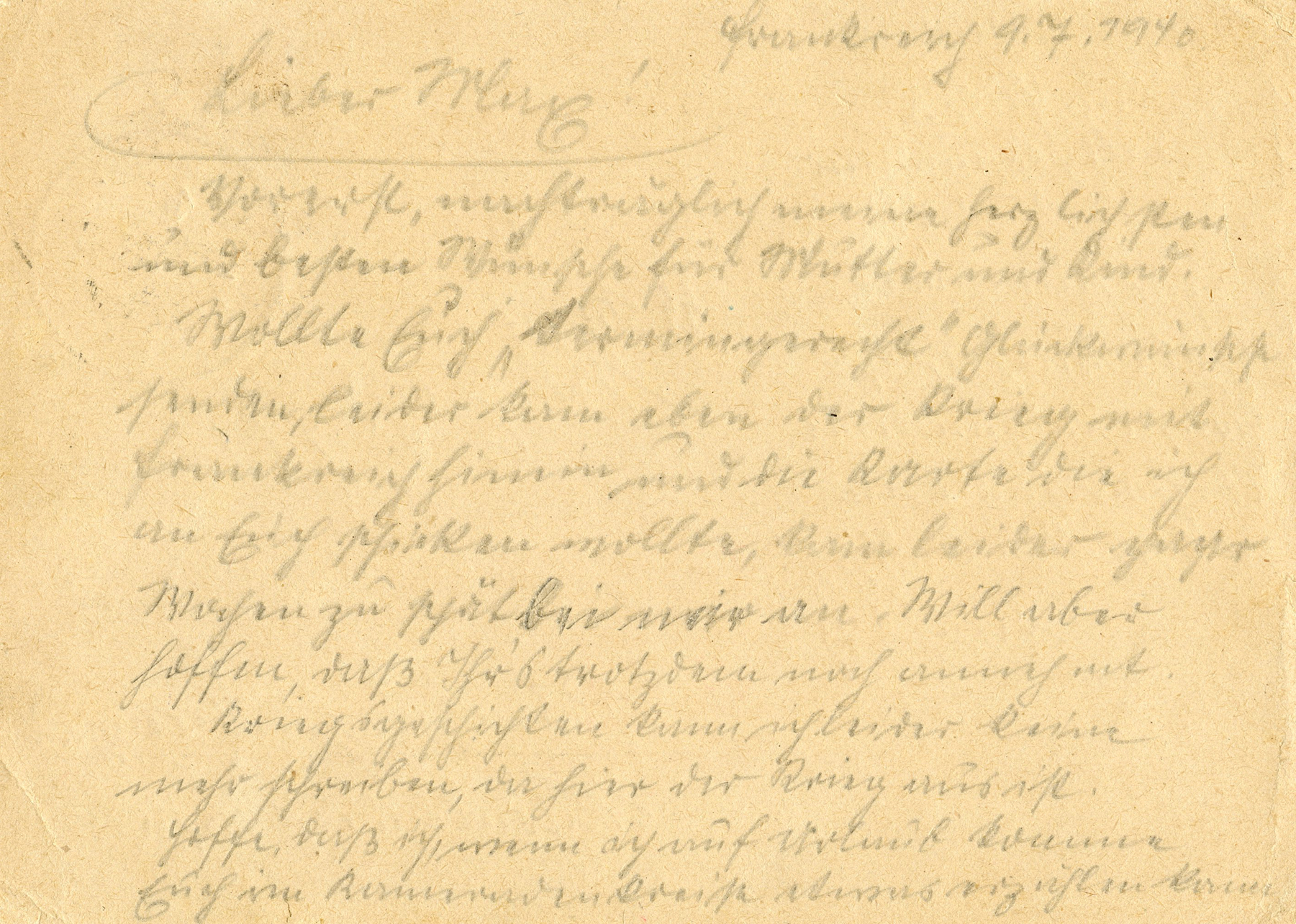
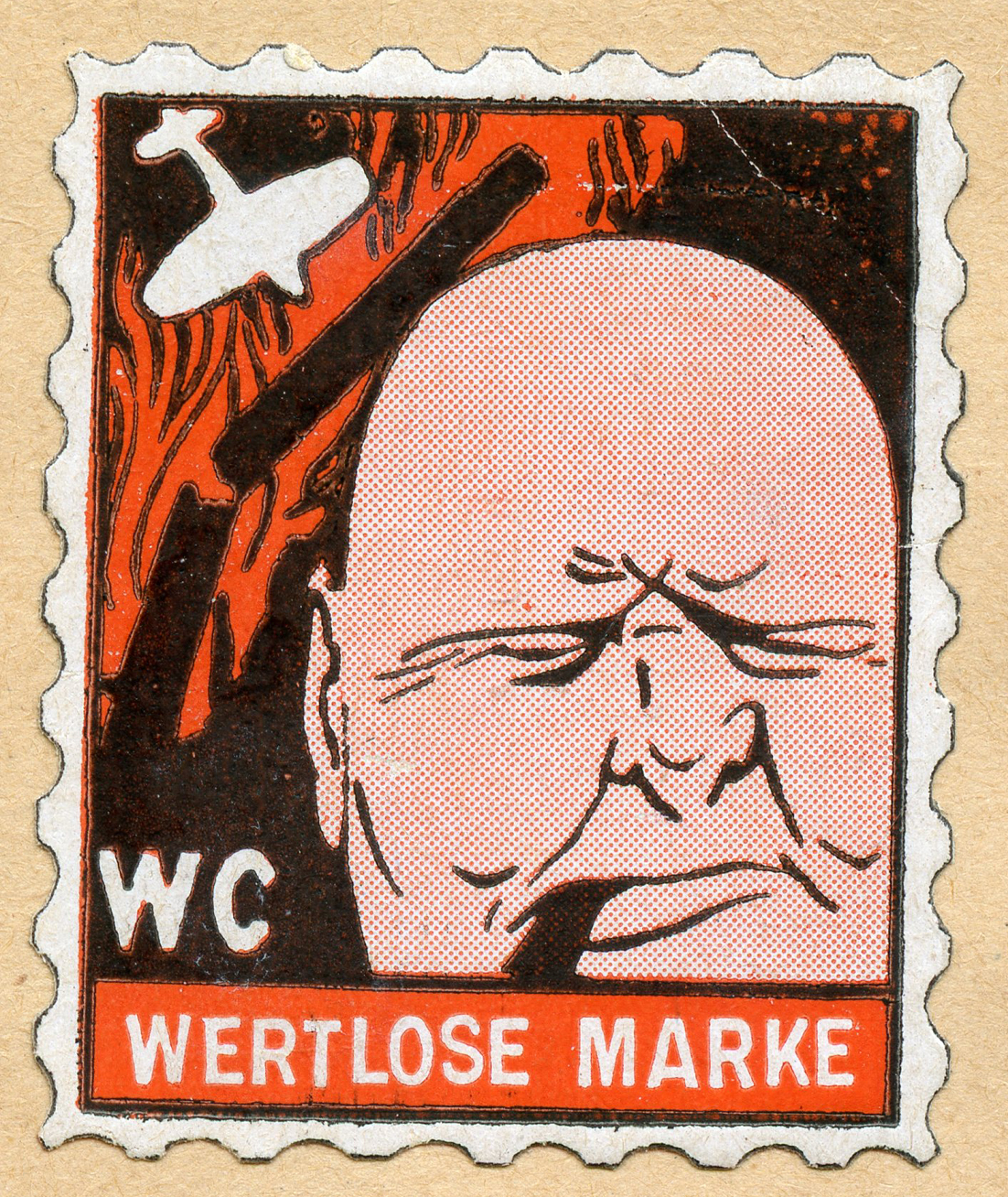
[Below: Now this one is strange and seems to be made by a different company. The printing is incredibly good, very solid-looking. It says 'Worthless stamp'. This postcard, unlike the two above, is pretty rare to find.]
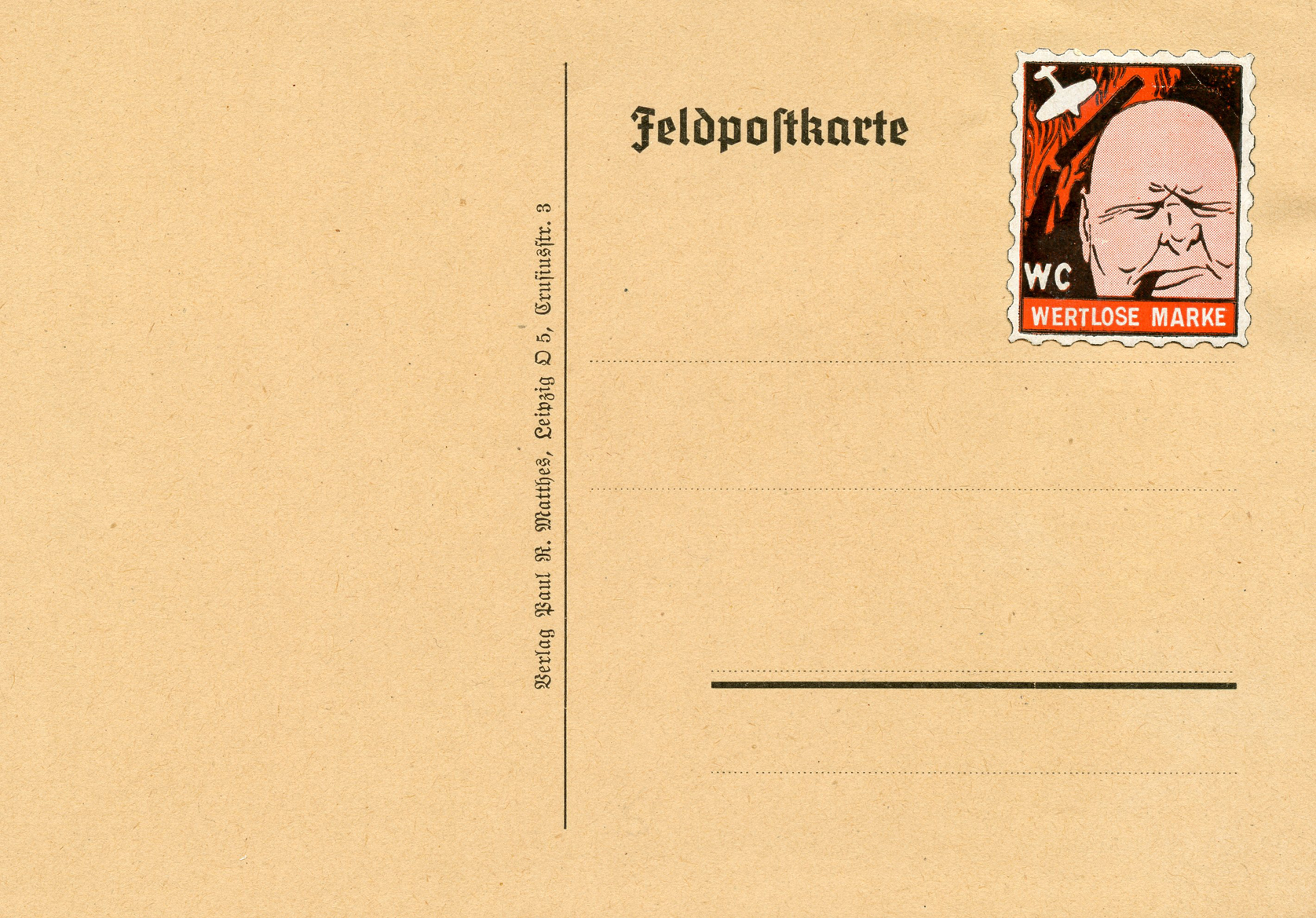
[Below: Close-up.]
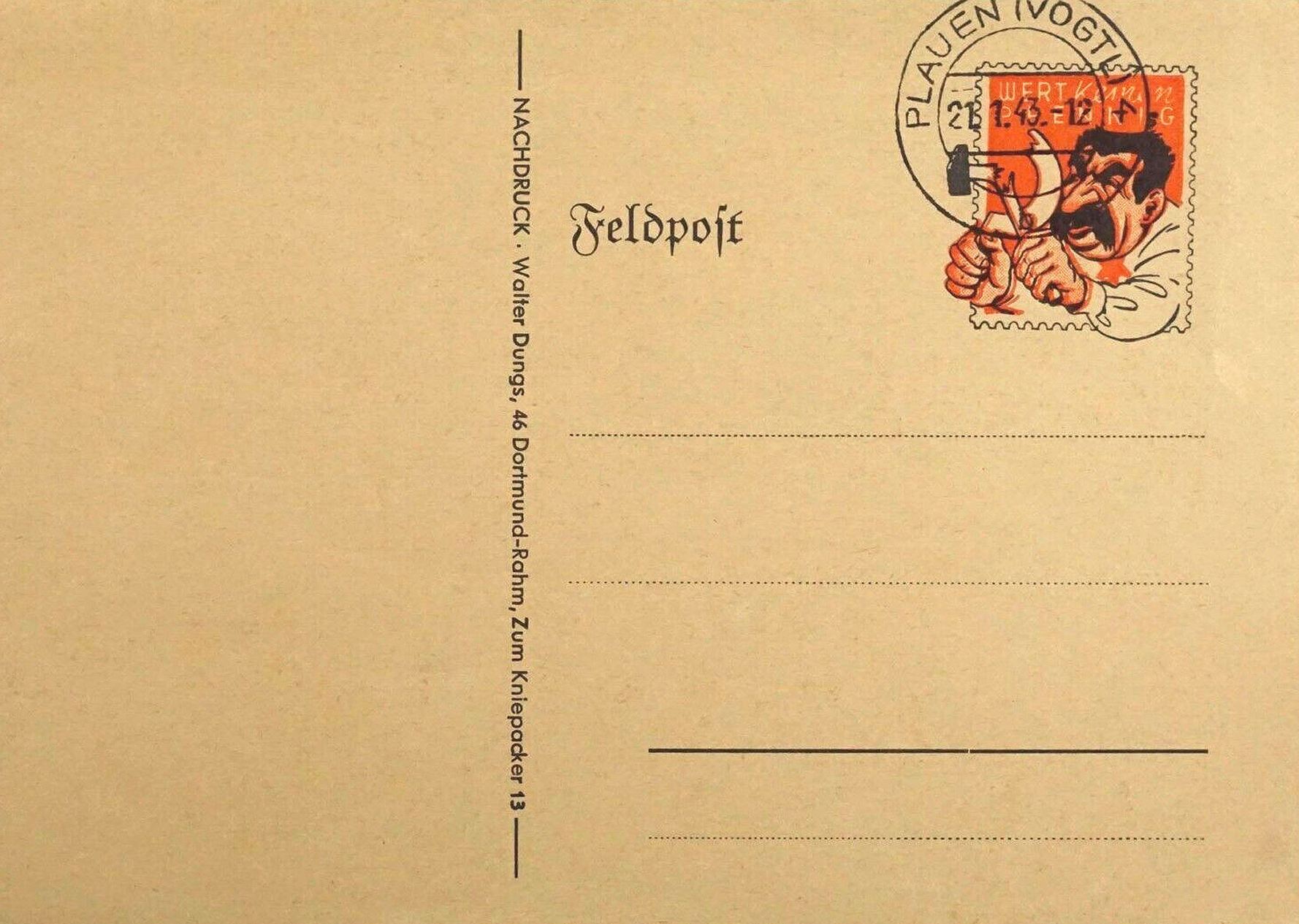
[Below: Stalin version, canceled on January 21, 1943 in Plauen, Germany.]
[Below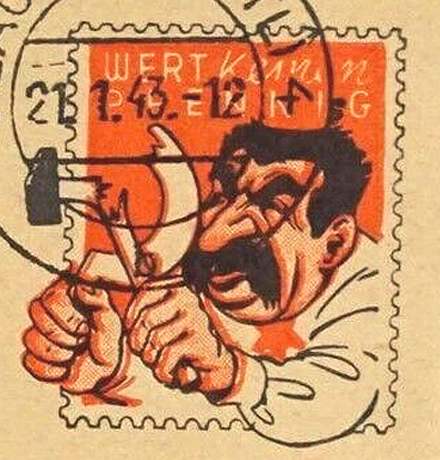
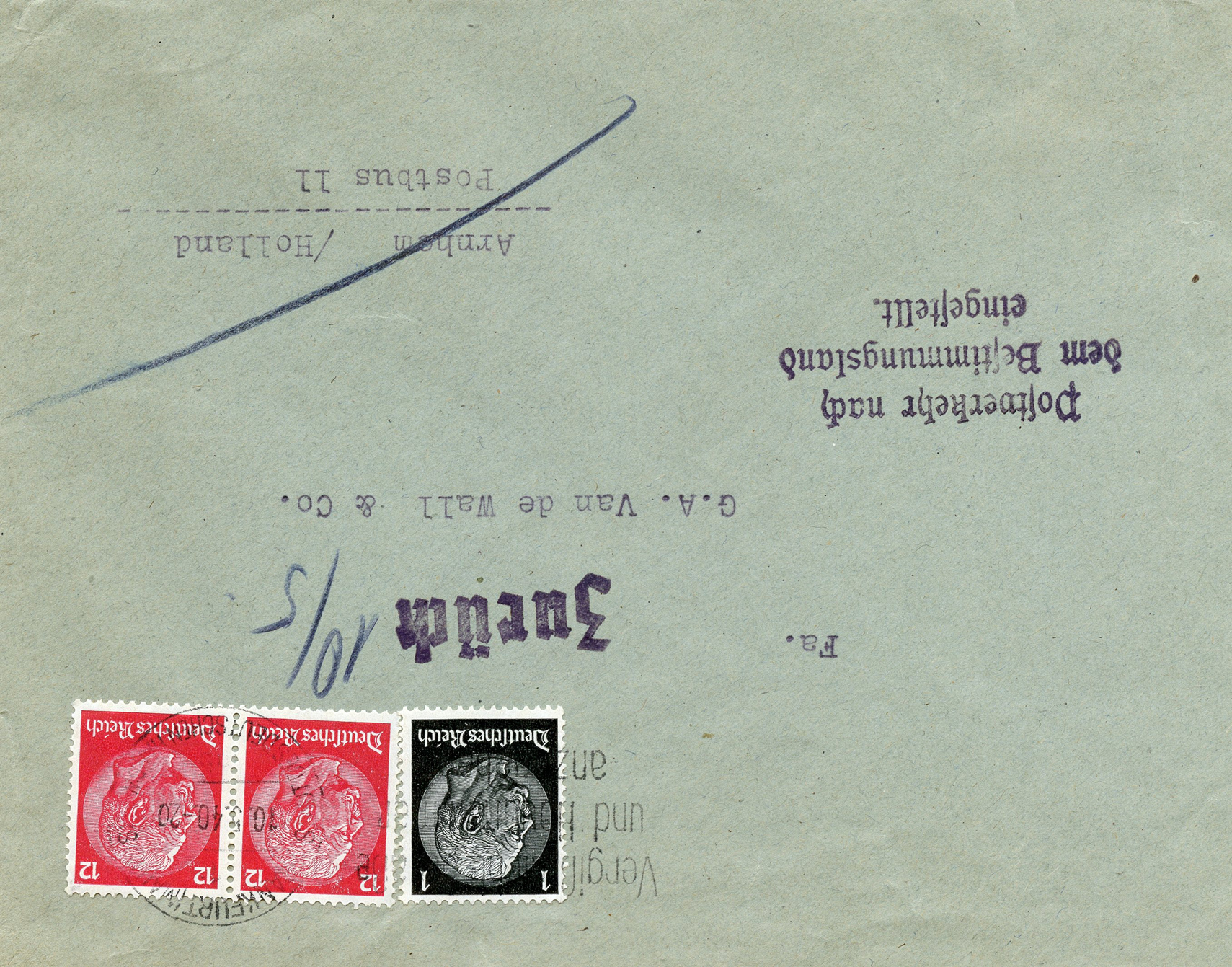
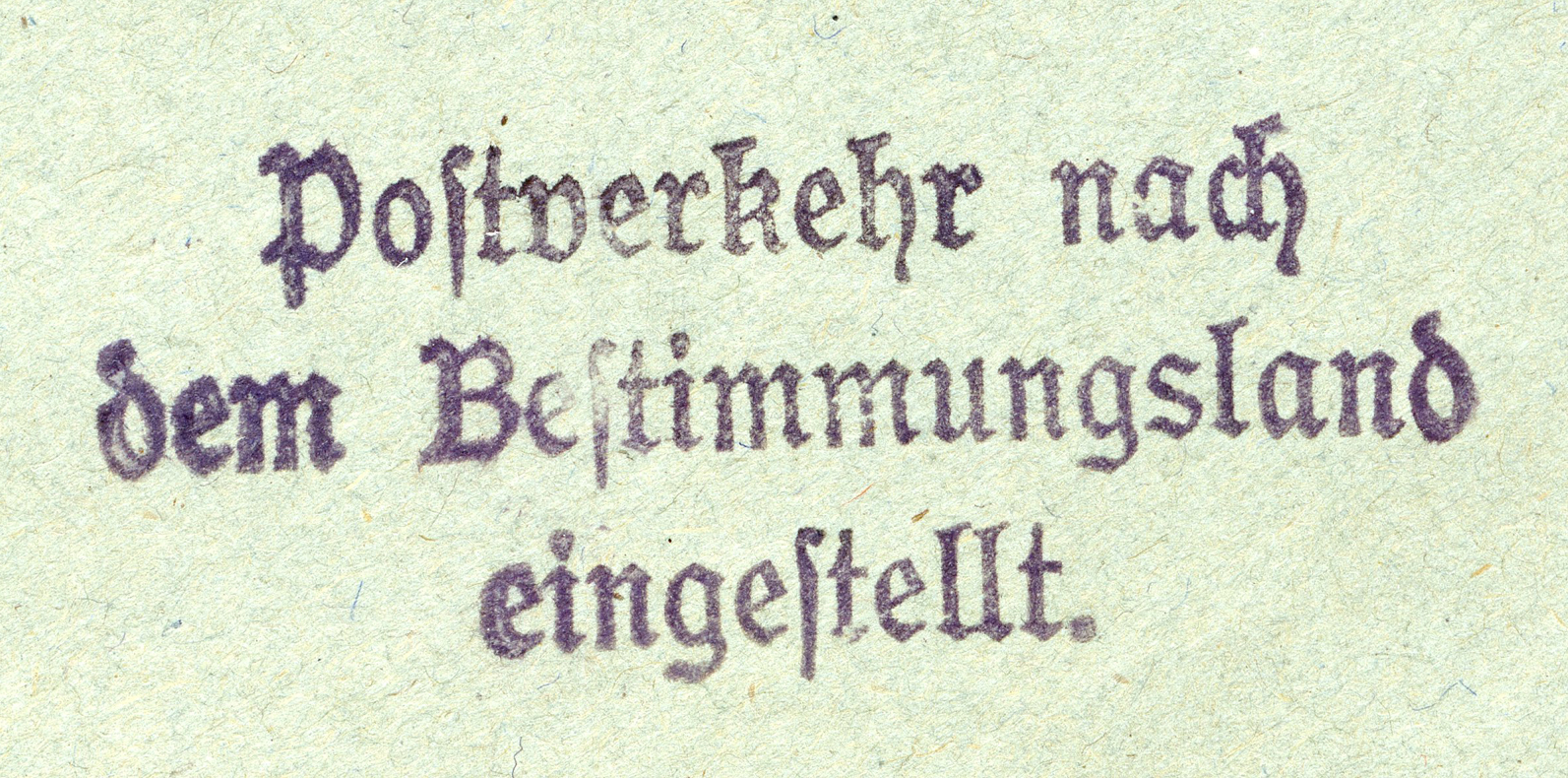
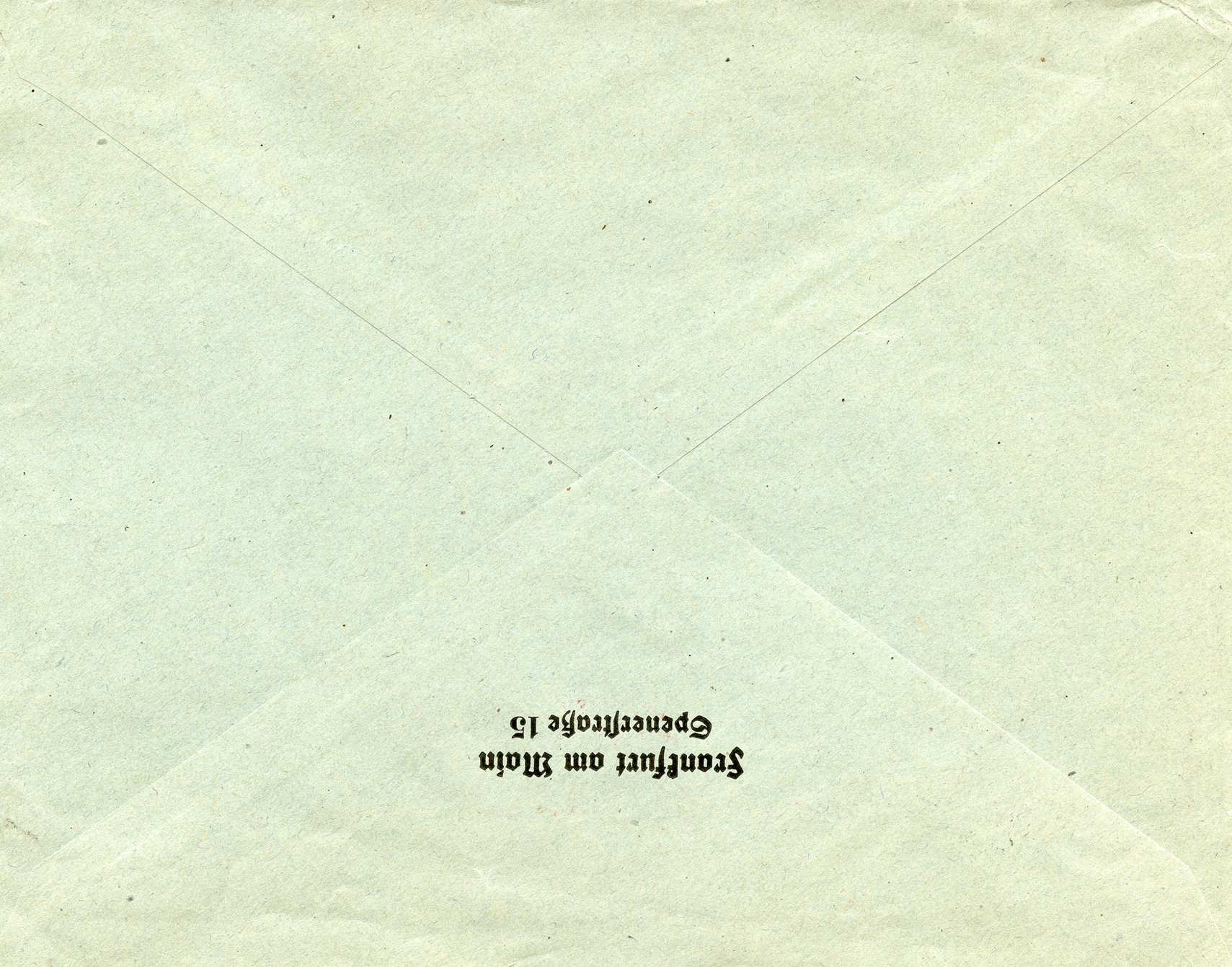
[Below: Now this is historic. Here is an envelope sent to Arnhem, Holland during the German invasion -- the Battle of the Netherlands began on May 10, 1940, the day this was postmarked. This was returned (Zurück) with an ink stamp saying 'Postverkehr nach dem Bestimmungsland eingestellt' (Mail to the destination country has been stopped). Incredibly neat to see this piece.]
[Below: Close-up.]
[Below: Reverse.]
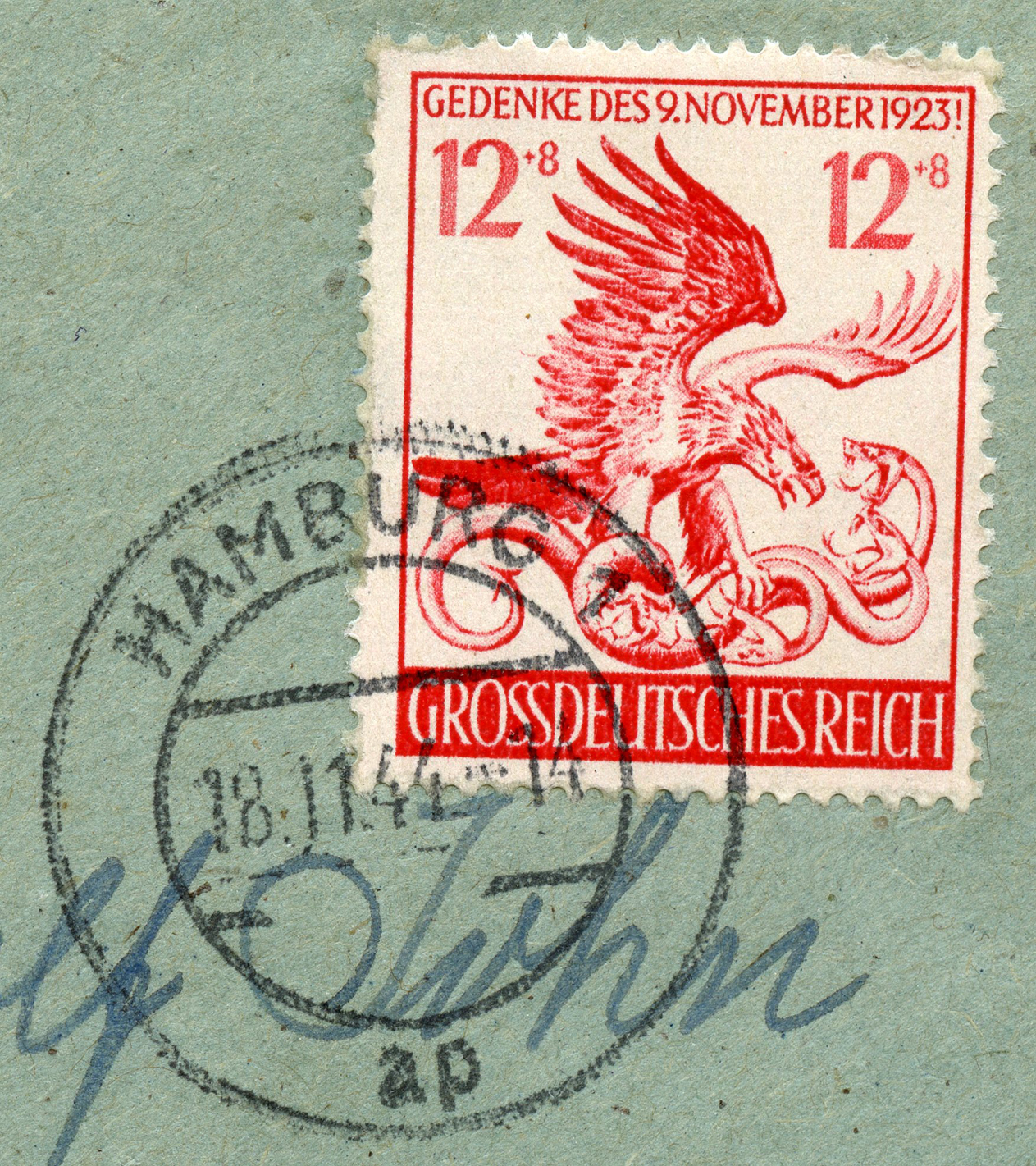
[Below: This was canceled late in the war, in Hamburg, which was largely burnt to the ground by the homicidal Allies, on November 18, 1944. The postage stamp honored the martyrs of the November 9, 1923 Putsch.]
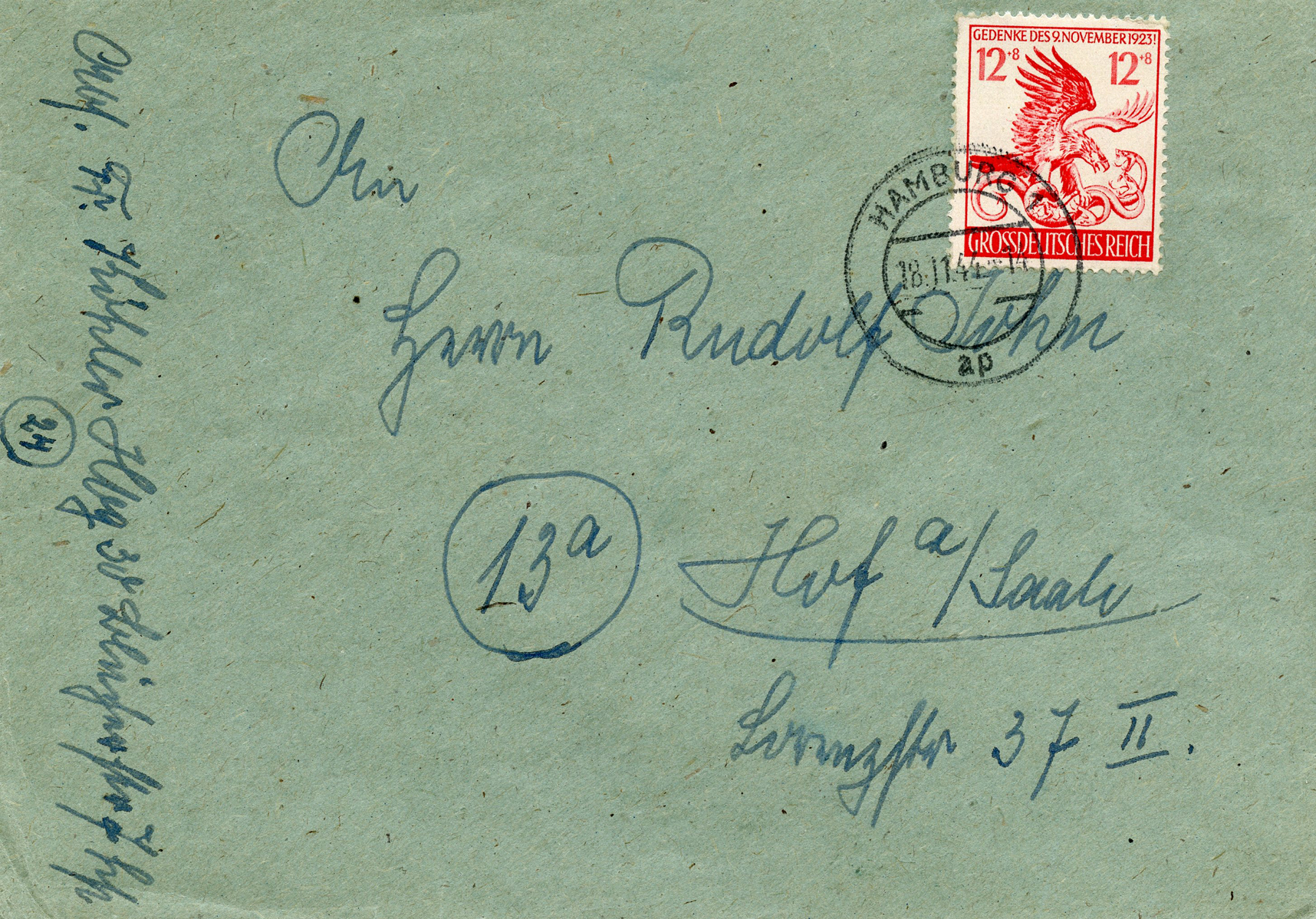
[Below: Close-up.]
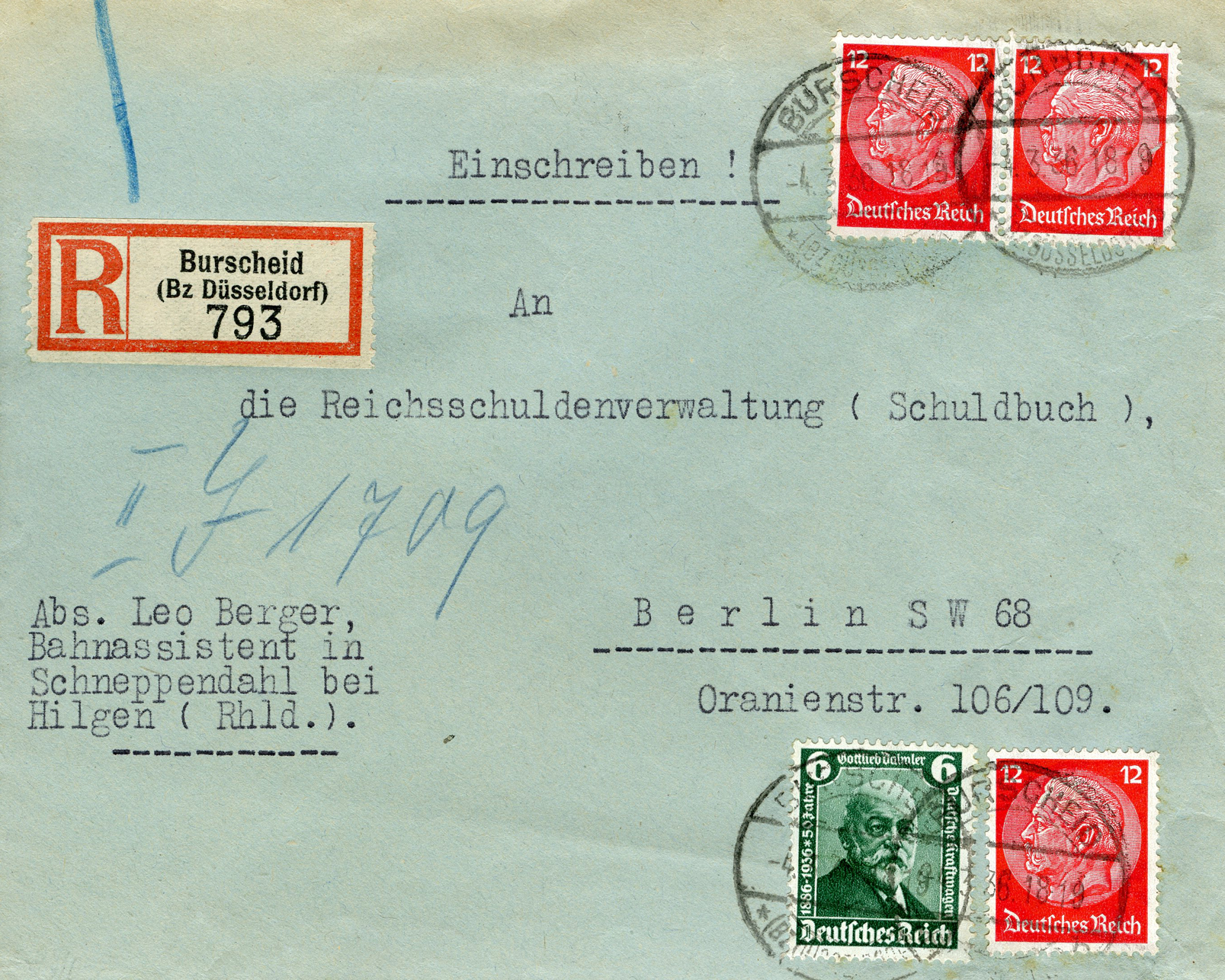
[Below: This was sent to the 'die Reichsschuldenverwaltung (Schuldbuch)' (The Reich Debt Administration (Debt Register)). This government entity was responsible for managing German state debt from 1900 until 1946. Most of its files were destroyed during WWII. This was sent registered and postmarked in Burscheid on March 4, 1936.]
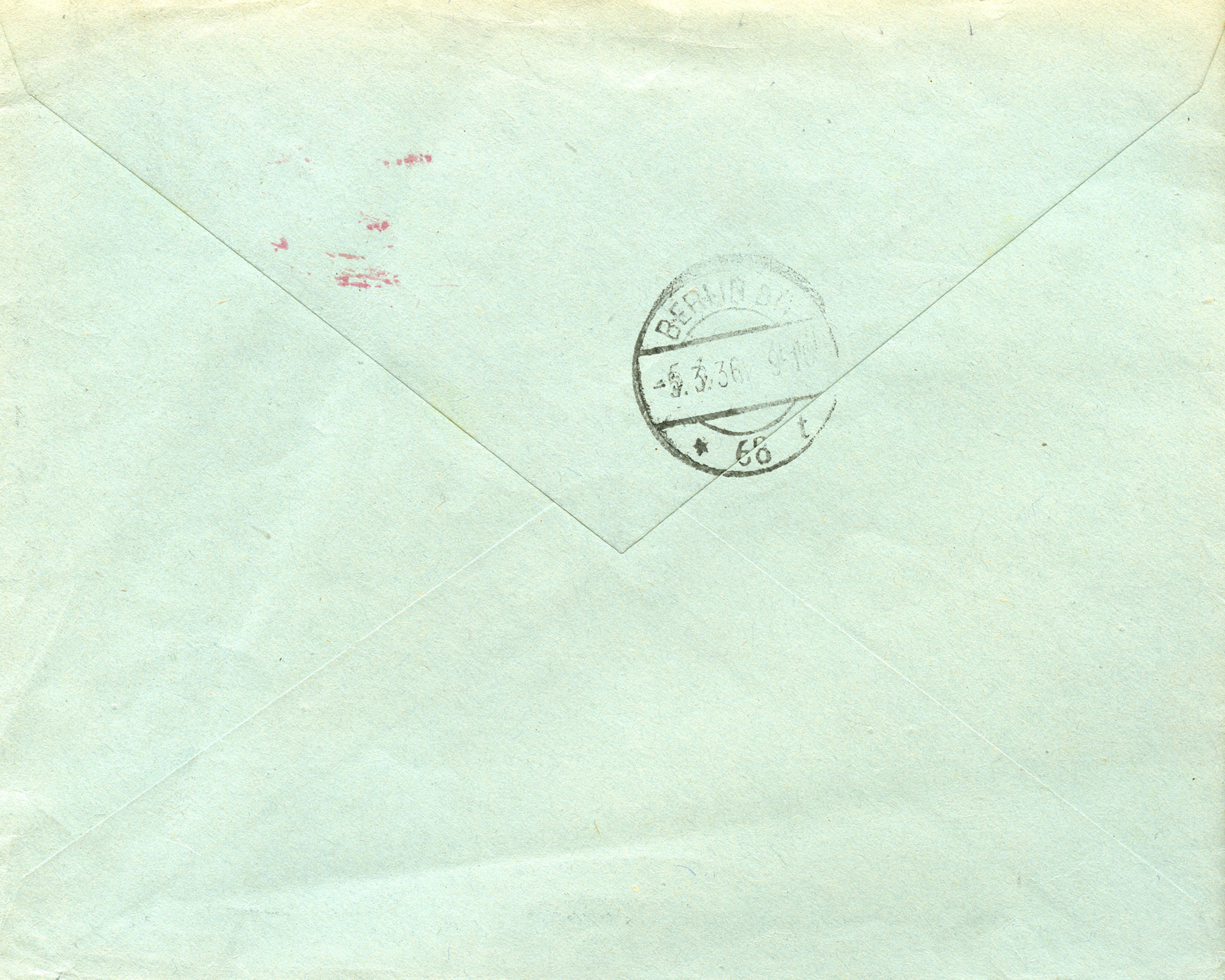
[Below: It arrived in Berlin on March 5, 1936, just one day after being sent.]
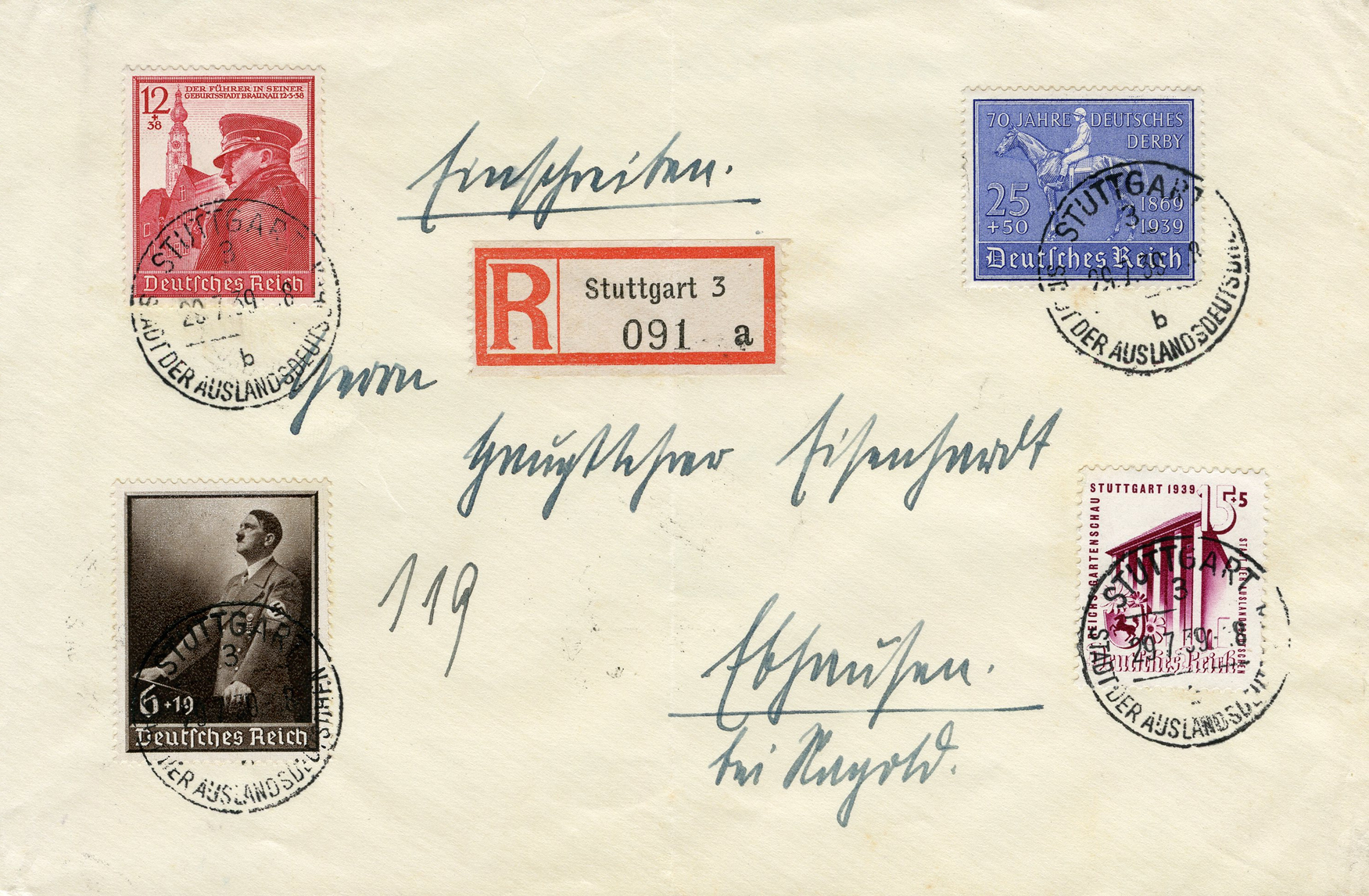
[Below: This envelope, with an interesting assortment of postage stamps used, was sent registered and postmarked in Stuttgart on July 29, 1939.]
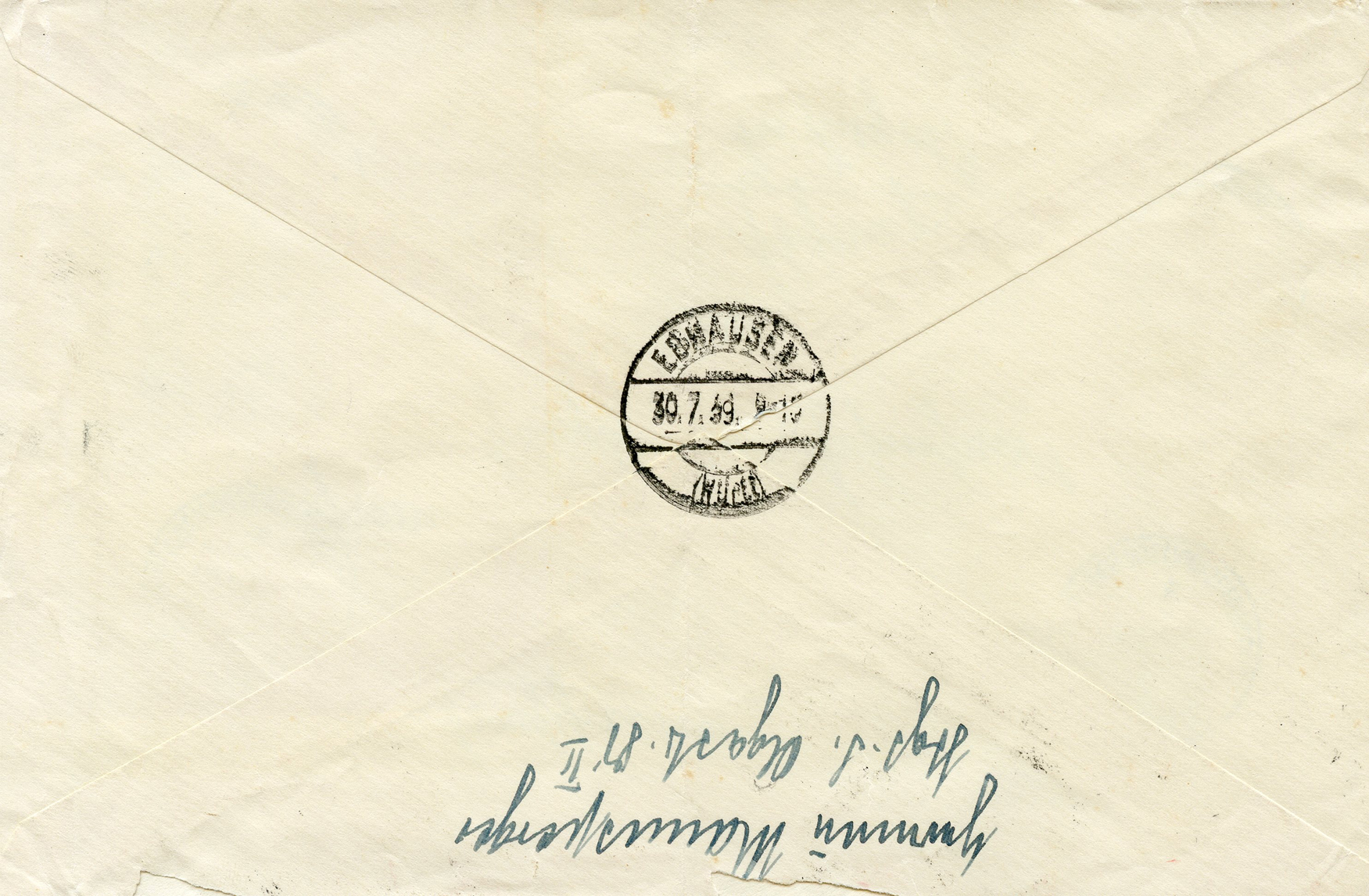
[Below: It arrived the next day on July 30, 1939.]
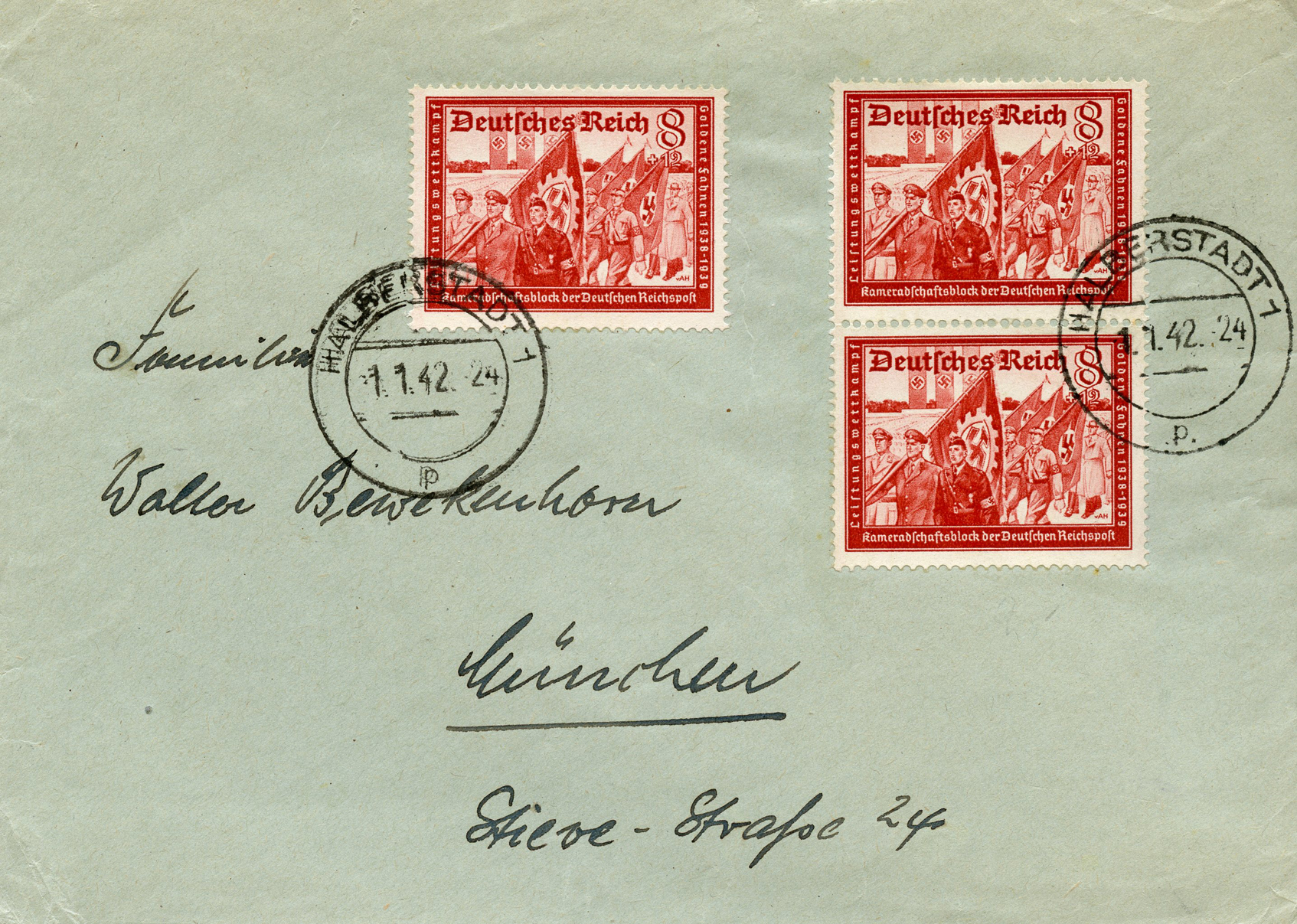
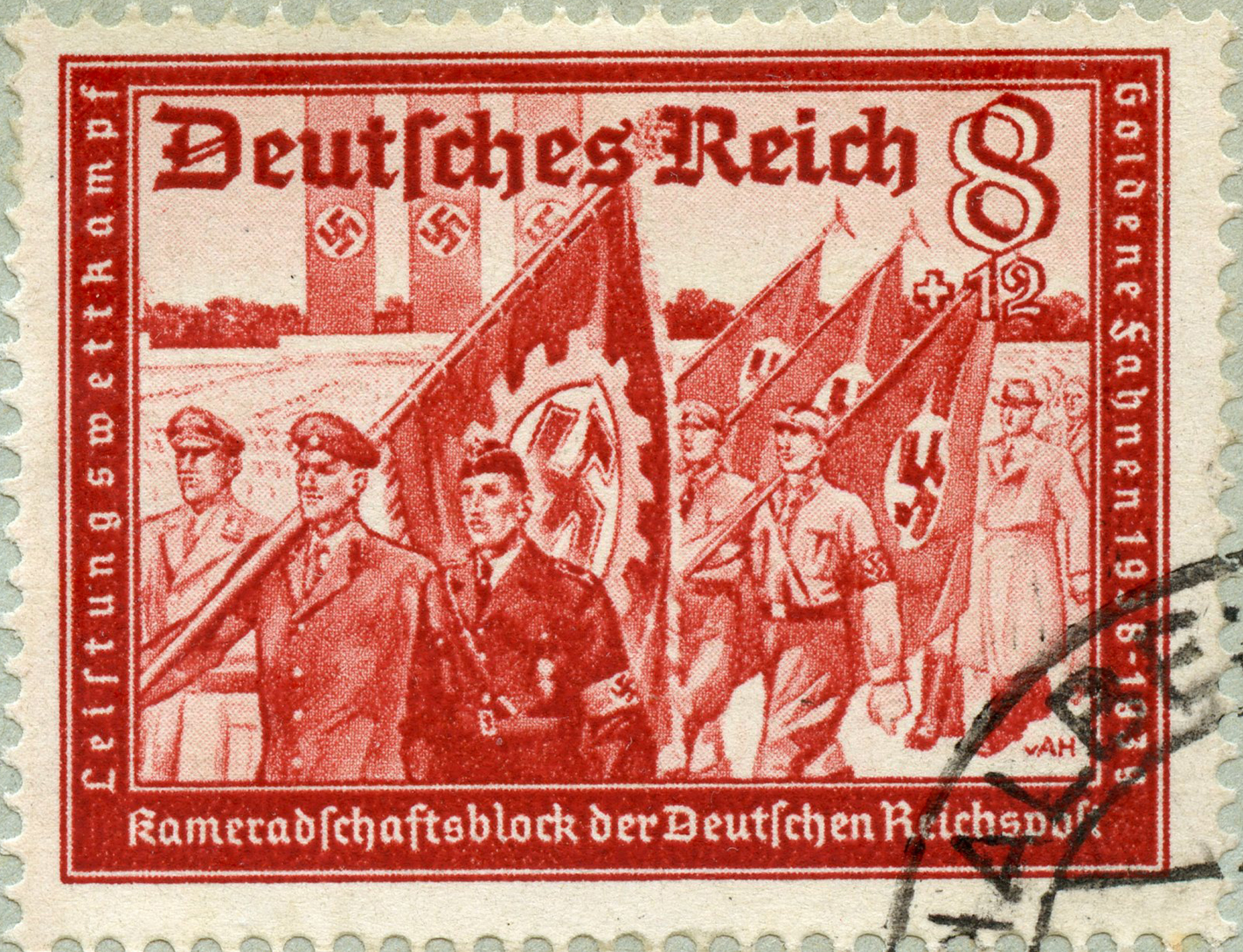
[Below: This was sent to Munich from Halberstadt on New Year's Day. I love this postage stamp, it is so detailed.]
[Below: Close-up.]
[Below: Reverse.]
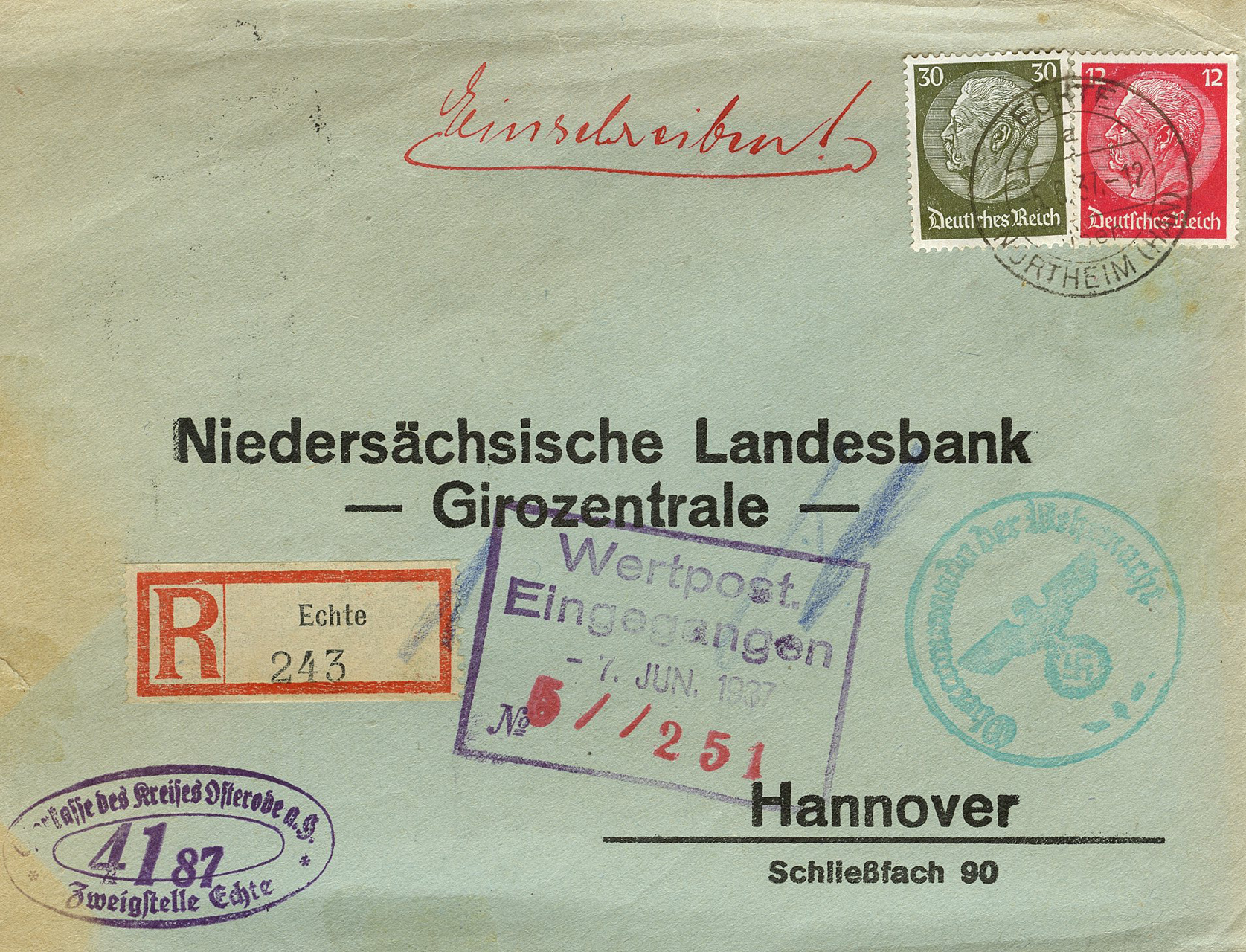
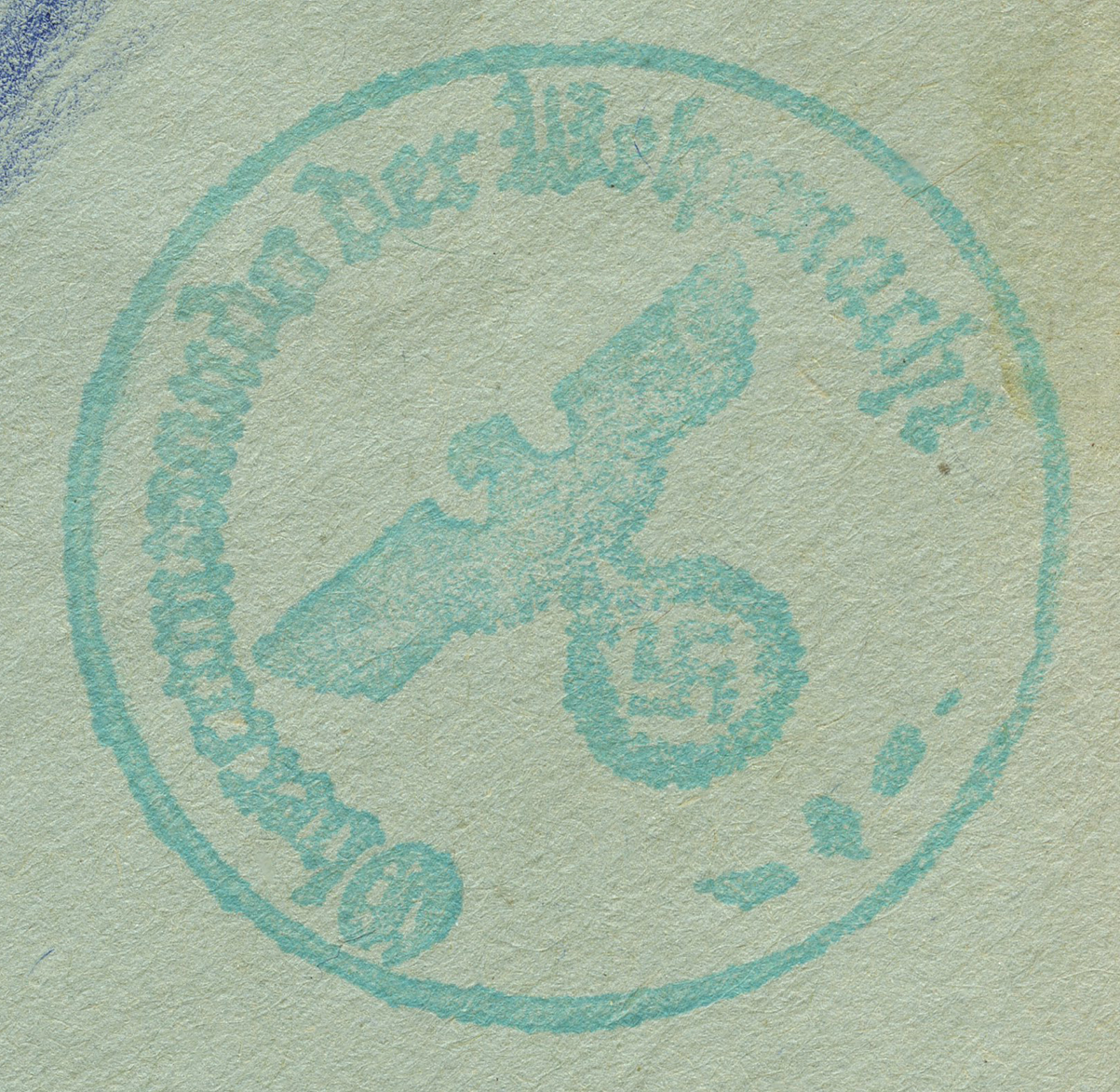
[Below: This was sent registered to the 'Niedersächsische Landesbank - Girozentrale -' (Lower Saxony State Bank – Central Giro Institution). A giro is a credit transfer system used in Europe and Asia to move money directly between bank accounts. This was sent from a branch office in Echte (lower left-hand corner), a village in the district of Northeim in northern Germany with about 1,380 inhabitants (currently). It was postmarked on June 5, 1937. 'Wertpost Eingegangen' means 'valuable mail received' and is dated June 7th (this was done inhouse within the bank, not postally). Lastly, the green ink stamp in the lower right-hand corner says 'Obercommando der Wehrmacht' which means 'Supreme Command of the Wehrmacht'. This is a censor stamp, but why it was censored at all two years before the war is the question, not to mention why the Wehrmacht even dealt with this piece of mail at all?]
[Below: Close-up.]
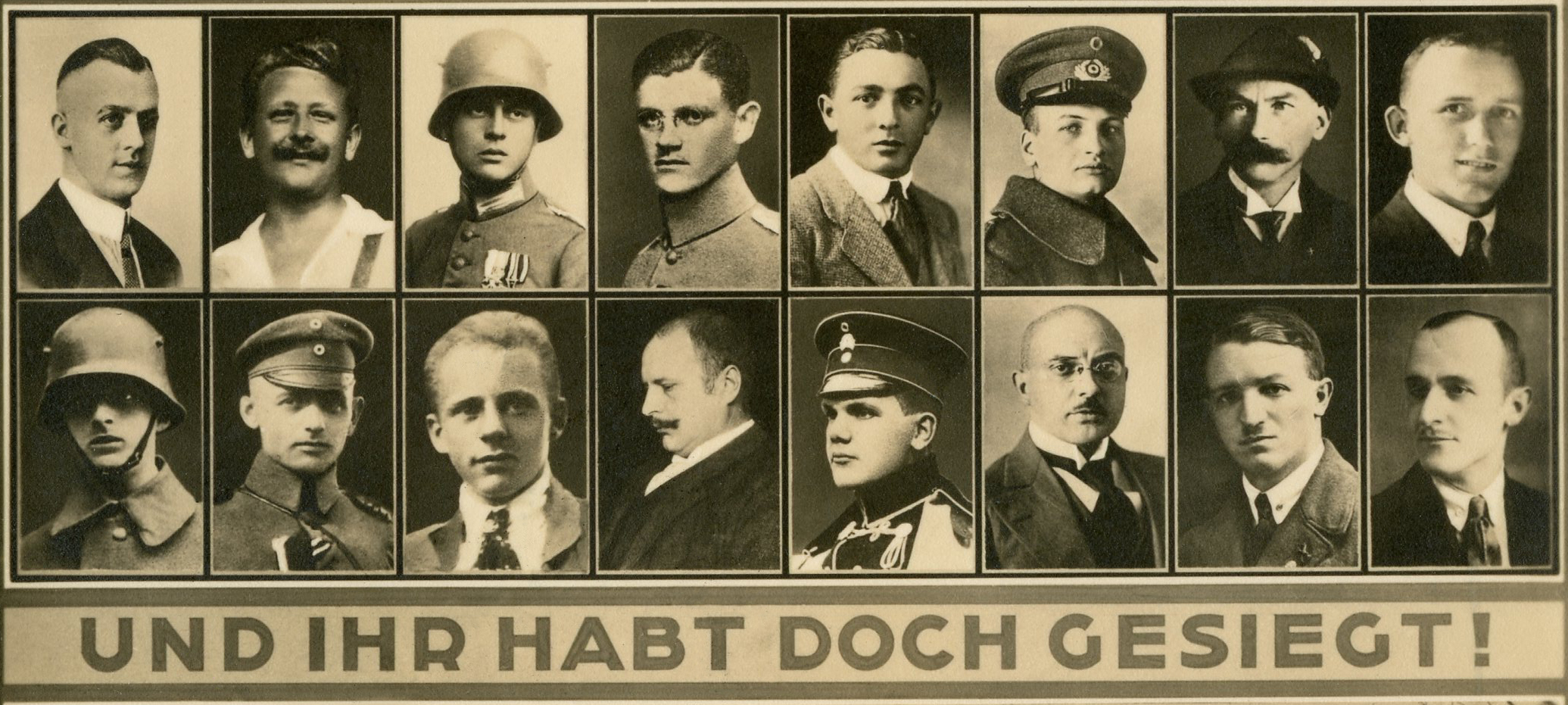
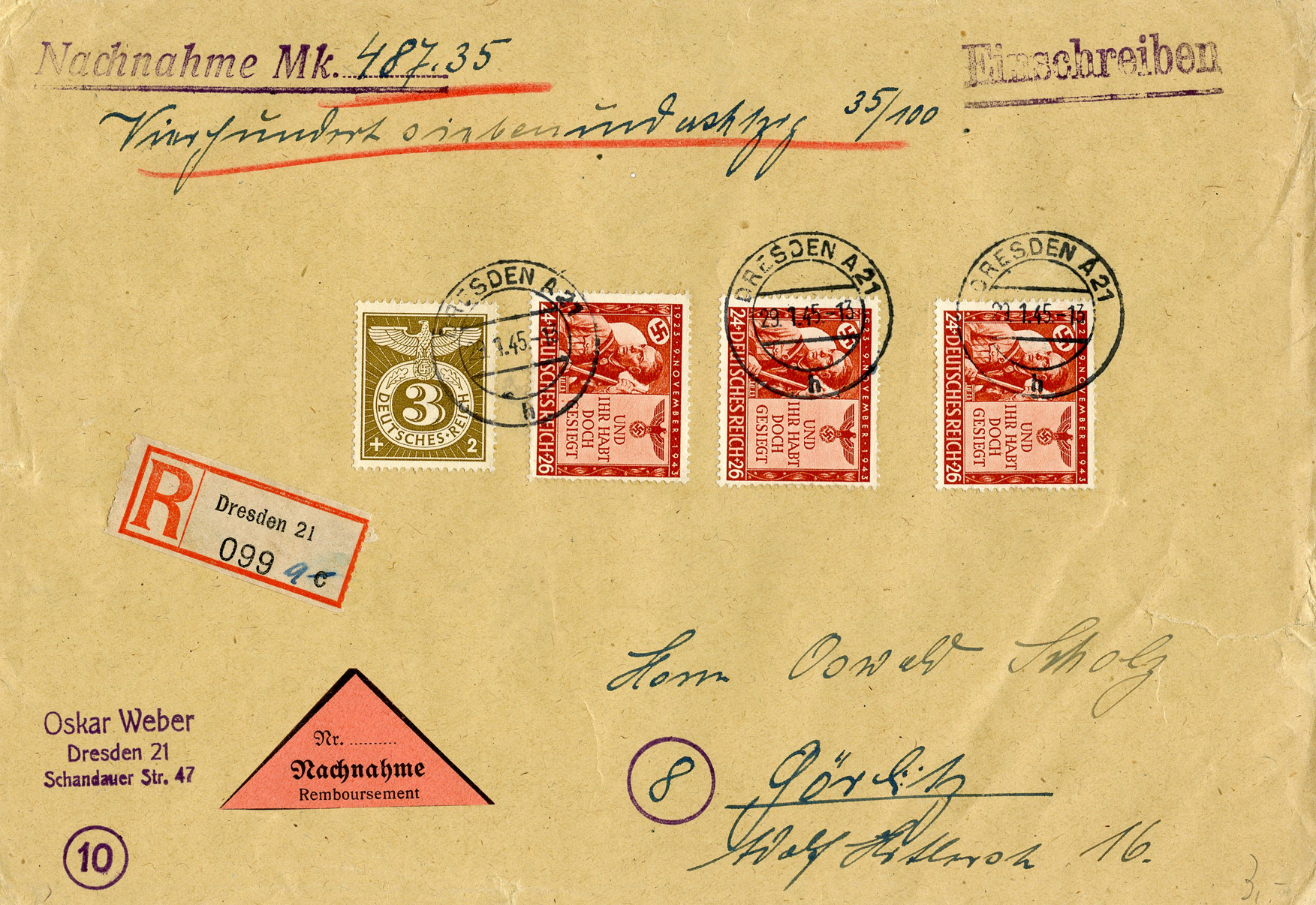
[Below: This was sent registered and 'nachnahme' (cash on delivery, for 487.35 marks) from Dresden to Adolf Hitler Street in Görlitz, postmarked very late in the war on January 29, 1945. This has three of my favorite stamps showing an early National Socialist fighter with the slogan 'Und Ihr Habt Doch Gesiegt' (And Despite All You Were Victorious).]
[Below: Close-up.]
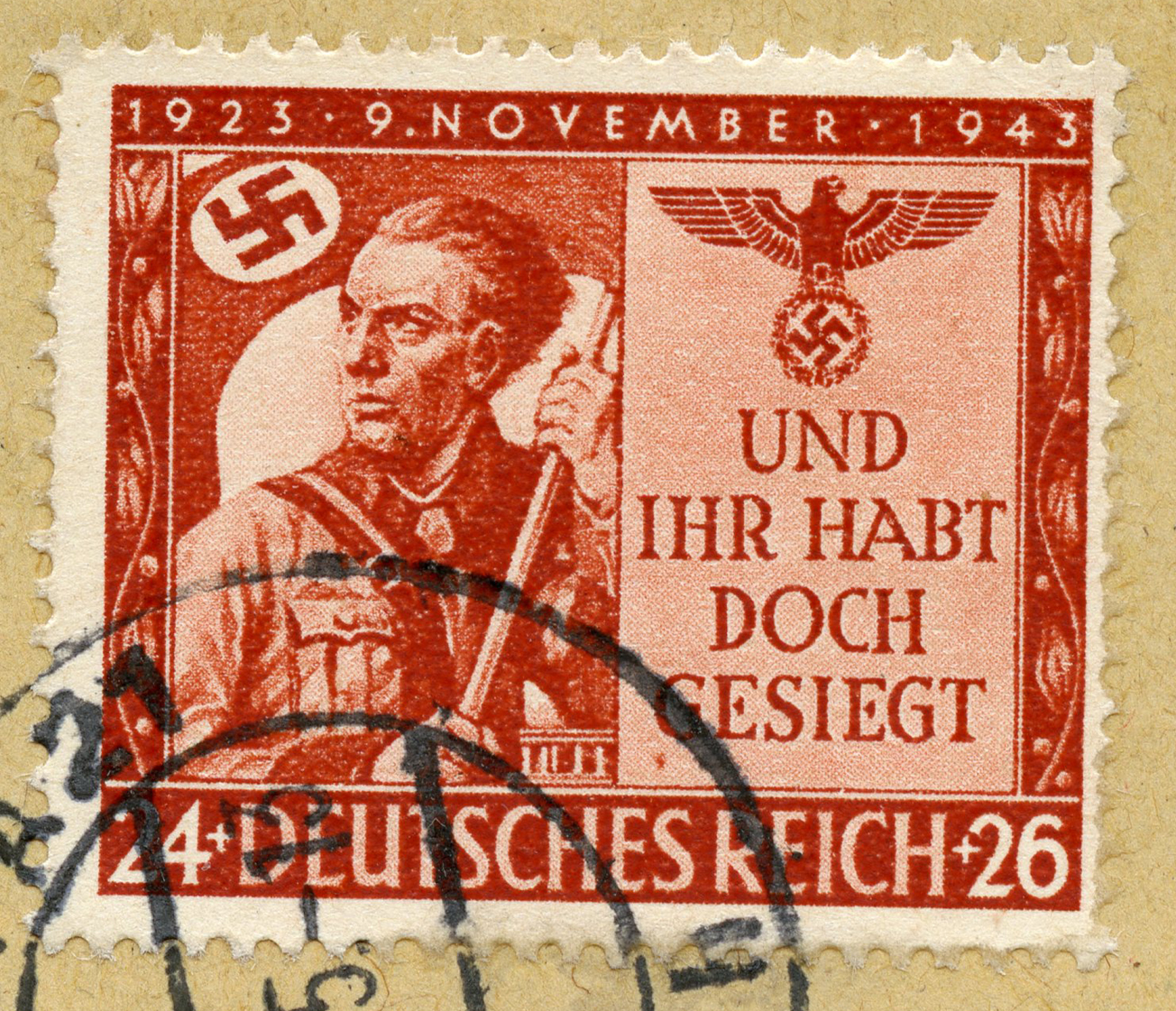
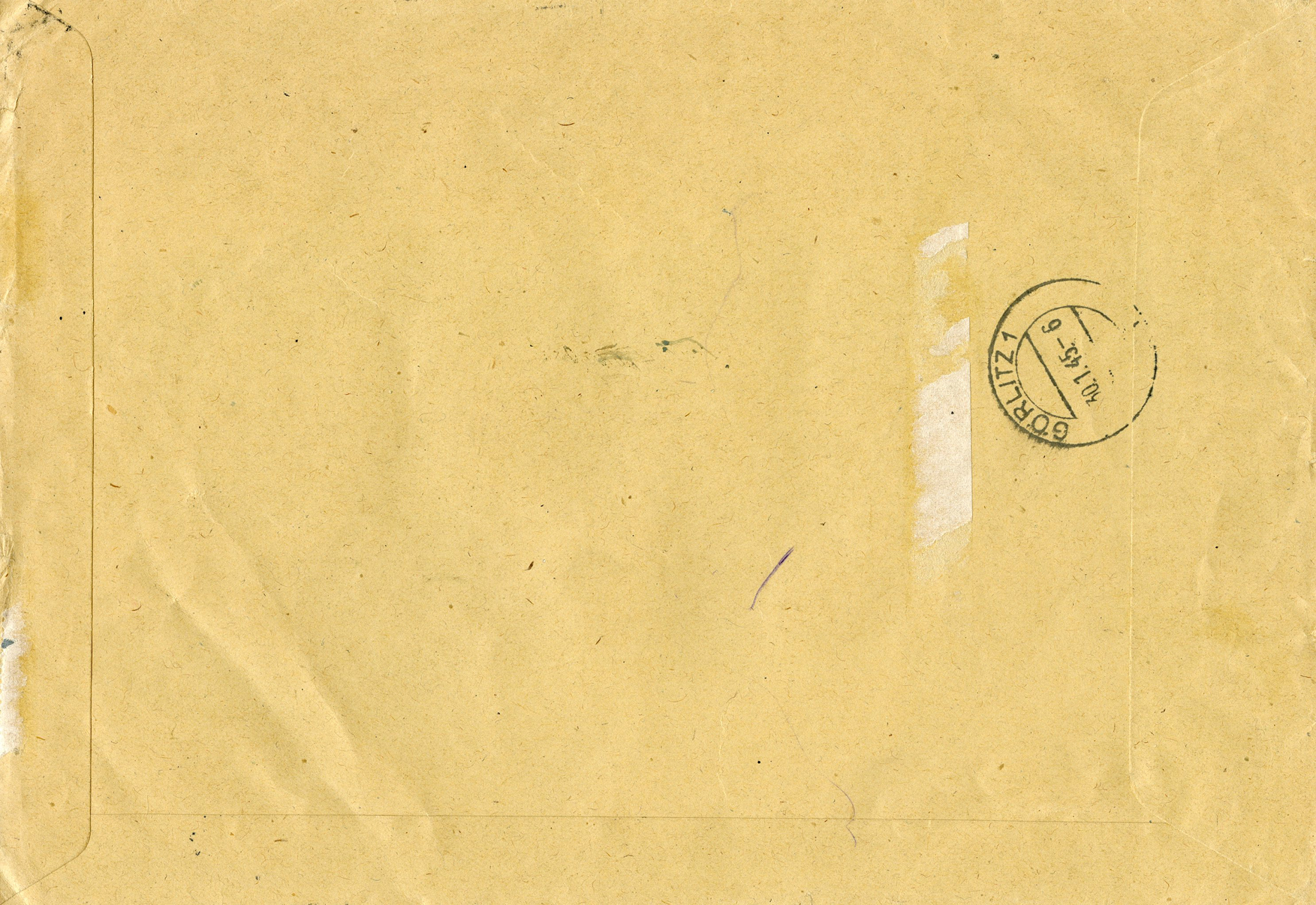
[Below: Görlitz receival stamp the next day on January 30, 1945.]
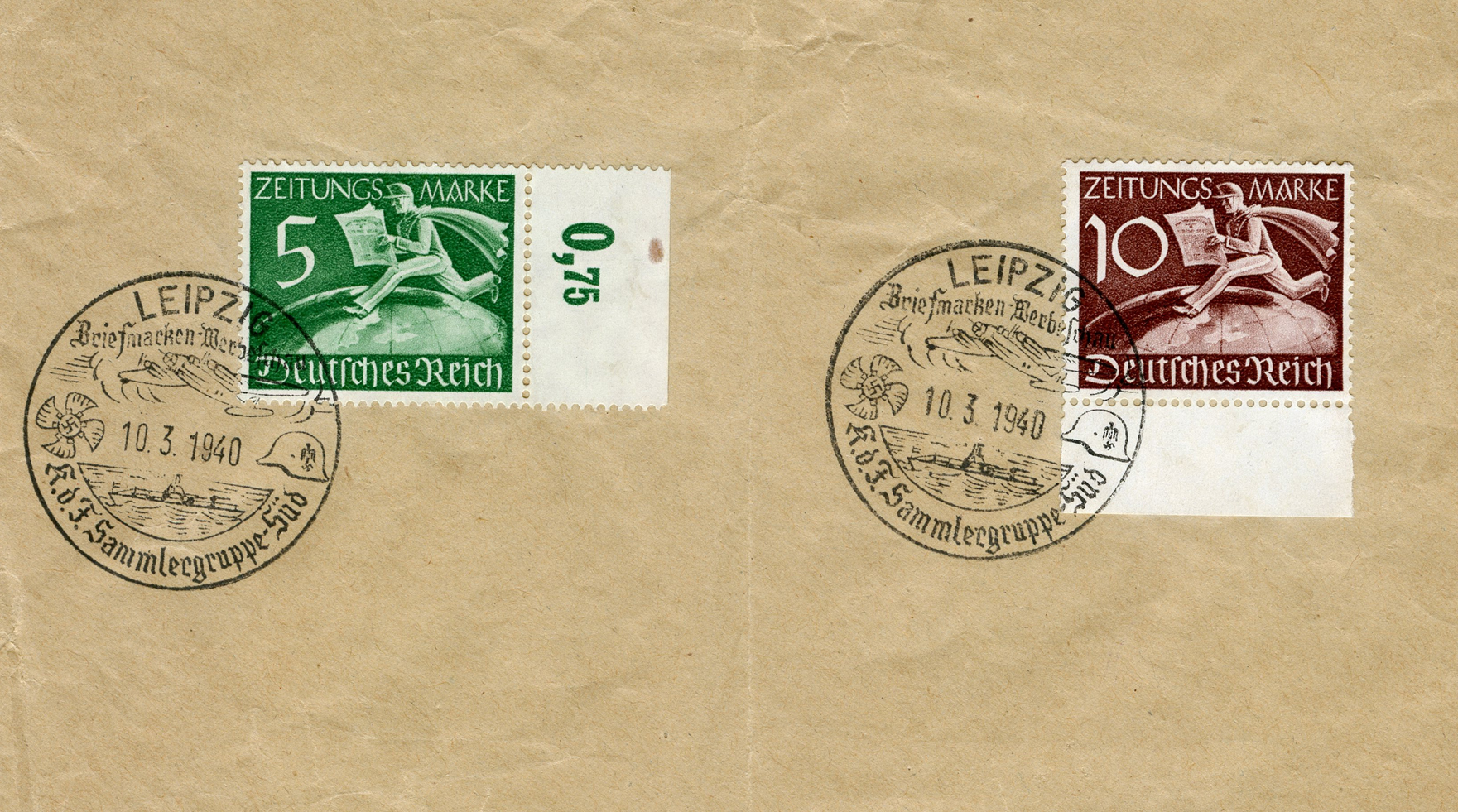
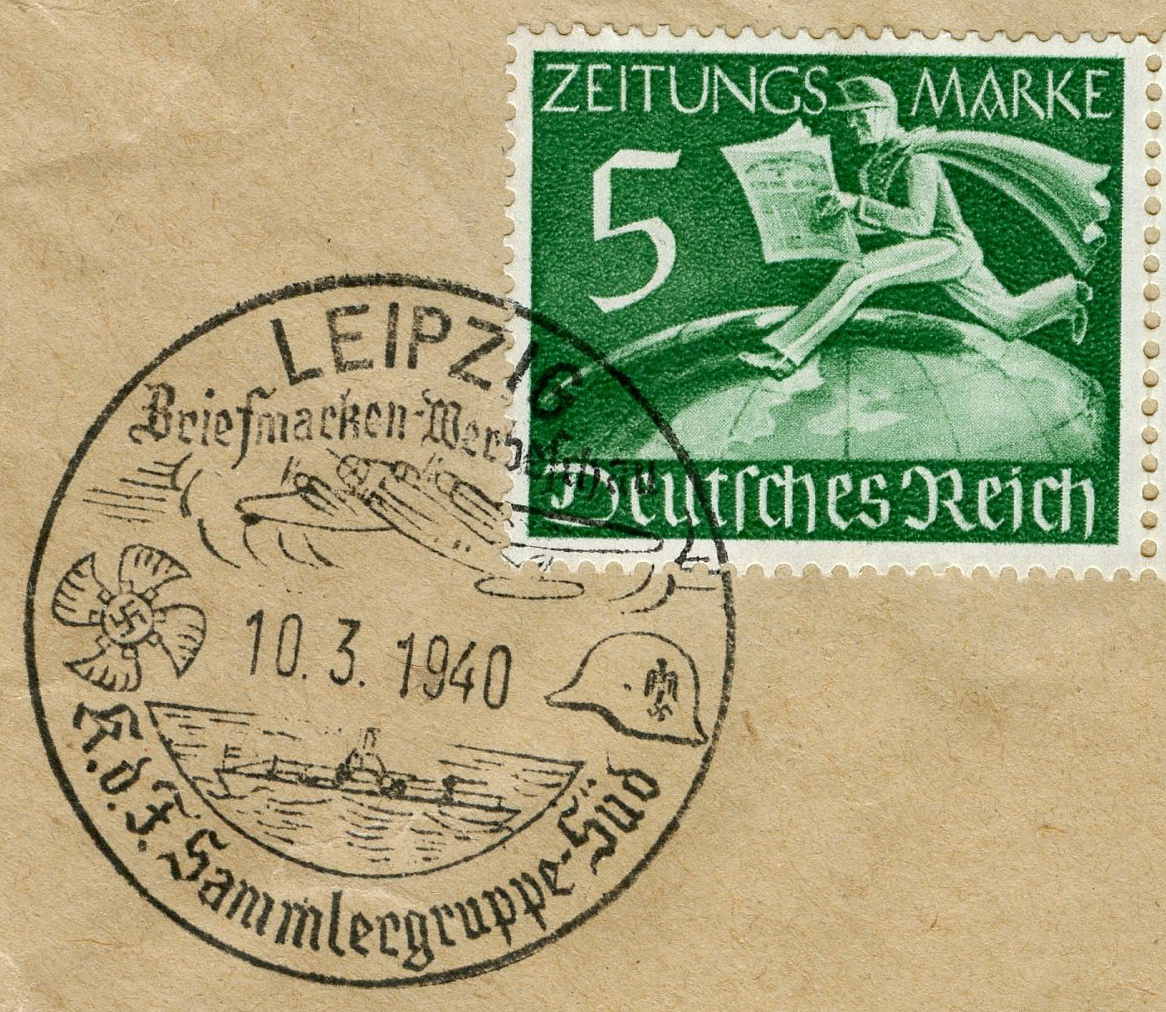
[Below: This was favor canceled (it was never sent, but a postal employee canceled it) with Leipzig Strength Through Joy cancels, dated March 10, 1940, using special stamps intended for mailing newspapers. This sort of thing was done by a stamp collector, purposefully created as an oddity.]
[Below: Close-up. I've never seen this cancel before...]
[Below: This was sent registered from Halle (Saale), in the south of Saxony-Anhalt, in the Leipzig Bay, to Nantes, France, postmarked on February 21, 1943. Nothing really interesting here, let's look on the reverse.]
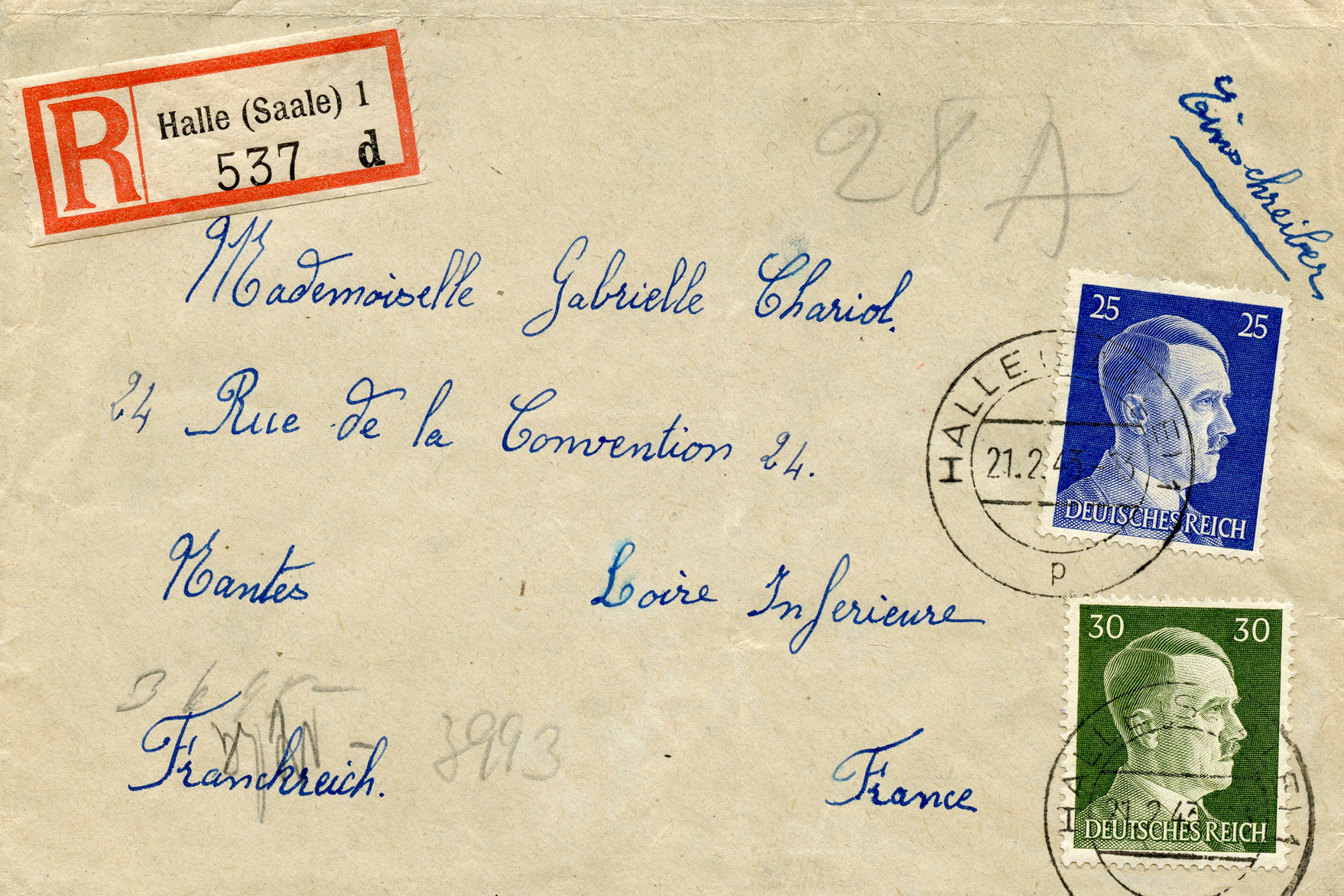
[Below: This was sent from a seldom seen address 'gemeinschafts Lager der D.A.F.' (D.A.F. Community Camp), 'D.A.F. standing for 'The Deutsche Arbeitsfront, or German Labor Front', in Halle (Saale). En route it was censored, showing the usual censor tape and two different censors' numbers (one partially hidden beneath the tape in the left-hand corner, and the other '896' and an inverted '3'...). For whatever reason, it is rare to find a piece from a D.A.F. camp like this.]
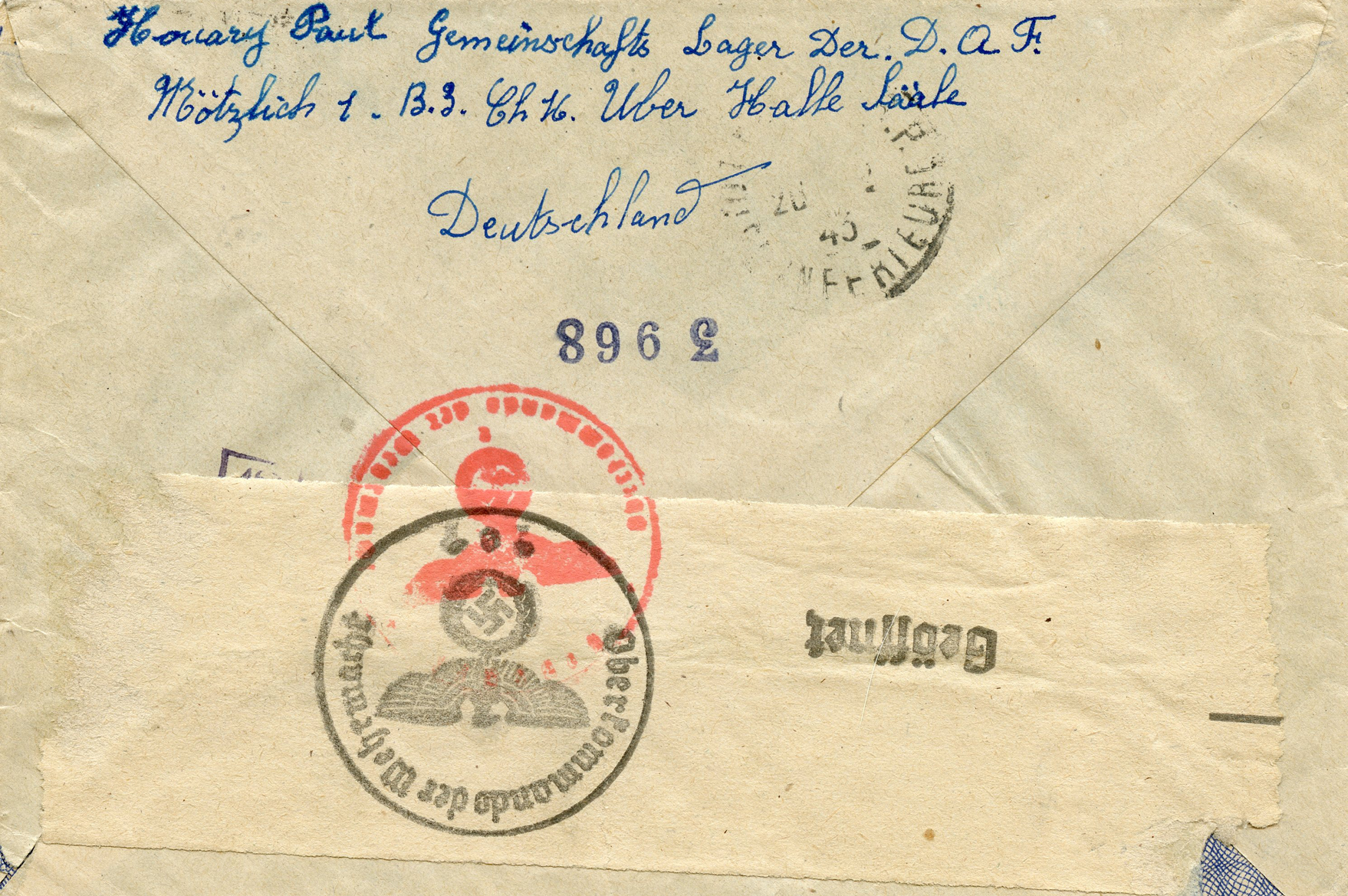
[Below: Close-up of address.]

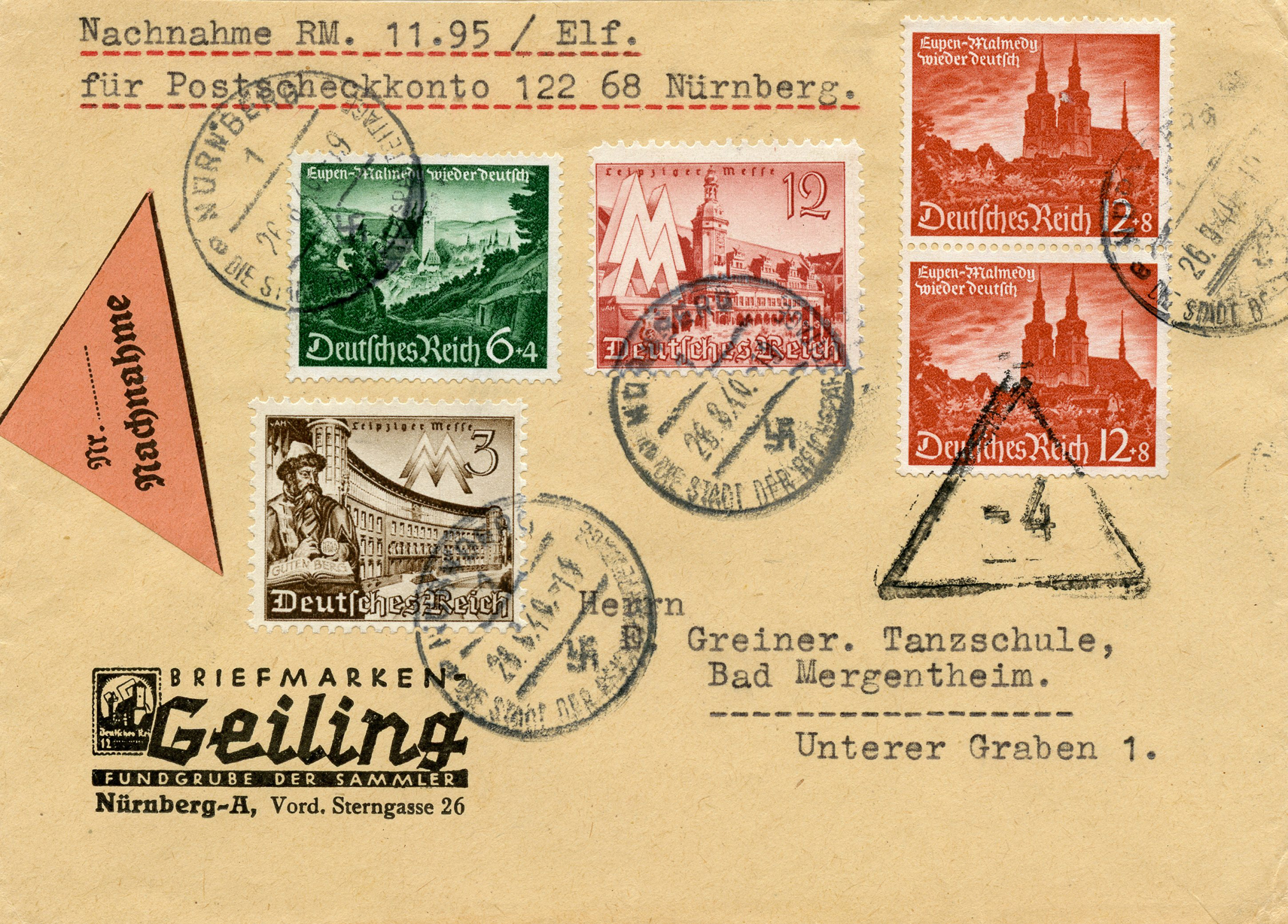
[Below: This was sent cash on demand 'für Postscheckkonto' (for postal checking account), for 122.68 marks. It was postmarked in Nuremberg on March 26, 1940 to the spa town of Bad Mergentheim, in Baden-Württemberg. In the lower left-hand corner is the sender's address with a picture of a Third Reich postage stamp released on September 1, 1934 honoring the Nuremburg Party Rally.]
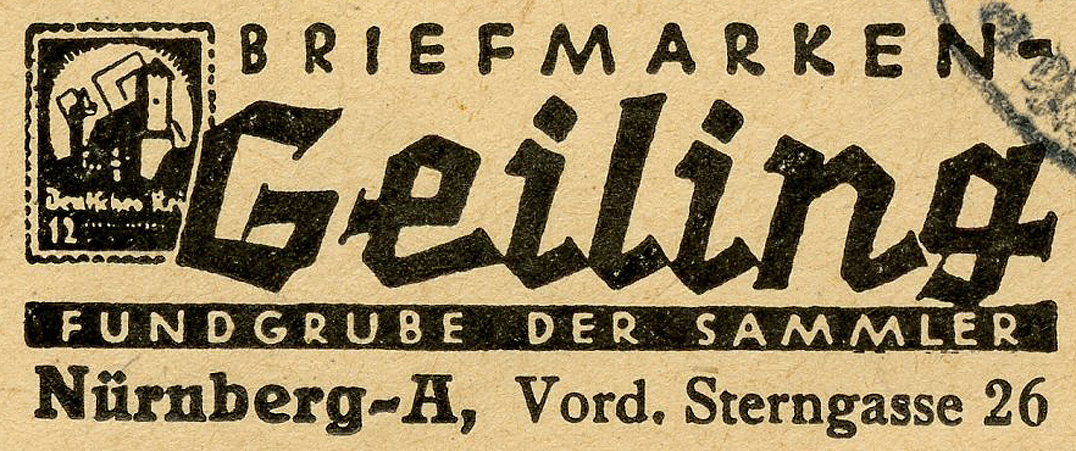
[Below: Close-up. If you can't tell, this shows a glowing swastika rising from behind a building. It says 'Briefmarken Geiling Fundgrube der Sammler' (Geiling Stamps: A Collector's Treasure Trove).]
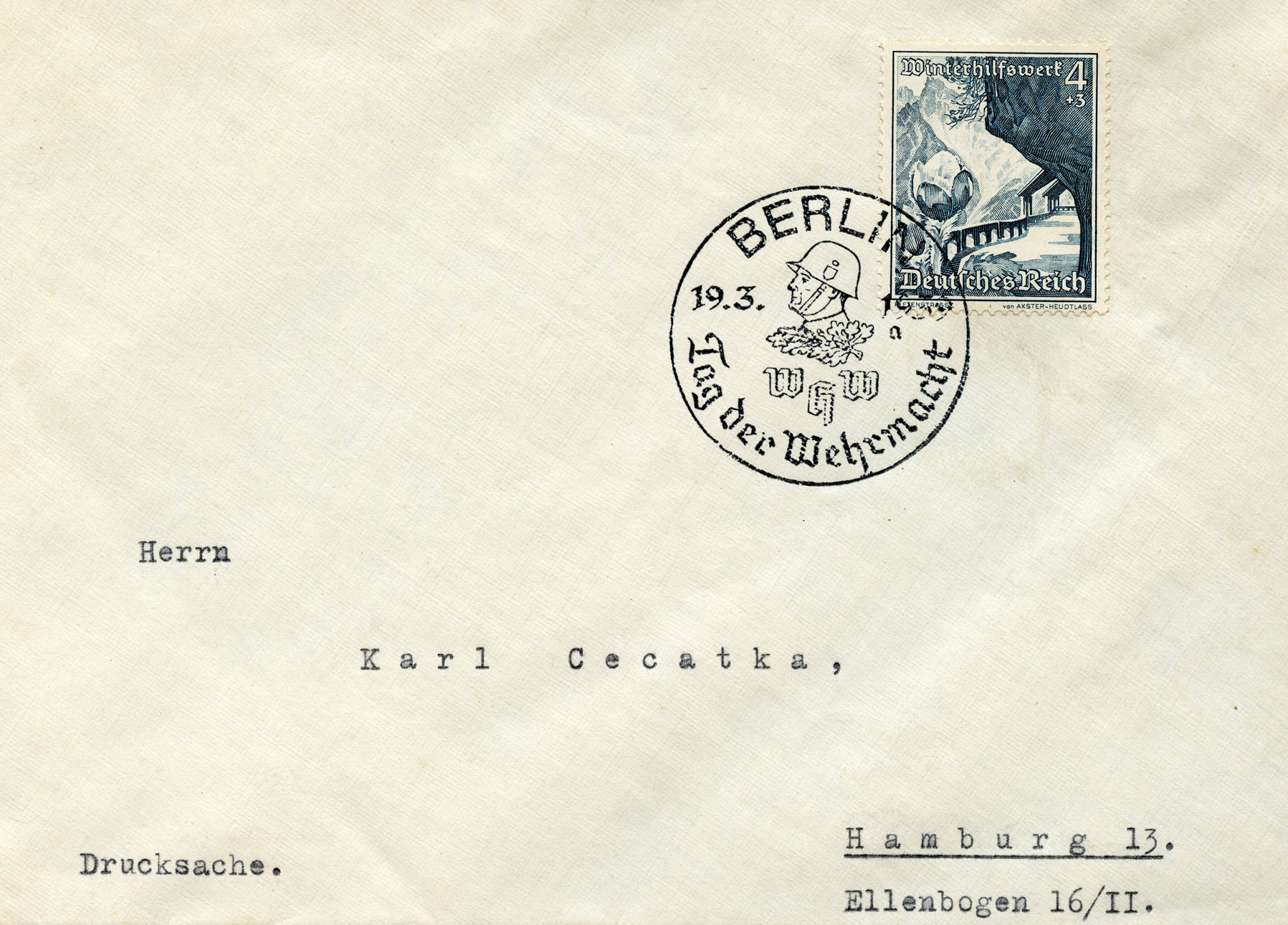
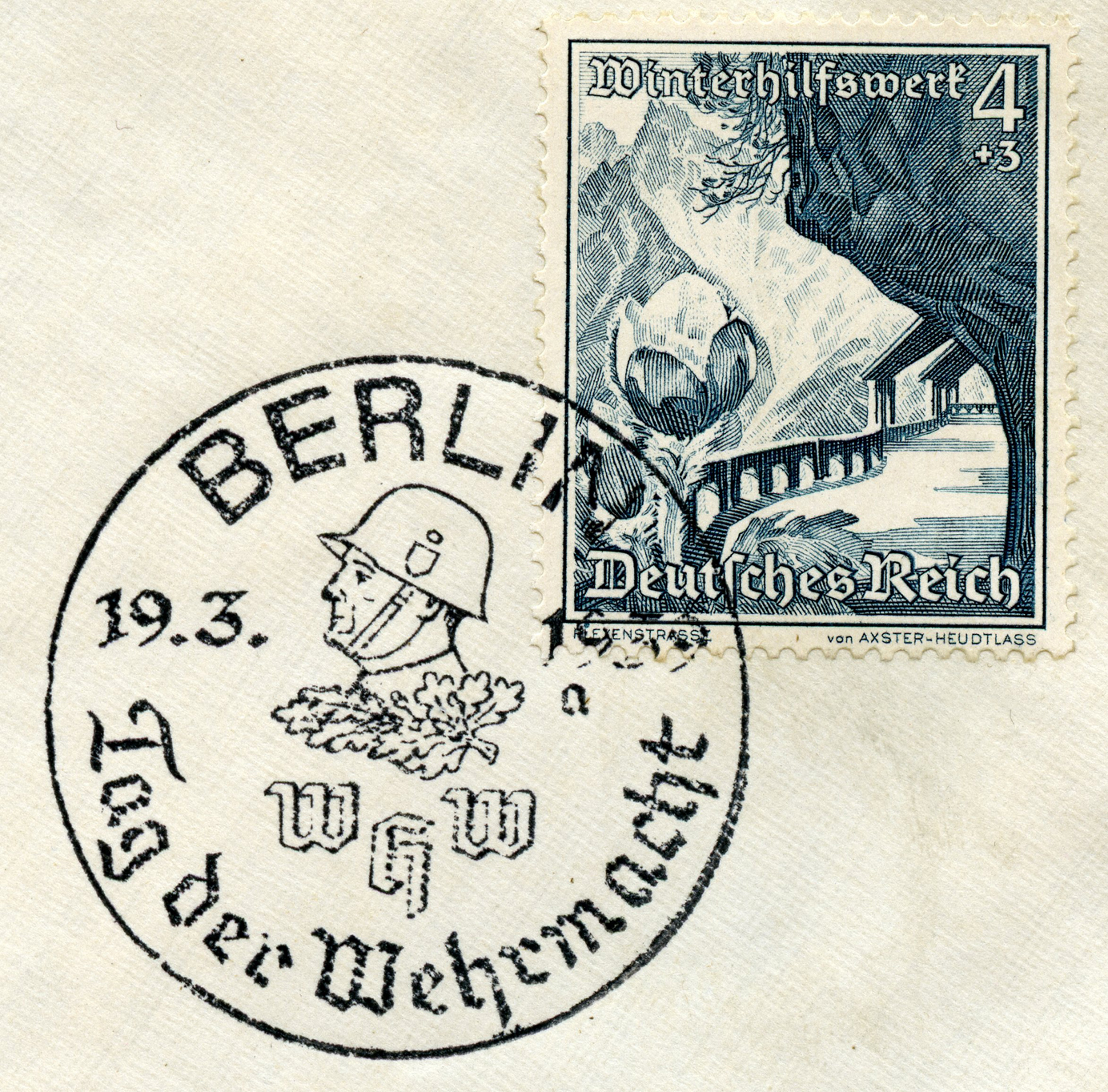
[Below: This was was postmarked on March 19, 1939 and features a neat and fairly scarce cancel. The cancel is from Berlin and is for the 'Day of the Wehrmacht', sponsored by the WHW (The Winterhilfswerk des Deutschen Volkes (WHW), or Winter Relief of the German People). 'Drucksache' means 'printed matter'.]
[Below: Close-up.]
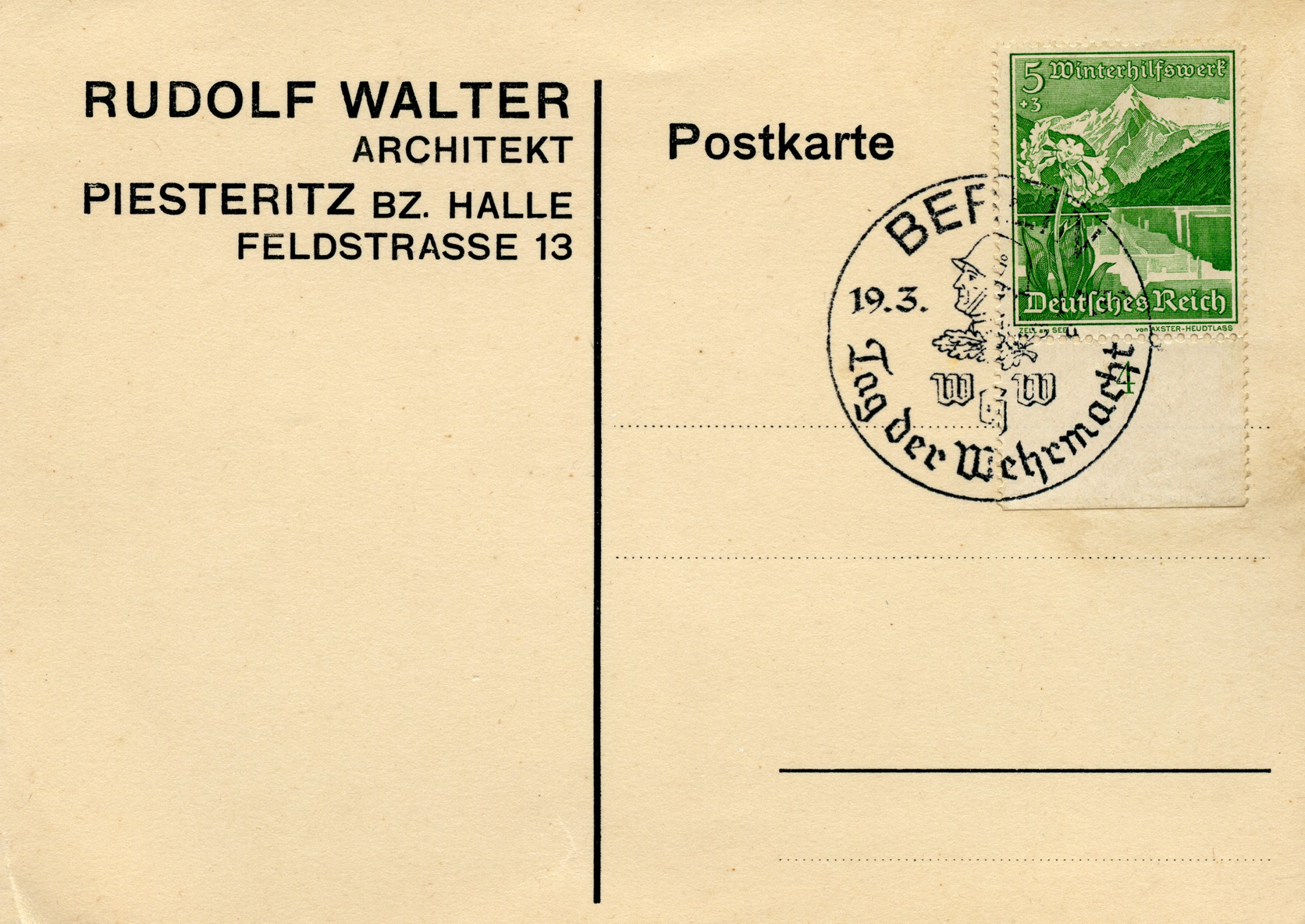
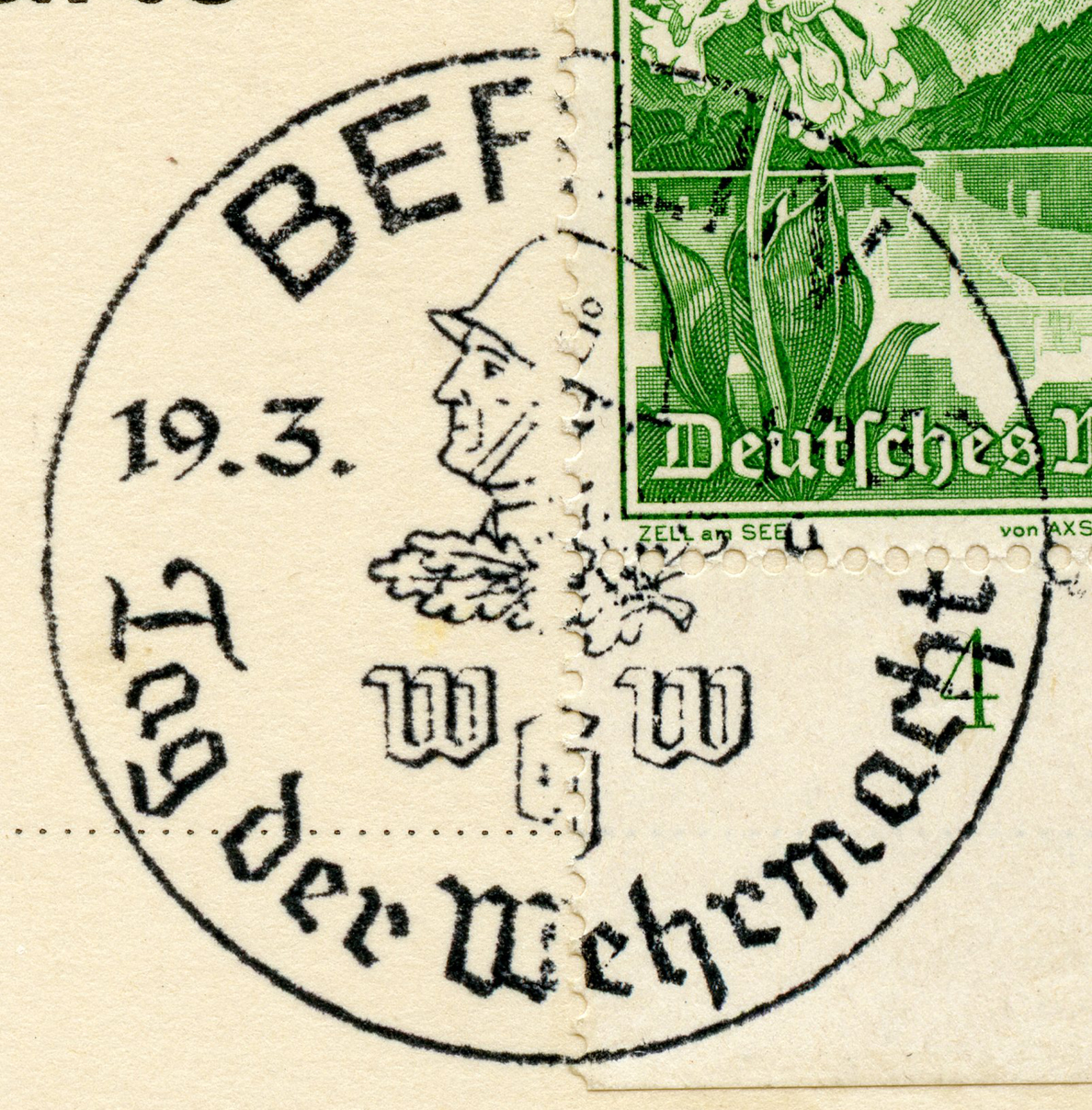
[Below: Here is a postcard of the same cancel with a different Winterhilfswerk postage stamp.]
[Below: Close-up.]
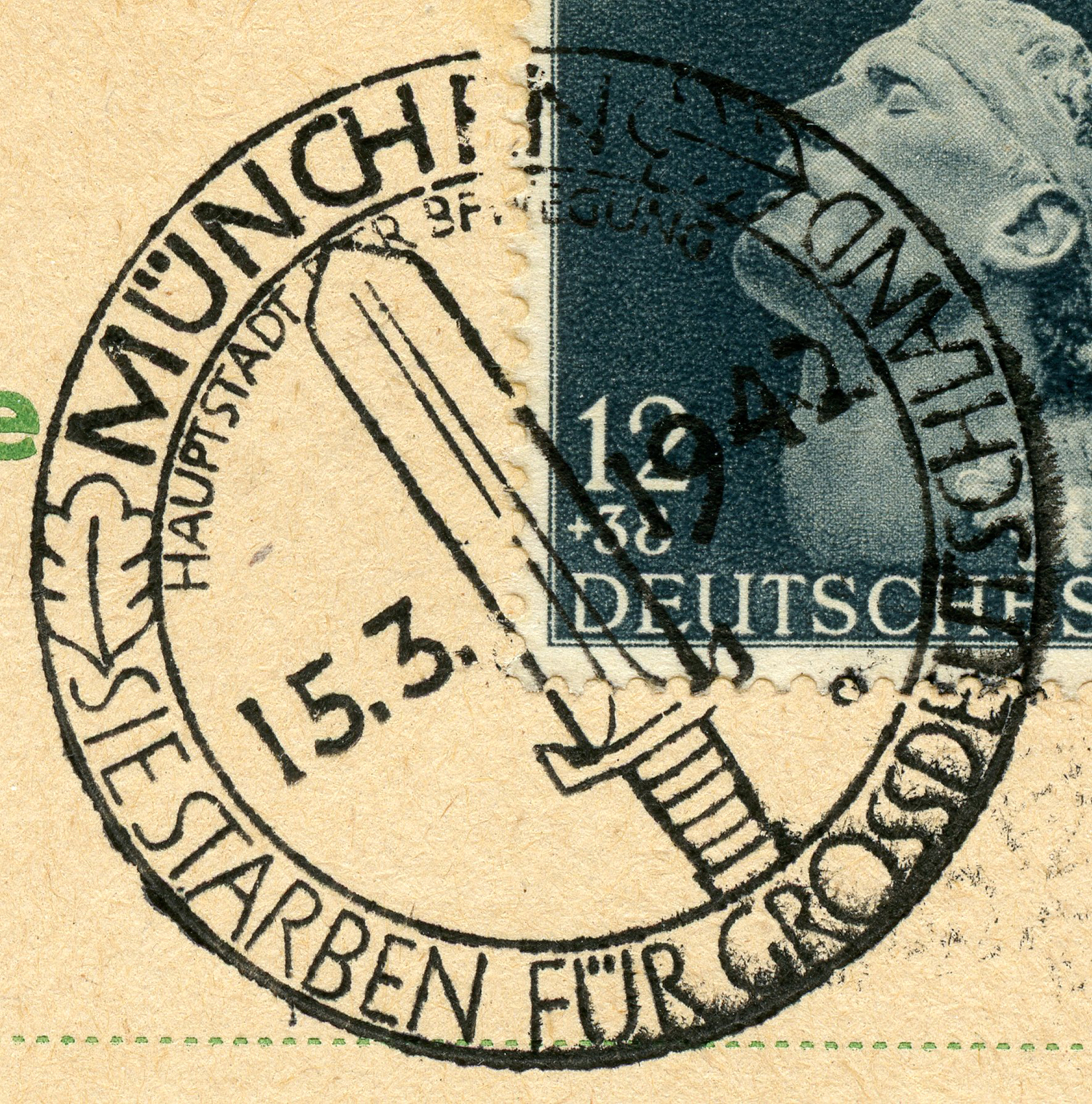
[Below: This was was postmarked on March 15, 1942 and features another 'Day of the Wehrmacht', cancel, except for 1942. The left cancel says 'They Died for Greater Germany'.]
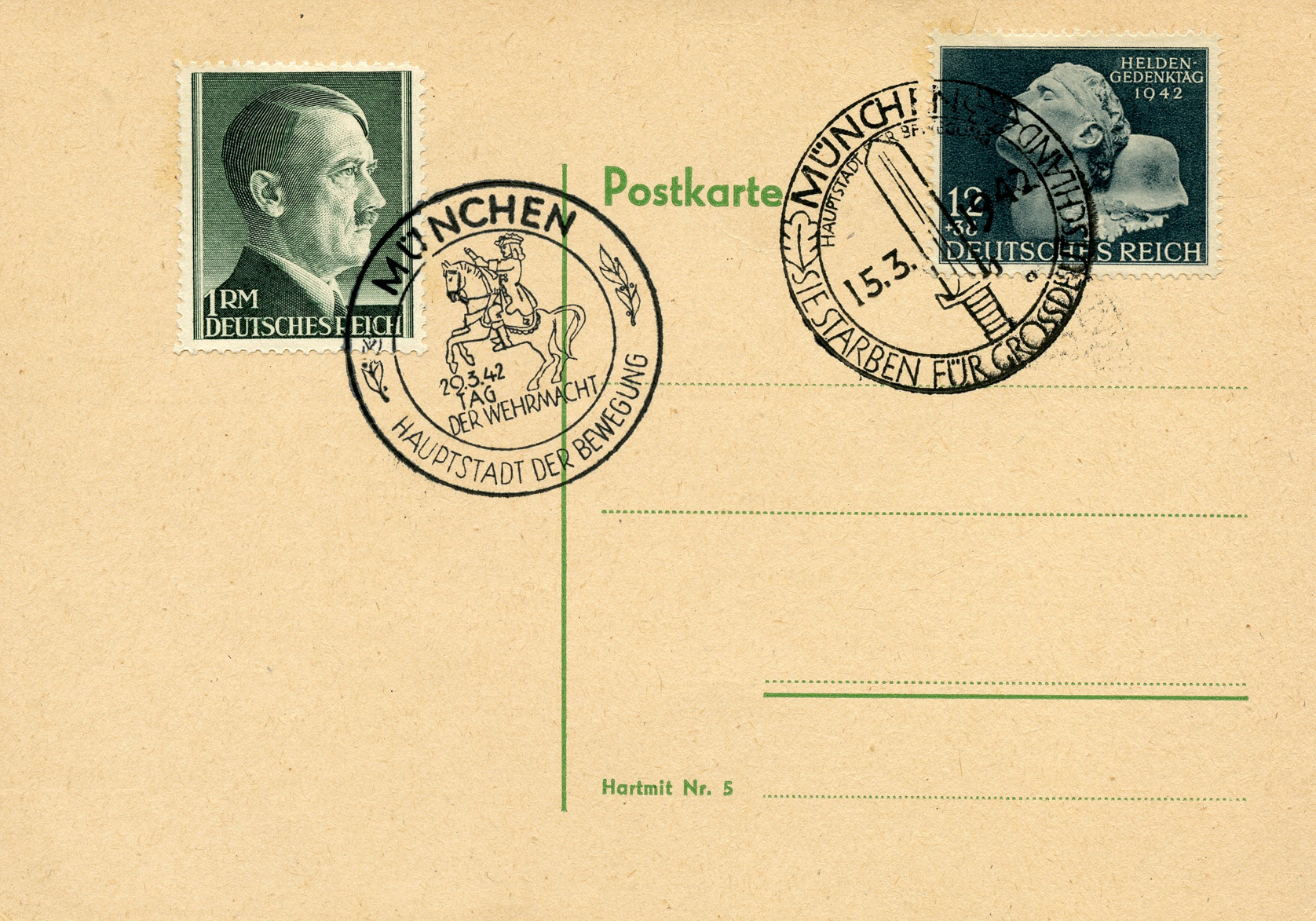
[Below: Close-up.]
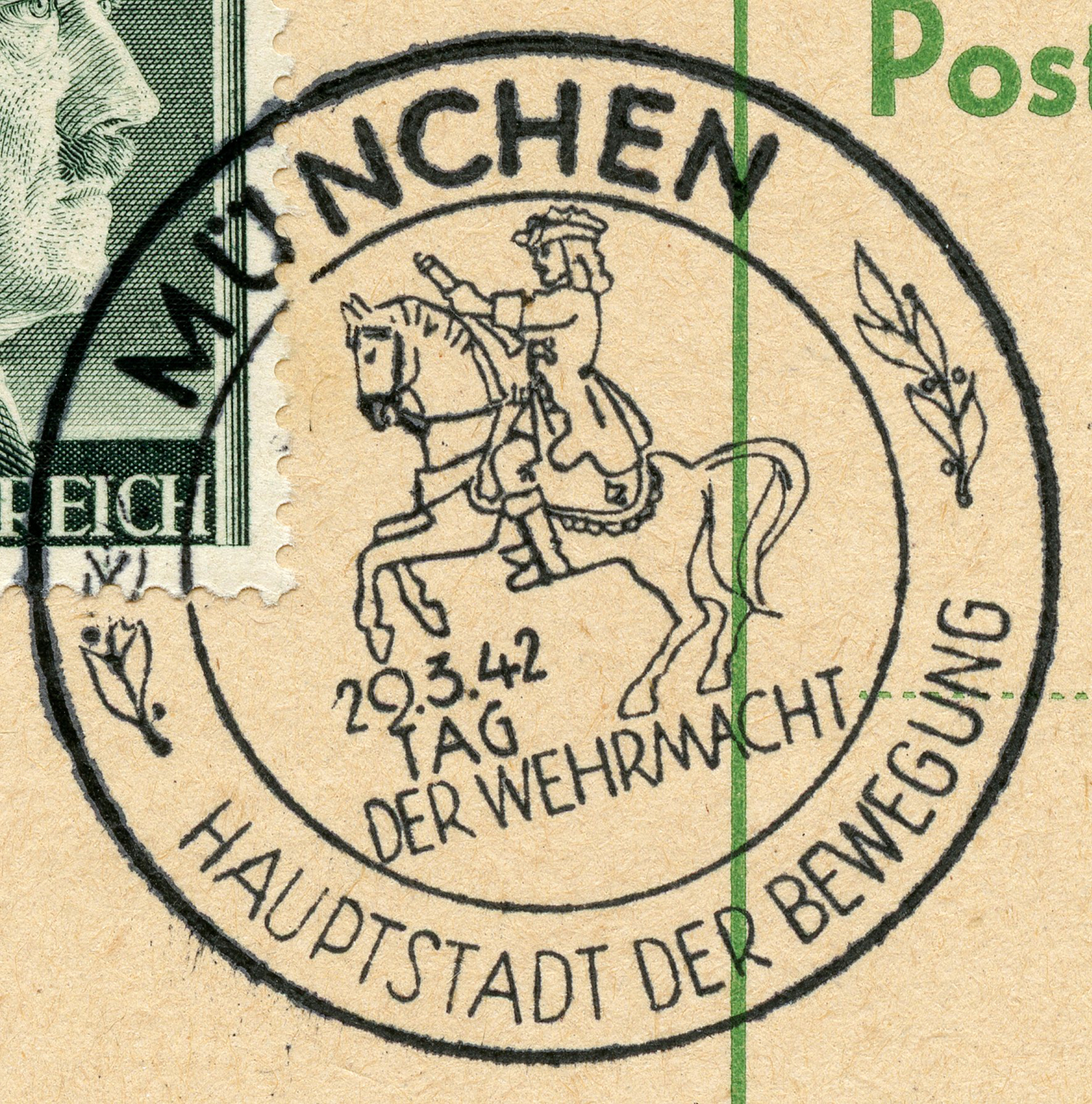
[Below: Close-up.]
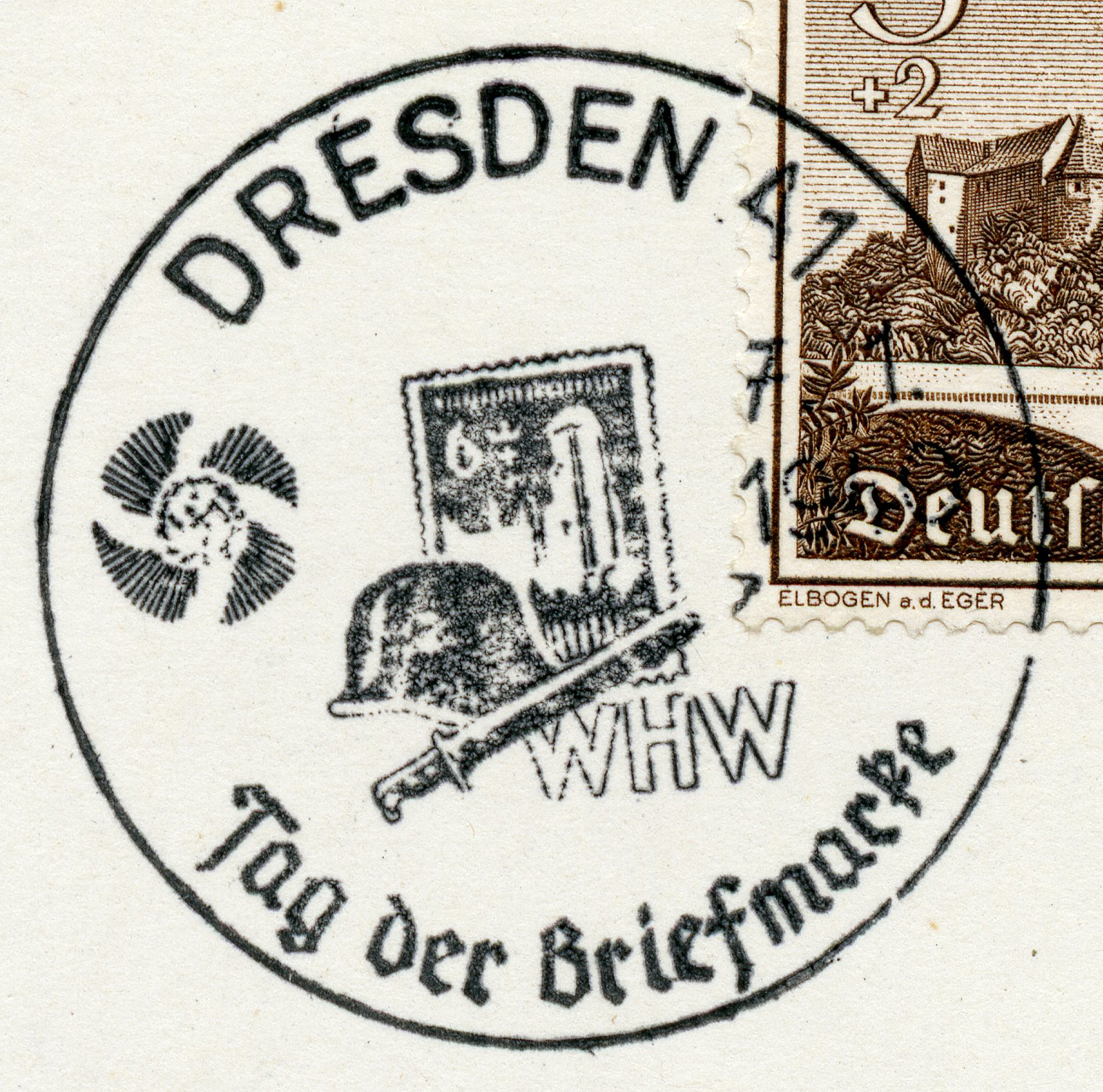
[Below: This was was postmarked in Dresden on January 7, 1940 and has a special Stamp Day cancel sponsored by the WHW (The Winterhilfswerk des Deutschen Volkes (WHW), or Winter Relief of the German People).]
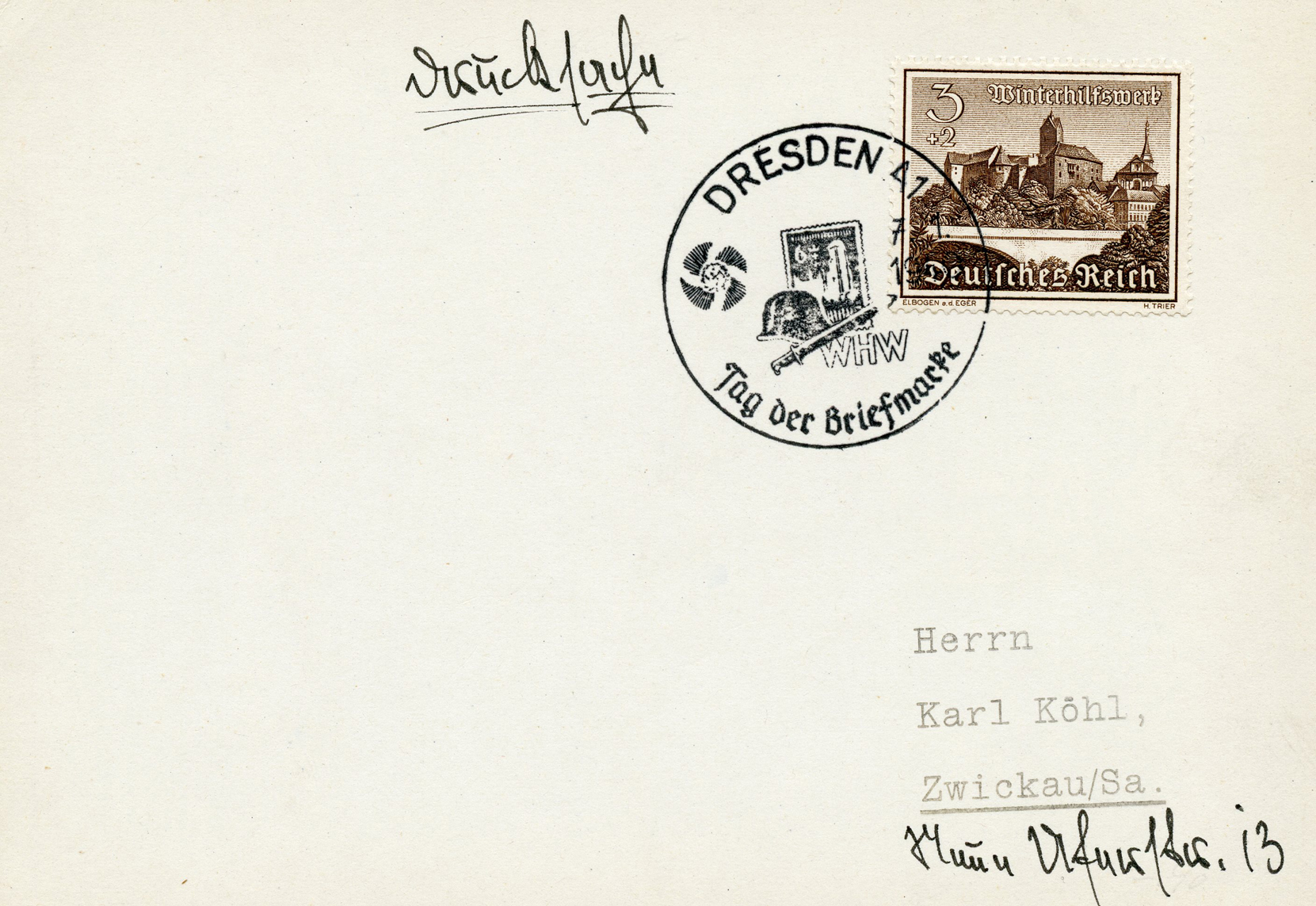
[Below: Close-up.]
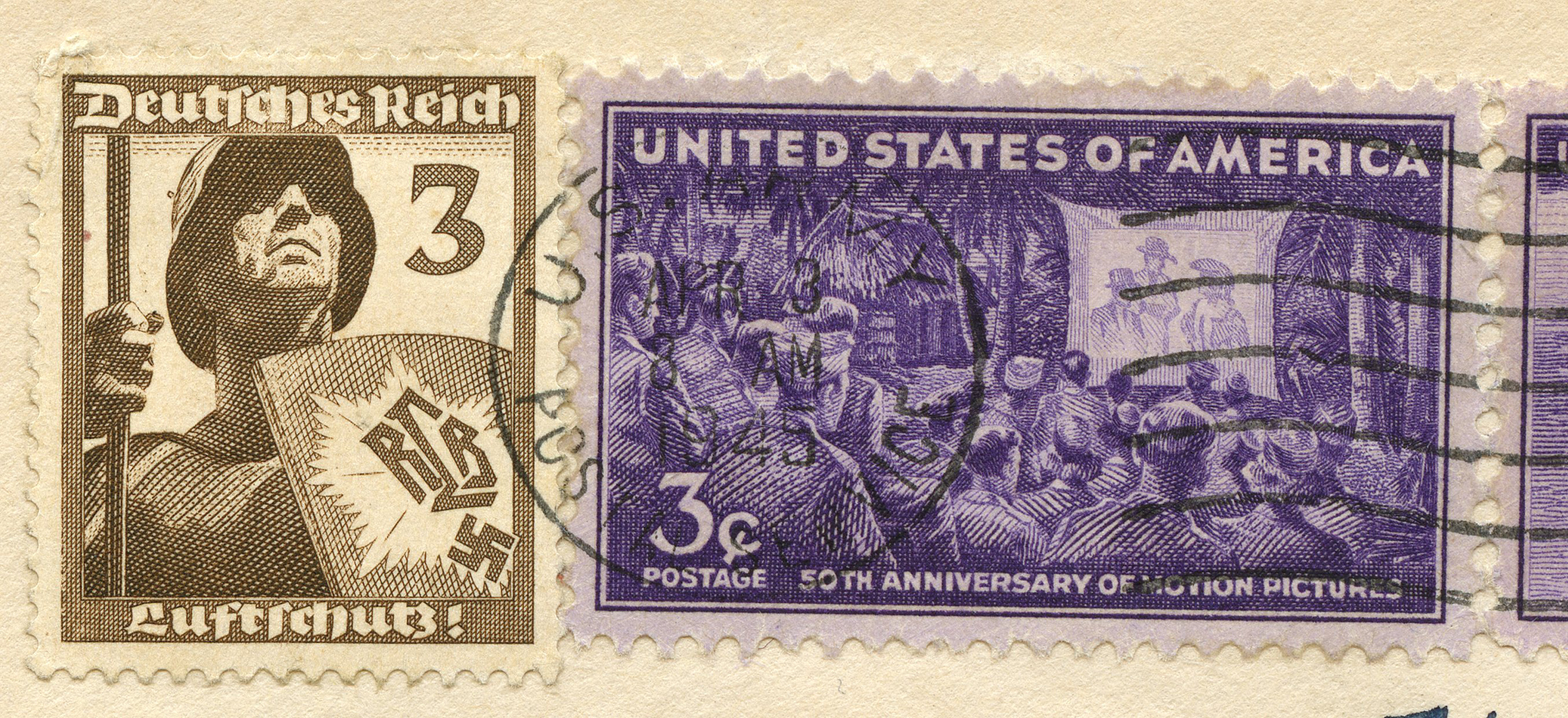
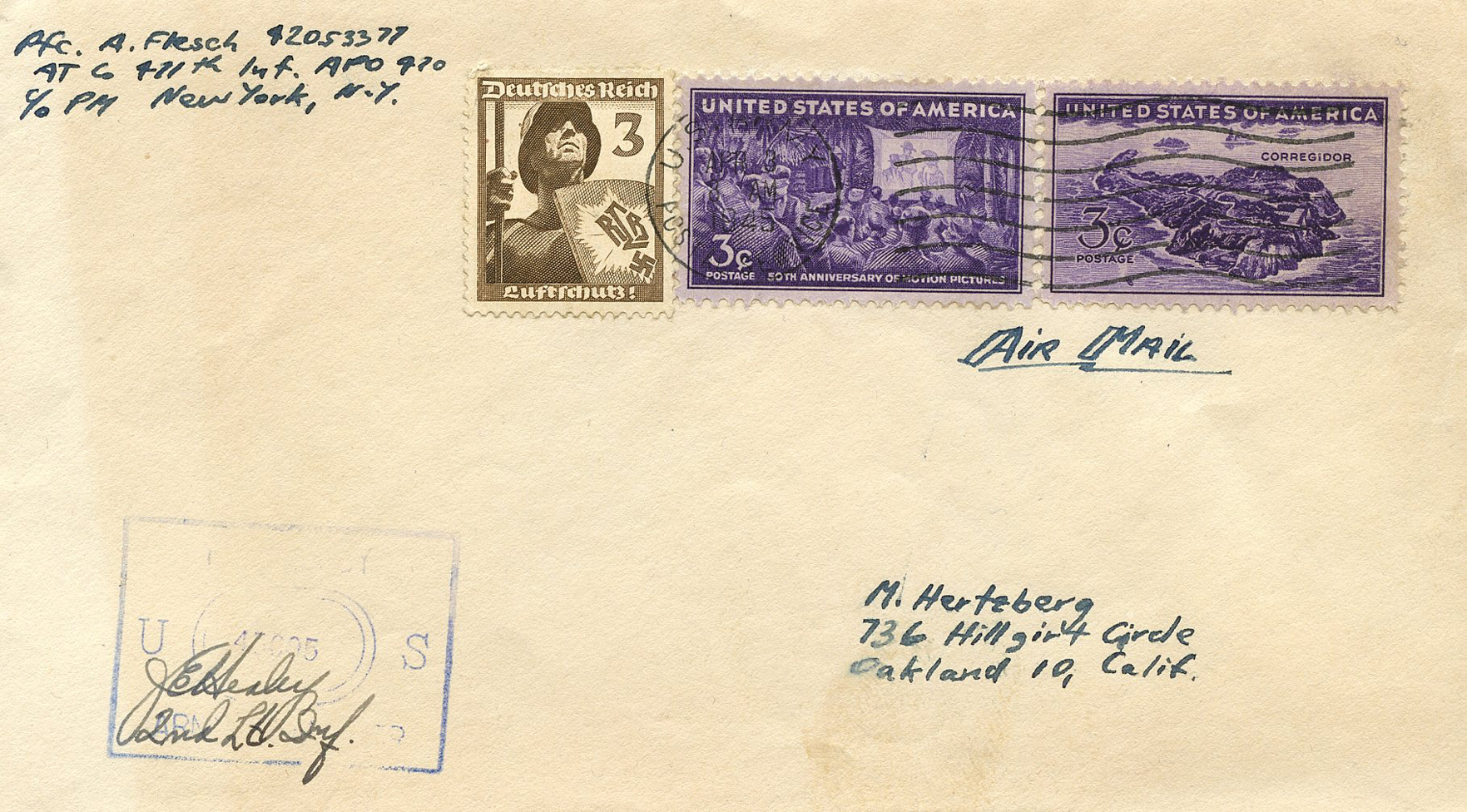
[Below: Here is an oddity. This was sent from Private First Class A. Flesch and sent to Oakland, California. It was censored by an Infantry 2nd Lt (lower-left corner). Now to the cancel, it tells us it was postmarked on April 3, 1945, just a little over a month before the end of the war in Europe. What makes this envelope an oddity is that the soldier used a Third Reich stamp with a swastika with the usual American stamps. I'm guessing he was a stamp collector and thought it'd be unique if he added this, but it was pretty bold to do so, using the stamp of his enemy and all.]
[Below: Close-up.]