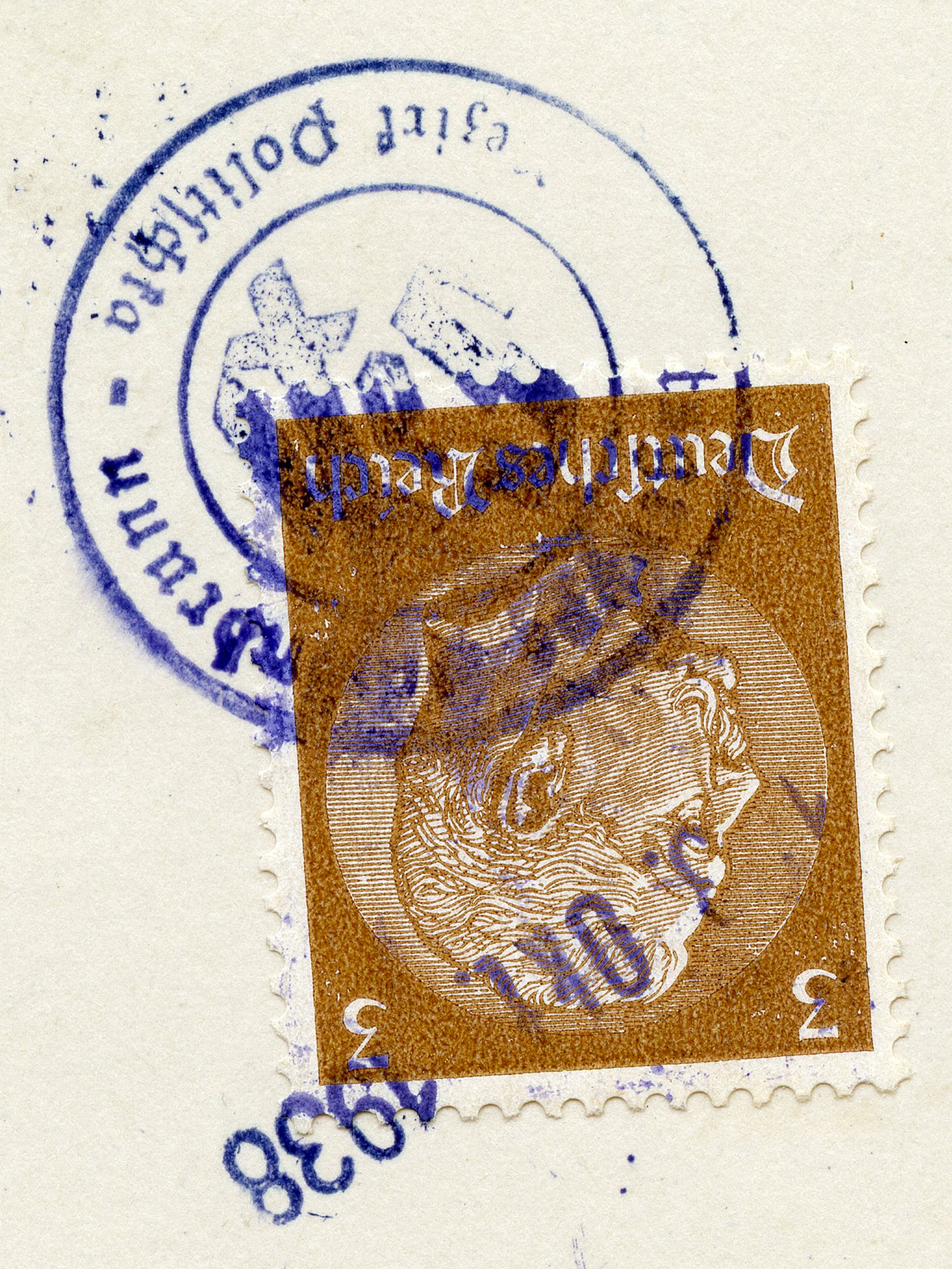
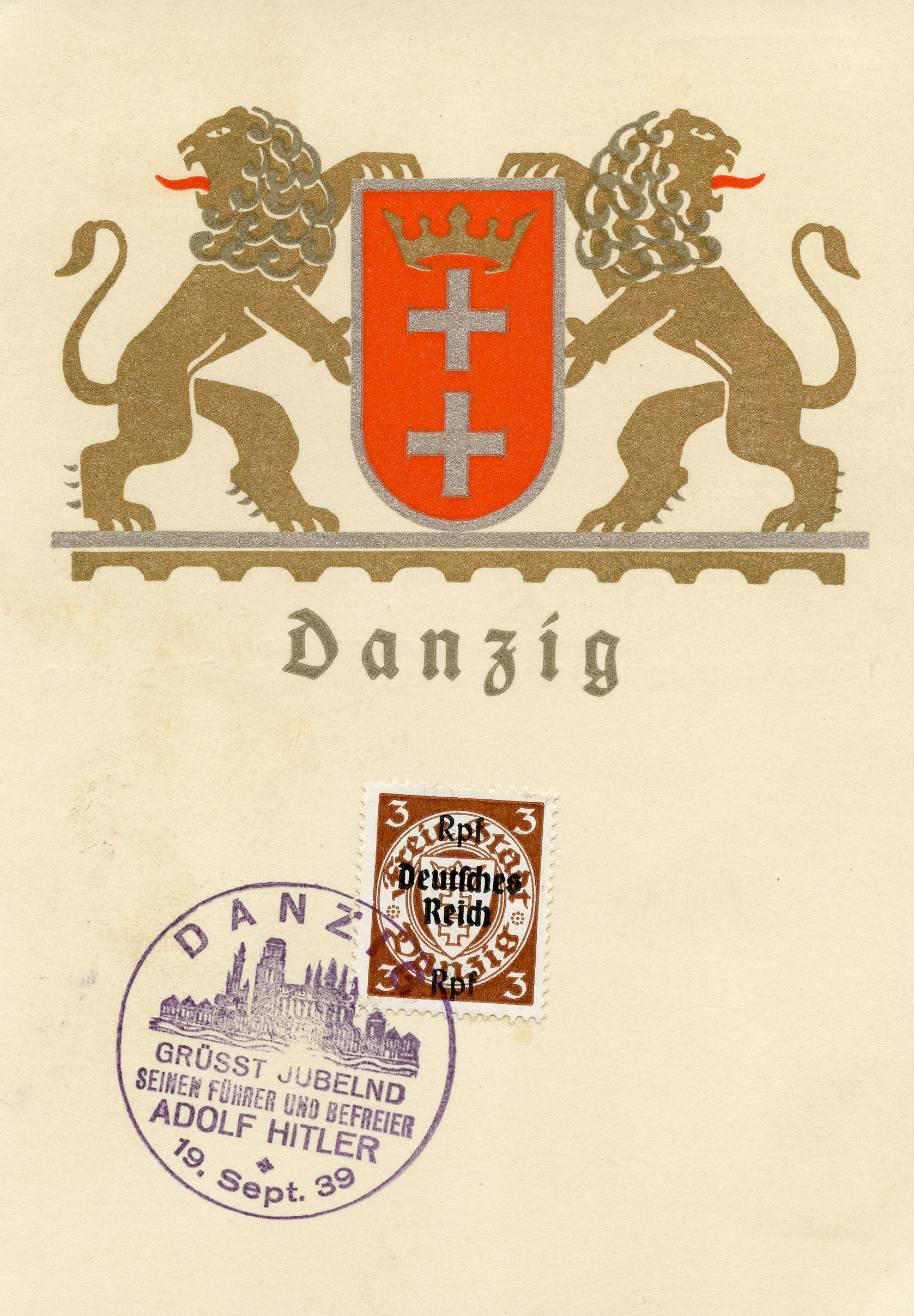
[Below: This cancel says 'Danzig Grüsst Jubelnd Seinen Führer und Befreier Adolf Hitler' (Danzig Joyfully Greets Its Führer and Liberator Adolf Hitler), September 19, 1939.]
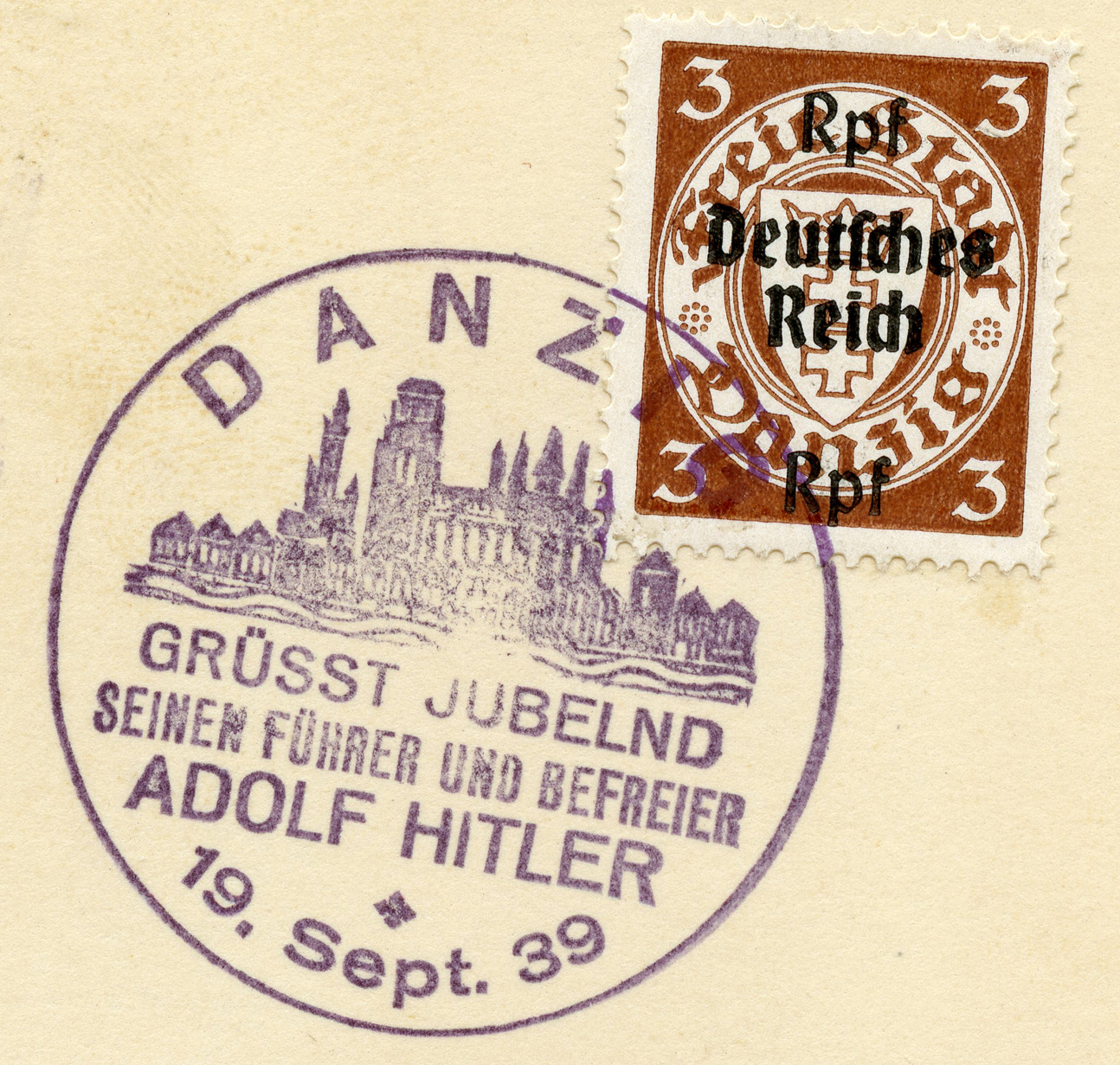
[Below: Close-up.]
[Below: Reverse.]

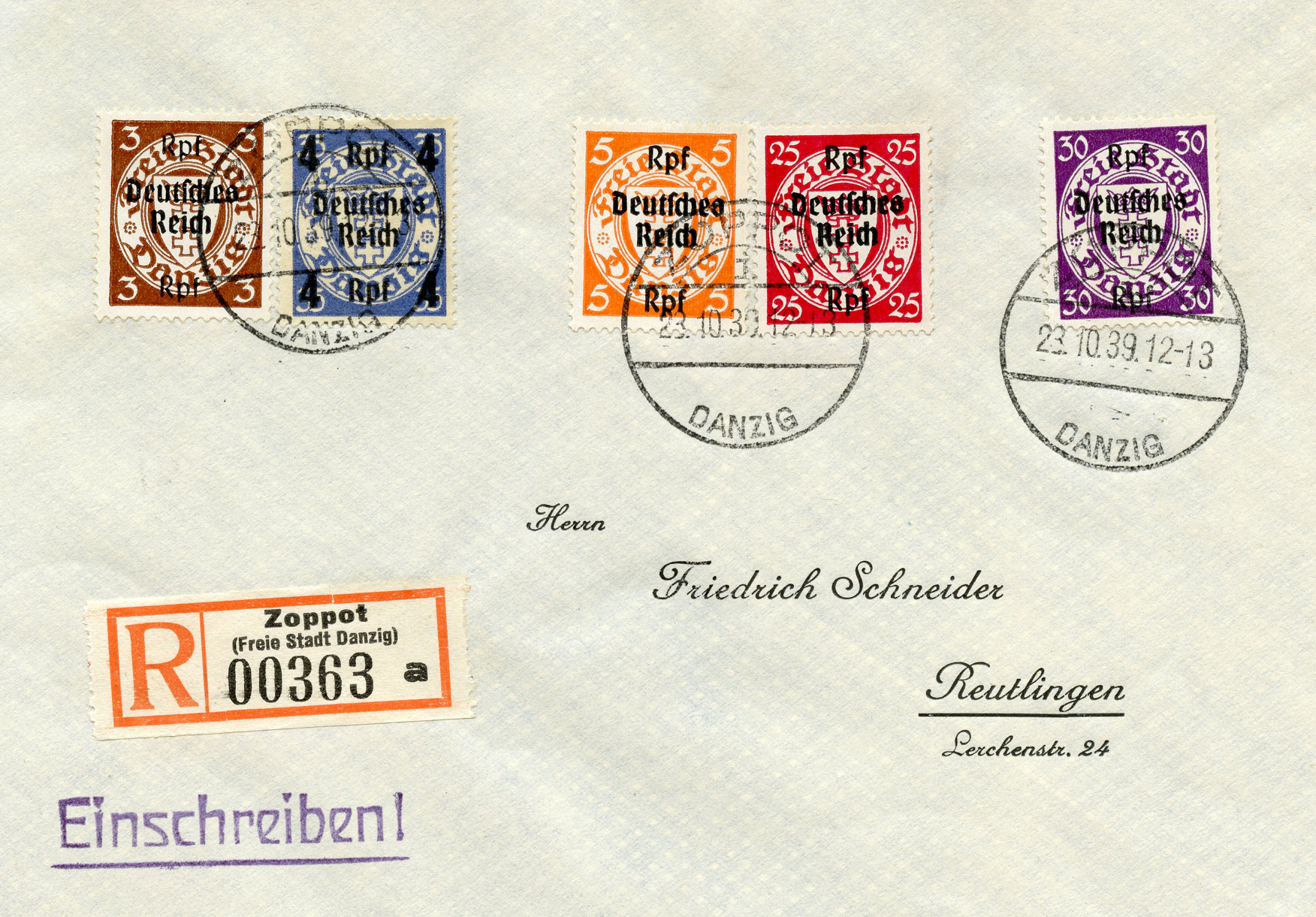
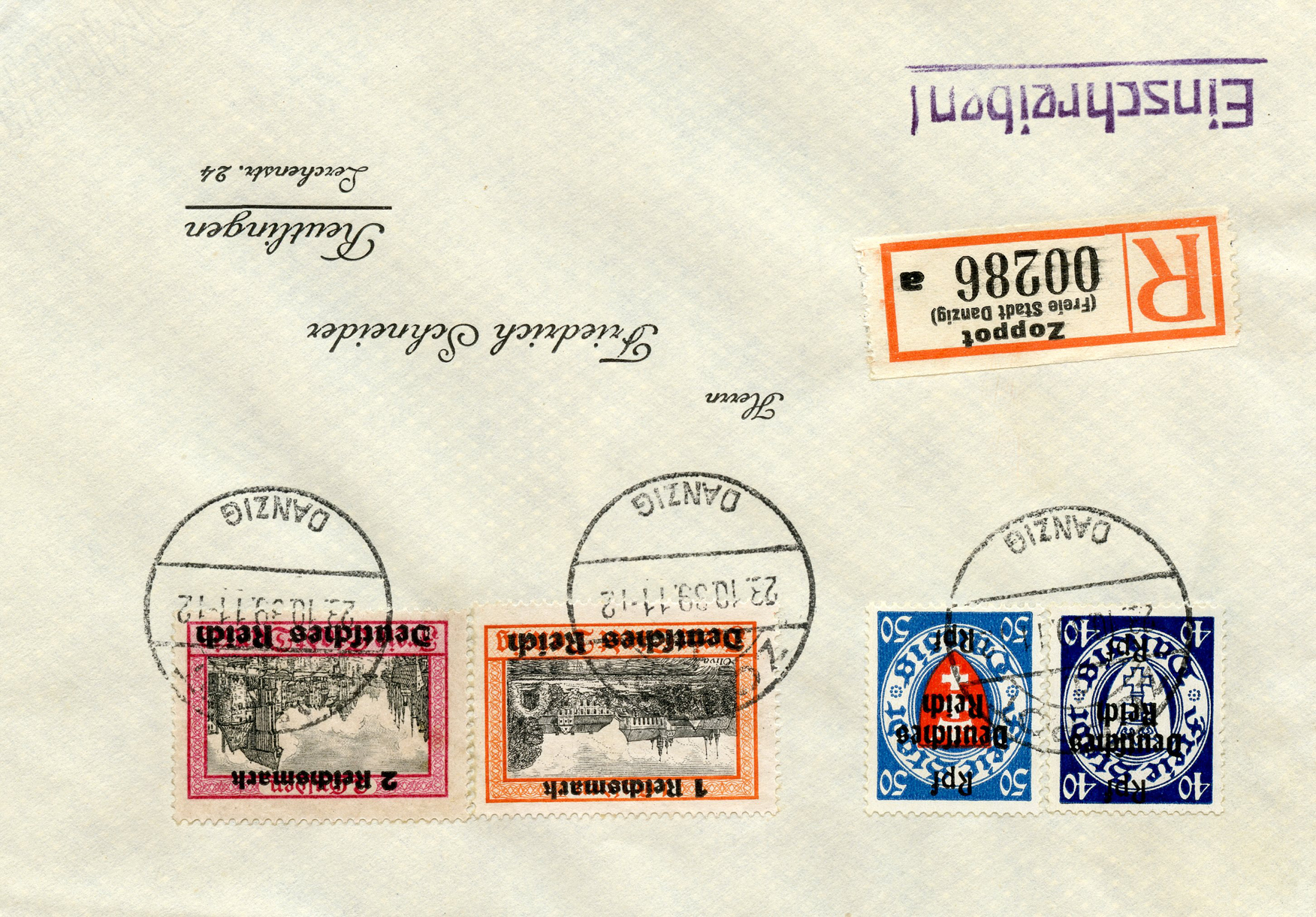
[Below: Note the following three envelopes have a set of Danzig stamps that have been overprinted 'German Reich', after its jubilant return to Germany, October 23, 1939.]
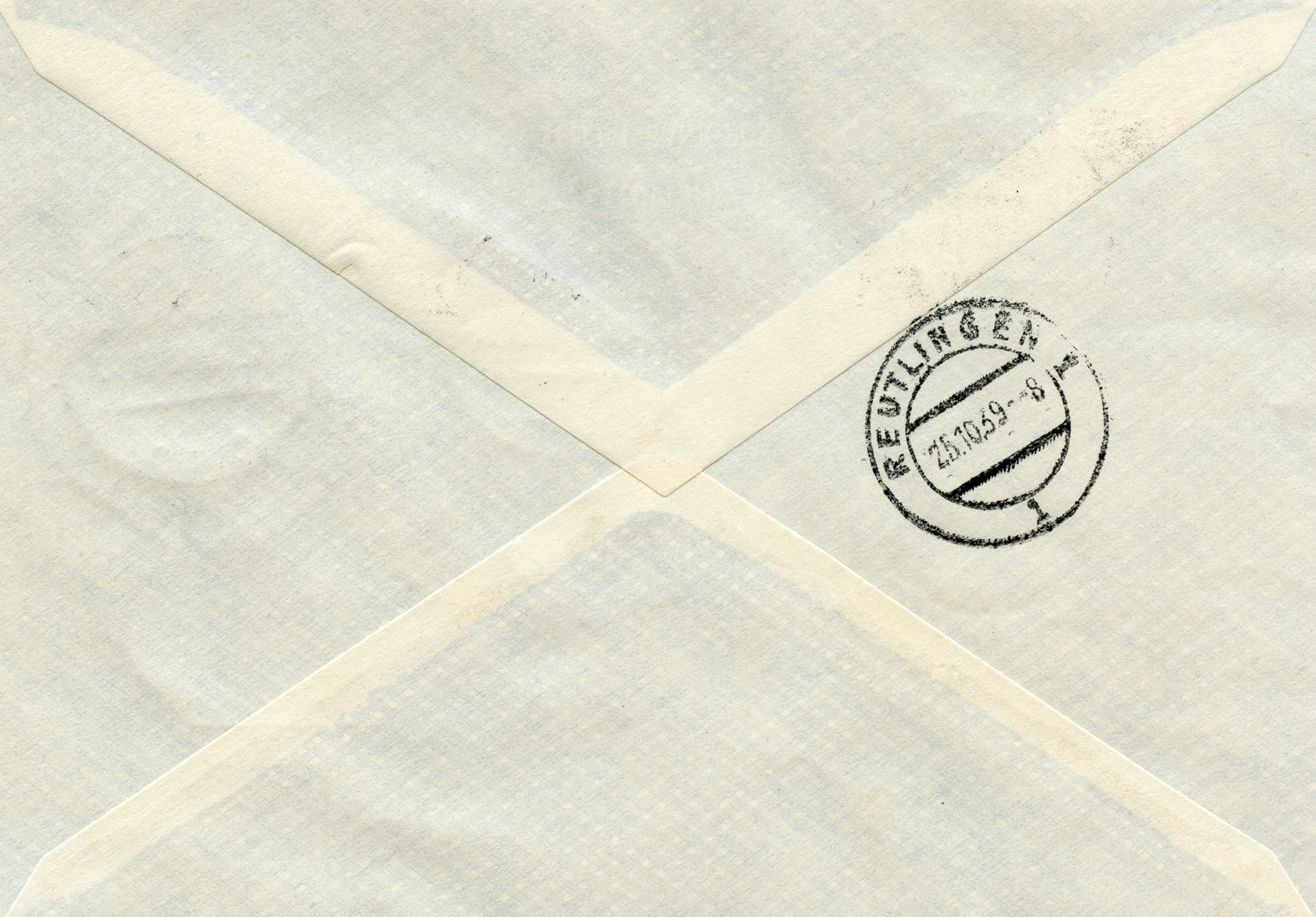
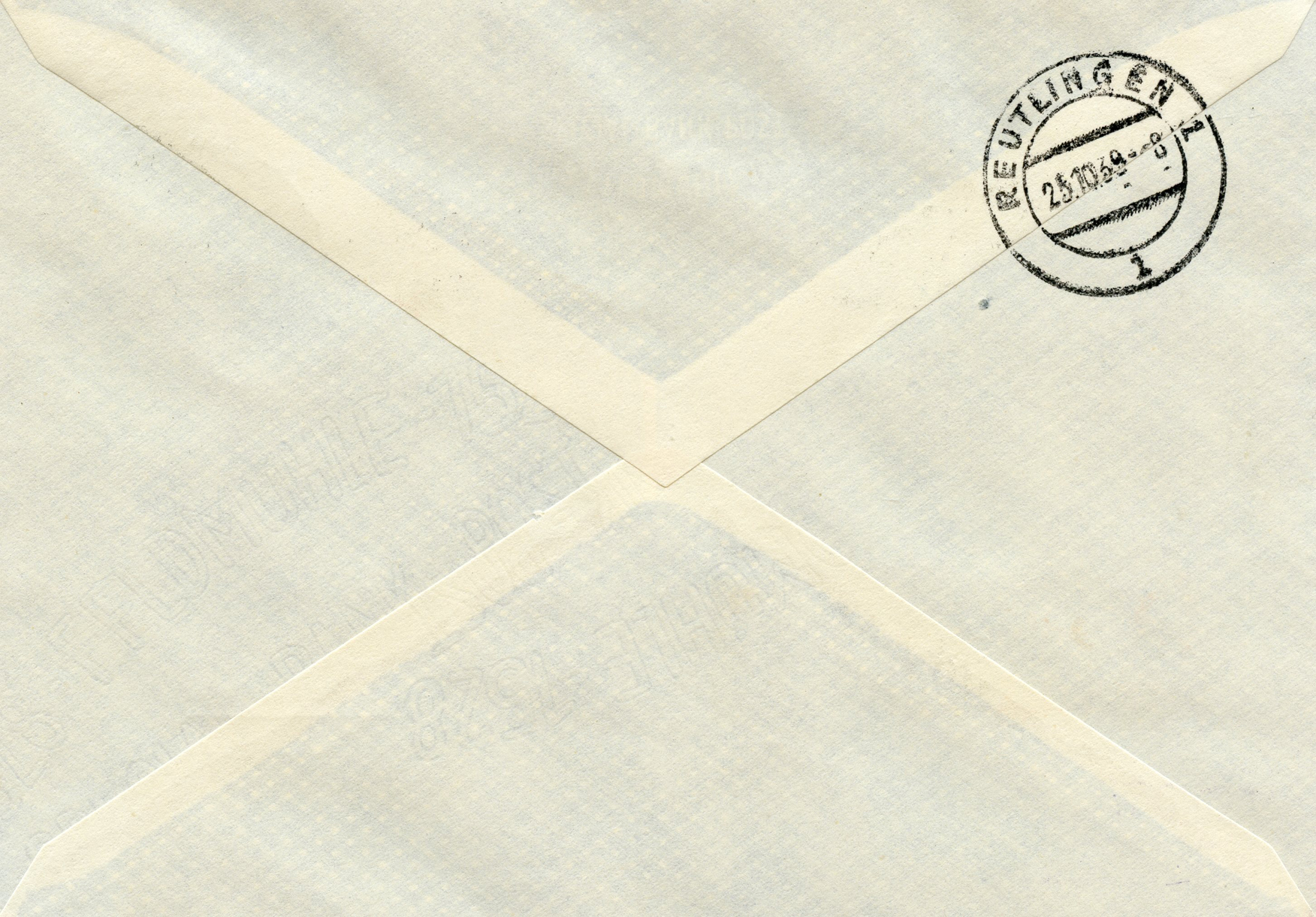
[Below: Reverse.]
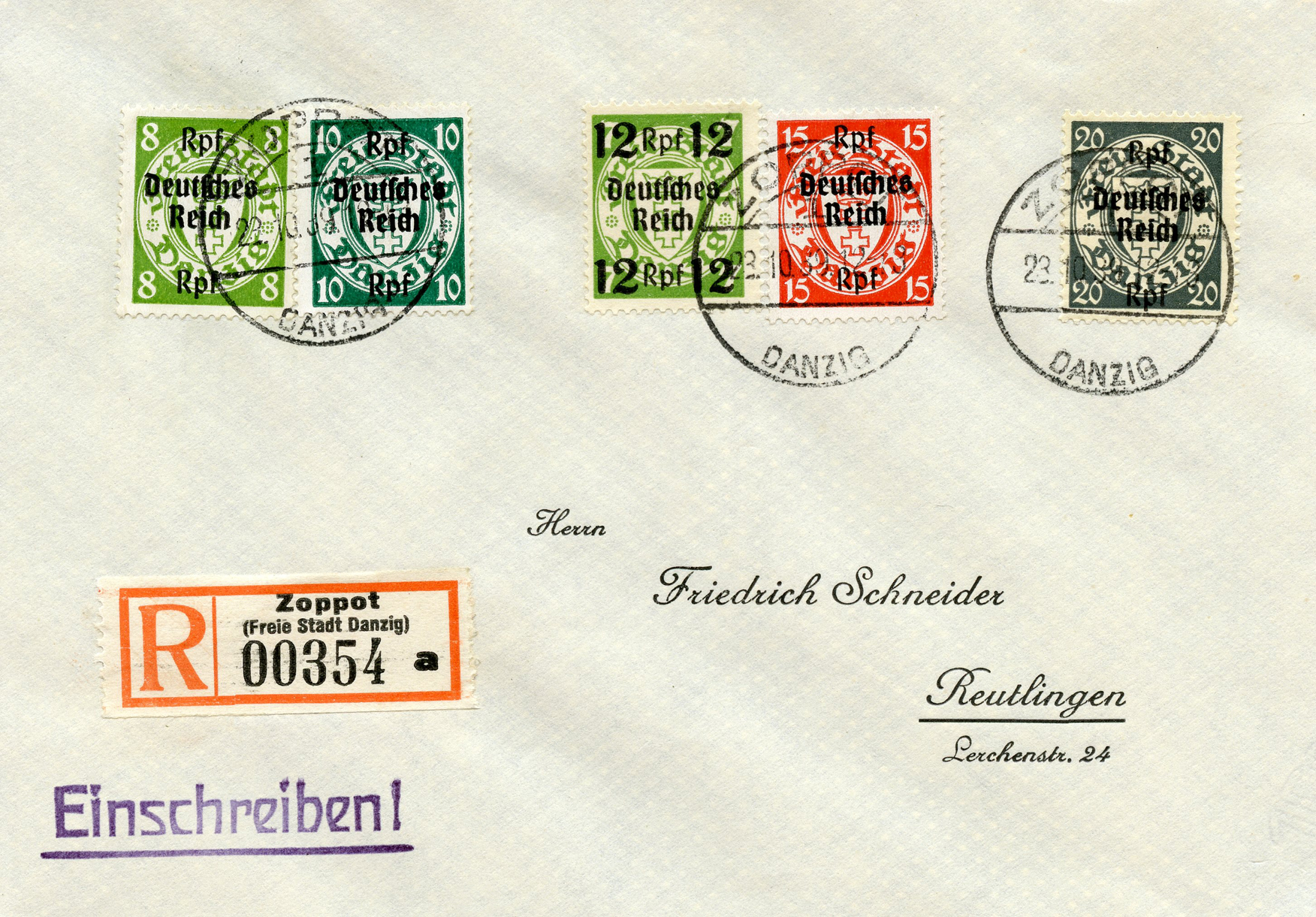
[Below: ...]
[Below: Reverse.]
[Below: ...]
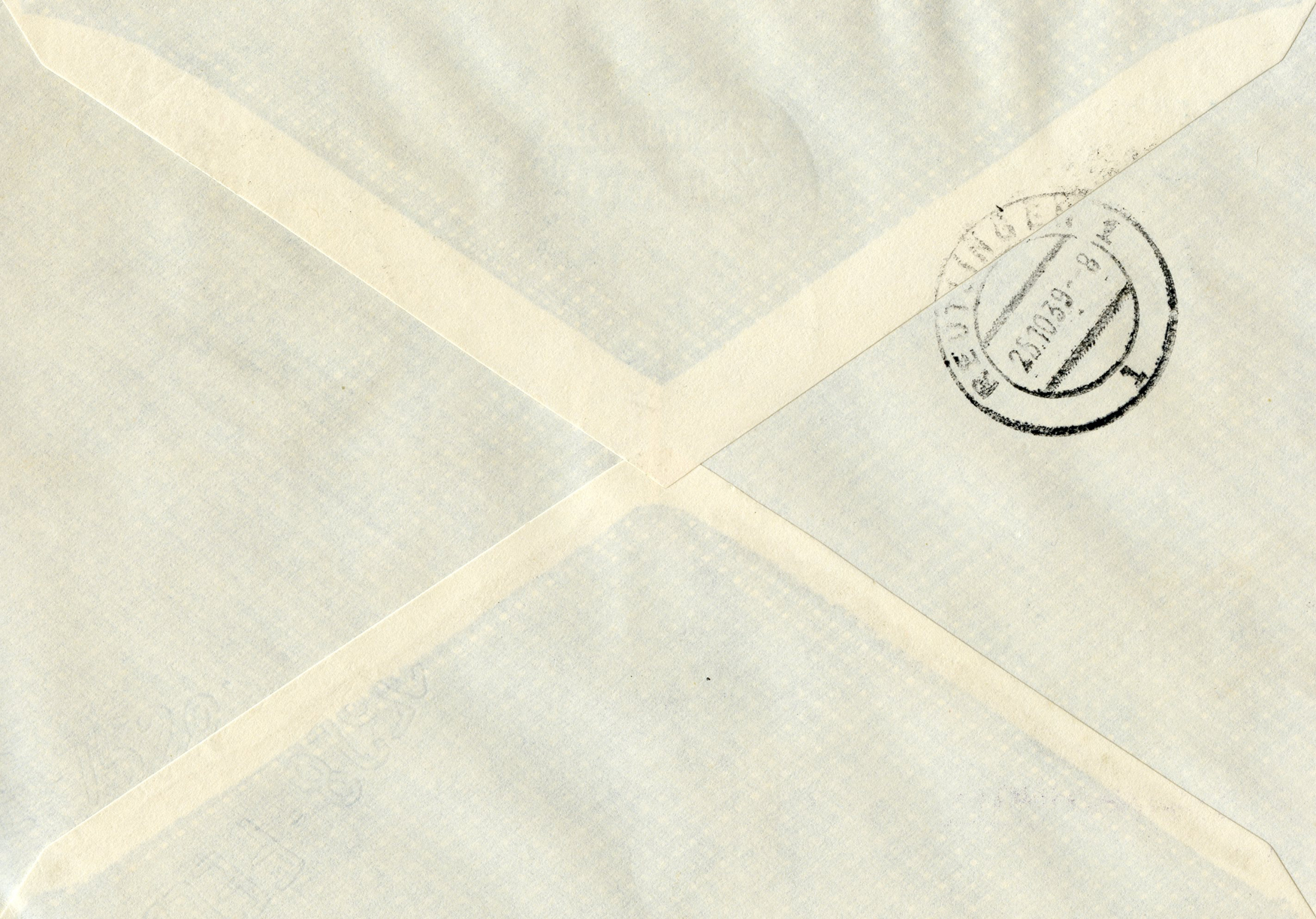
[Below: Reverse.]
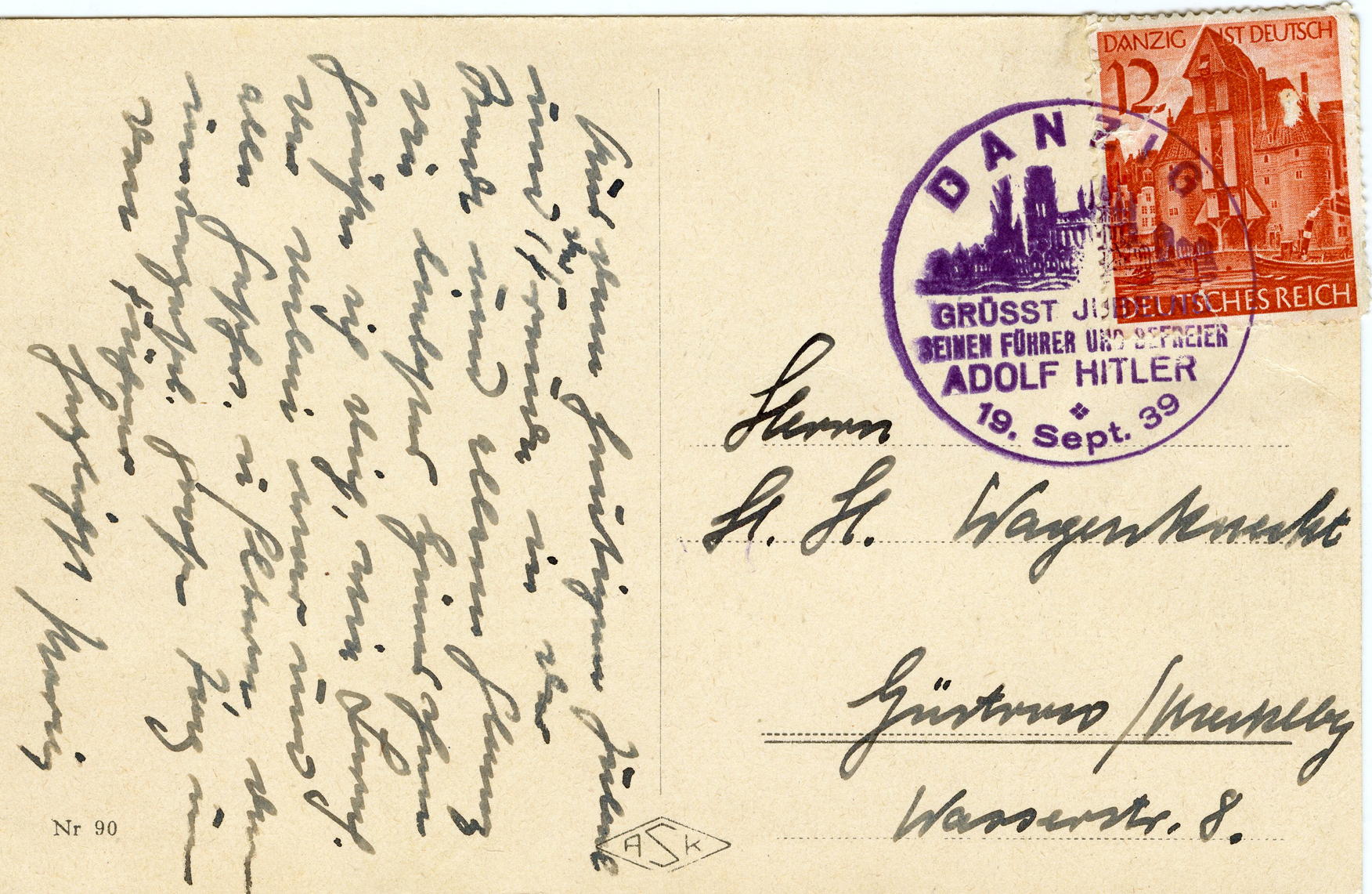
[Below: This postcard uses a German stamp that boldly states 'Danzig is German'. The reverse is blank.]
[Below: This was postmarked on May 21, 1937. Note the stamp has a swastika and a sunburst design with the letters 'DLB', this stands for 'Danziger Luftschutzbund' (Danzig Air Raid Protection Association). Click to enlarge.]

[Below: Close-up. The cancel says 'DAPOSTA 1937 - Danziger Postwertzeichen Ausstellung' (DAPOSTA 1937 - Danzig Postage Stamp Exhibition). The reverse is blank. Click to enlarge.]

[Below: Danzig Luftshutzbund Pin. Click to enlarge.]

[Below: The criminal Treaty of Versailles being ripped in half. Postcard.]

[Below: 1938/39 souvenir sheet from the WHW (Winterhilfswerk des Deutschen Volkes, or Winter Relief of the German People). Click to enlarge.]

[Below: 'Danzig ist Deutsch' (Danzig is German). Postcard.]

[Below: 'Danzig ist Deutsch' (Danzig is German). This postcard is a rarer version of that above.]

[Below: Danzig postal souvenir sheet canceled on December 5, 1937.]

[Below: Danzig postal souvenir sheet used on an envelope canceled on December 2, 1937.]

[Below: This cancel says:
'Danzig
Der Führer
Hat Uns Befreit
1. Sept. 1939'
(Danzig
The Führer
Has Liberated Us
September 1, 1939).]

[Below: This cancel says:
'Danzig
Grüsst Jubelnd
Seinen Führer und Befreier
Adolf Hitler
19. Sept. 39'
(Danzig
Jubilantly greets
its leader and liberator
Adolf Hitler
19 Sept. 39).]

[Below: The jubilant arrival of the Führer to Danzig.]

[Below: Excited youth wave flags and cheer for the Führer in Danzig.]

[Below: Women give flowers to German troops returning to Danzig.]

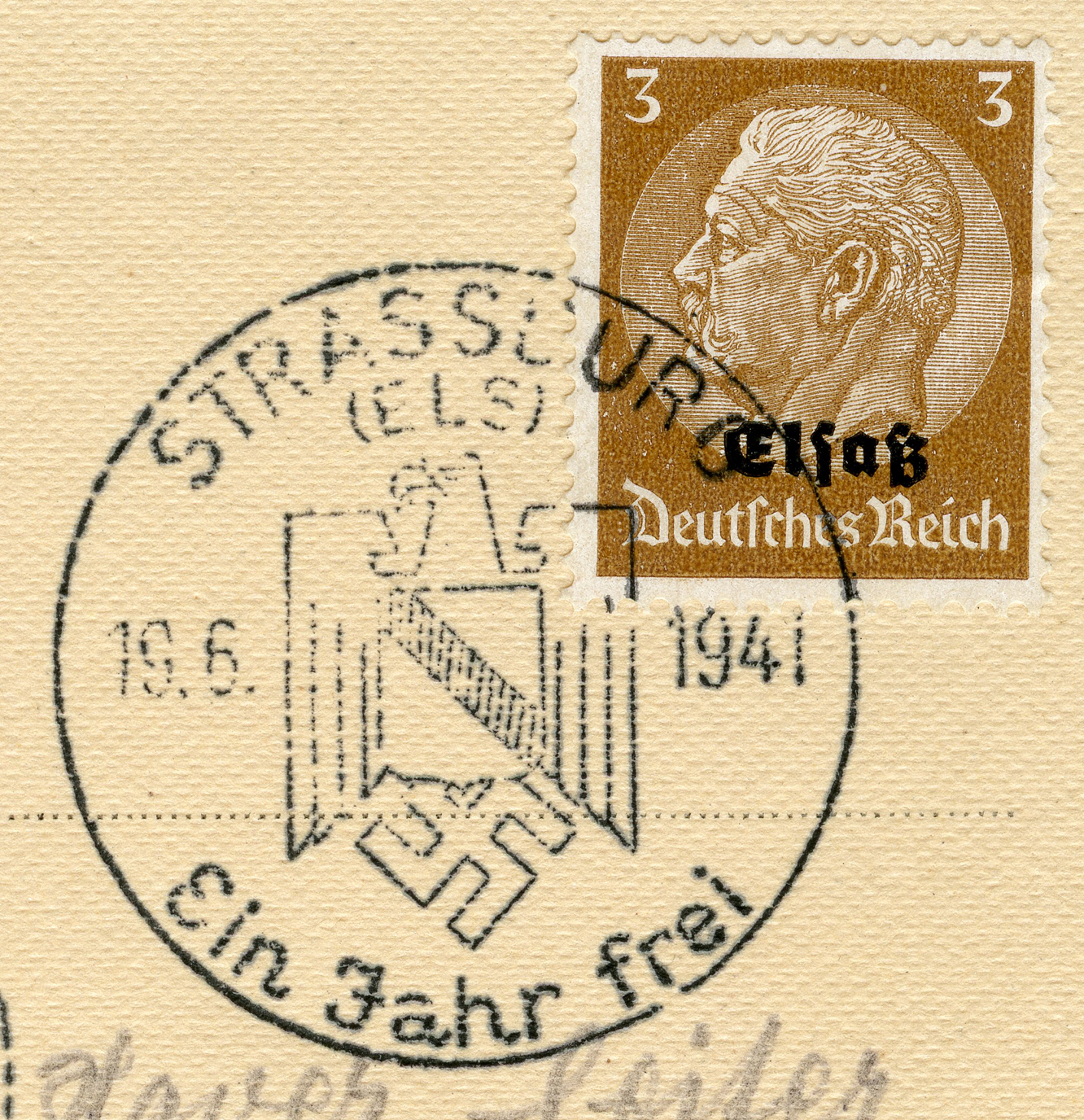
[Below: This beautiful postcard is from the 'Reich Association of Philatelists', June 19, 1941. The reverse is blank.]
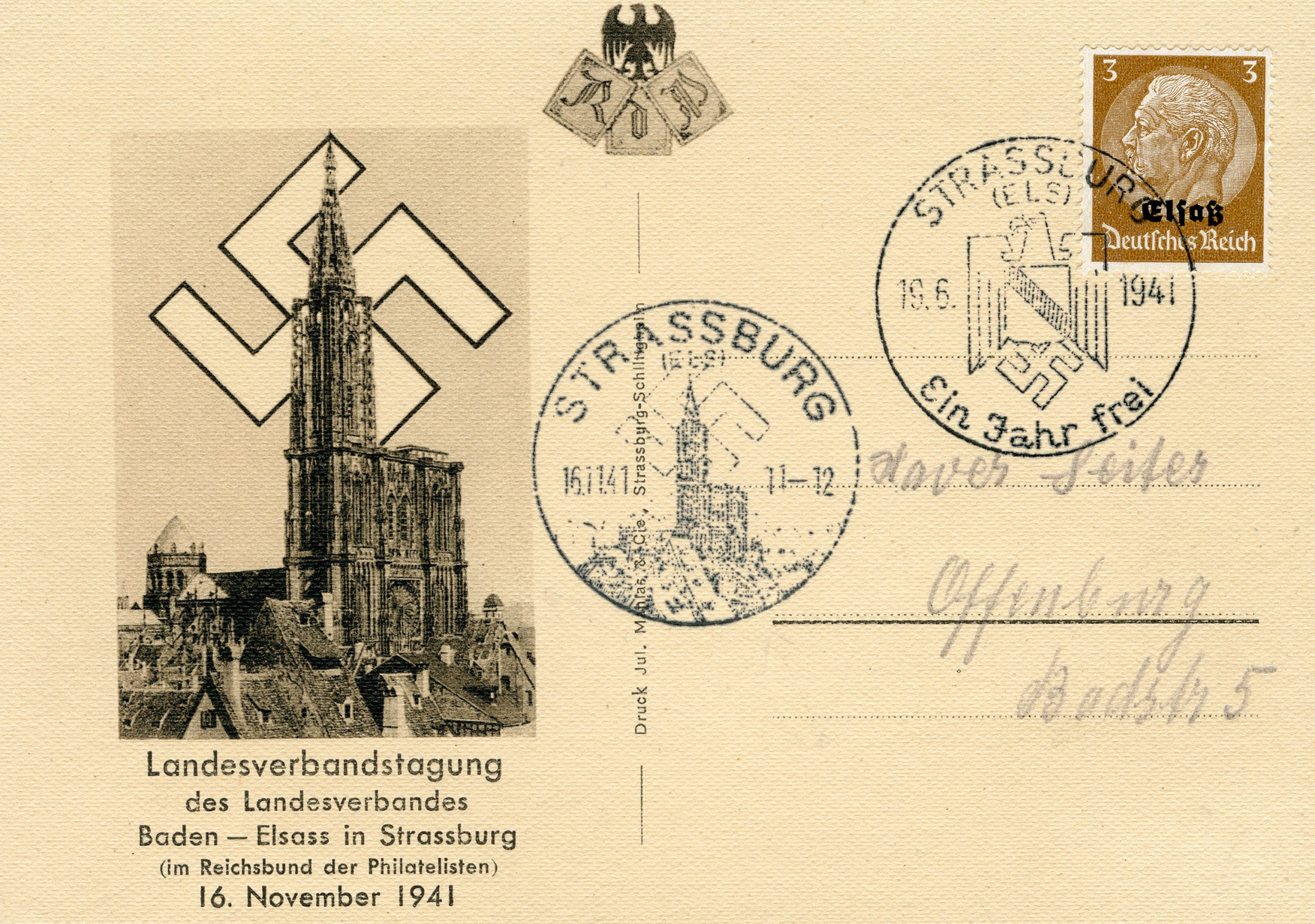
[Below: Close-up.]
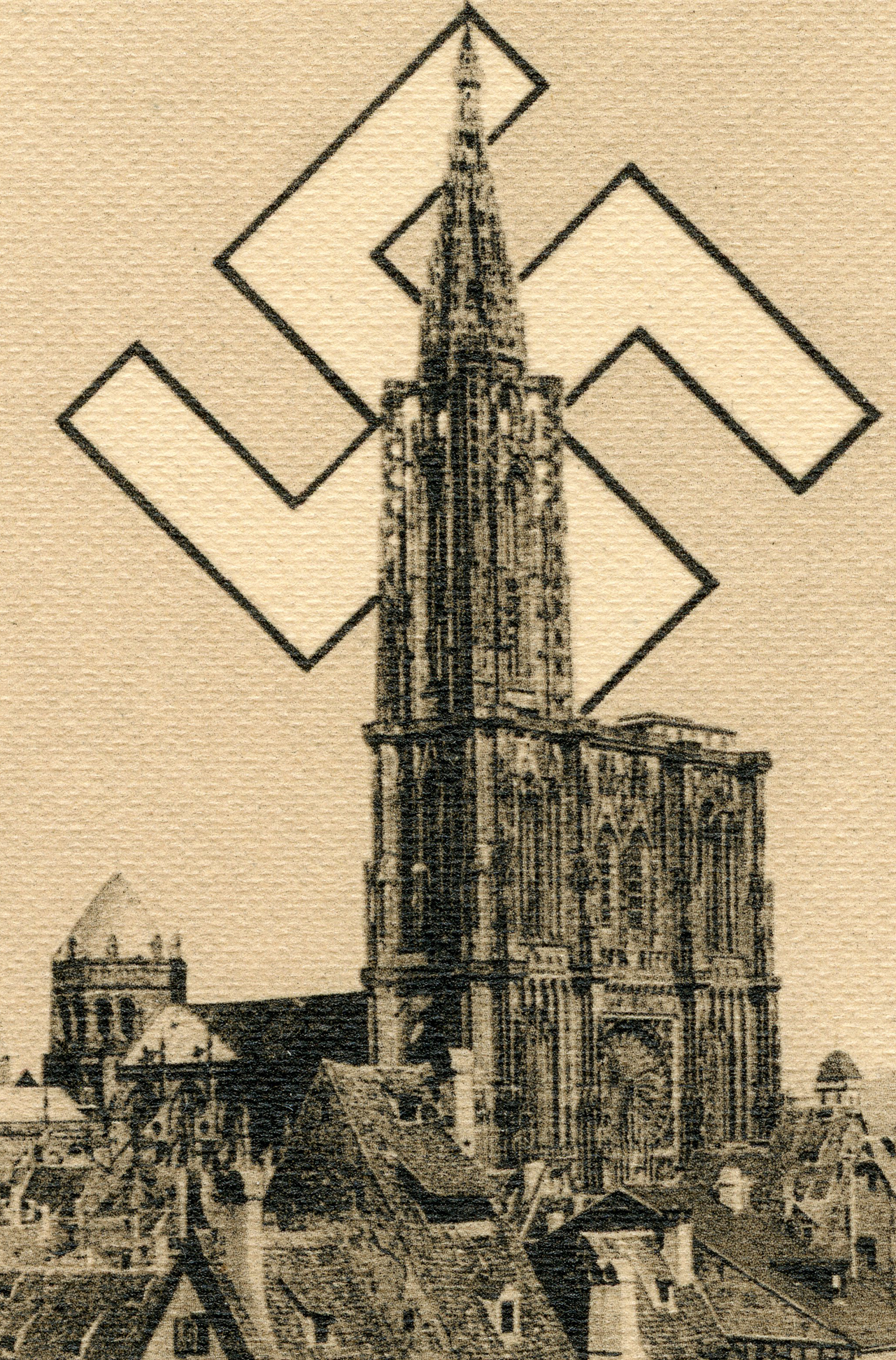
[Below: Close-up.]
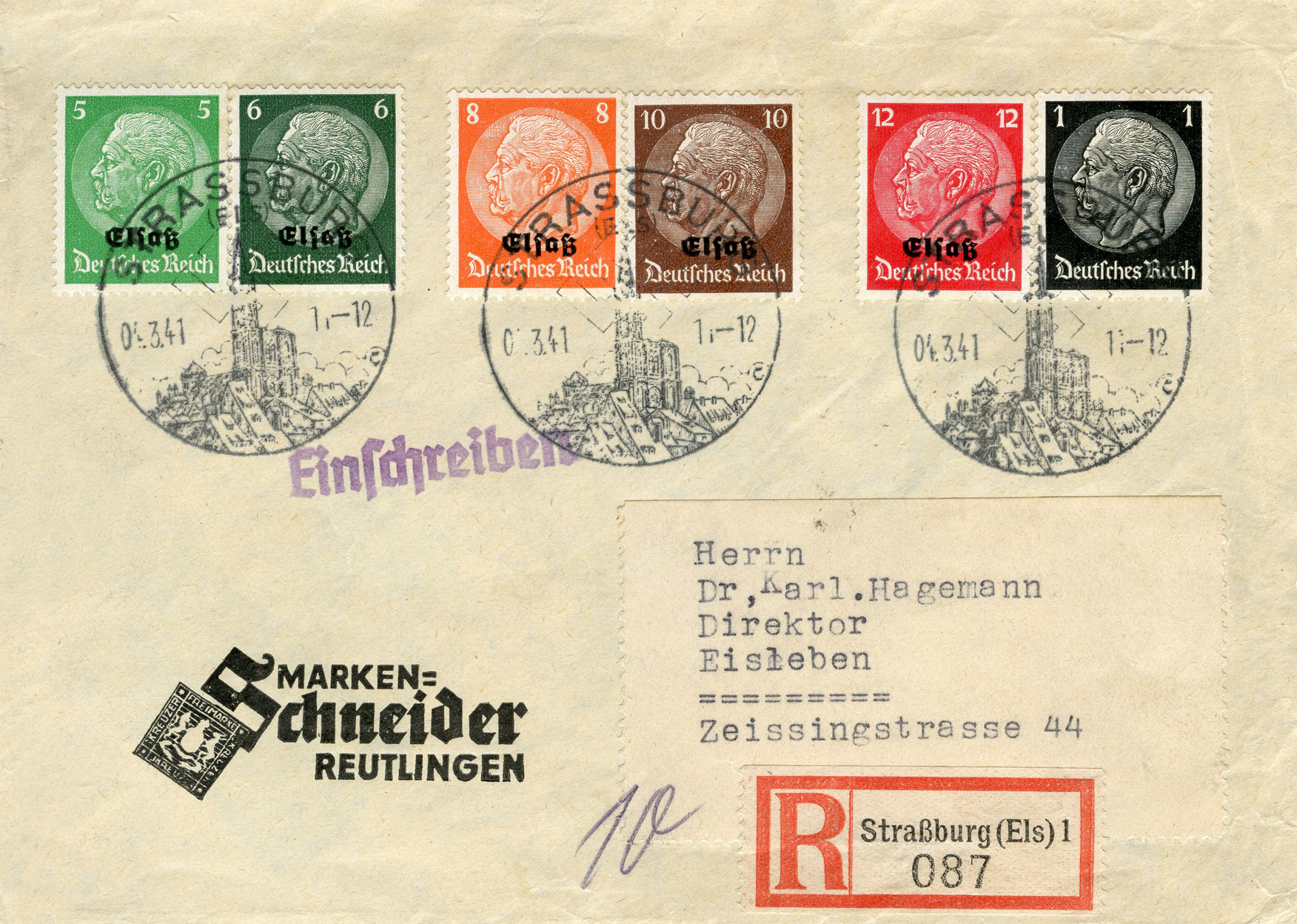
[Below: This envelope features German Hindenberg stamps that have been overprinted 'Alsace' after its return to Germany, March 4, 1941. The reverse is blank.]
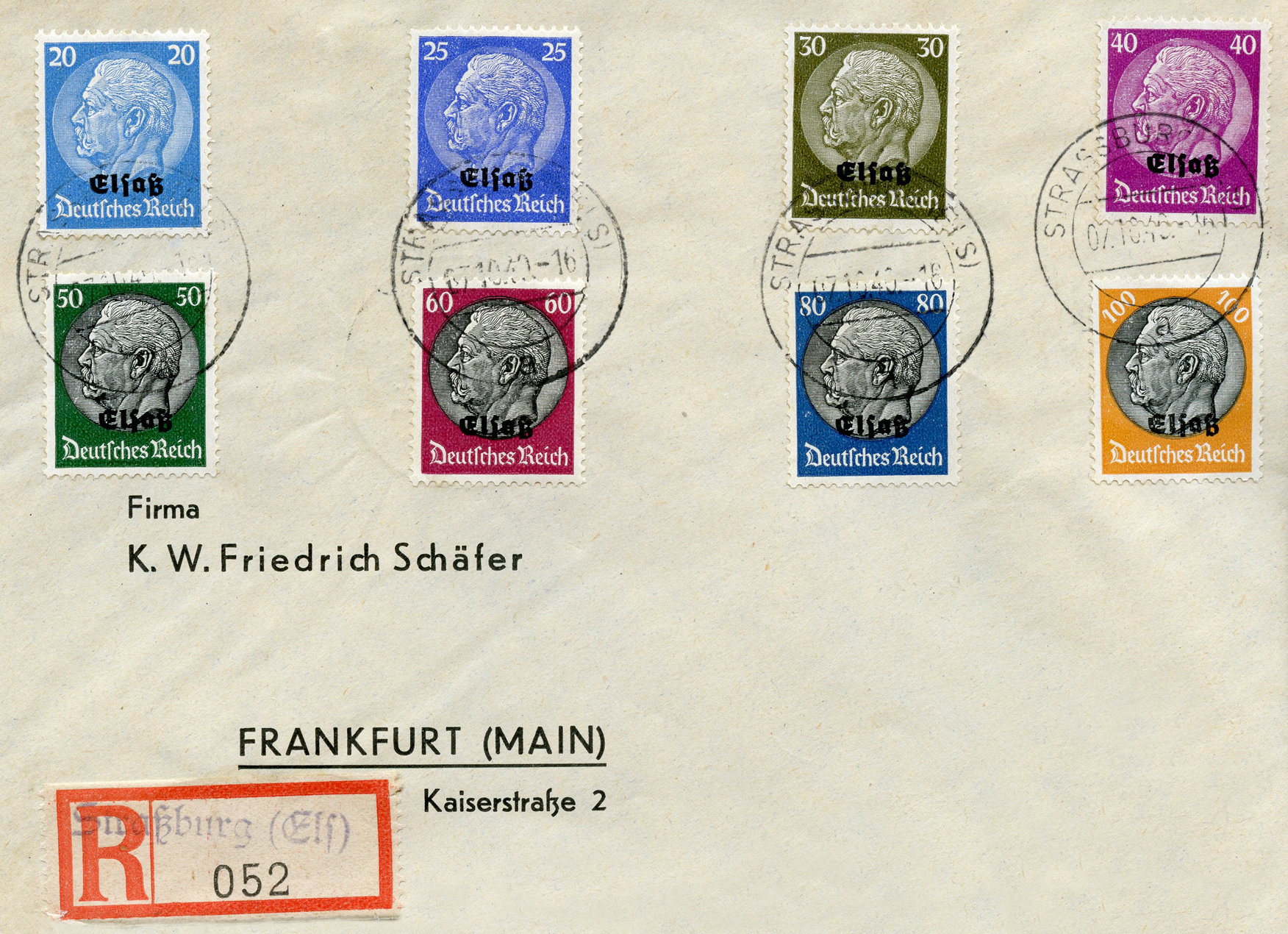
[Below: As the above envelope, the following two envelopes feature the set of German Hindenberg stamps that have been overprinted 'Alsace' after its return to Germany, October 7, 1940.]
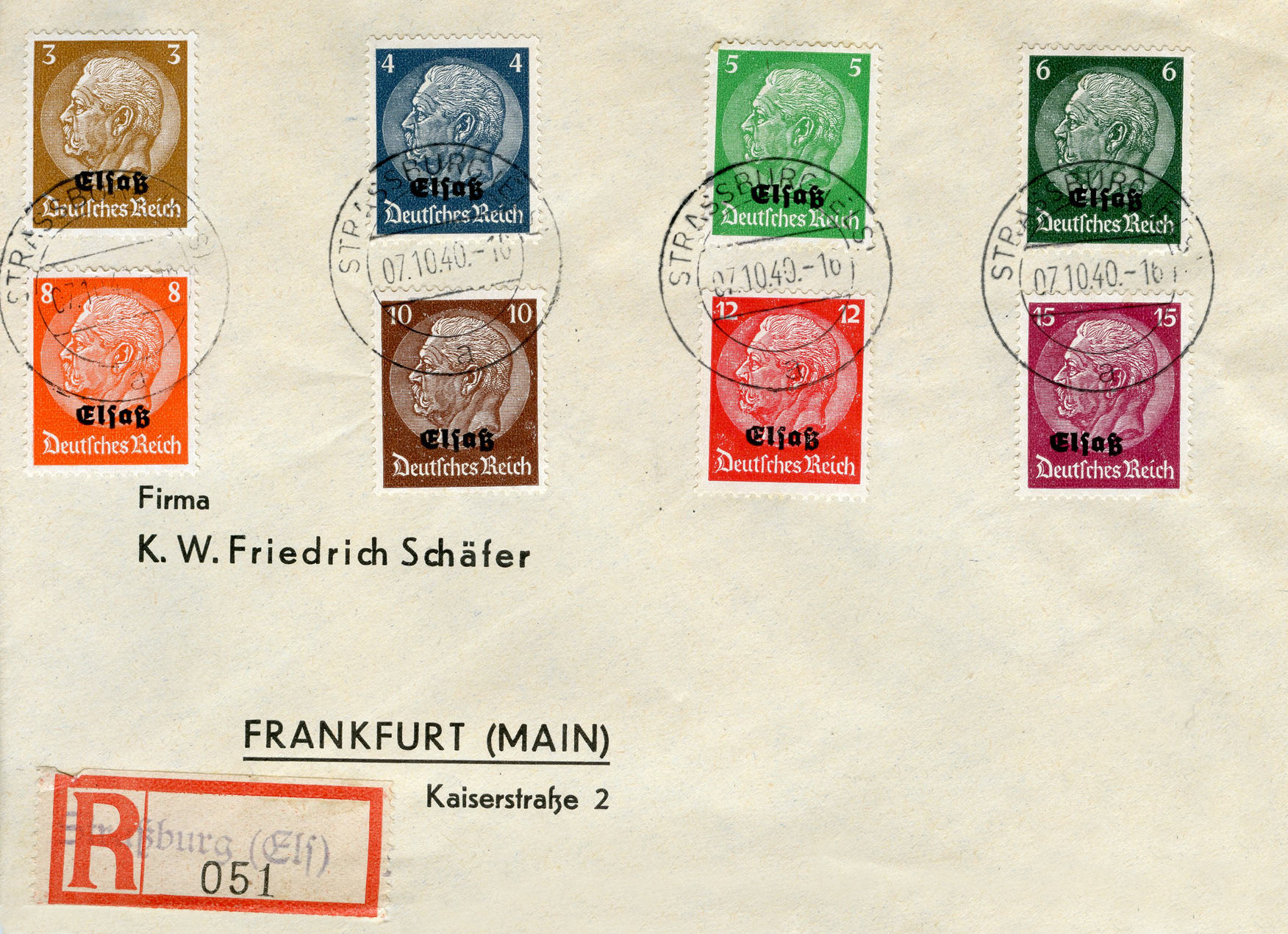
[Below: Reverse with arrival stamp.]
[Below: ...]
[Below: Reverse with arrival stamp.]
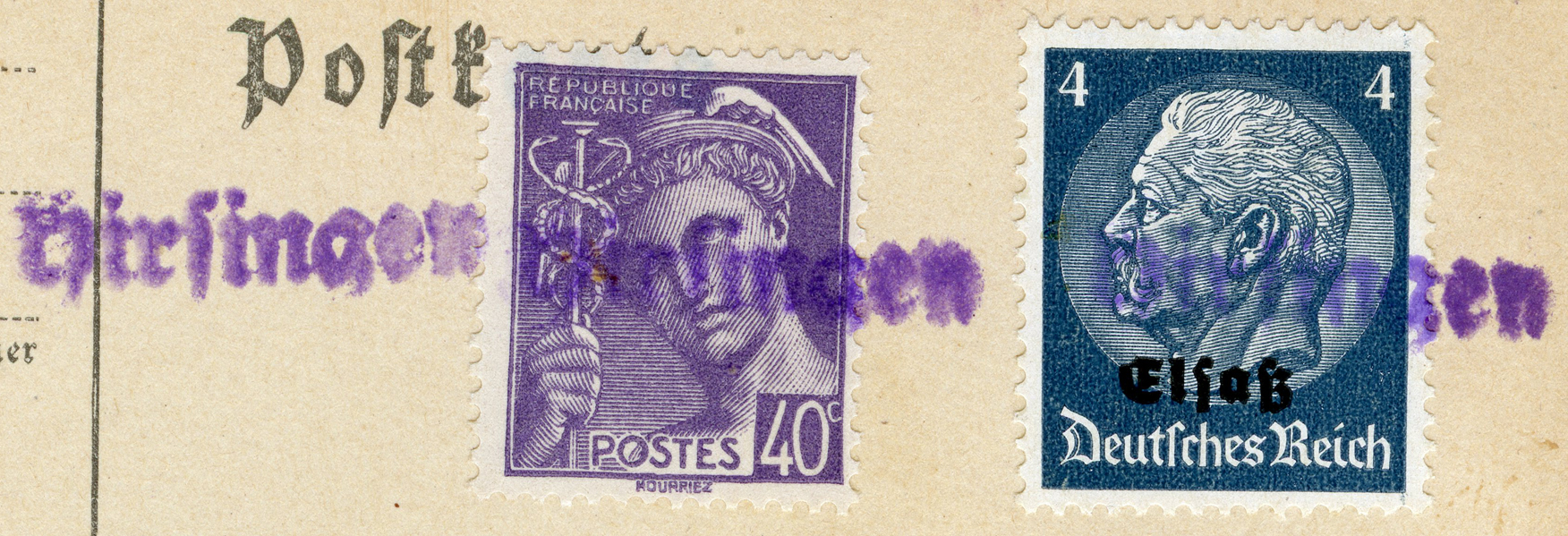
[Below: This postcard uses a French stamp (Alsace was stolen from Germany after the Versailles Treaty by France), and a German 'Alsace' overprinted Hindenberg stamp. There was usually a period given by the post office that allowed the usage of old stamps, allowing people to use the stamps they had already bought, such as old French postage stamps as we see here.]
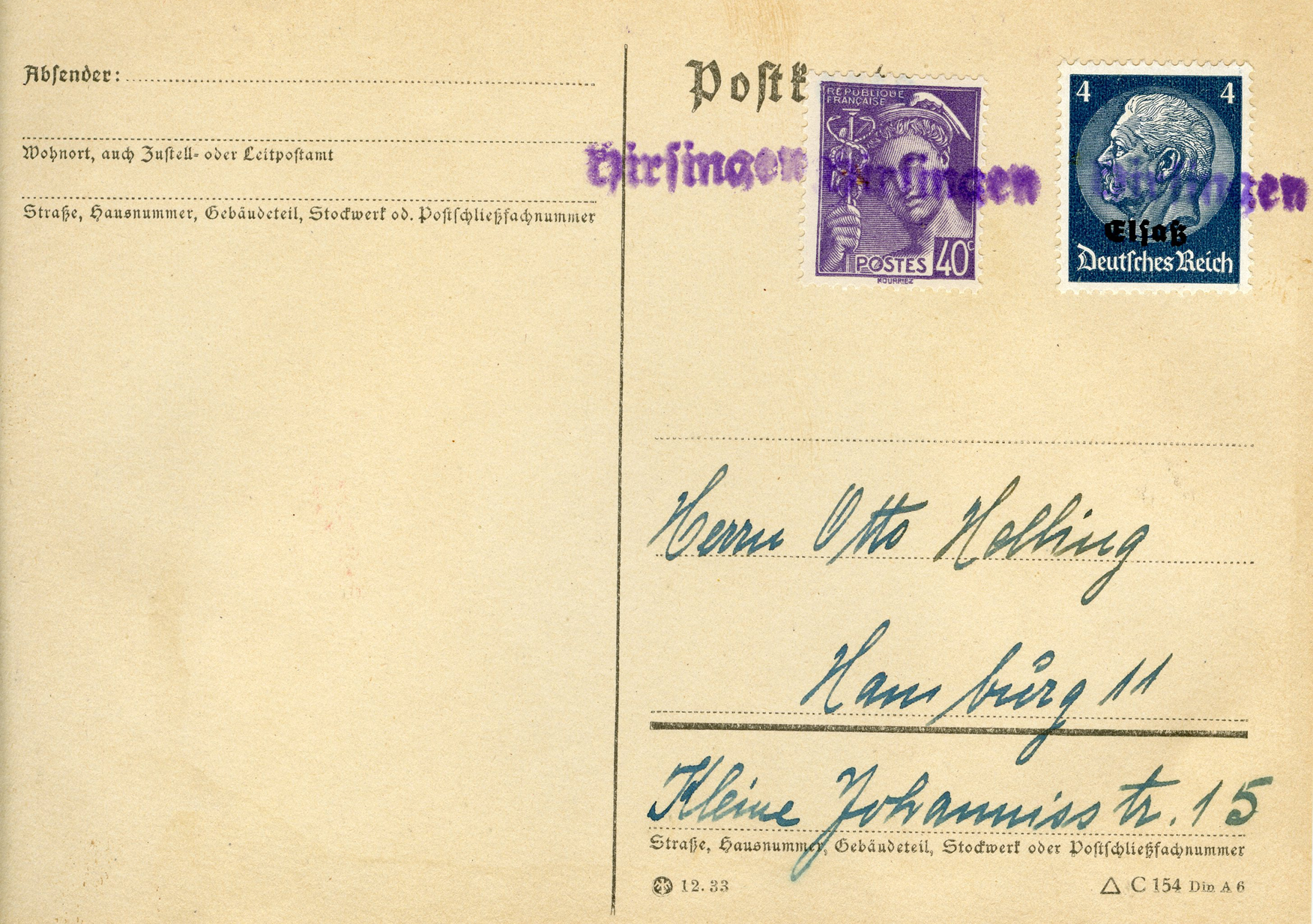
[Below: Close-up.]
[Below: This envelope, like the previous Alsace stamps, features a 'Lothringen' overprinted Hindenburg stamp.]
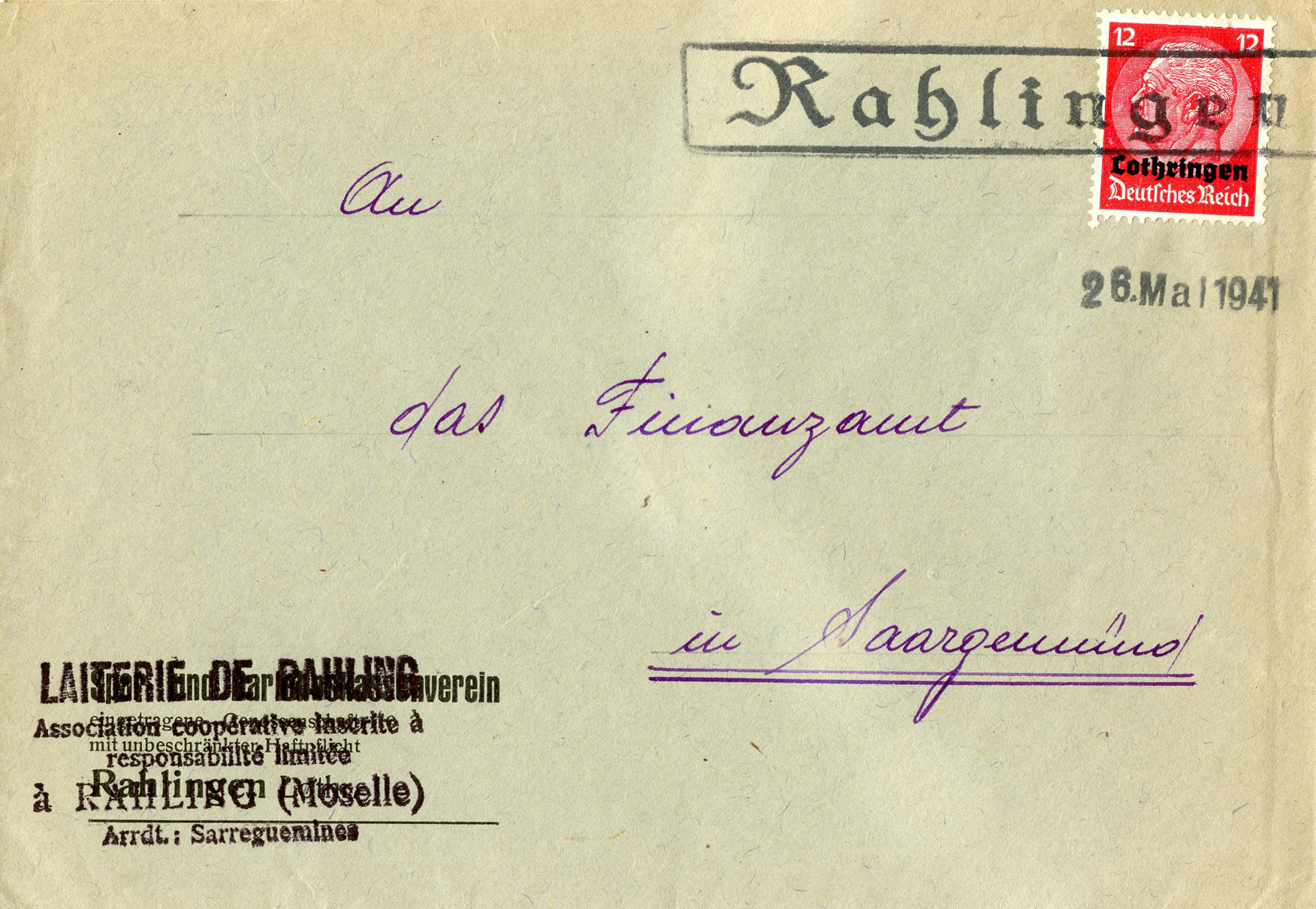
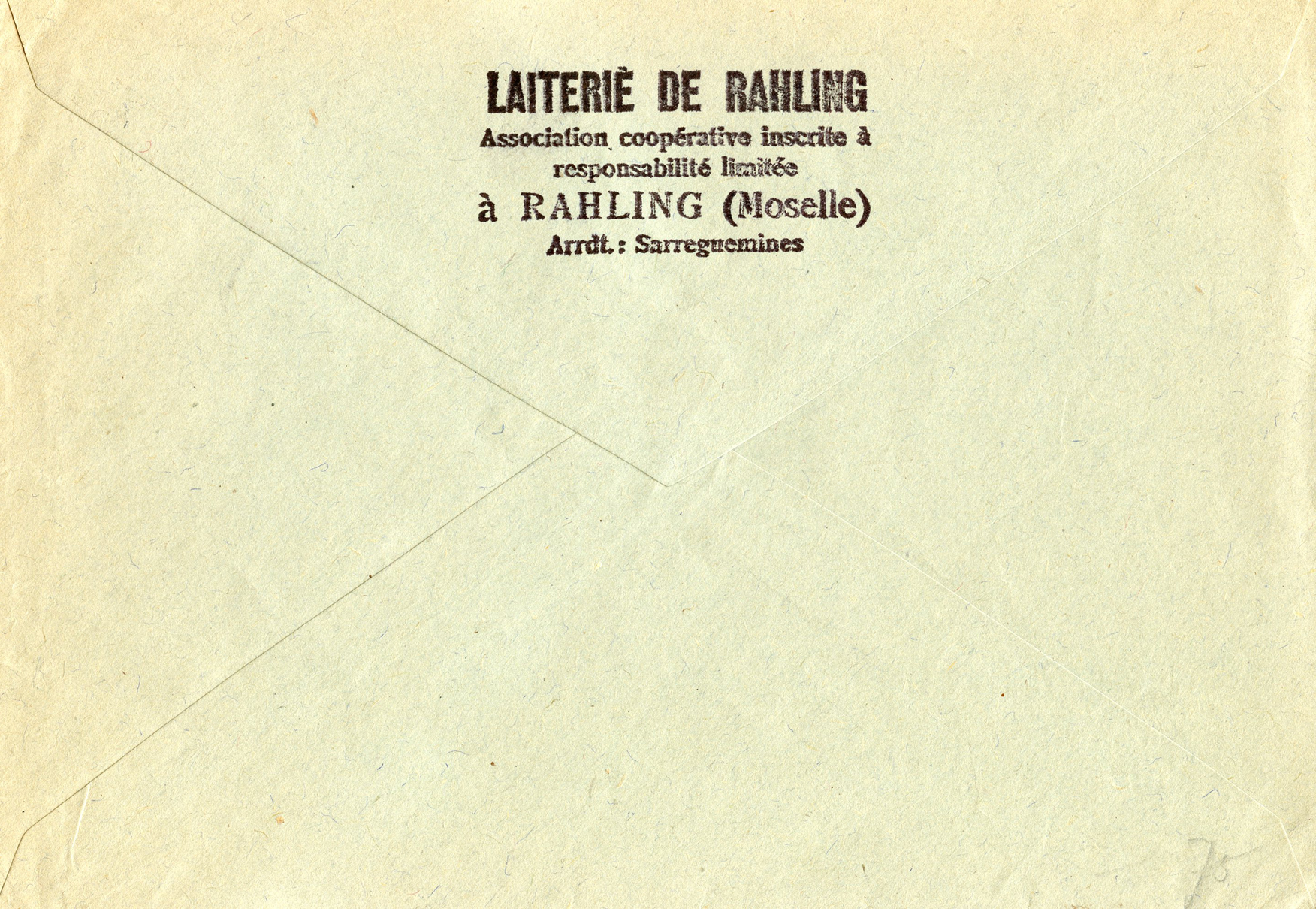
[Below: Reverse.]
[Below: This envelope, features a 'Lothringen' overprinted Hindenburg stamp, a German stamp and some French stamps, postmarked August 25, 1940.]
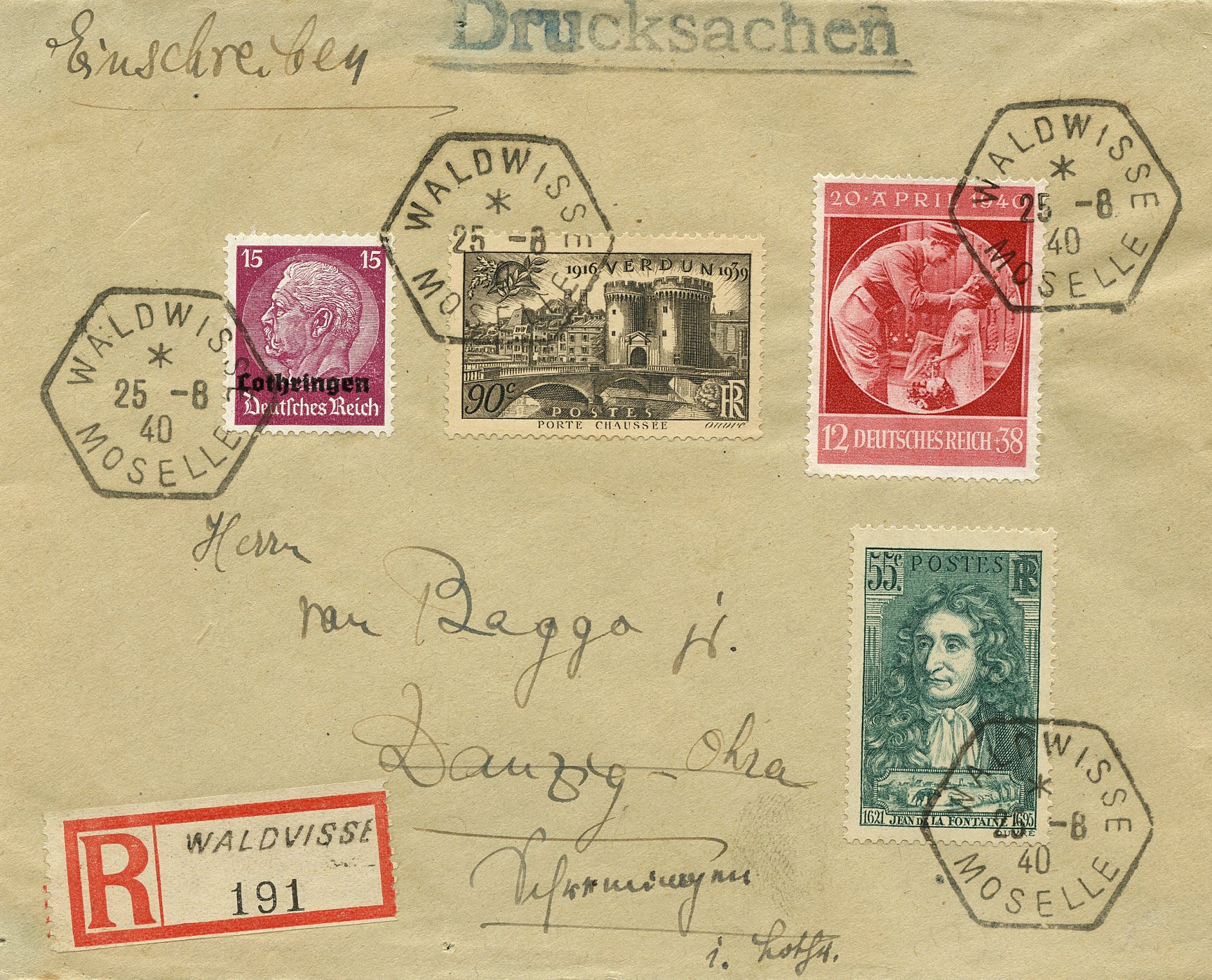
[Below: Reverse.]
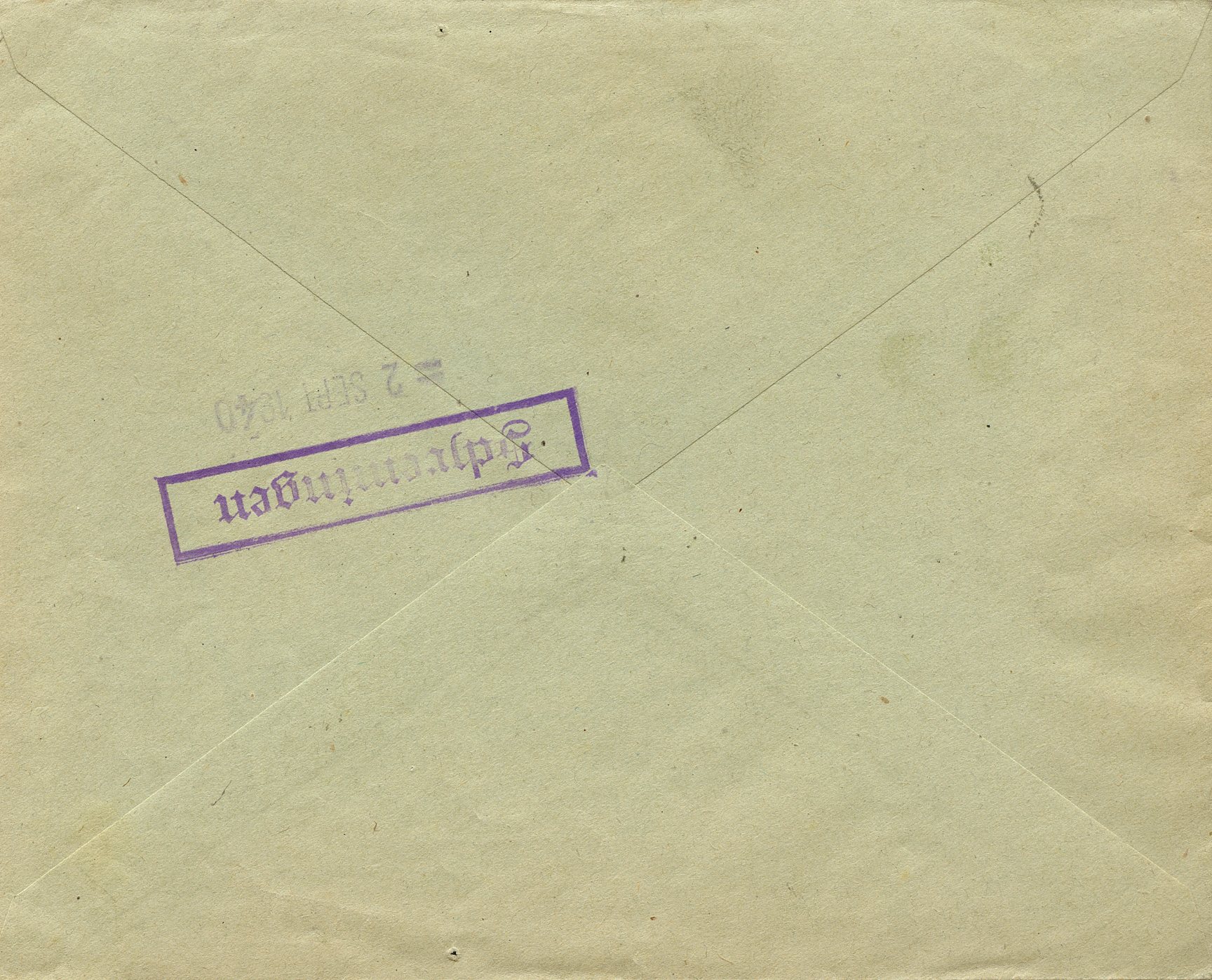
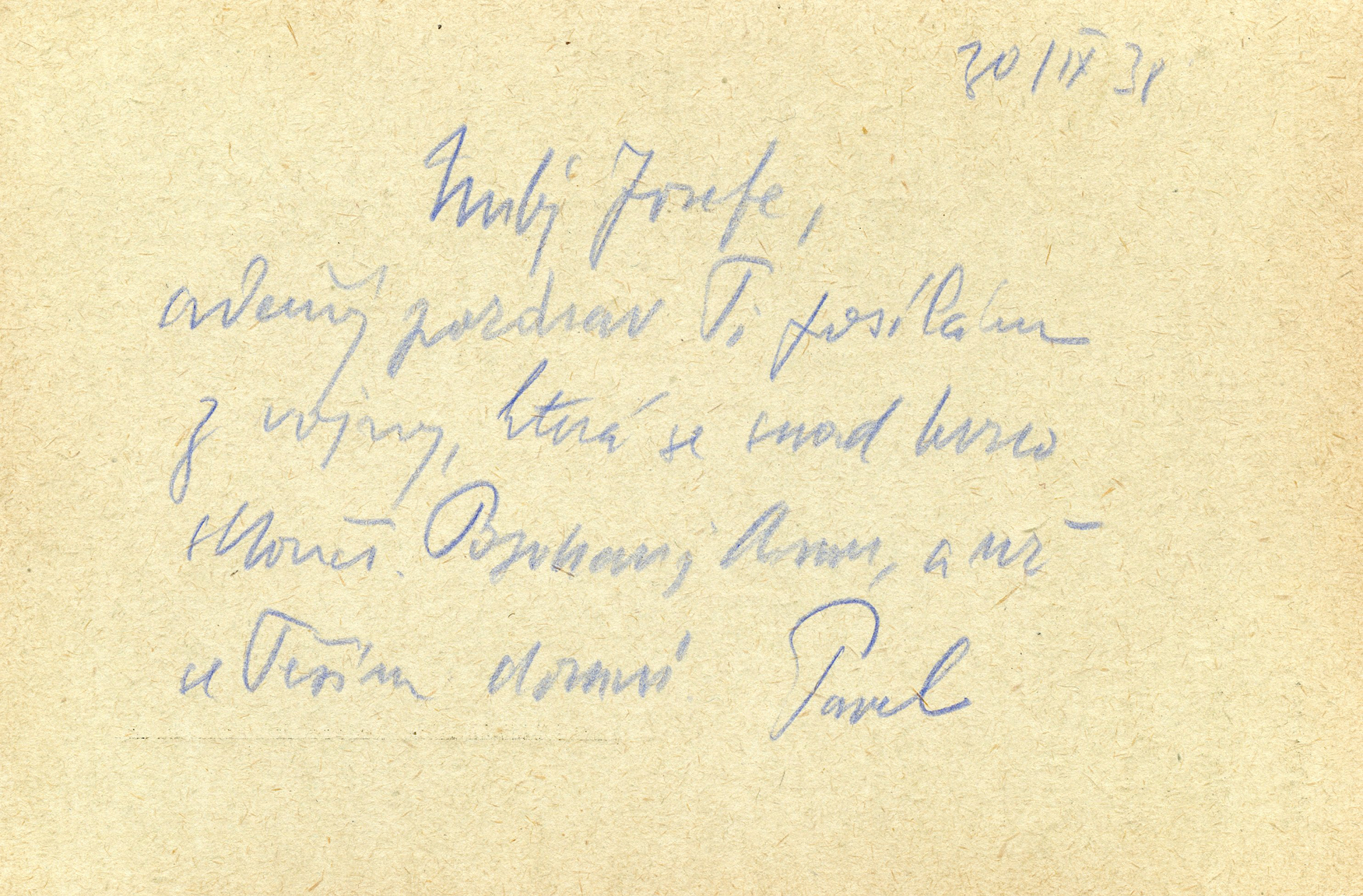
[Below: Czechoslovakian field post postcard from the 'Sudetenland crisis', September 30, 1938. Germany demanded the annexation of Czechoslovakia's northern and western border regions, which were home to over 3 million ethnic German. On September 30, 1938, The Munich Agreement agreement was signed by the leaders of Britain, France, Italy, and Germany, returning the lands to Germany. German troops marched into the region on October 1, 1938]
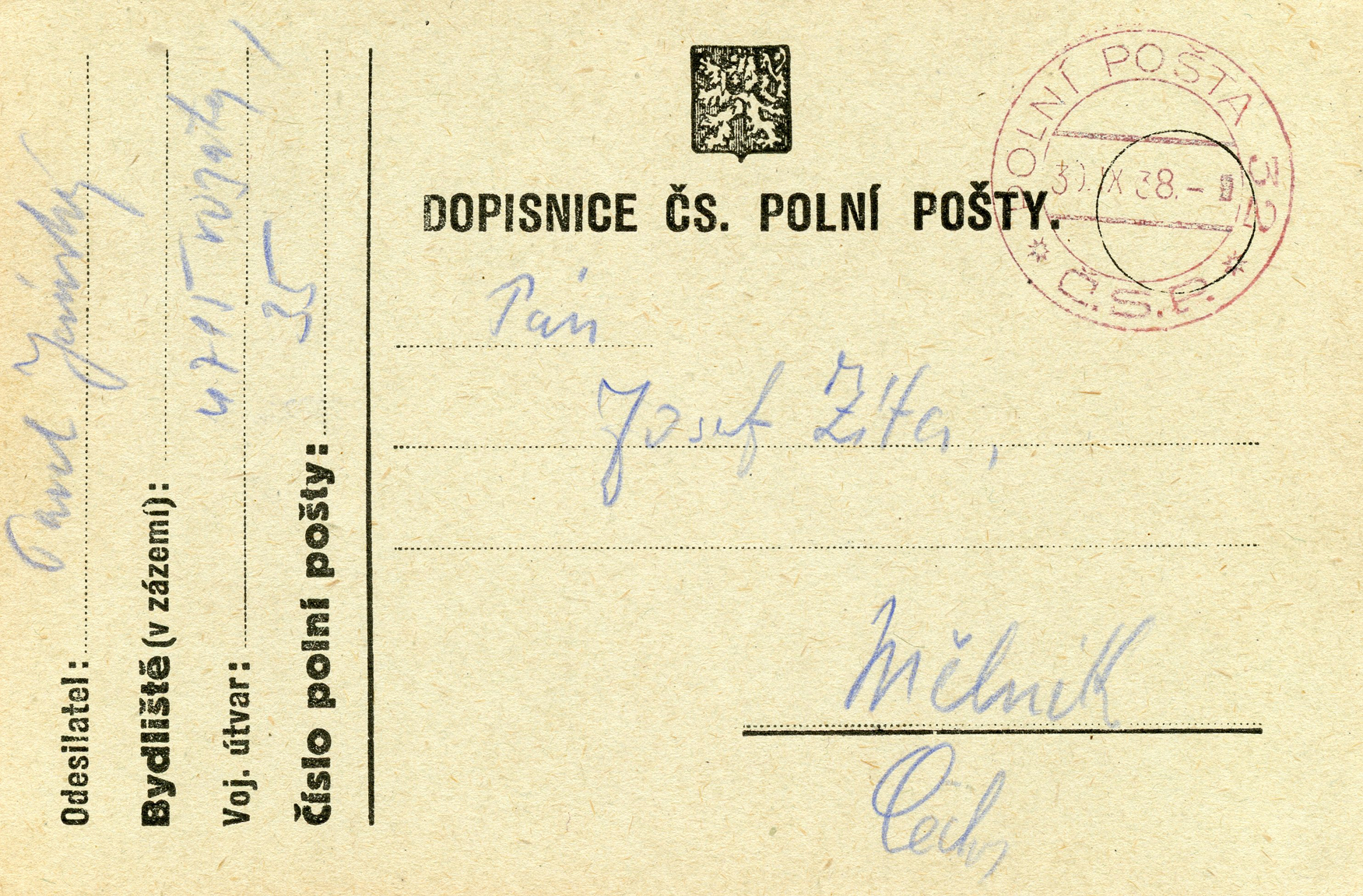
[Below: Reverse.]
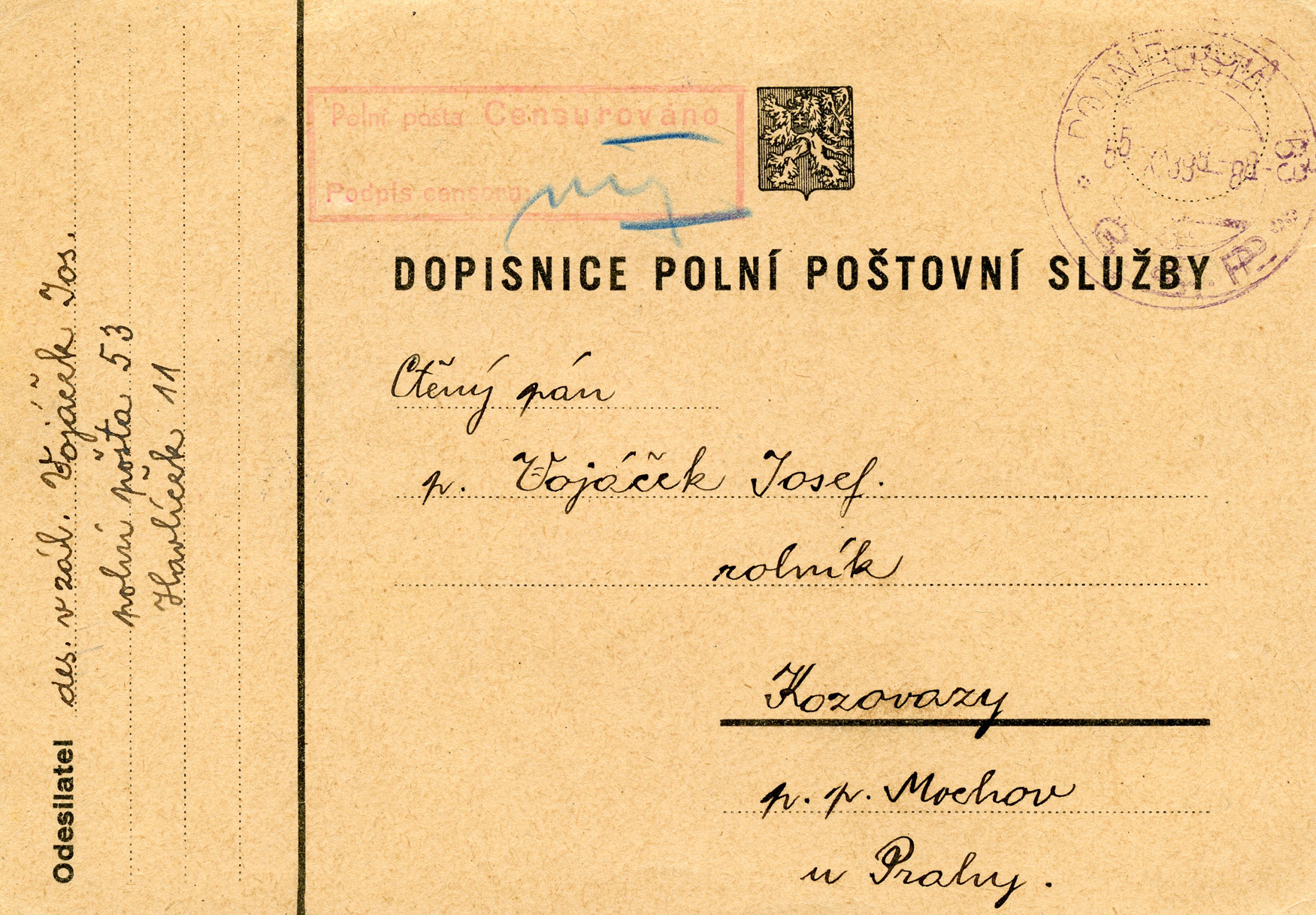
[Below: Czechoslovakian field post postcard from the 'Sudetenland crisis' September 5, 1938. This one was censored by the Czech authorities.]
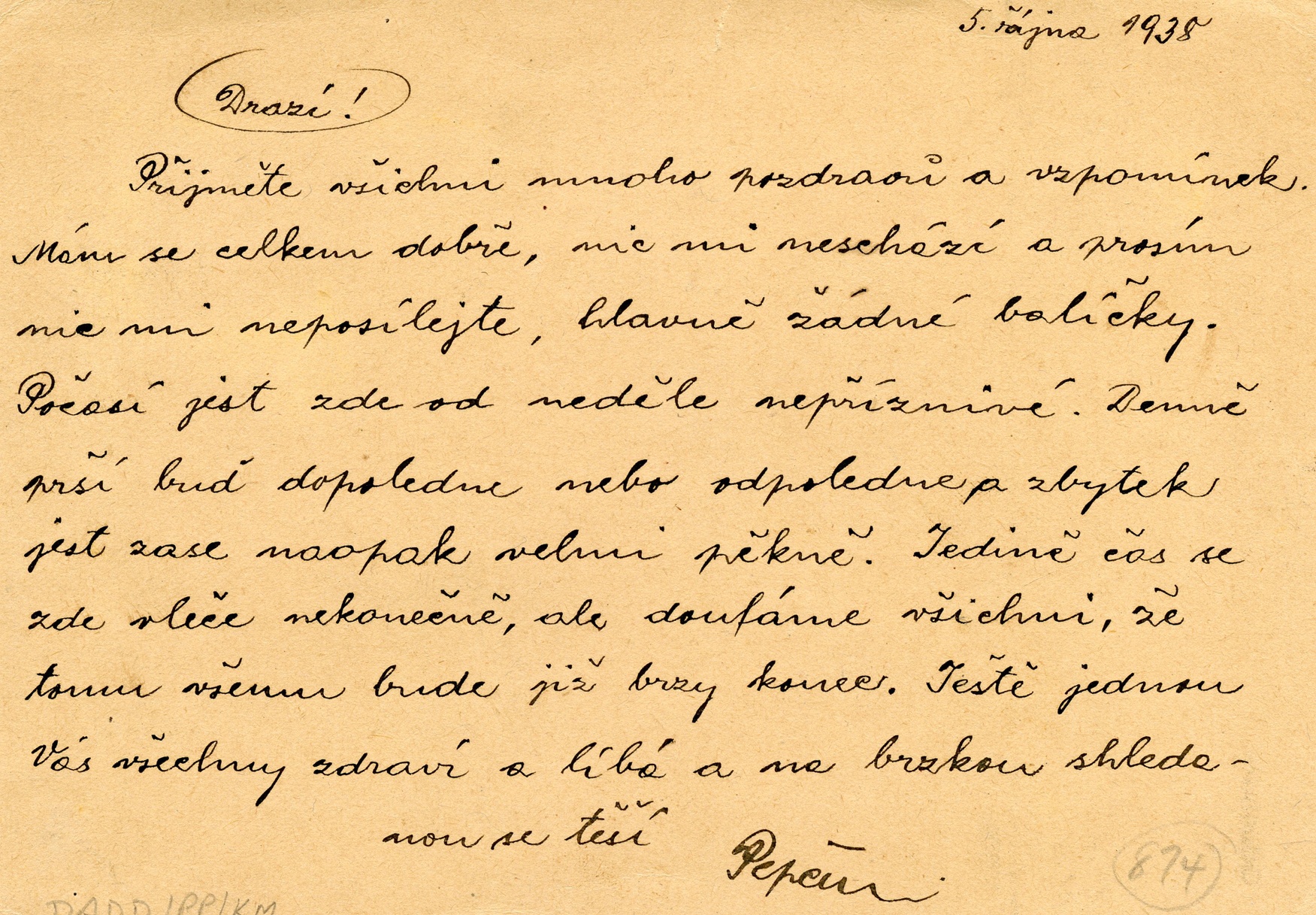
[Below: Reverse. This says: 'Please accept many greetings and memories. I am quite well, I am not missing anything and please do not send me any packages. The weather has been unfavorable here since Sunday. It rains every day either in the morning or in the afternoon and the rest of the time is very nice. Only time drags on endlessly here, but we all hope that this dream will soon end. Once again, all of you are healthy and happy and we look forward to seeing you again.']
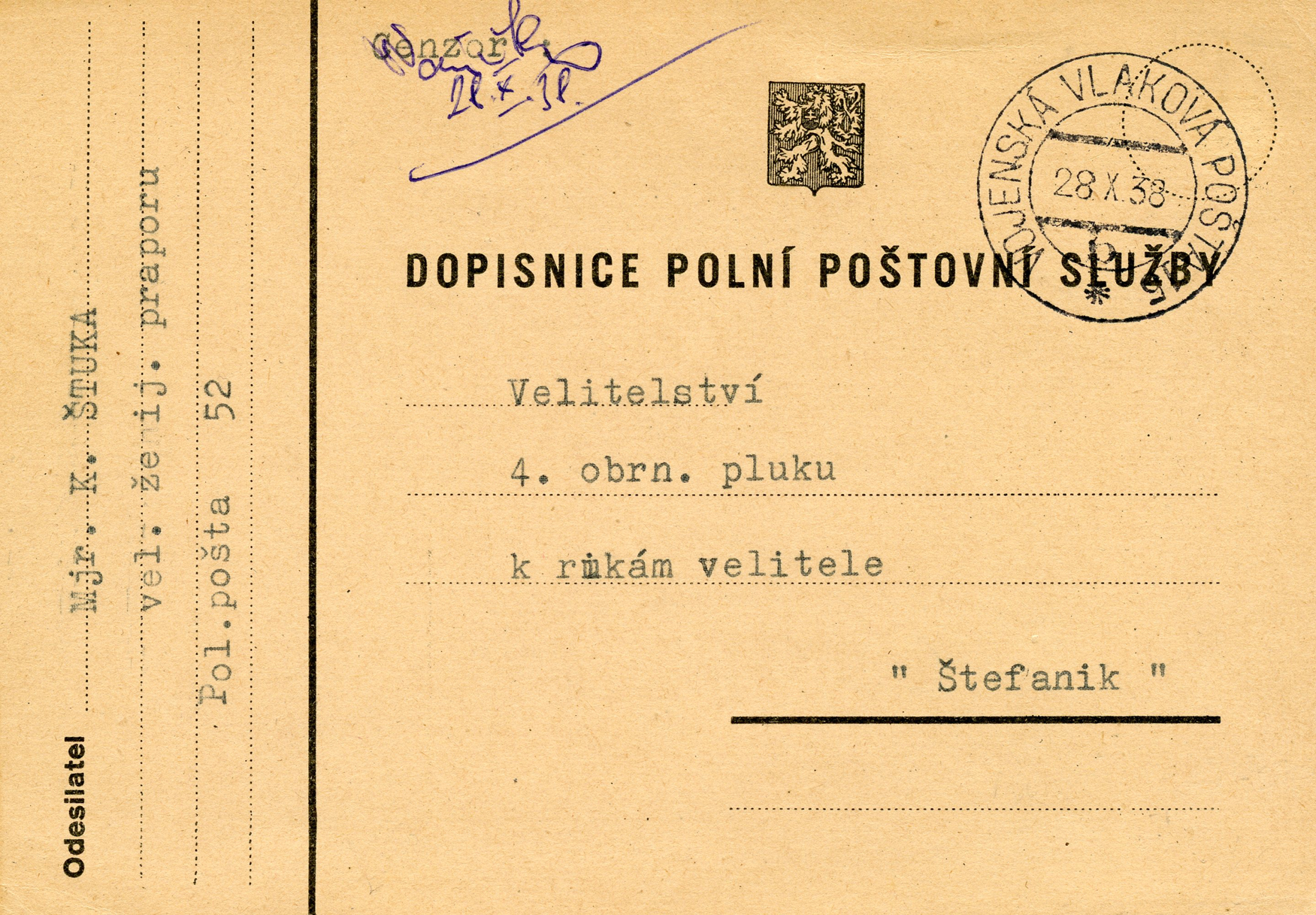
[Below: Czechoslovakian field post postcard from the 'Sudetenland crisis', October 28, 1938. This one was hand-censored by the Czech authorities. Germany invaded and occupied the remainder of the Czech provinces on March 15, 1939, establishing the Protectorate of Bohemia and Moravia.]
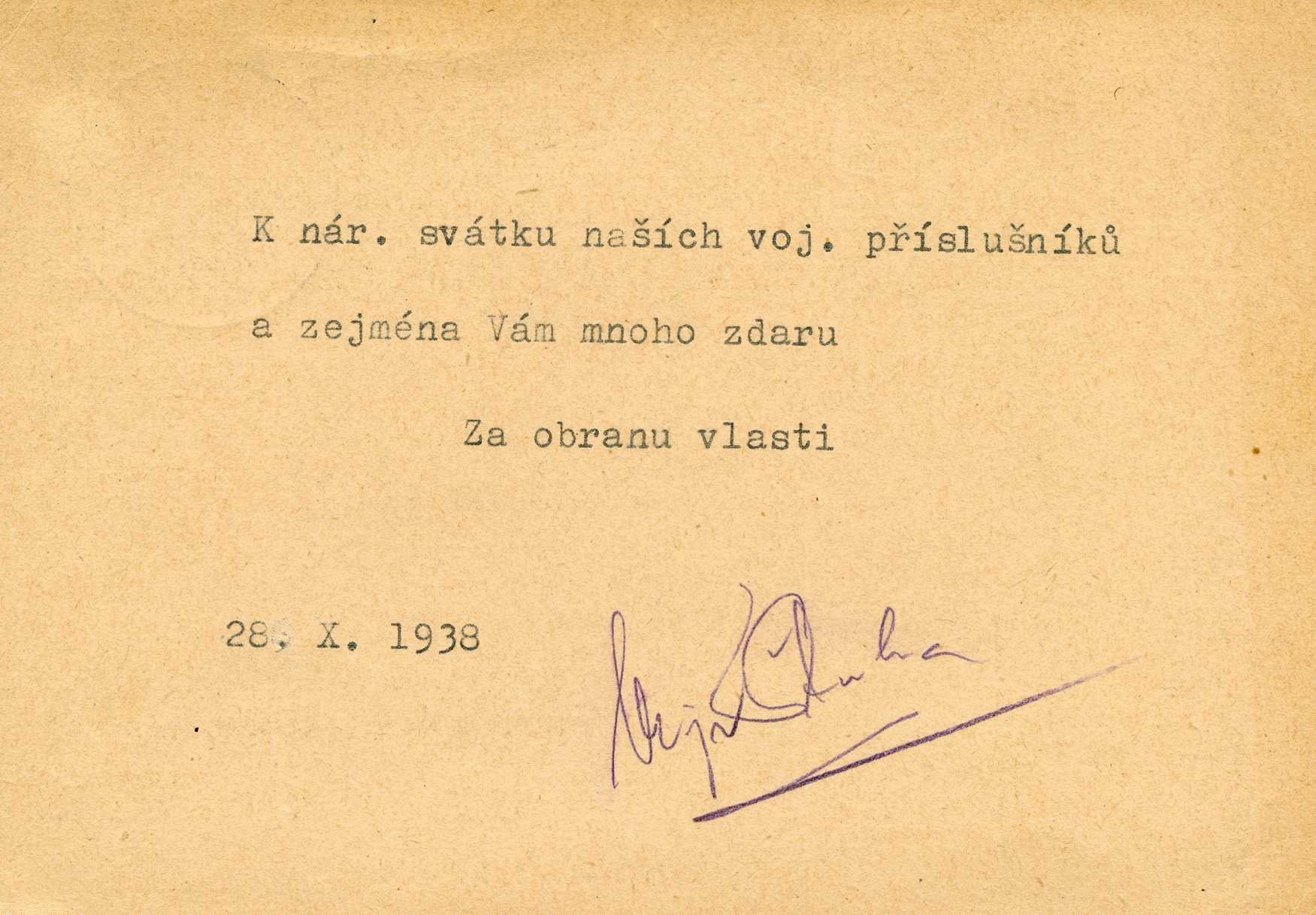
[Below: Reverse. This says 'On the national holiday of our military personnel and especially to you, good luck in defending the homeland - 28, X. 1938']
[Below: Interestingly, this one was sent on June 8, 1939, from Bohemia and Moravia (Czechoslovakia) to the UK. It still uses an old Czech postage stamp, which were allowed until the first postage stamps of the Protectorate of Bohemia and Moravia were issued on July 15, 1939.]
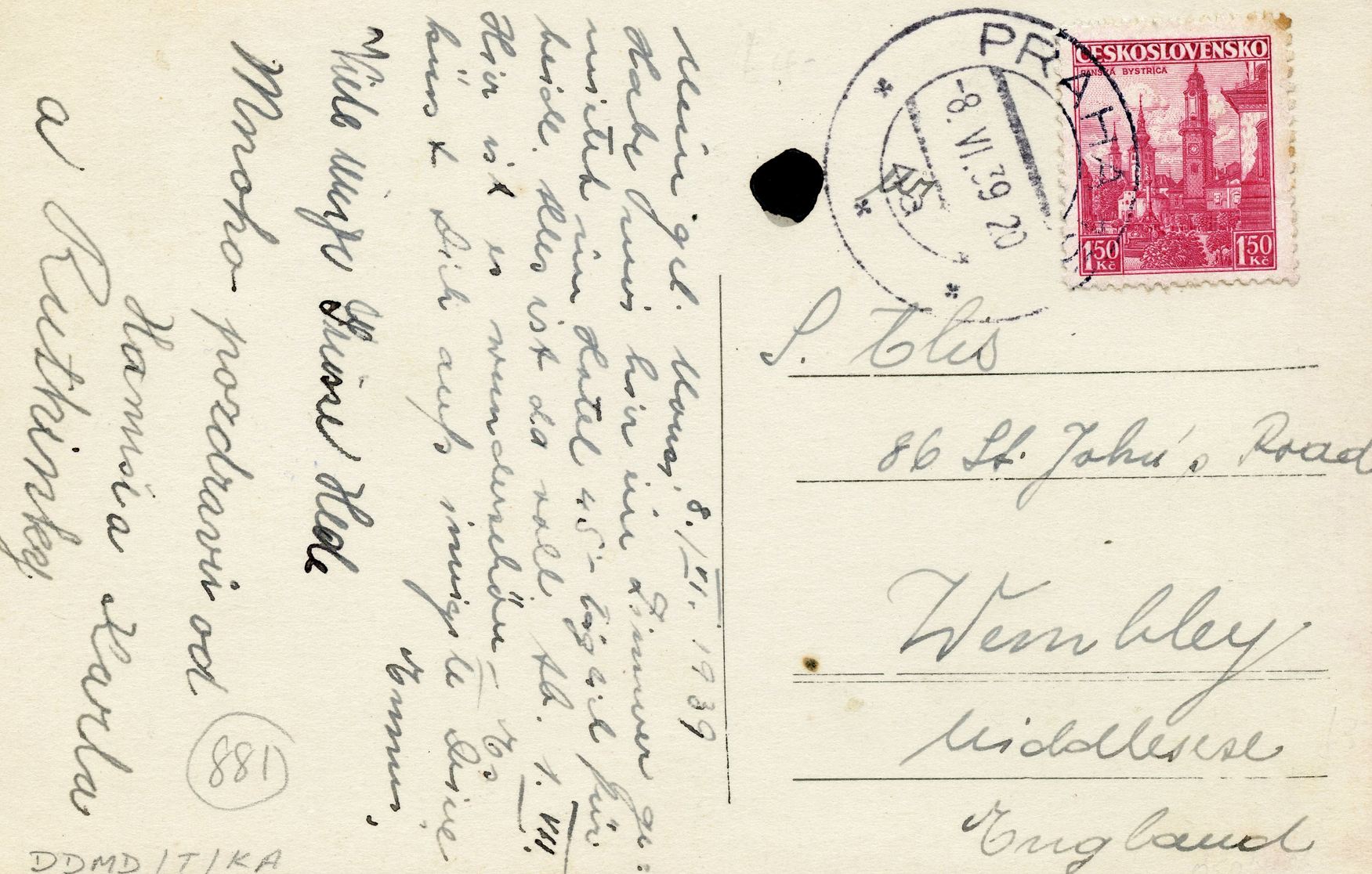
[Below: Reverse.]
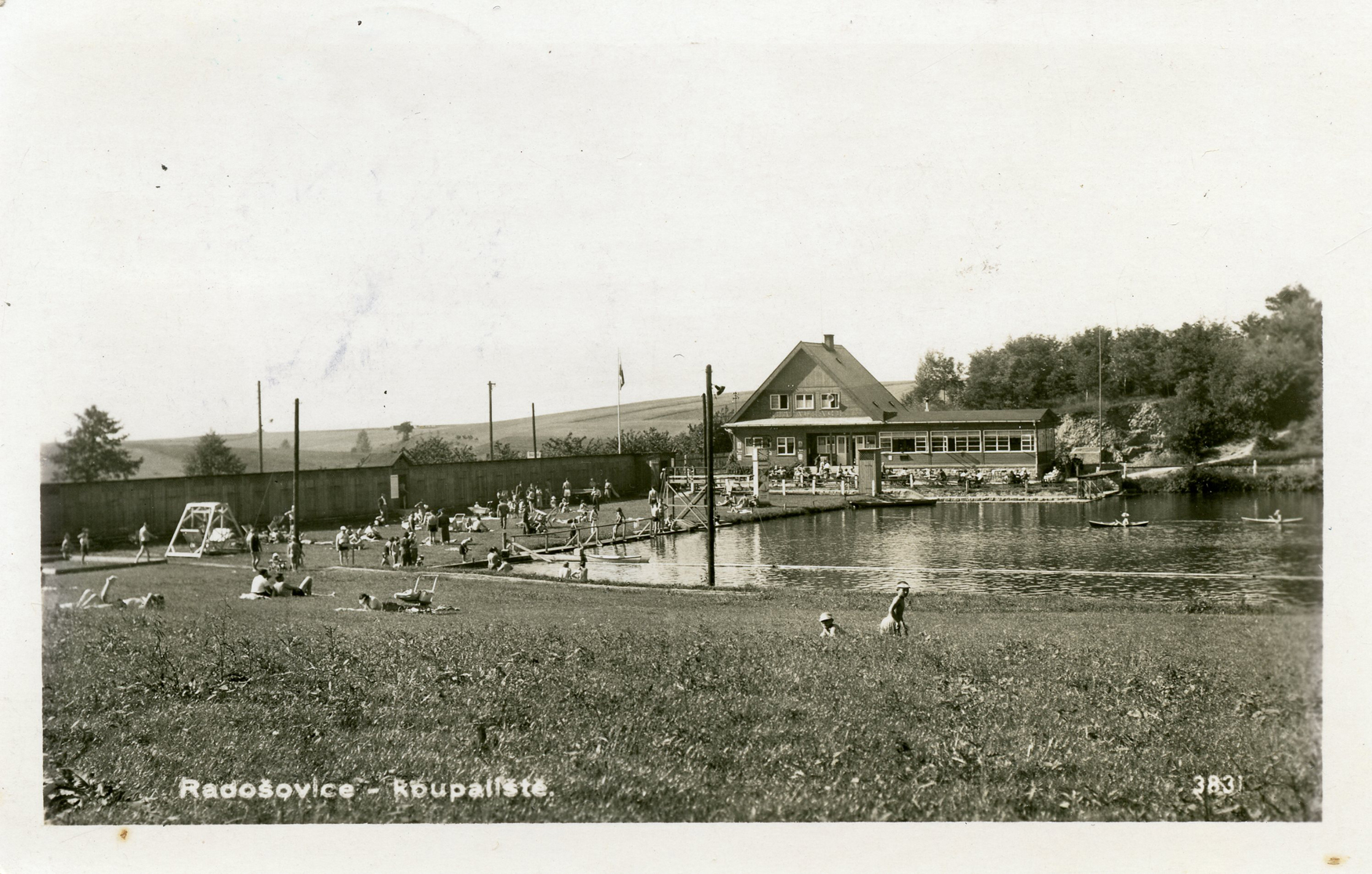
[Below: ...]
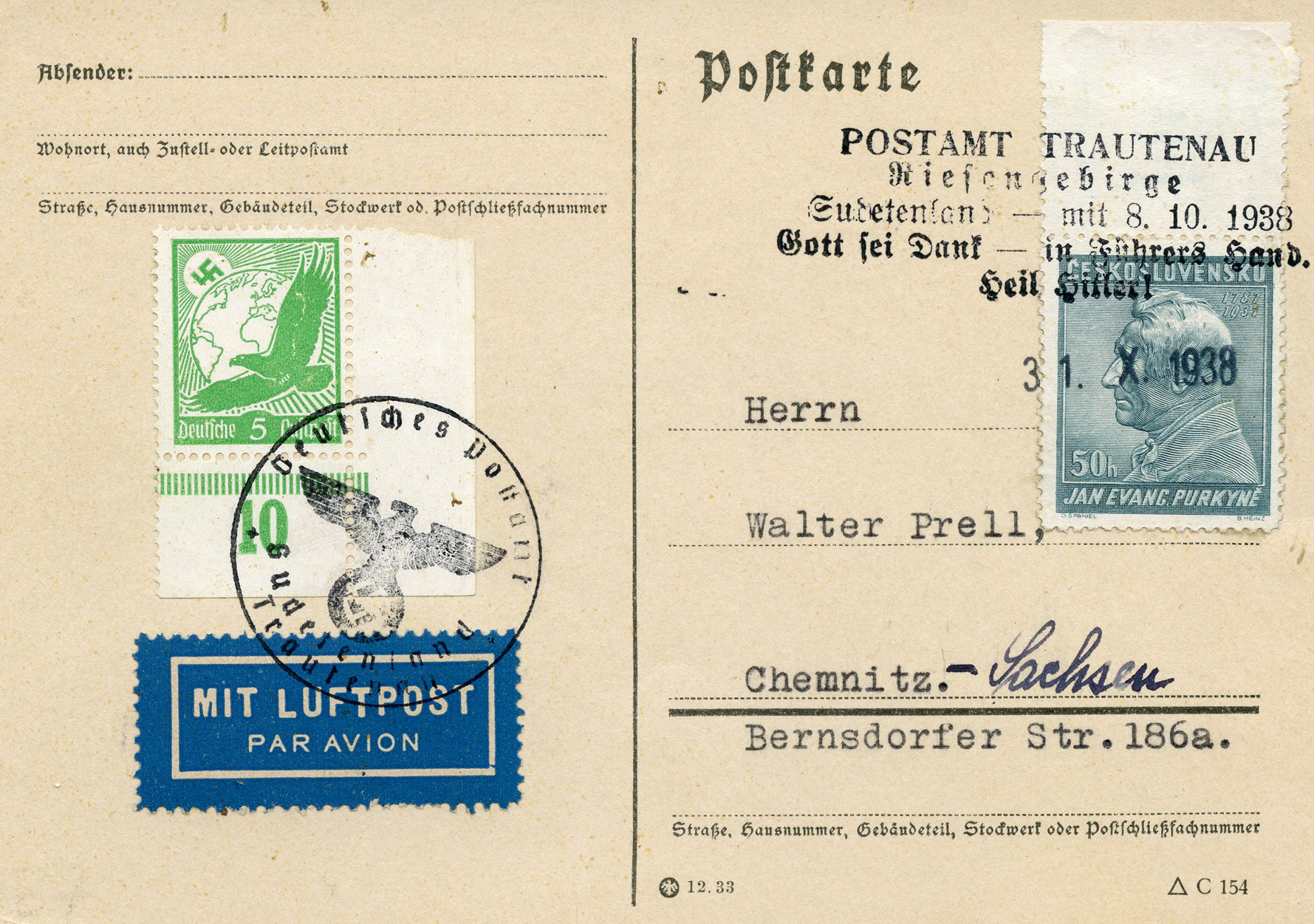
[Below: Close-up.]
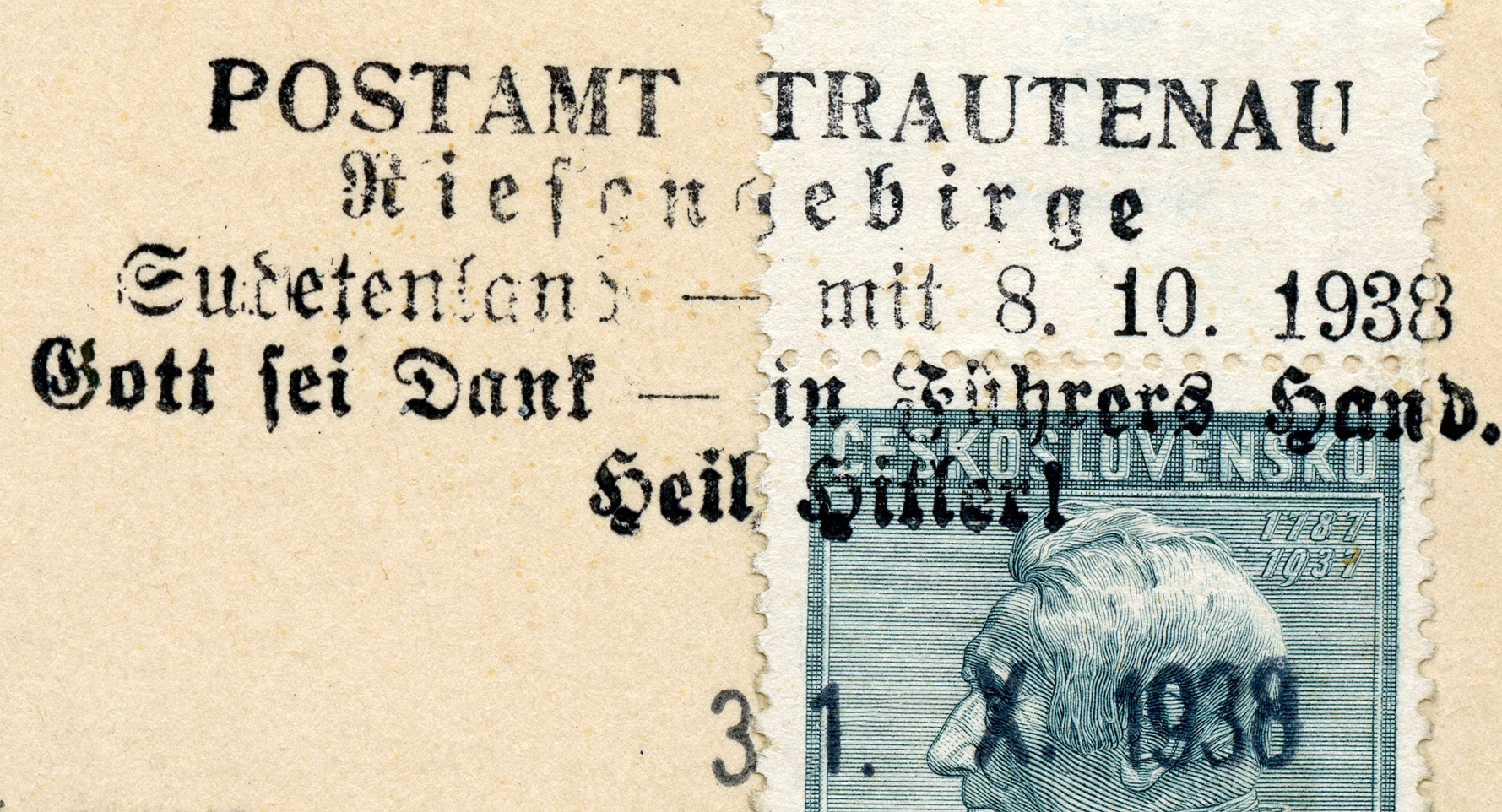
[Below: Close-up.]
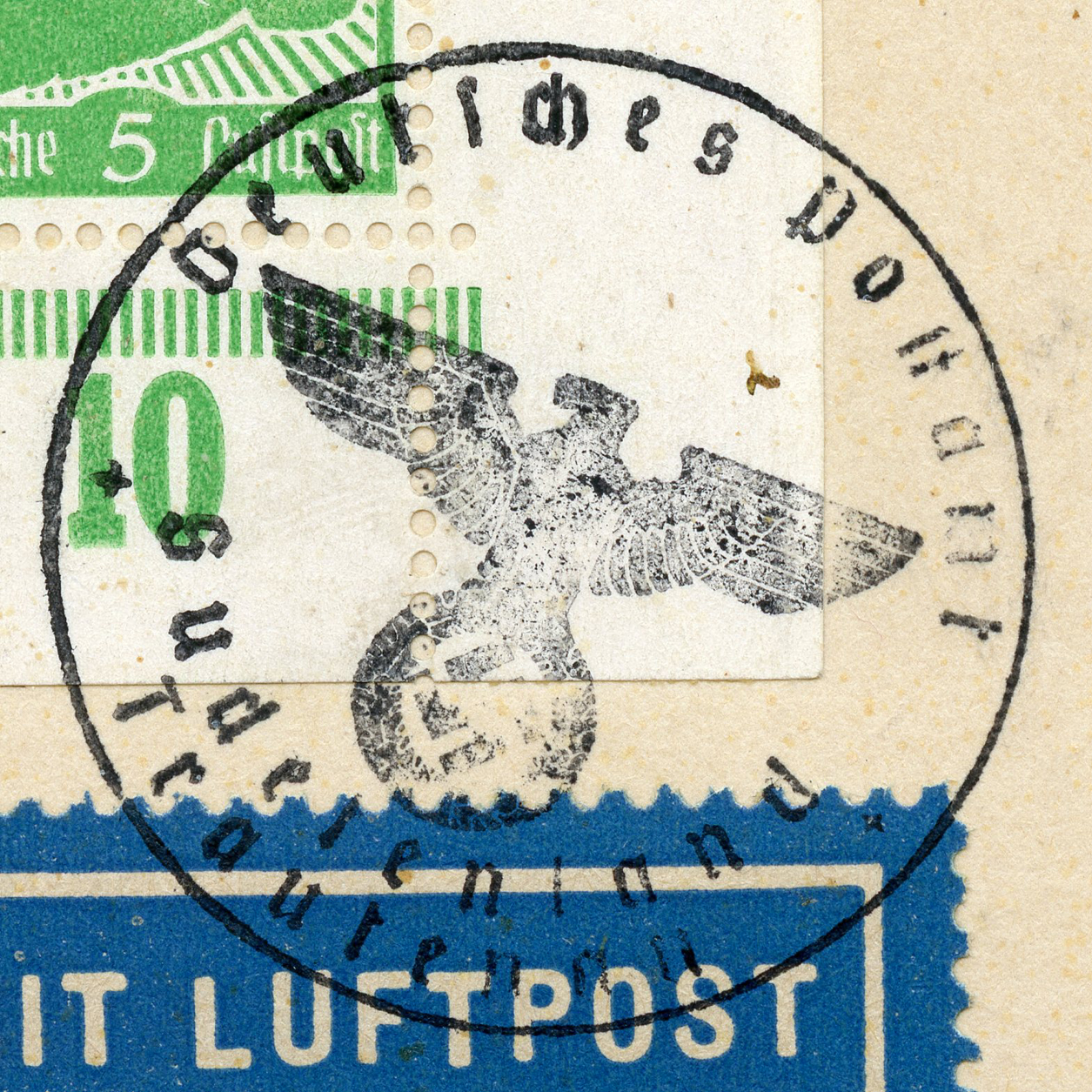
[Below: ...]
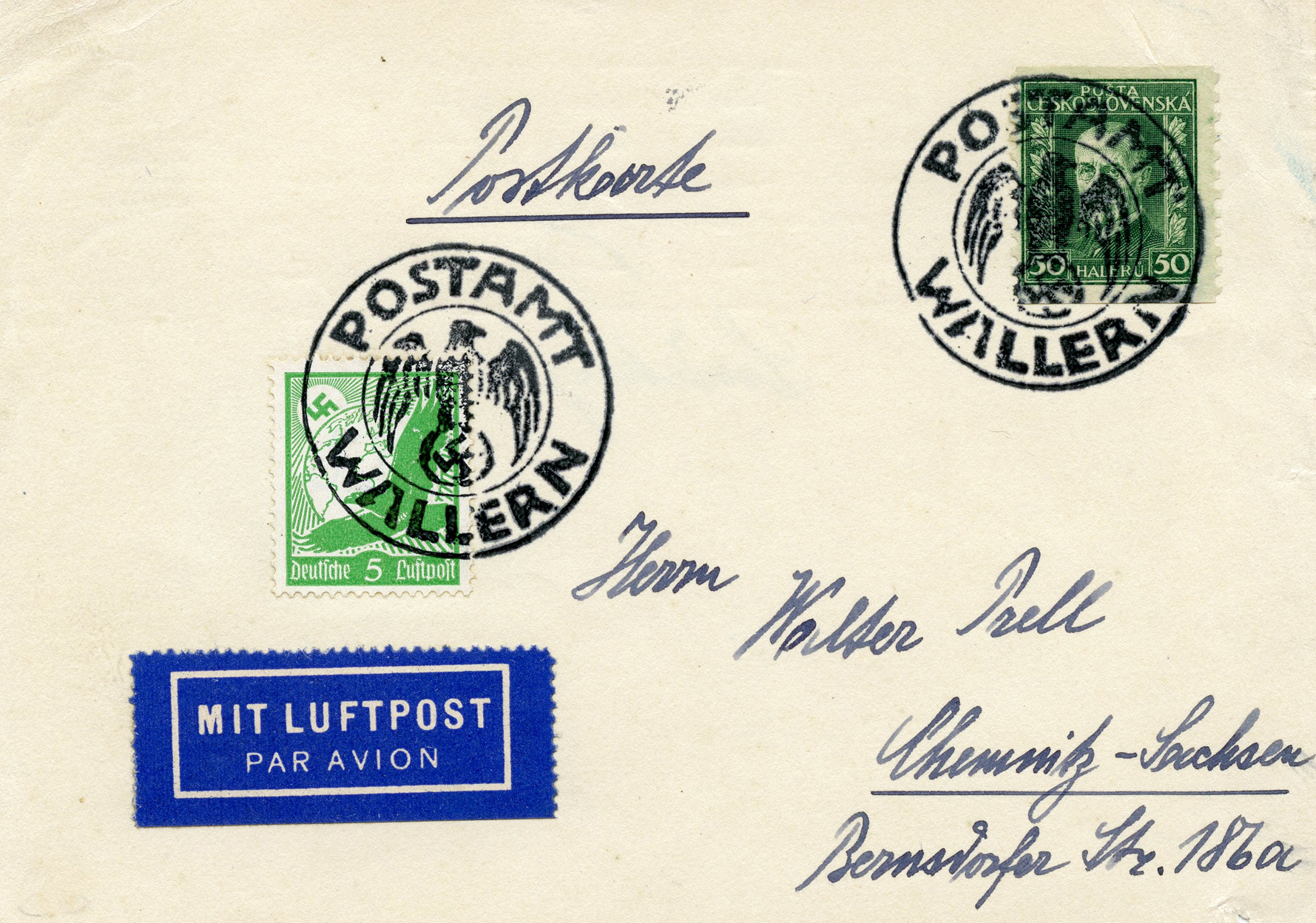
[Below: Close-up.]
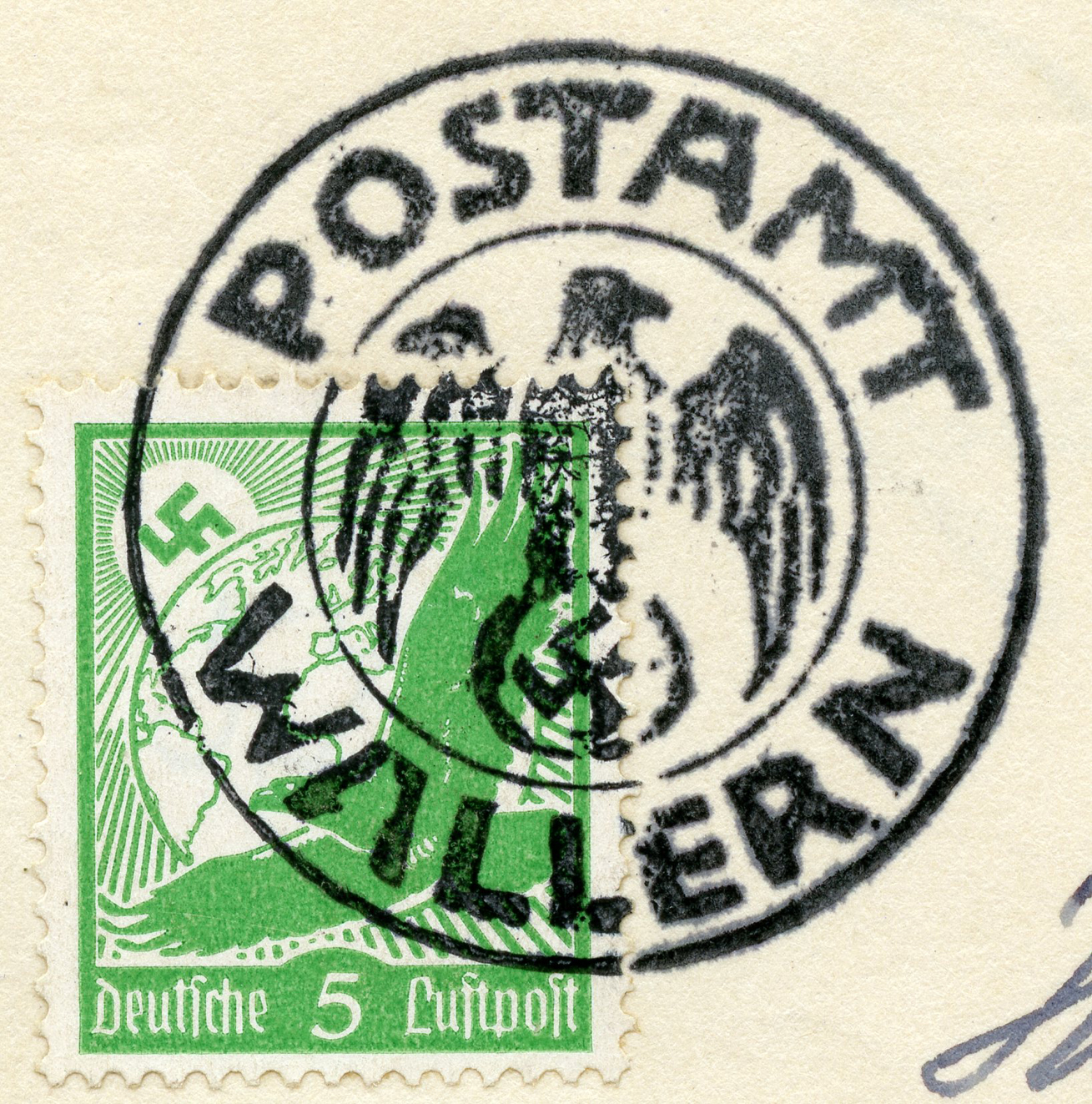
[Below: ...]
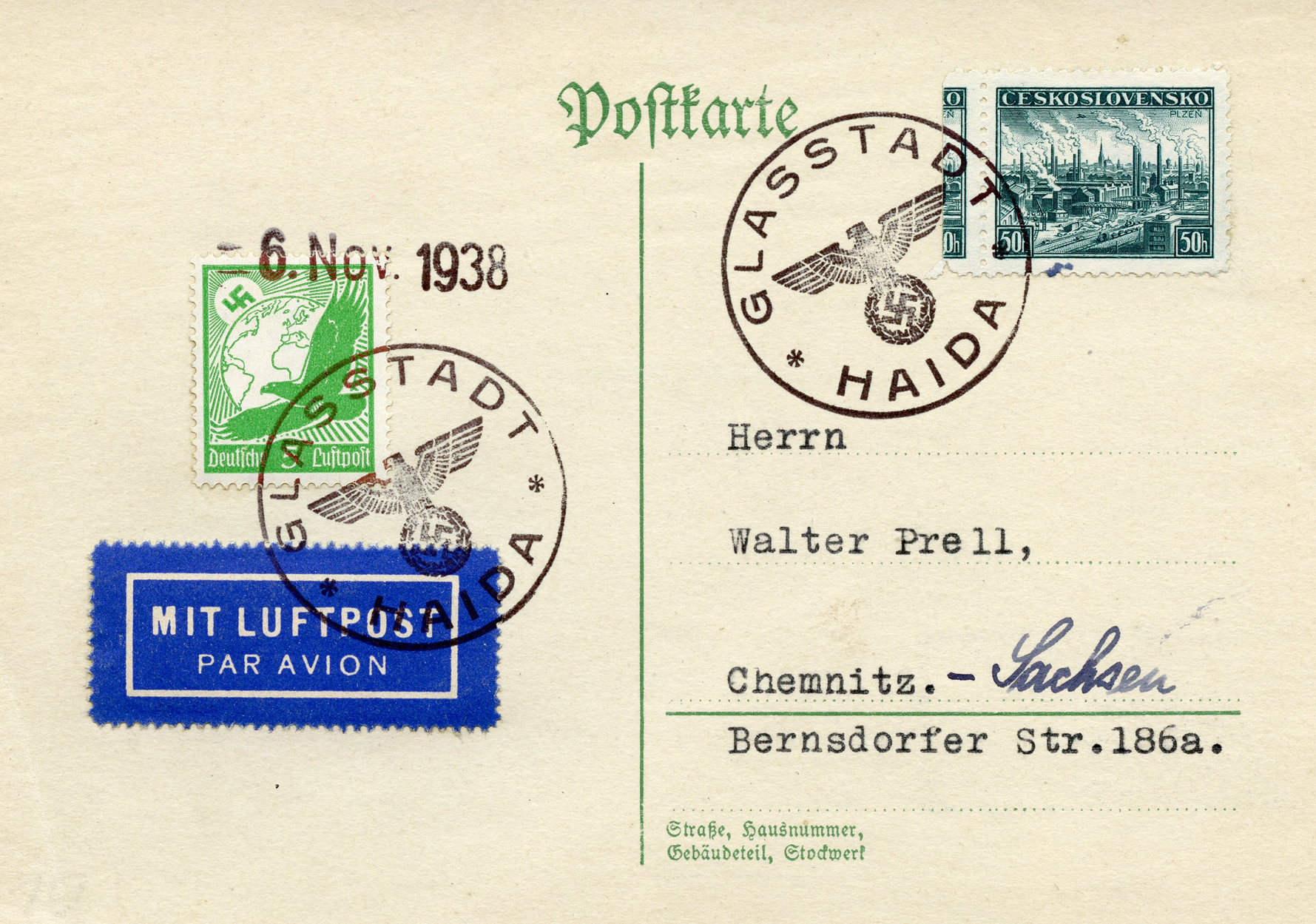
[Below: Close-up.]
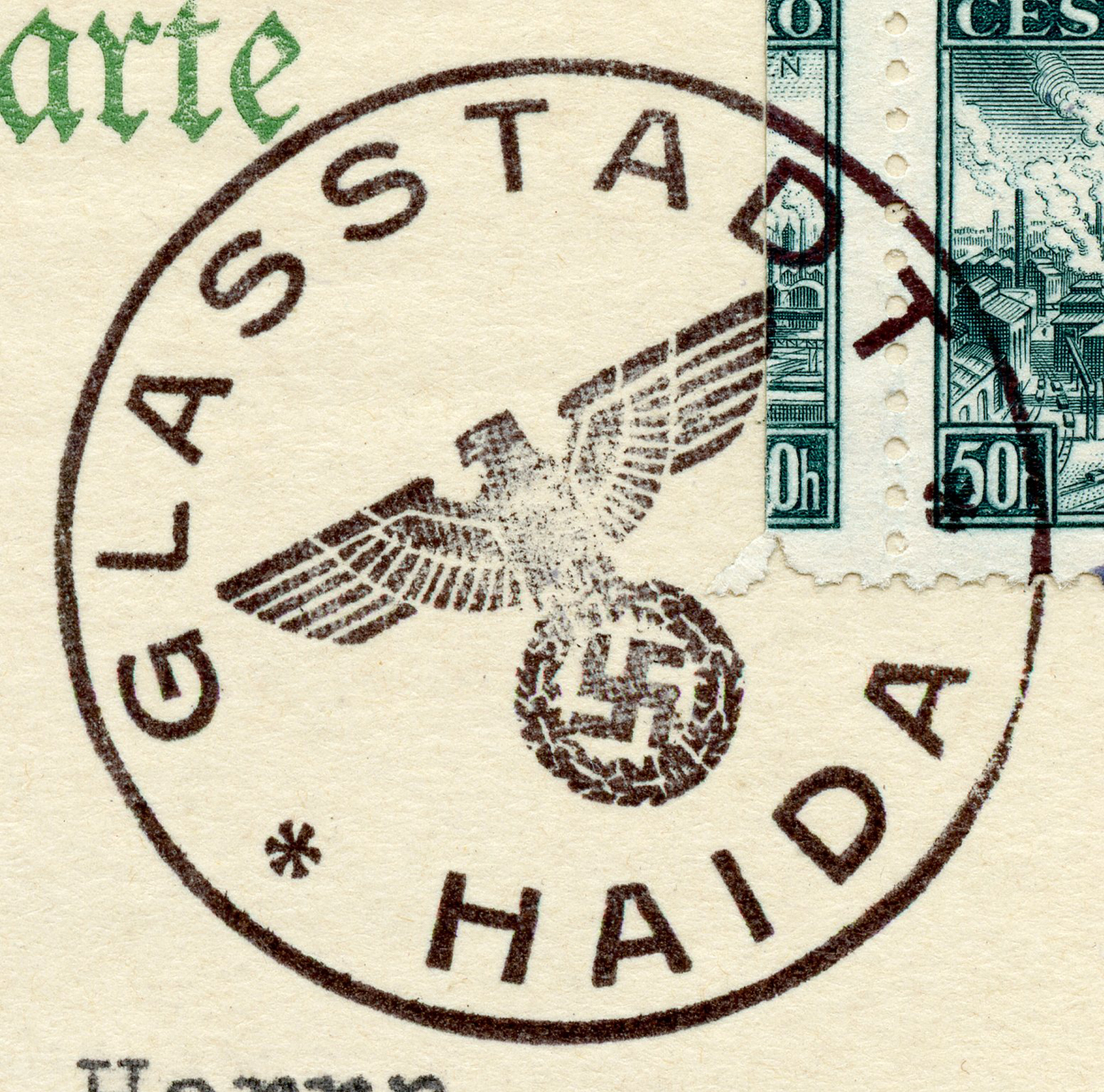
[Below: ...]
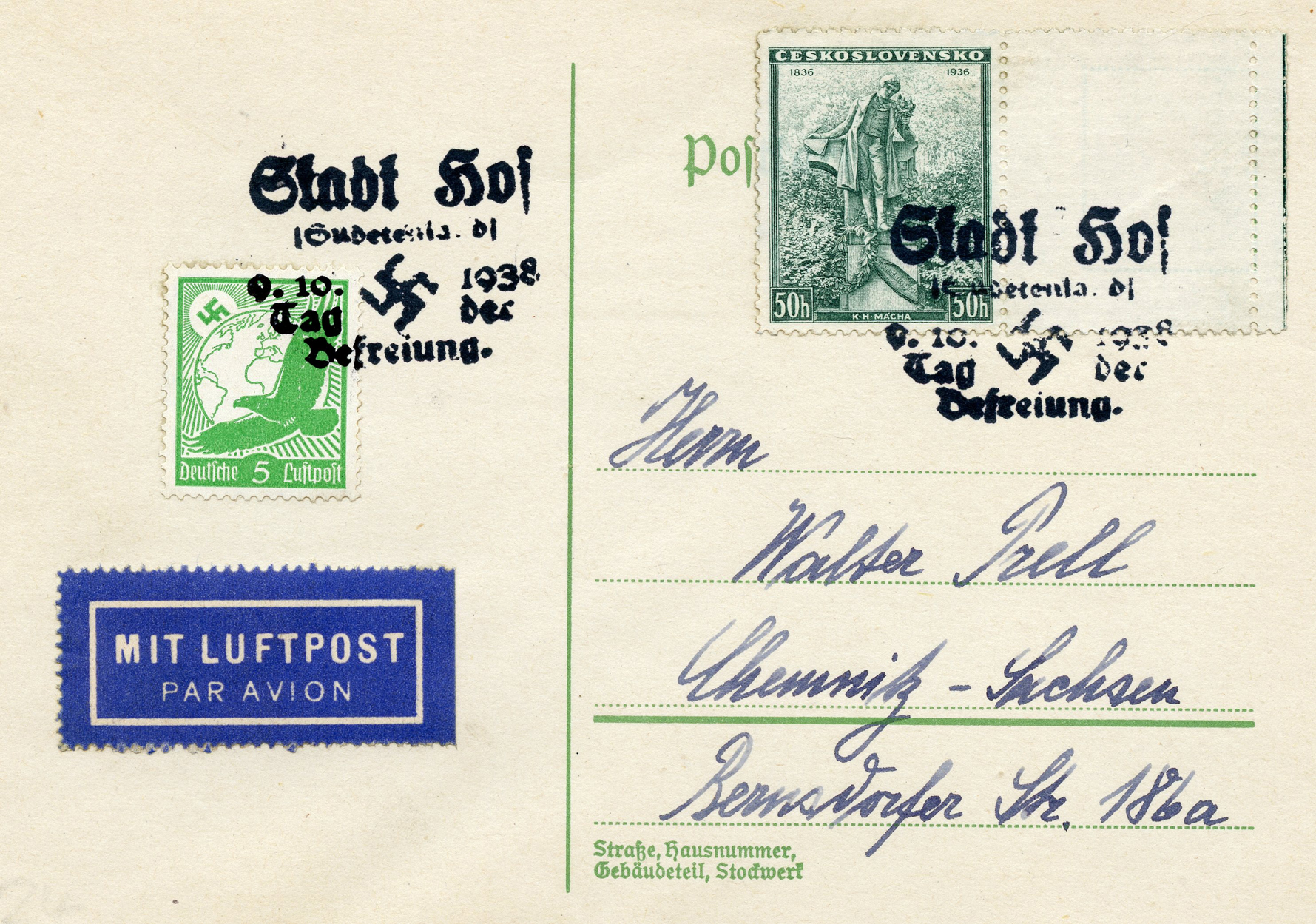
[Below: Close-up.]
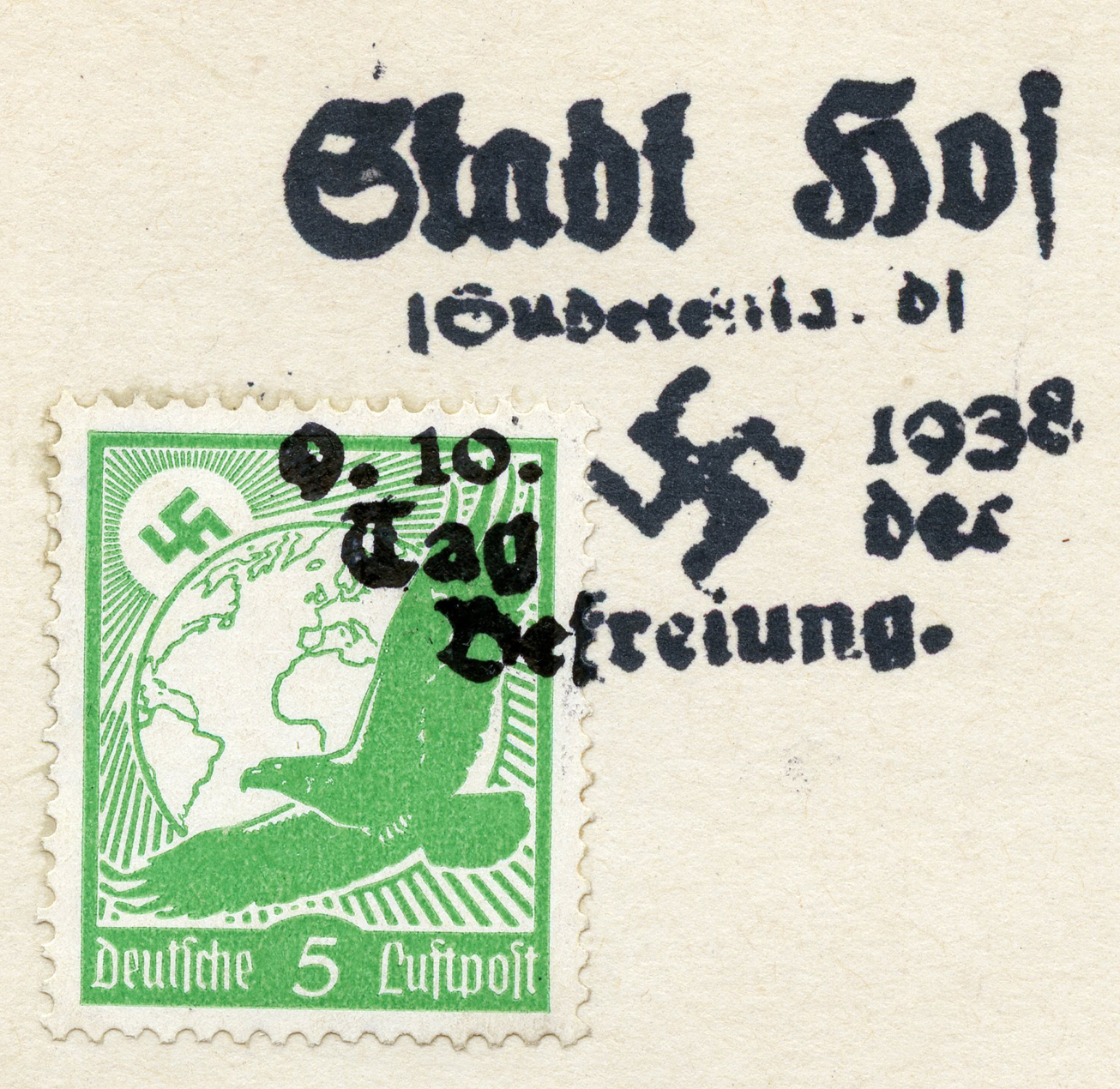
[Below: ...]
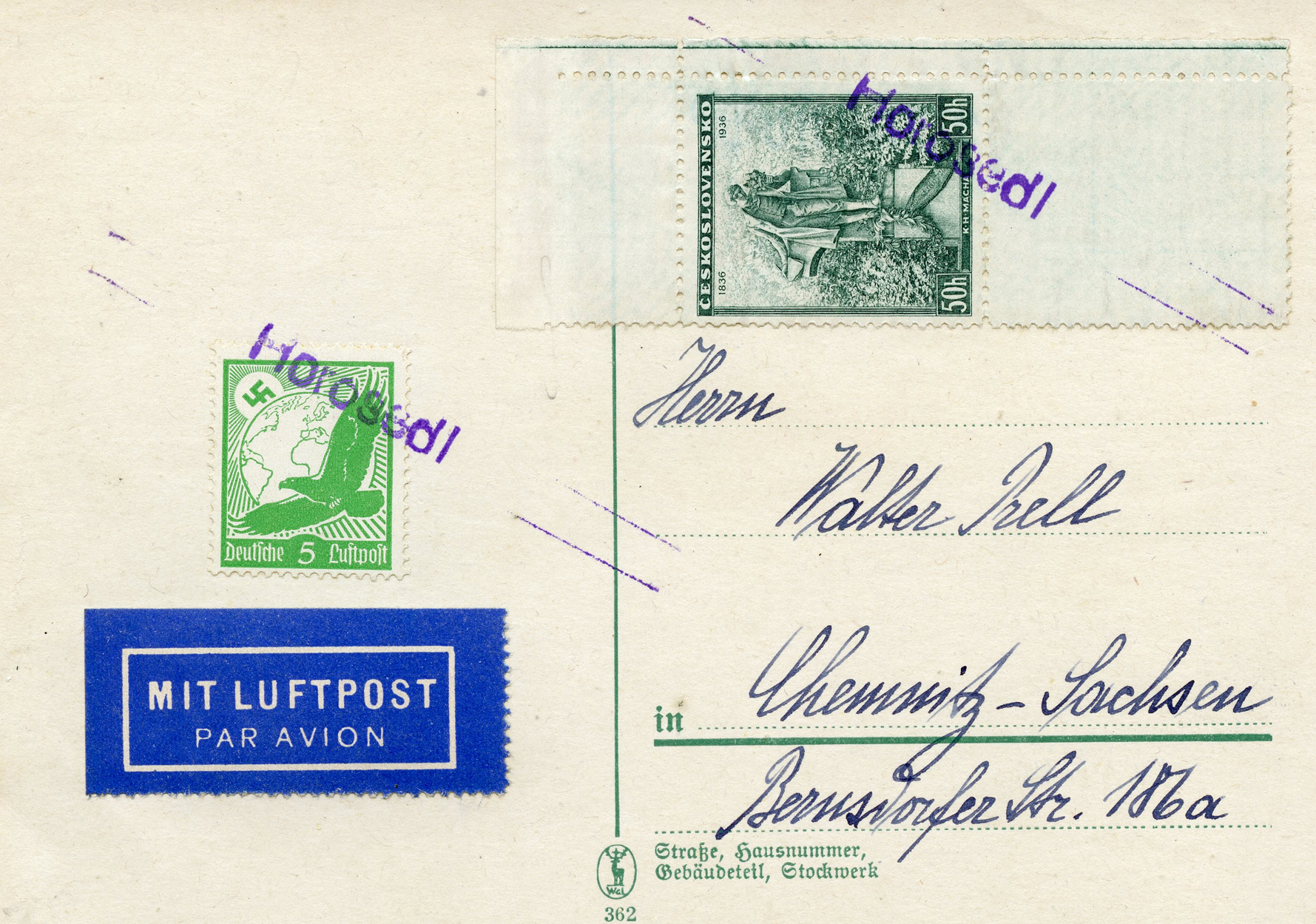
[Below: Close-up.]
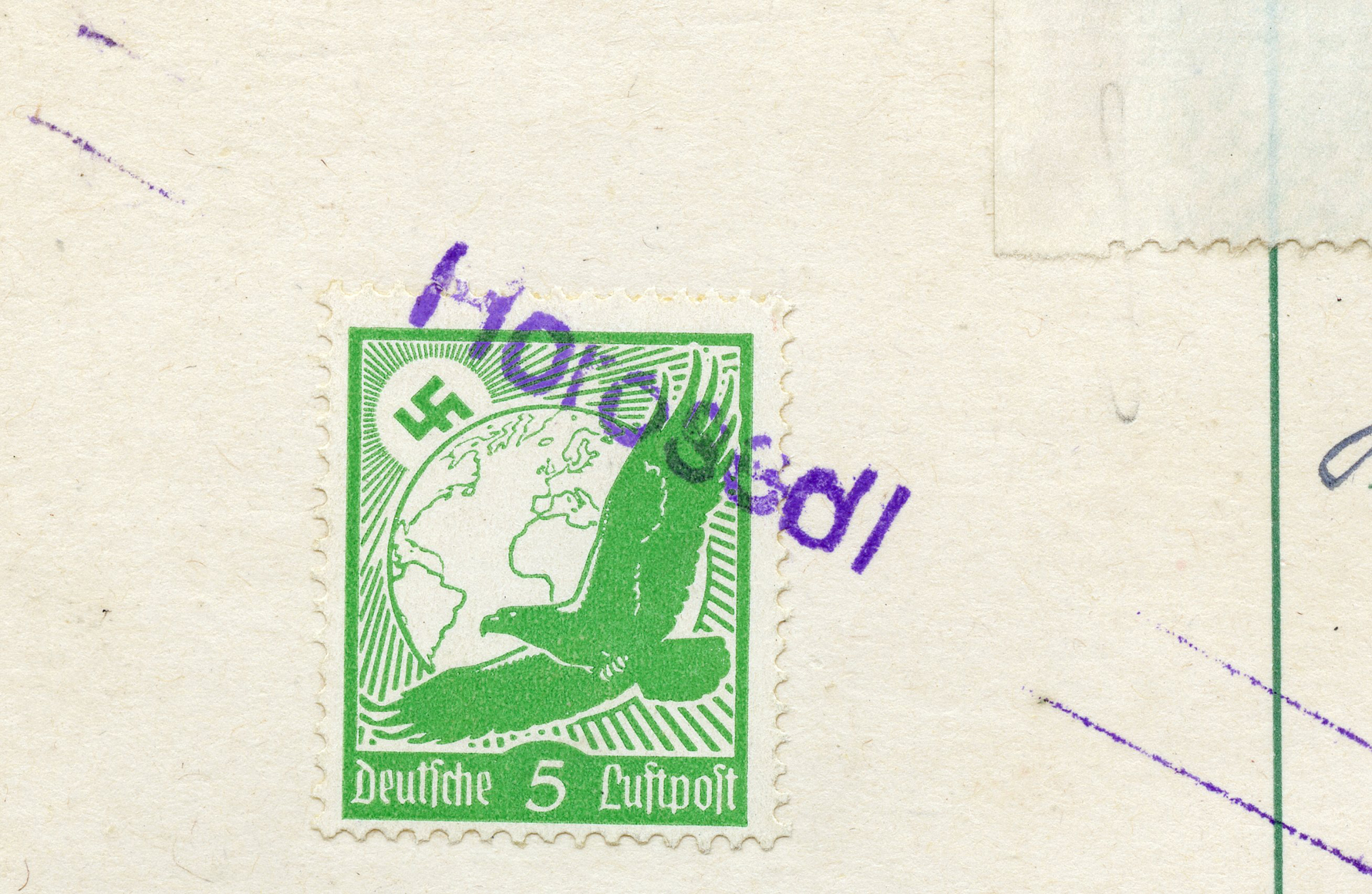
[Below: ...]
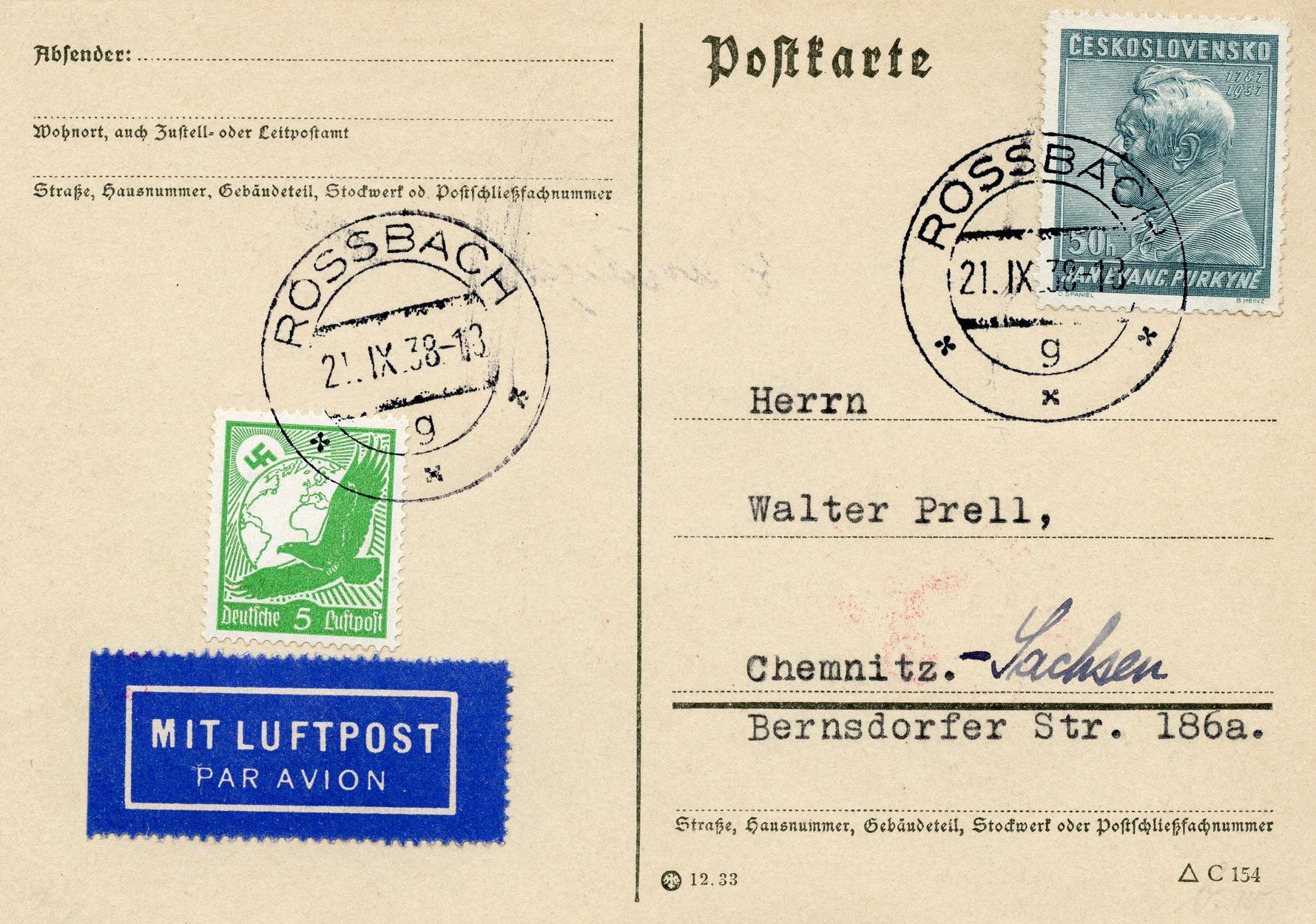
[Below: Close-up.]
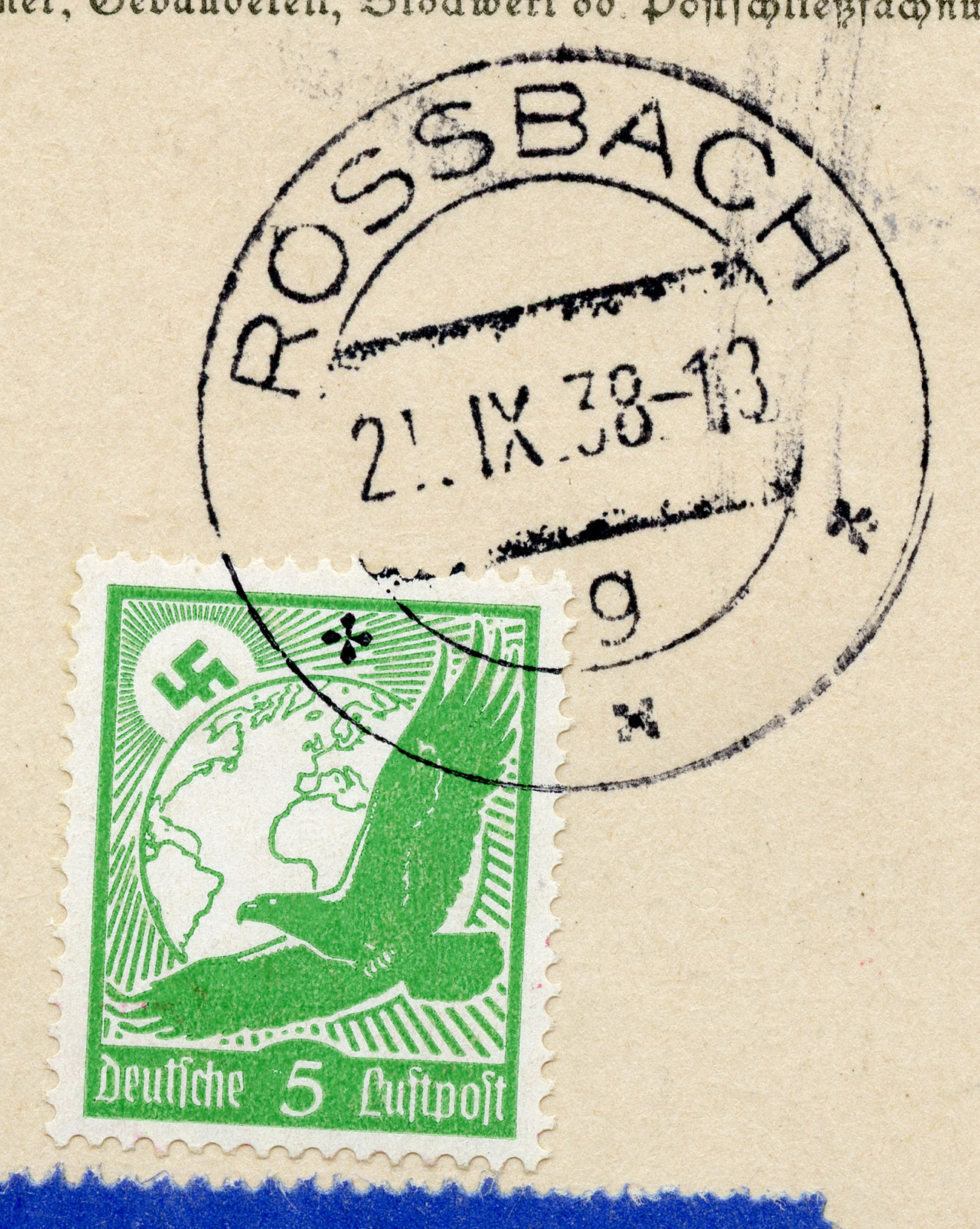
[Below: ...]
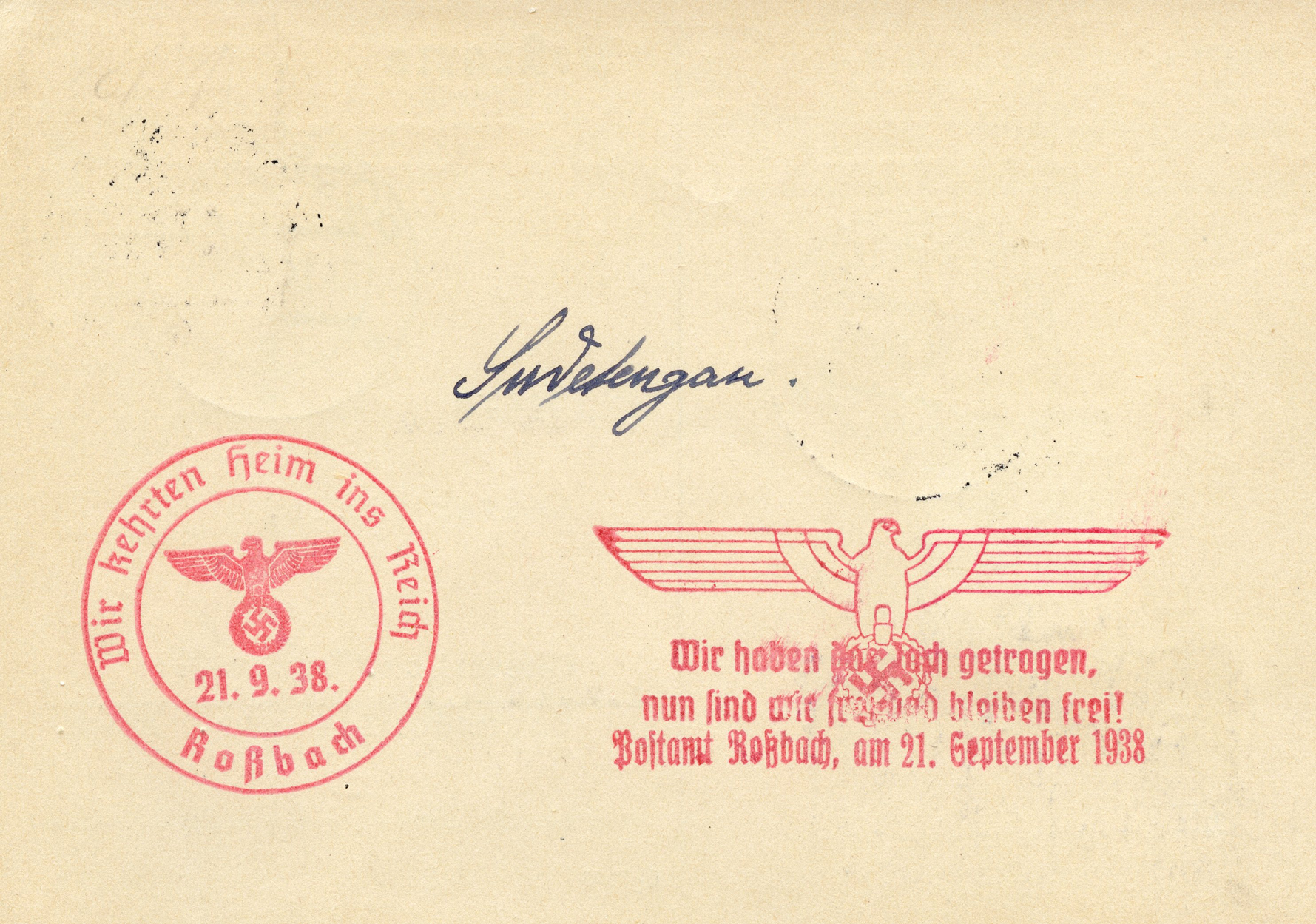
[Below: Close-up.]
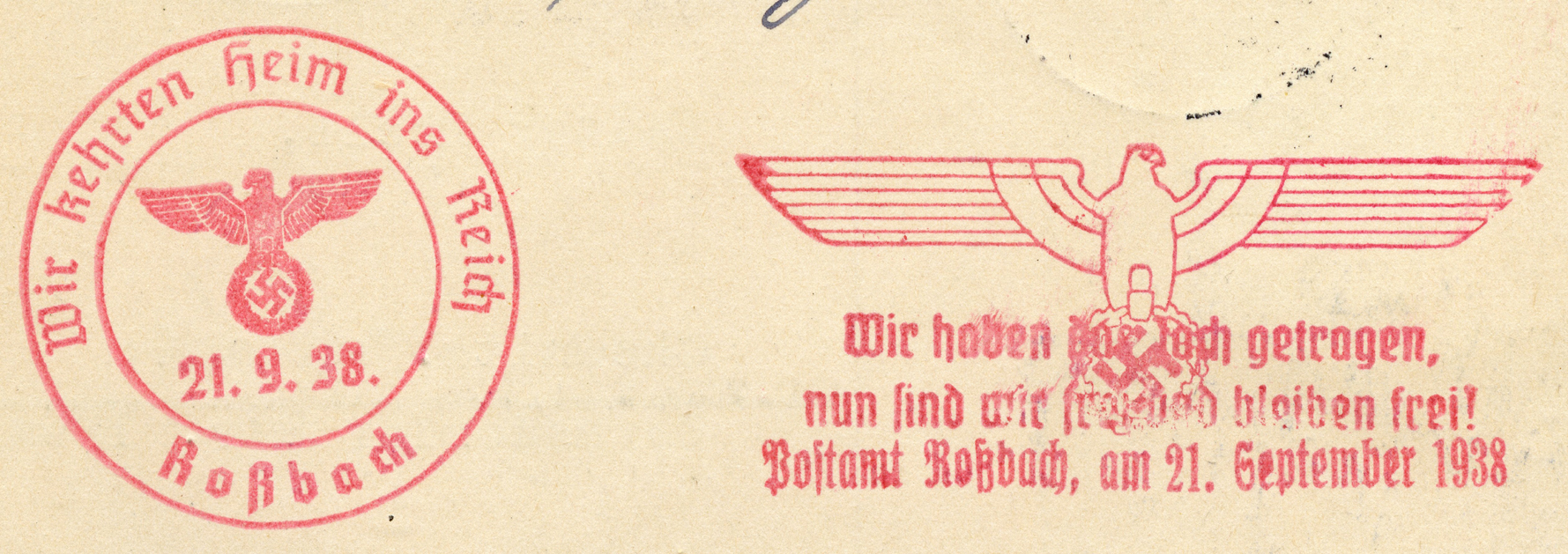
[Below: ...]
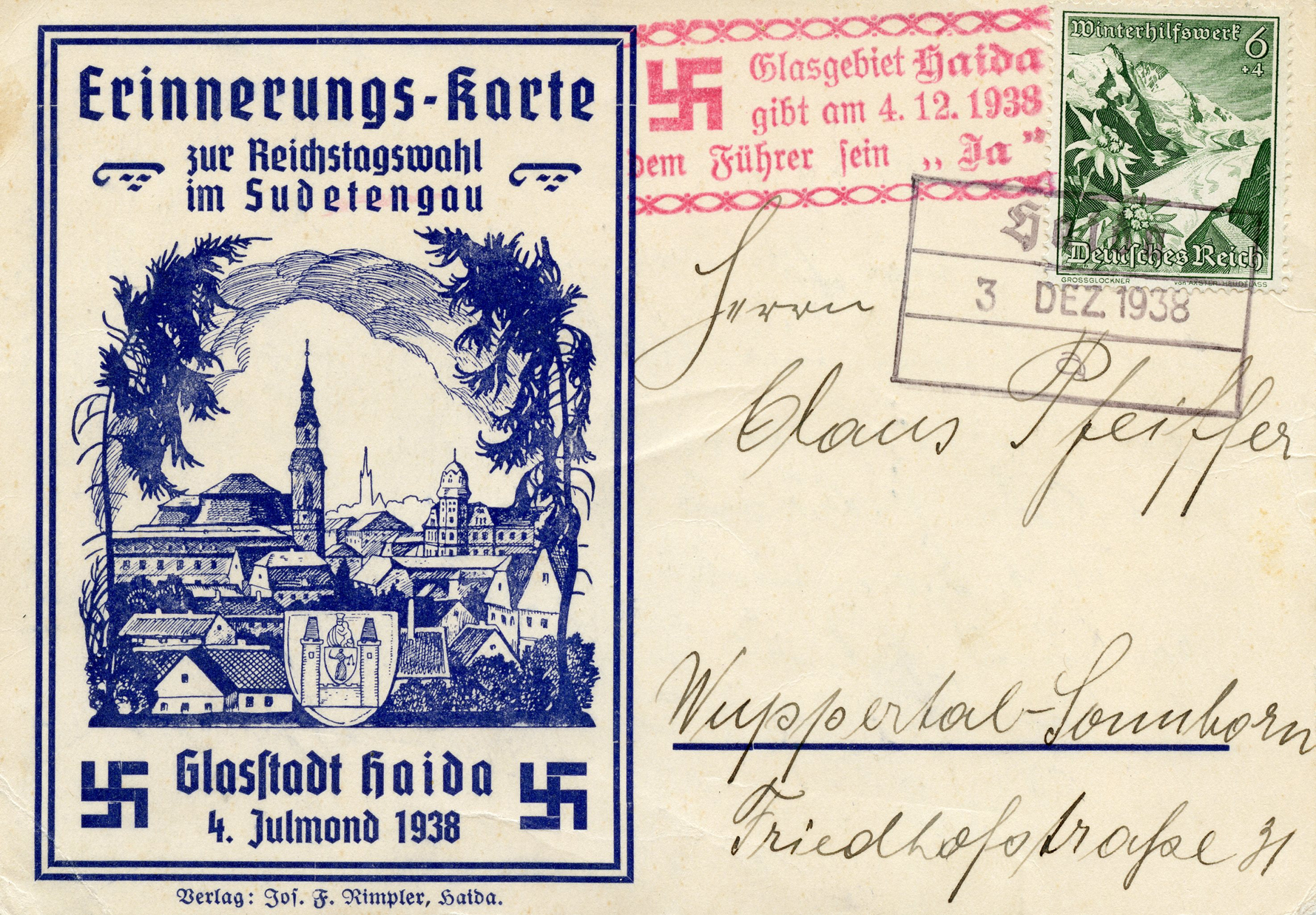
[Below: Close-up.]
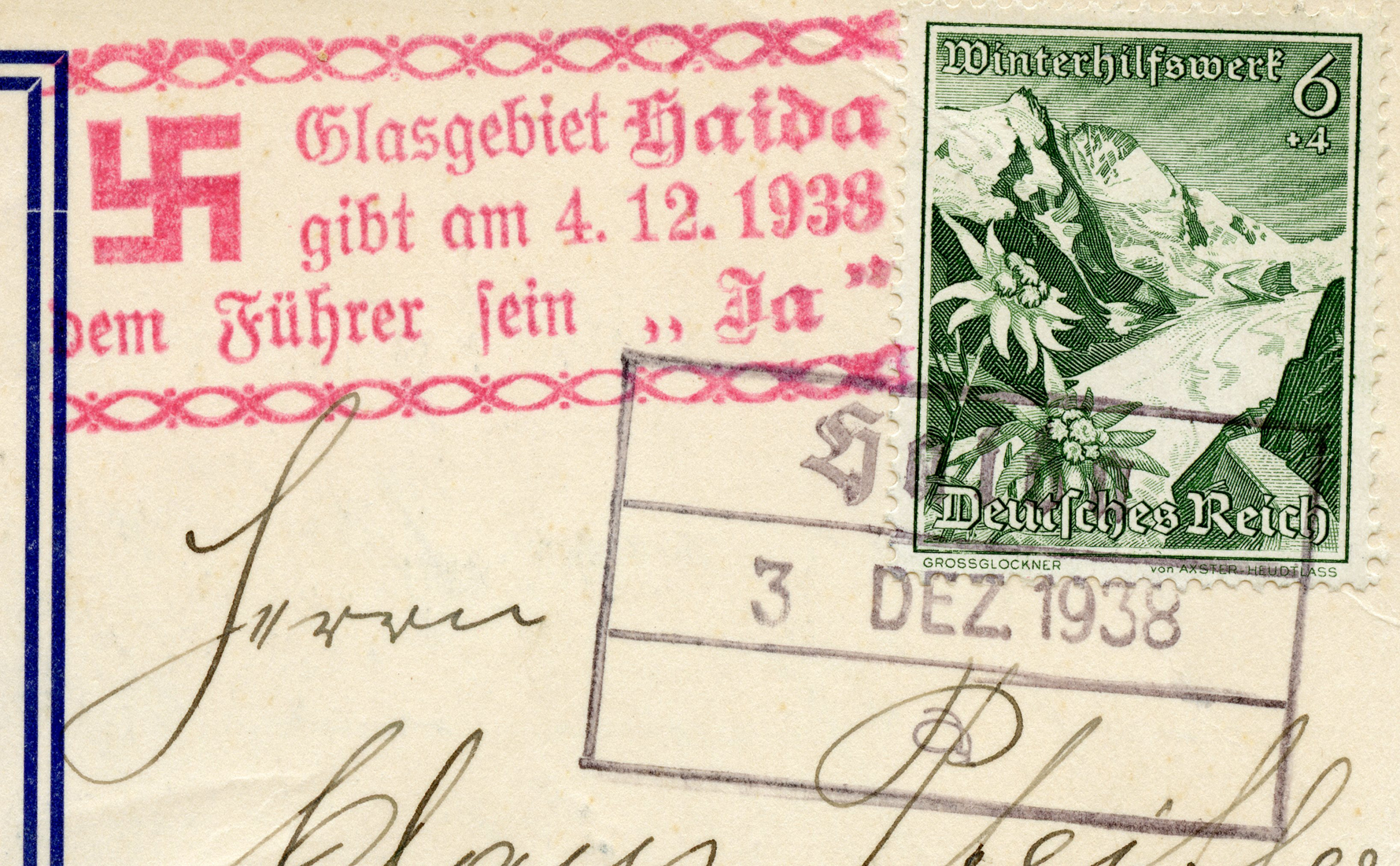
[Below: Close-up.]
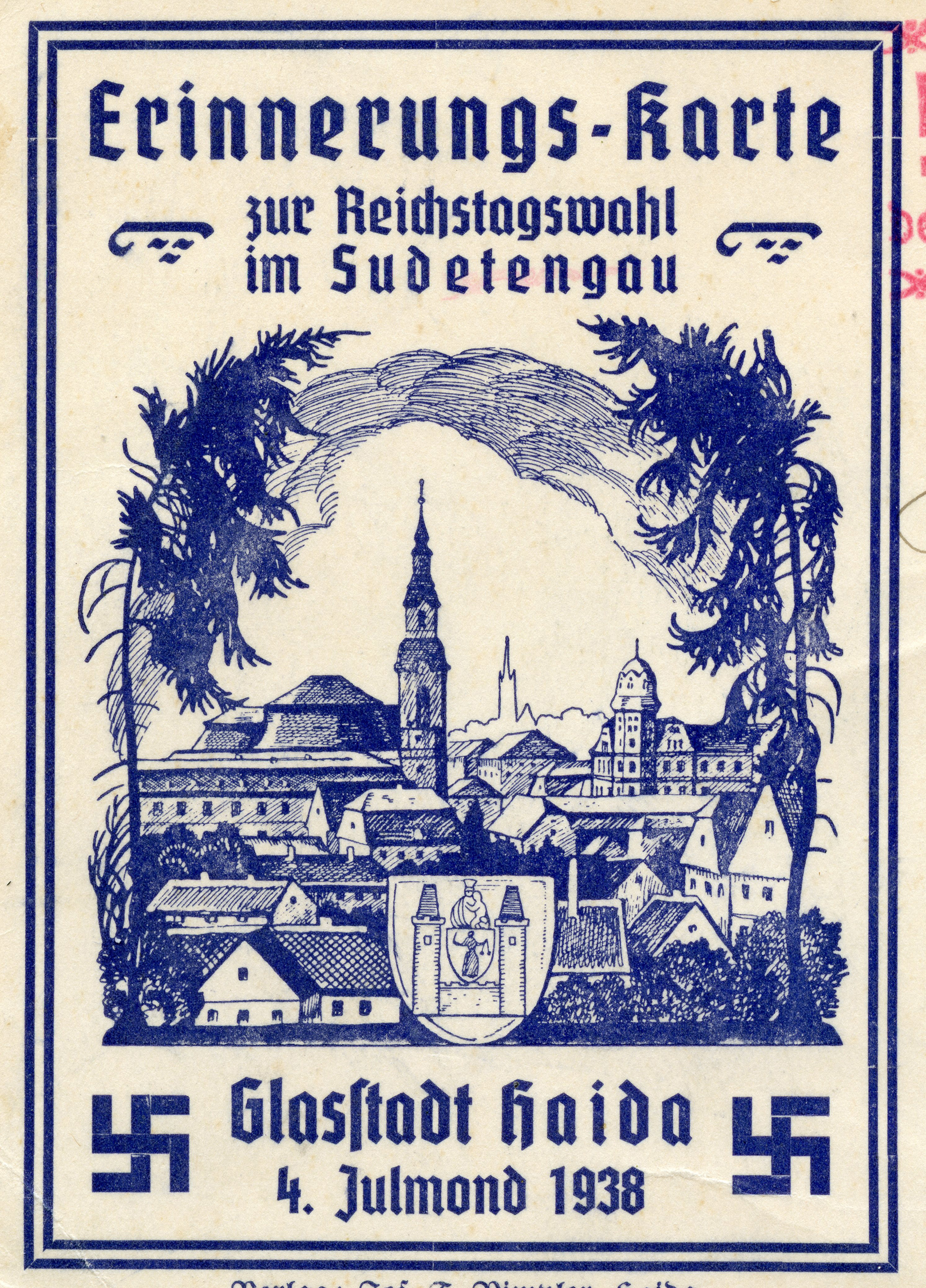
[Below: ...]
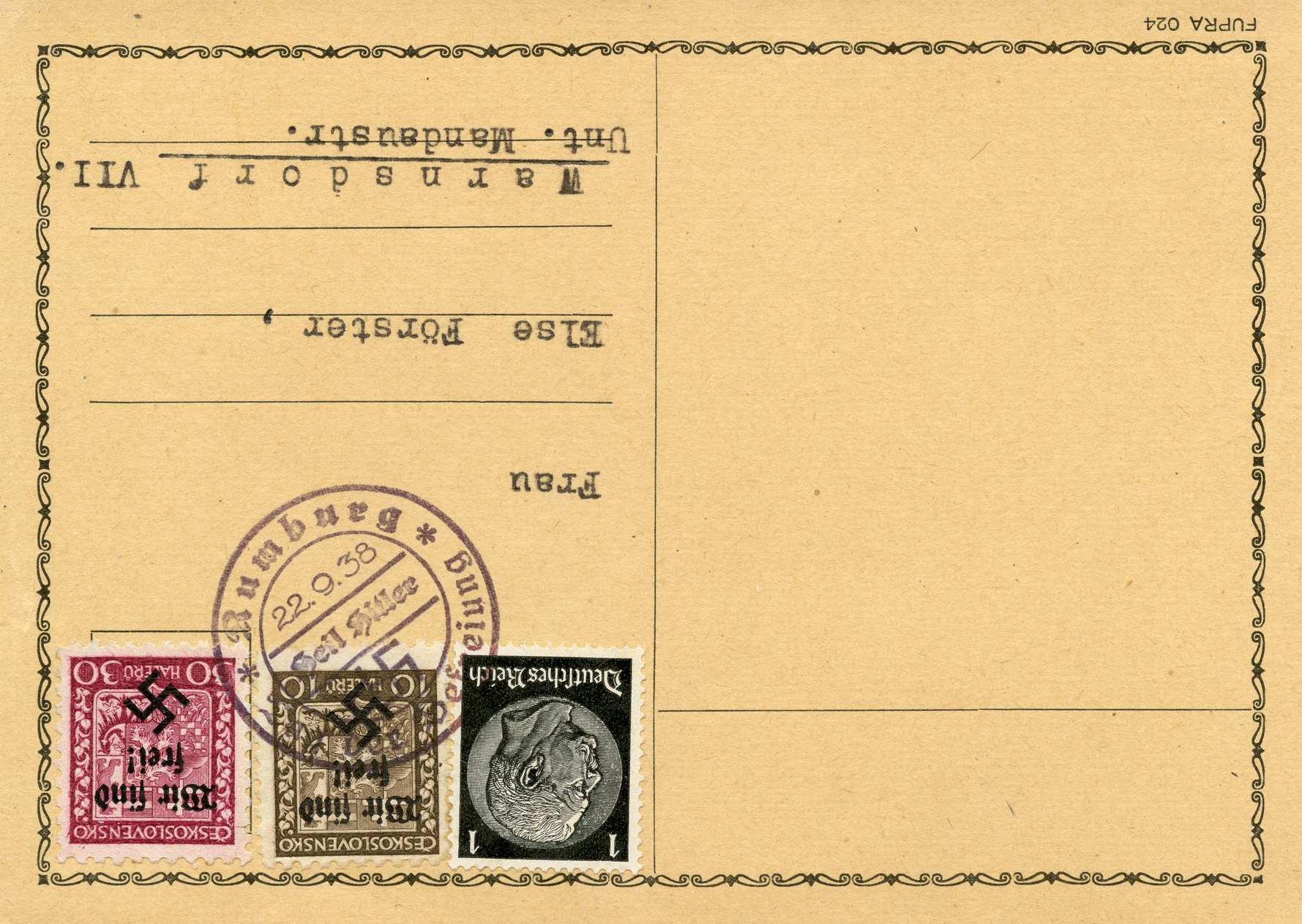
[Below: Close-up.]
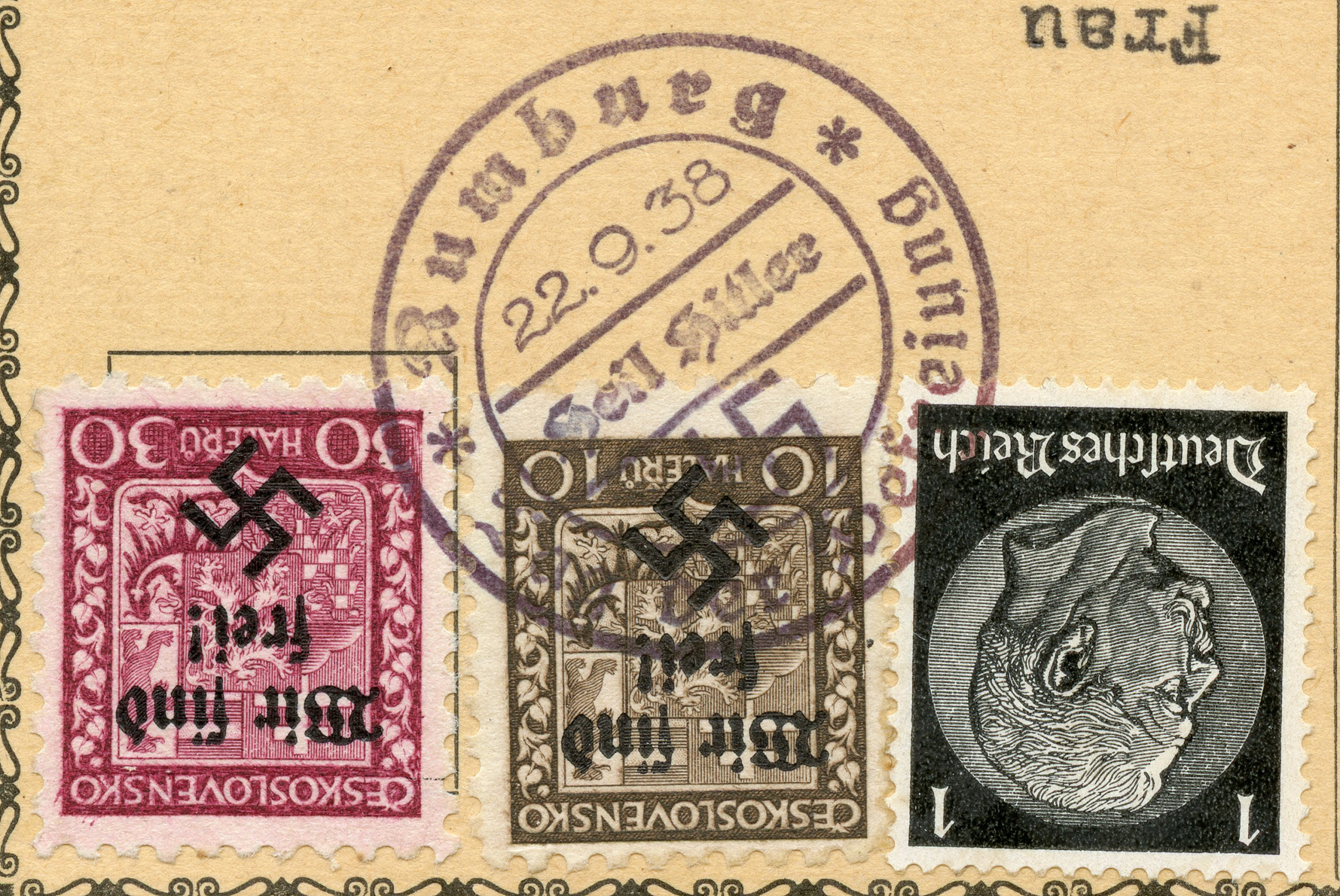
[Below: ...]
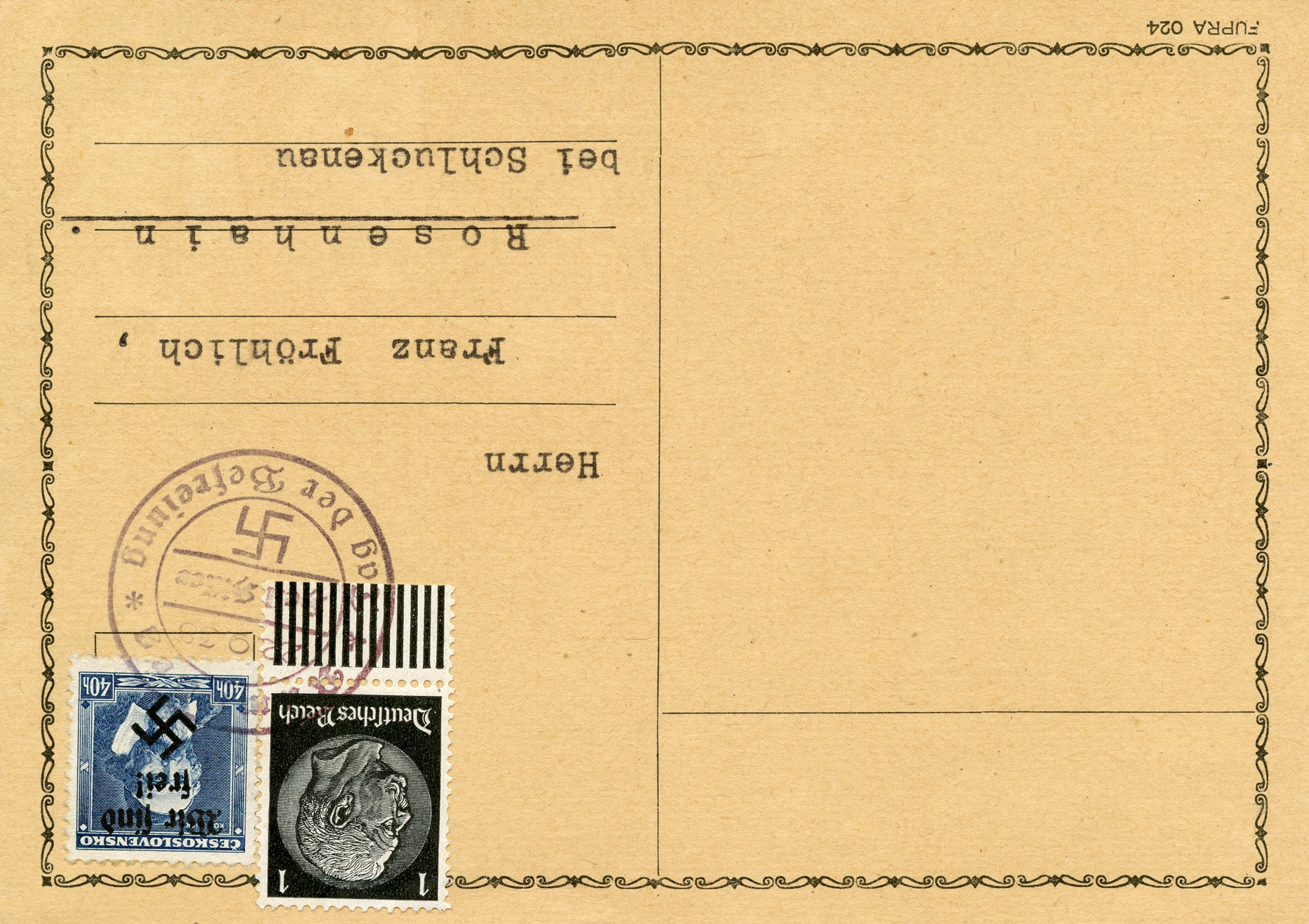
[Below: Close-up.]
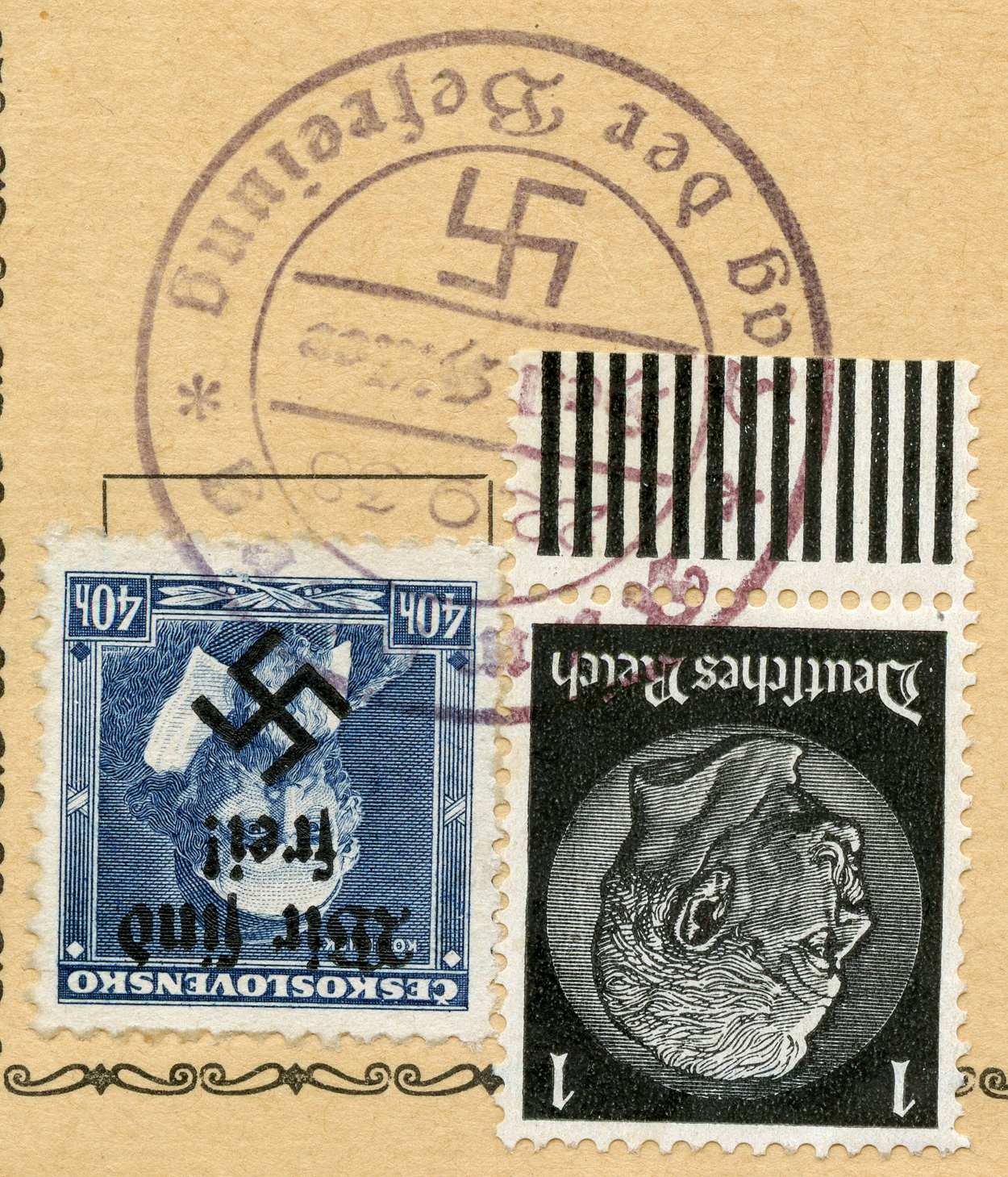
[Below: ...]
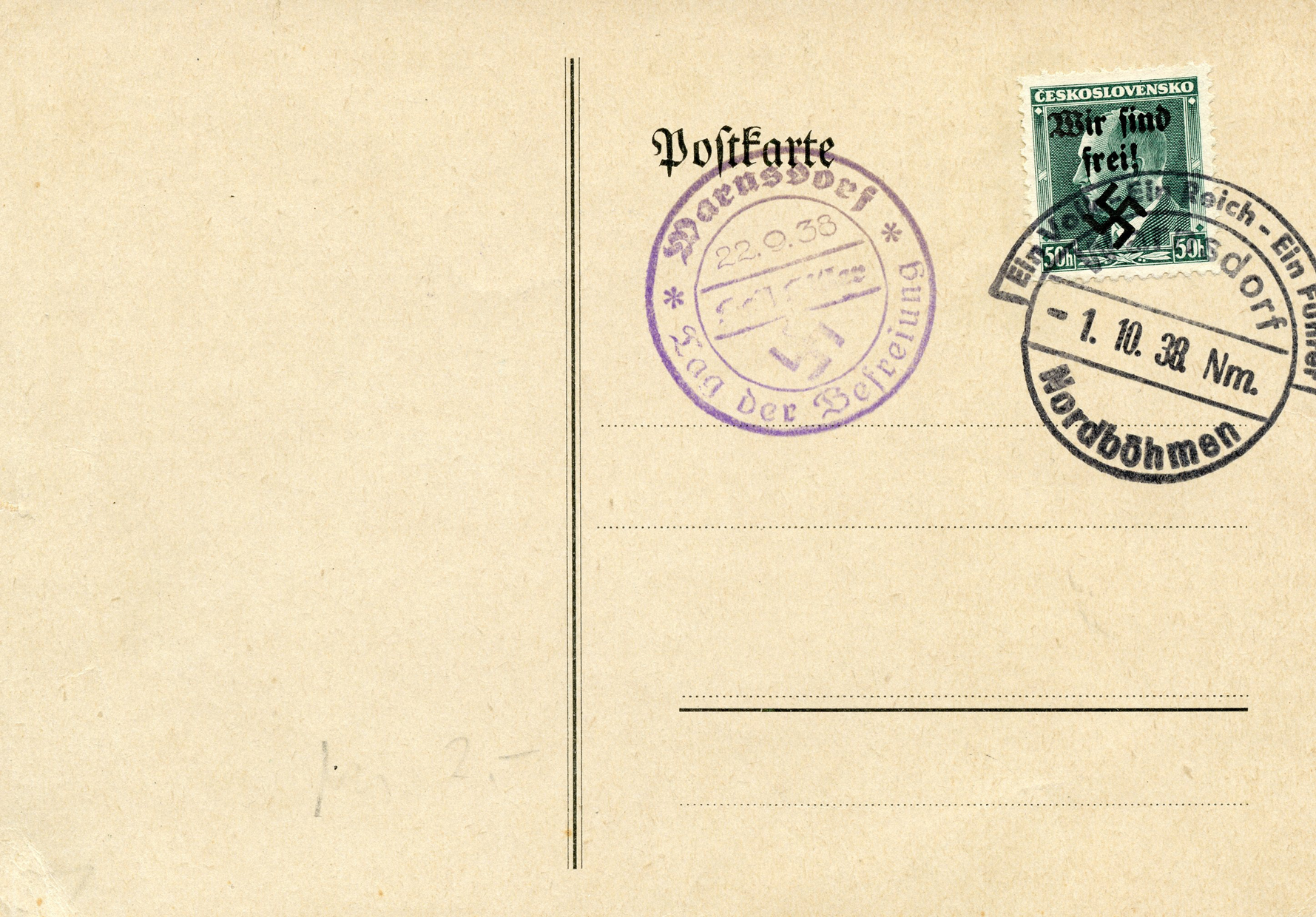
[Below: Close-up.]
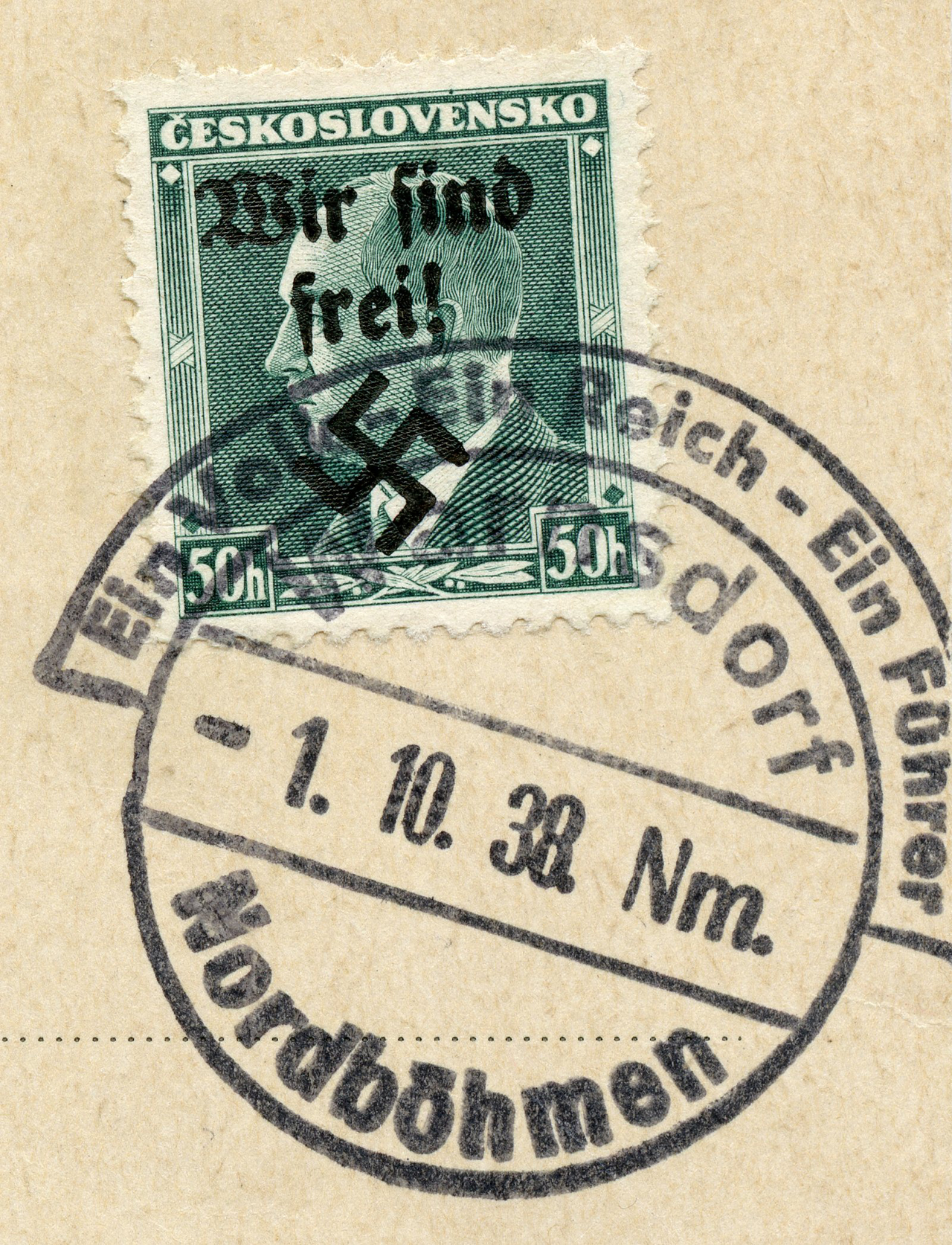
[Below: ...]
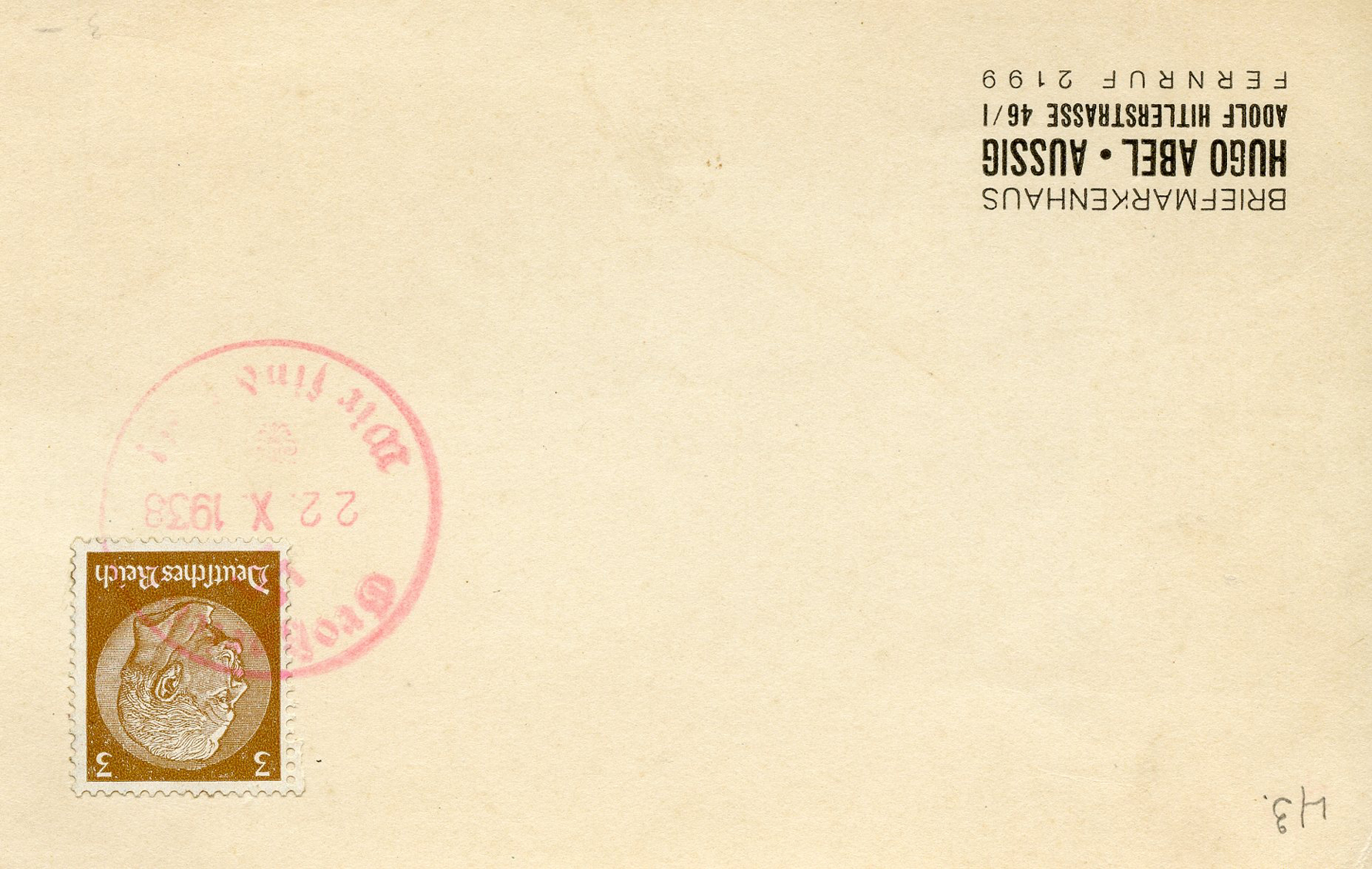
[Below: Close-up.]
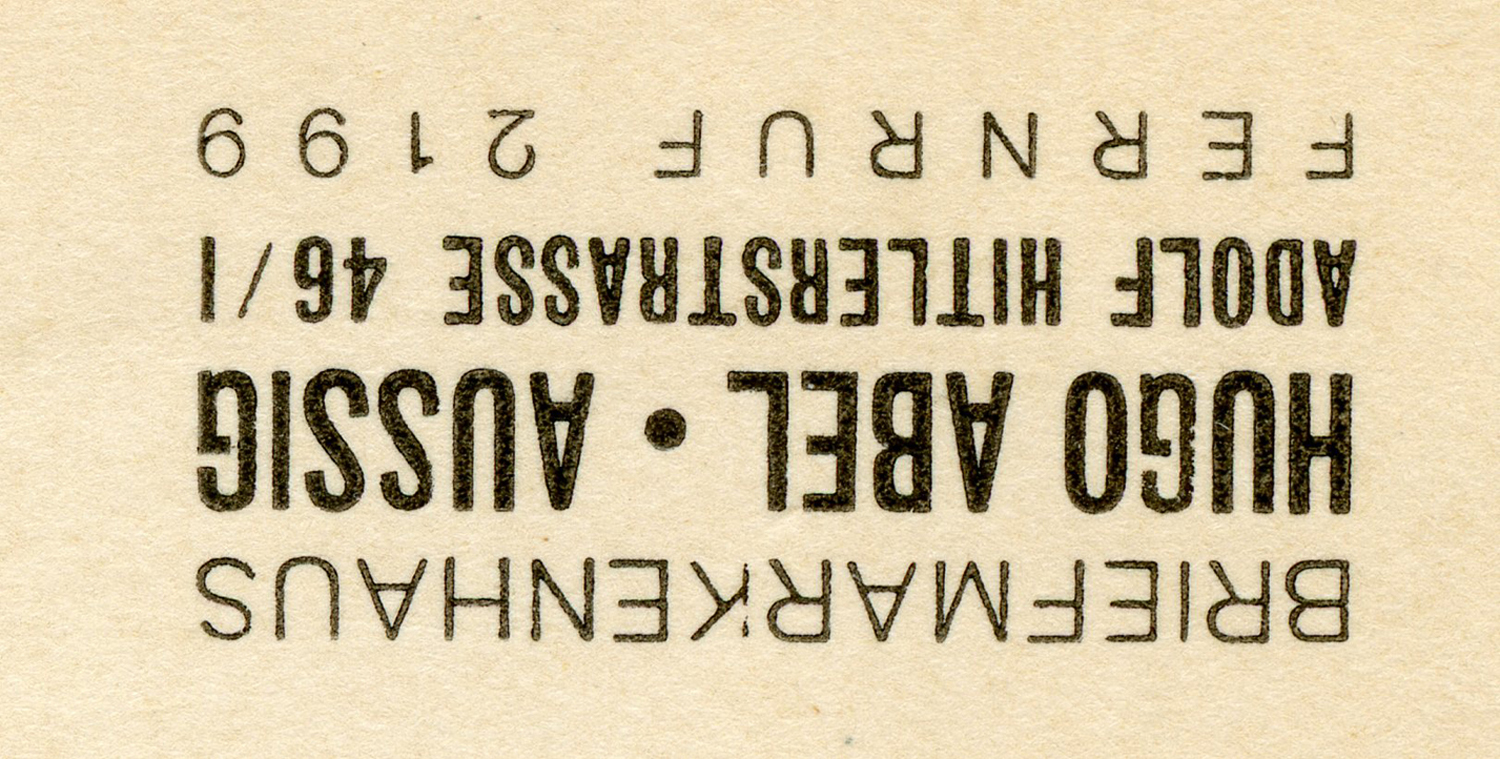
[Below: Close-up.]
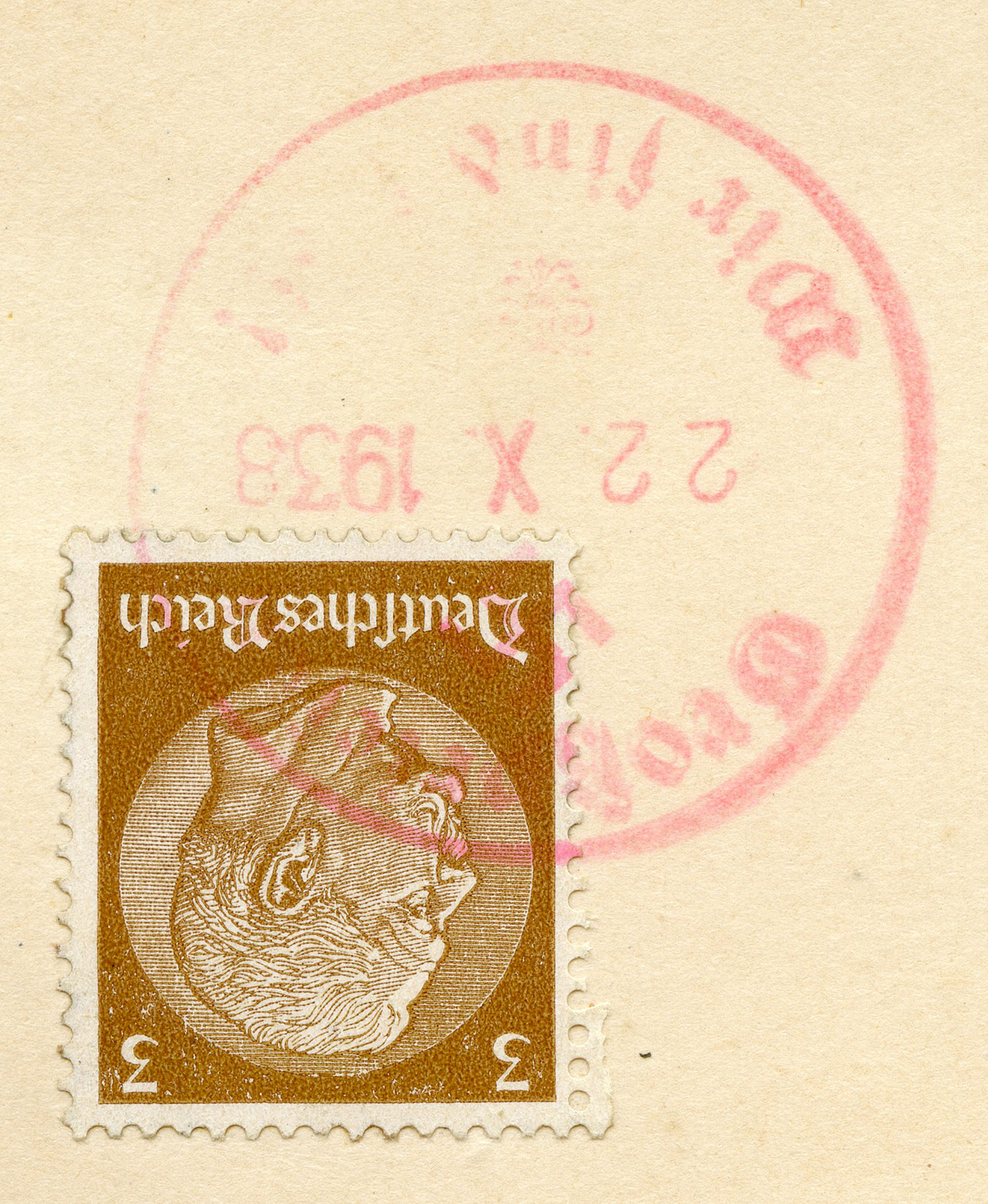
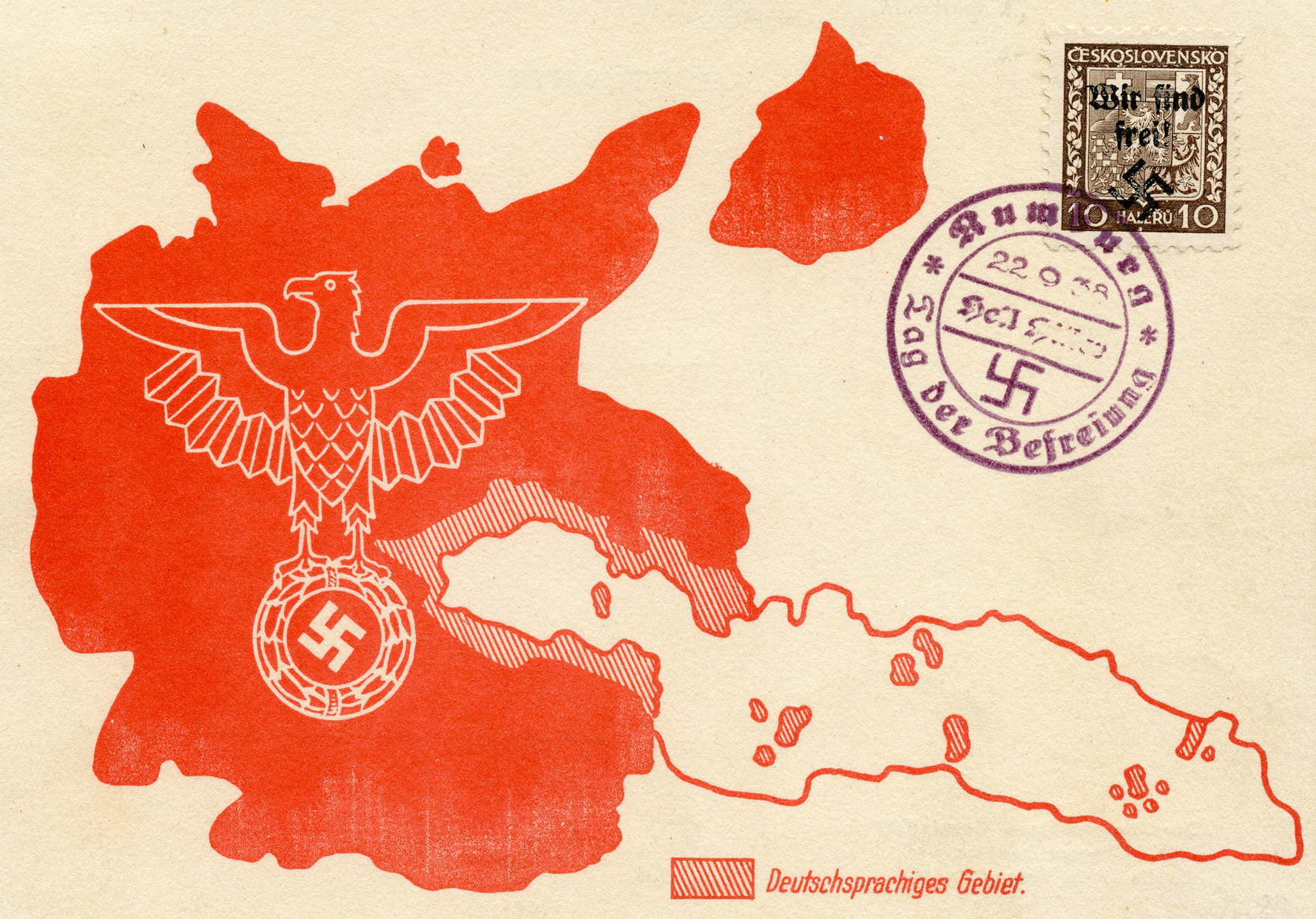
[Below: Sudetenland.]
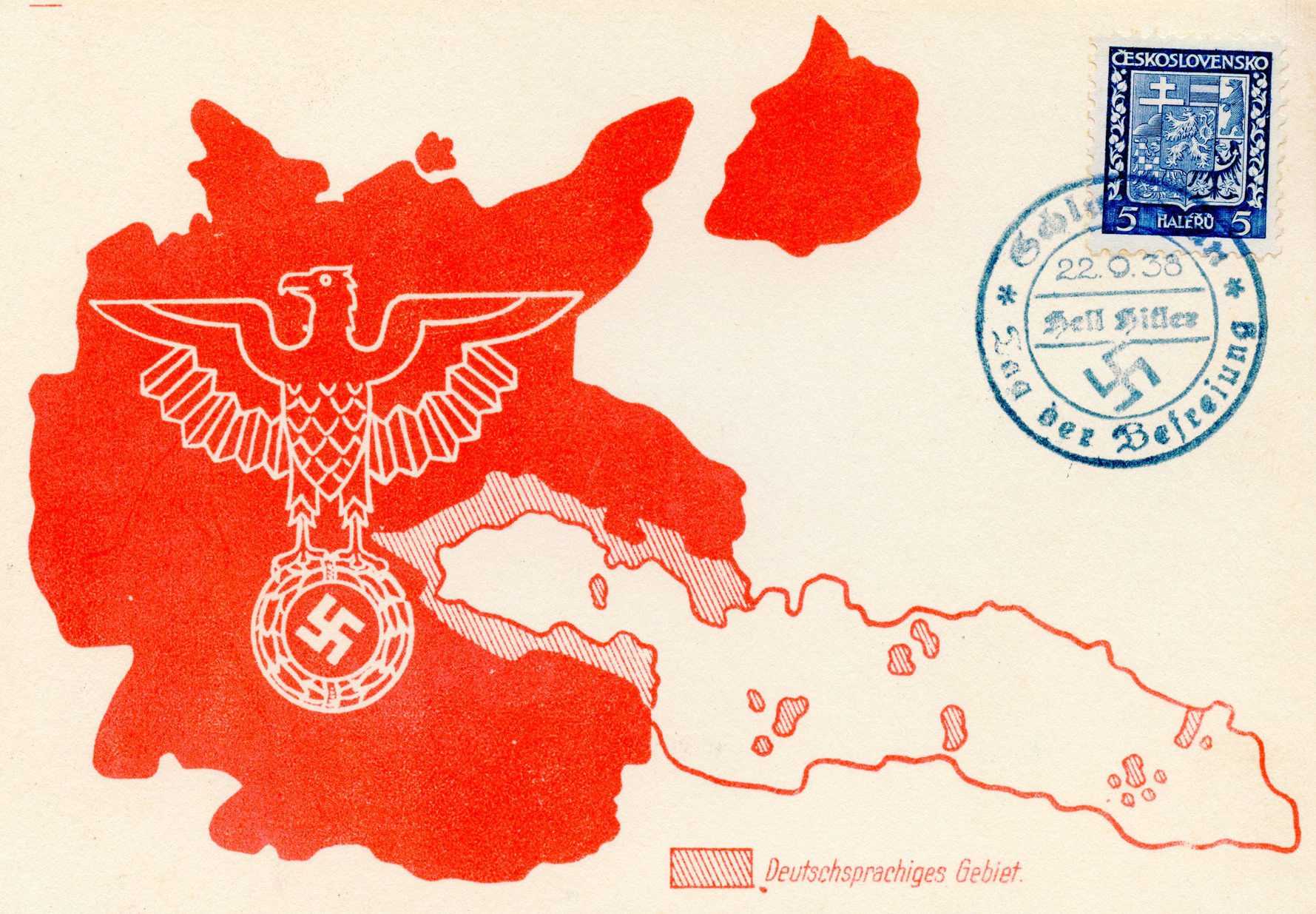
[Below: Sudetenland.]
[Below: Reverse.]
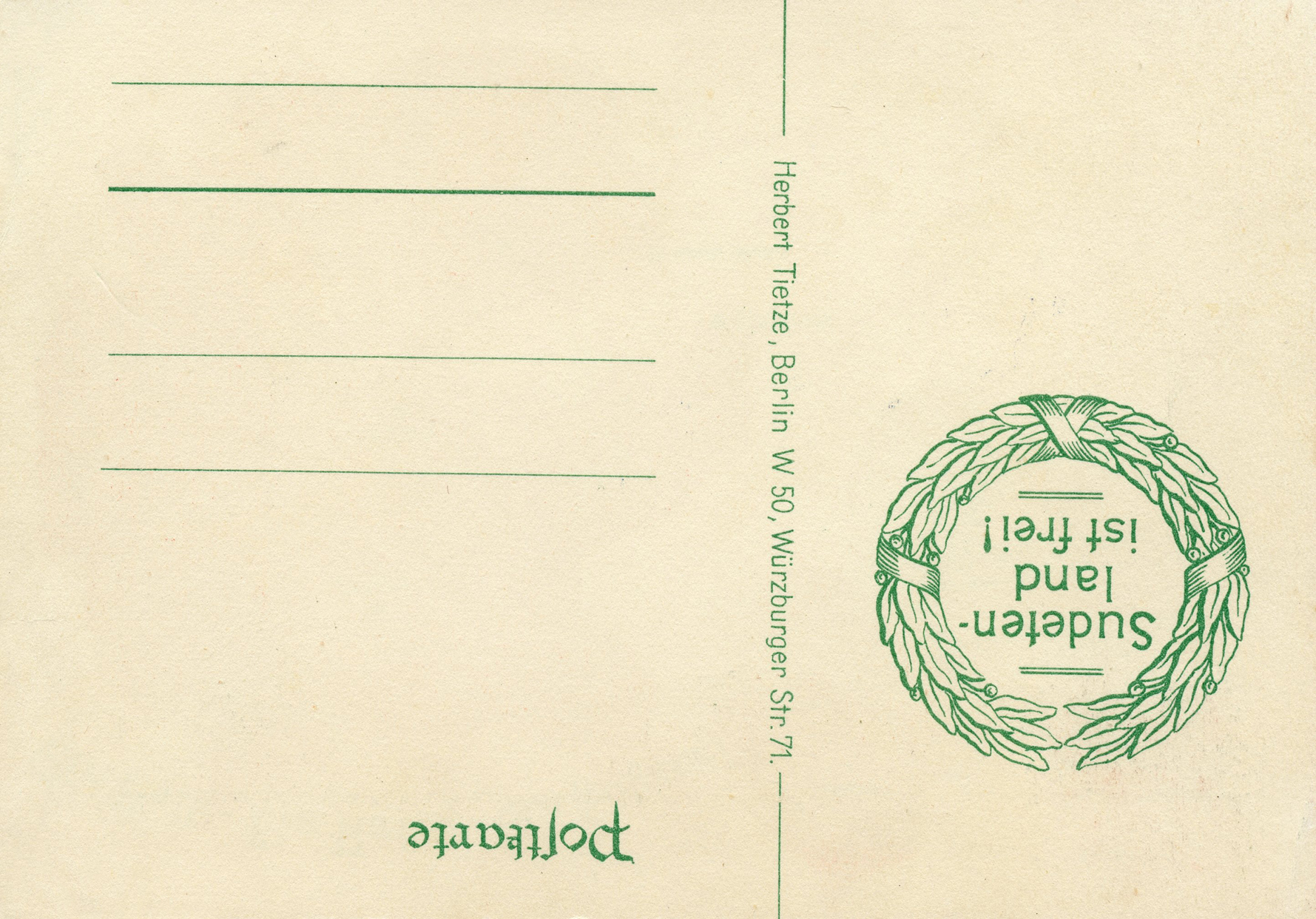
[Below: Sudetenland.]
[Below: Reverse.]
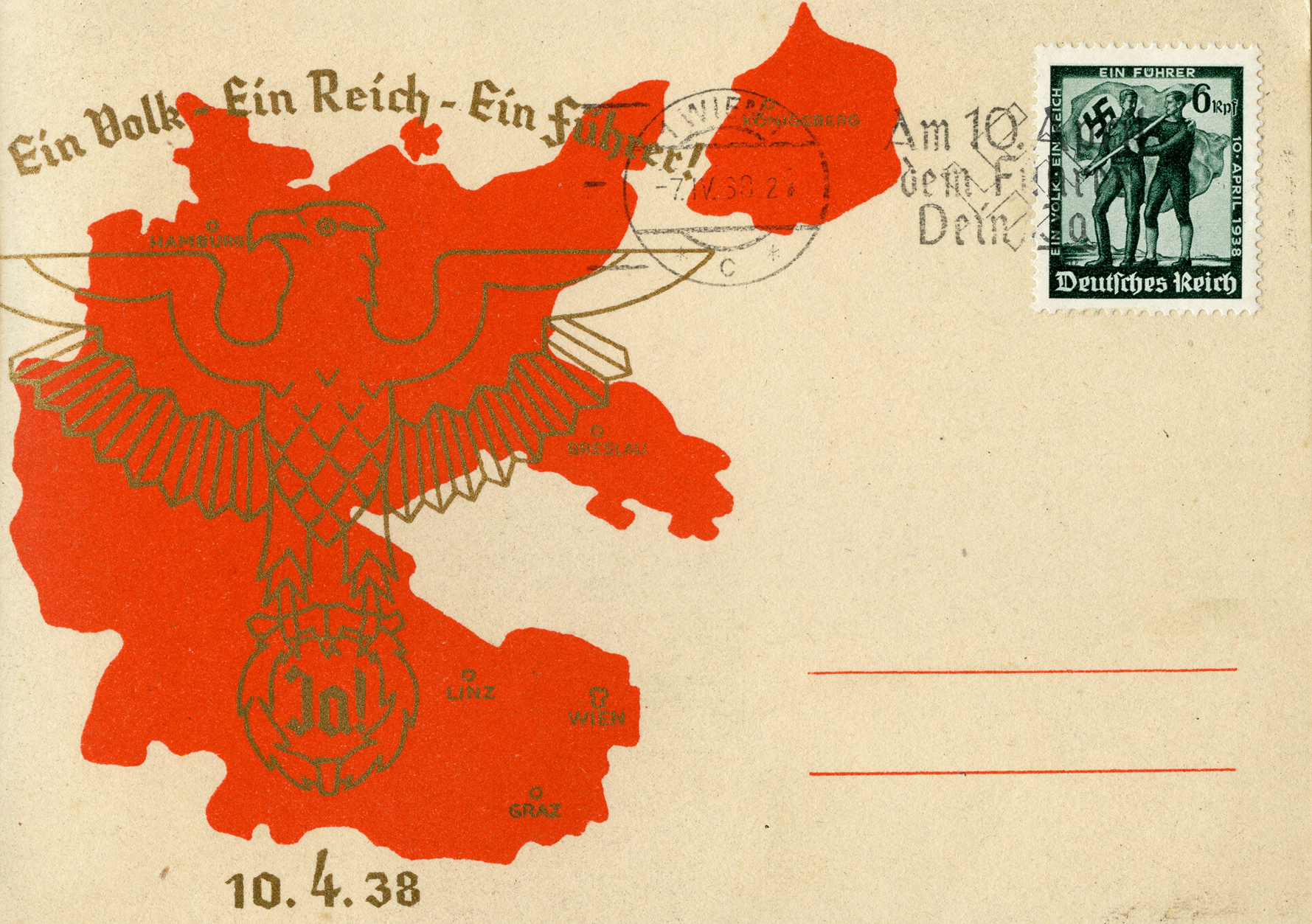
[Below: Austria.]
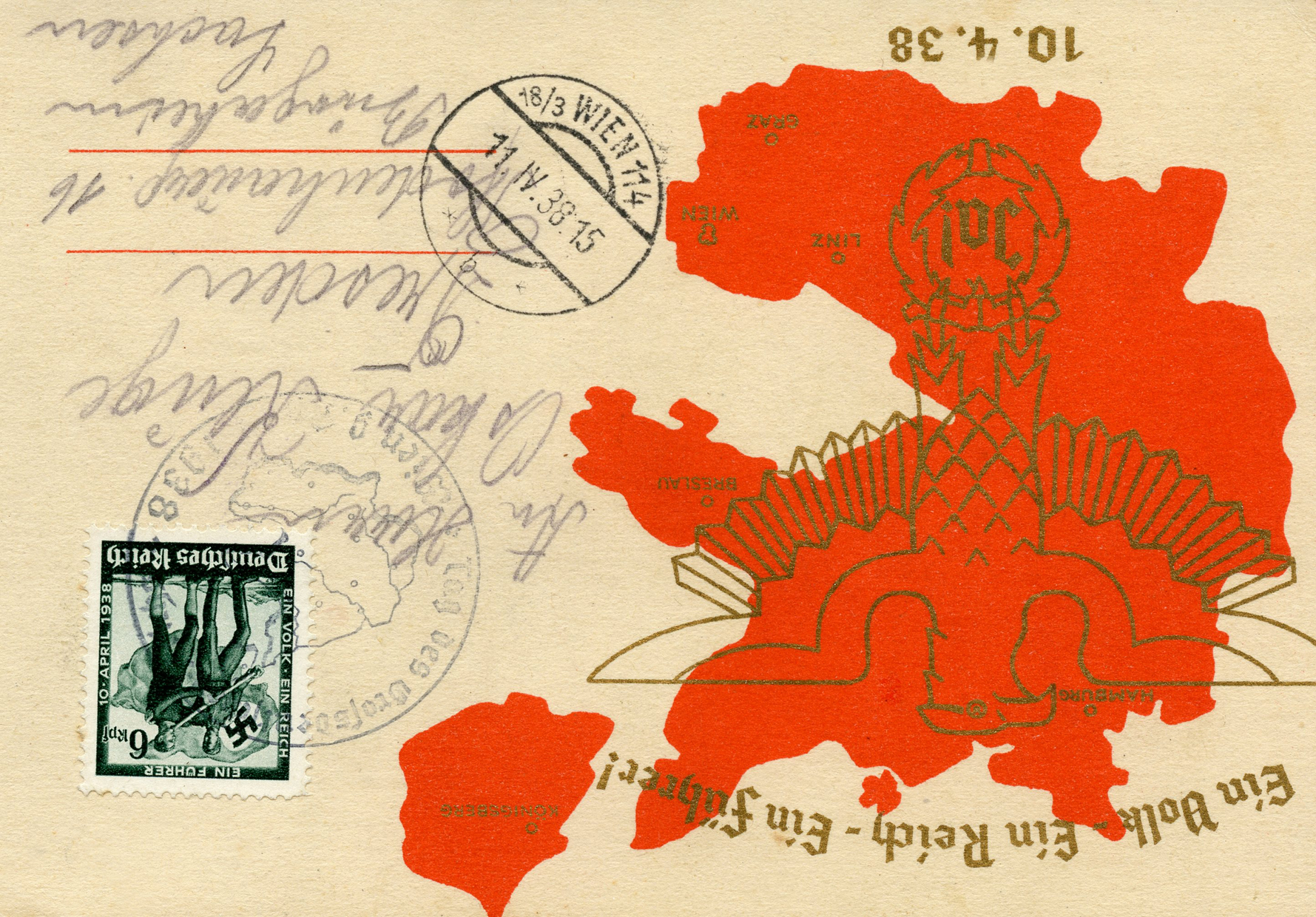
[Below: Austria.]
[Below: Reverse.]
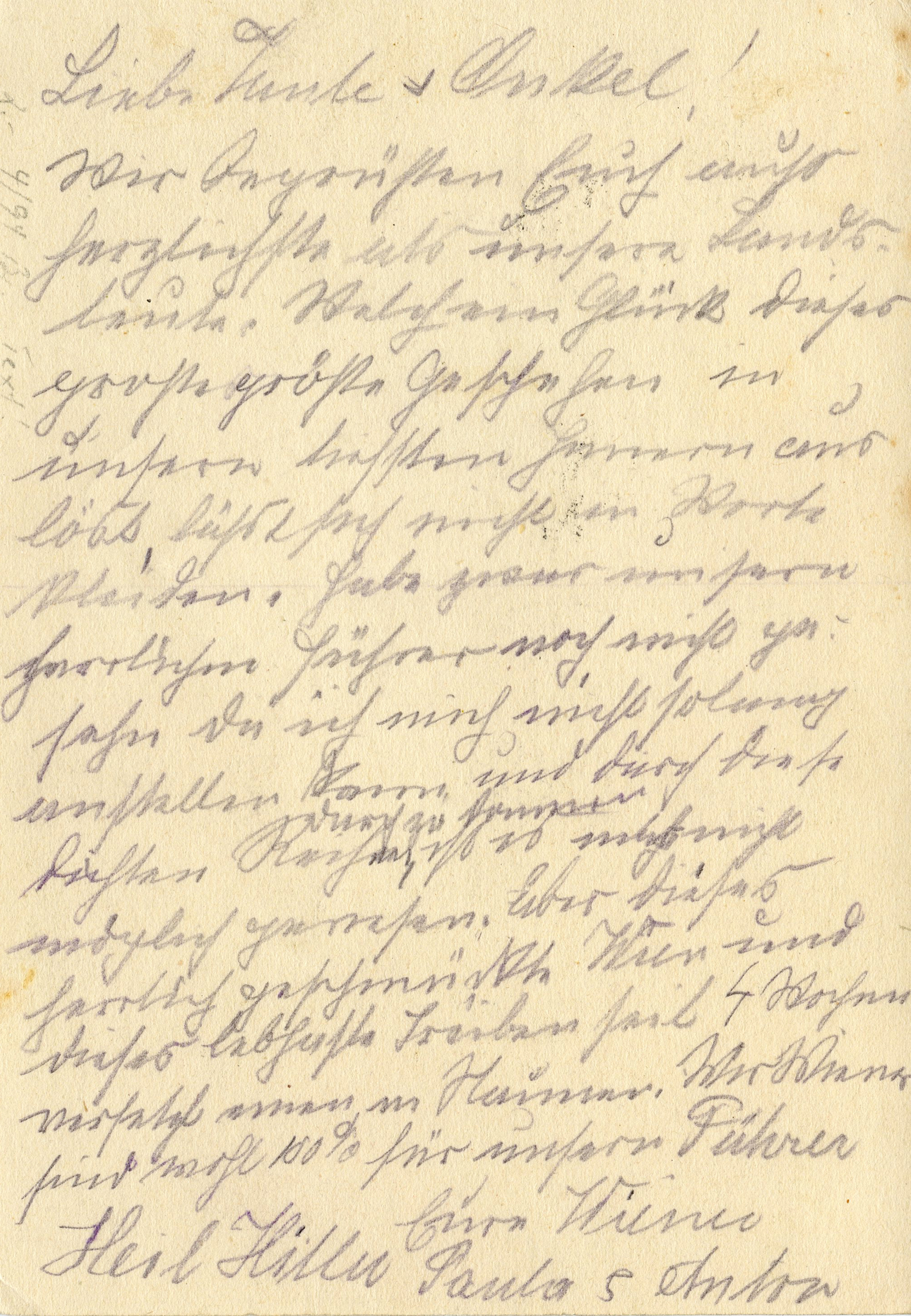
[Below: Breslau, Germany, Sport Fest.]
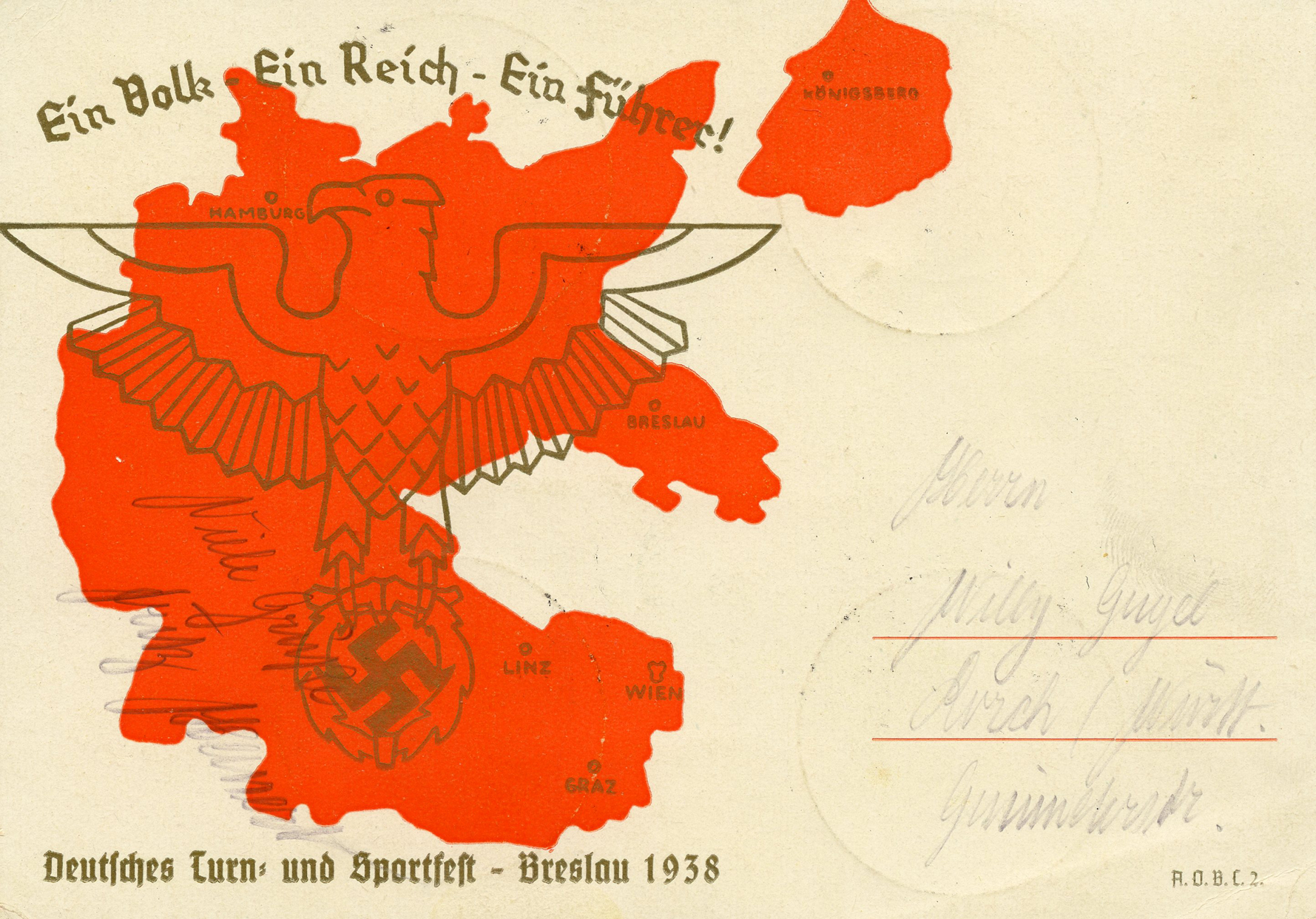
[Below: Reverse.]
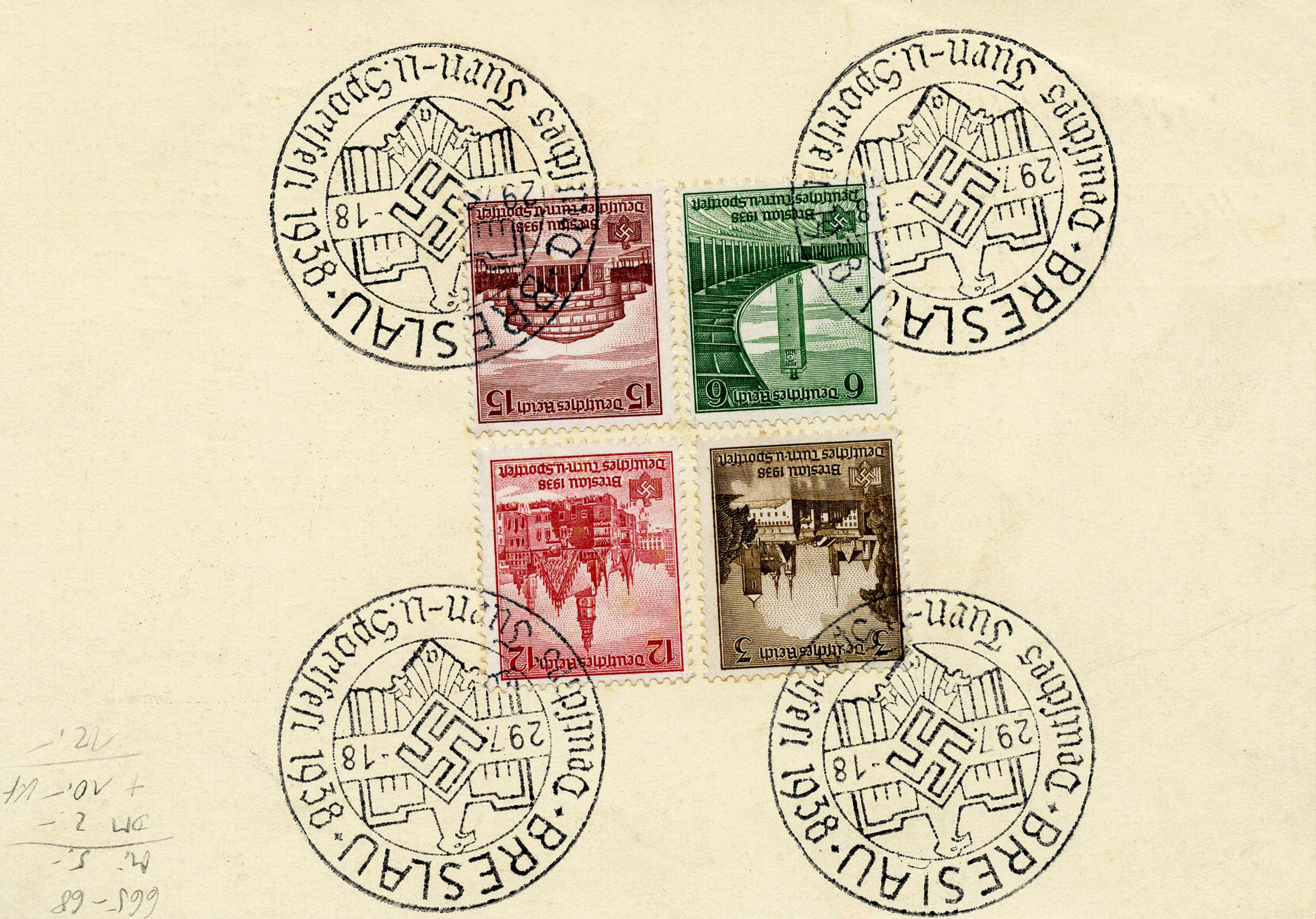
[Below: Sudetenland.]
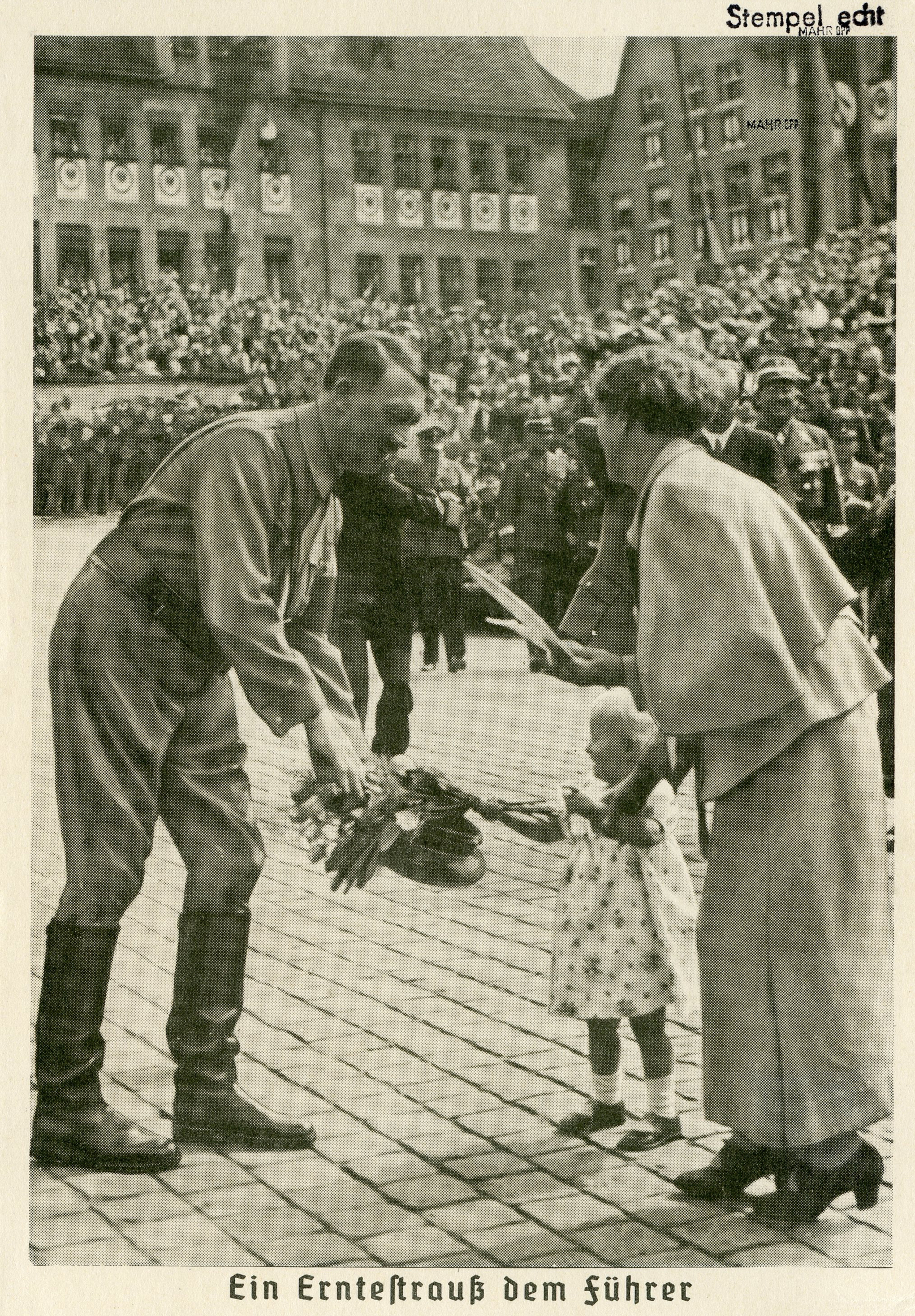
[Below: Reverse.]
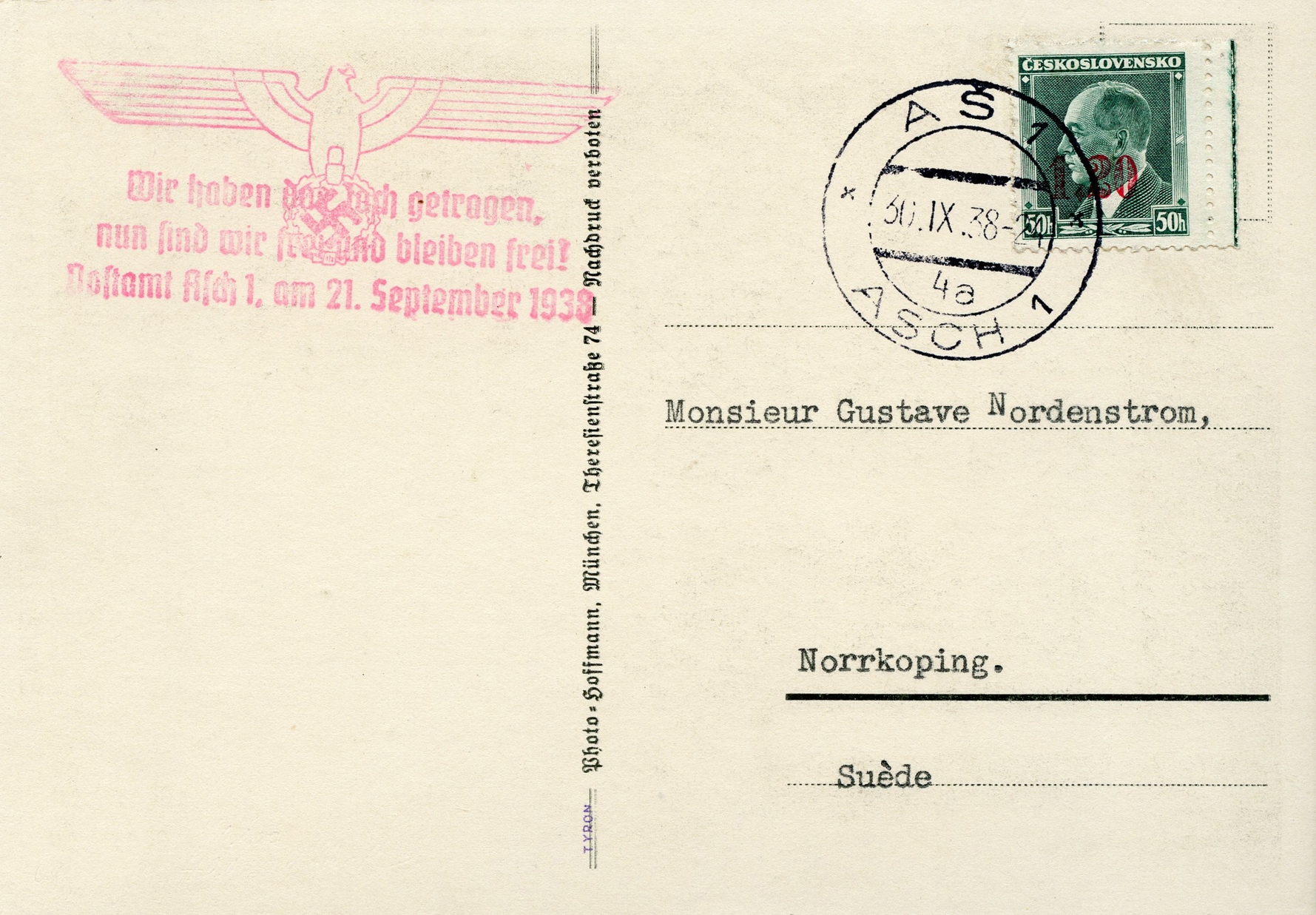
[Below: Close-up.]
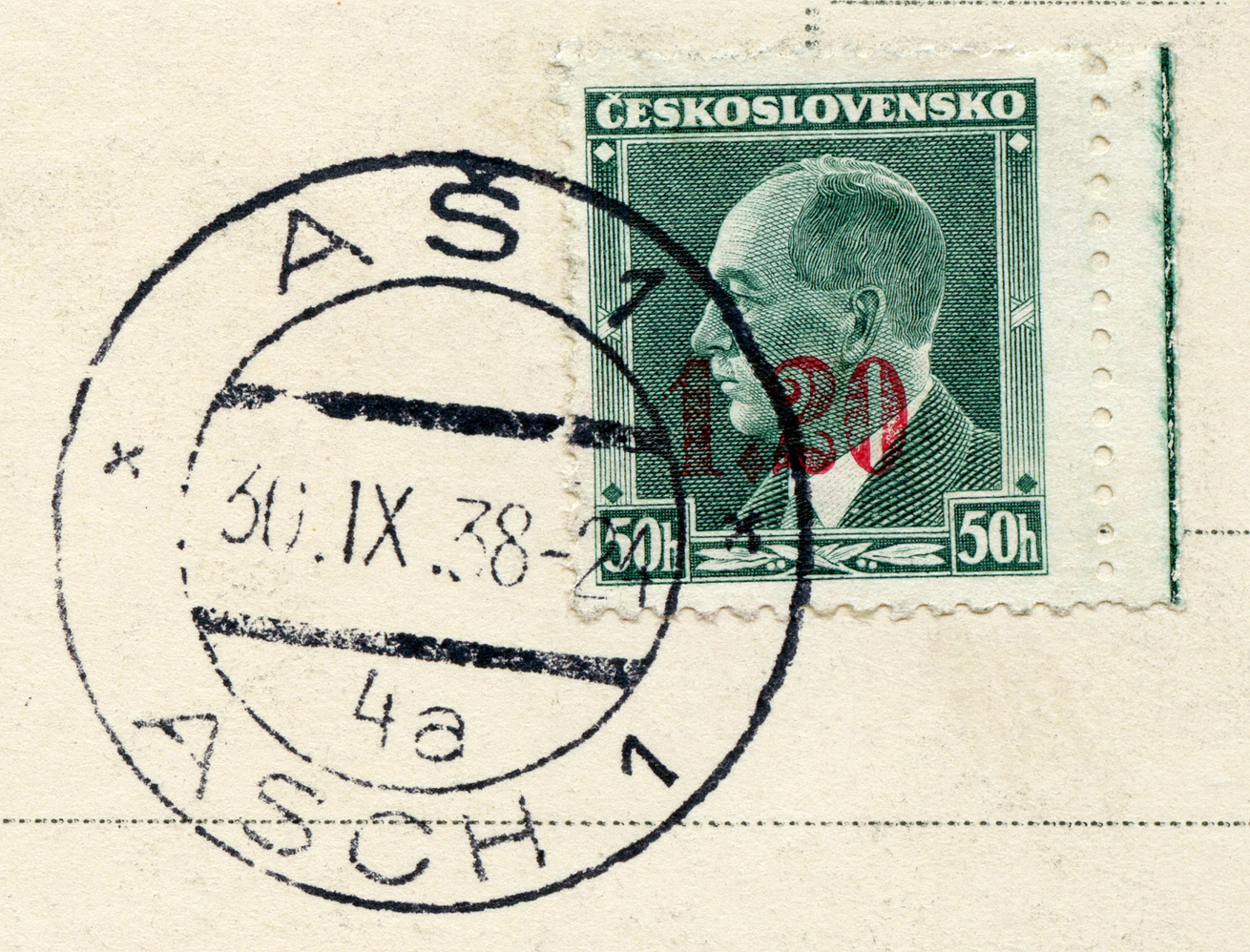
[Below: Sudetenland.]
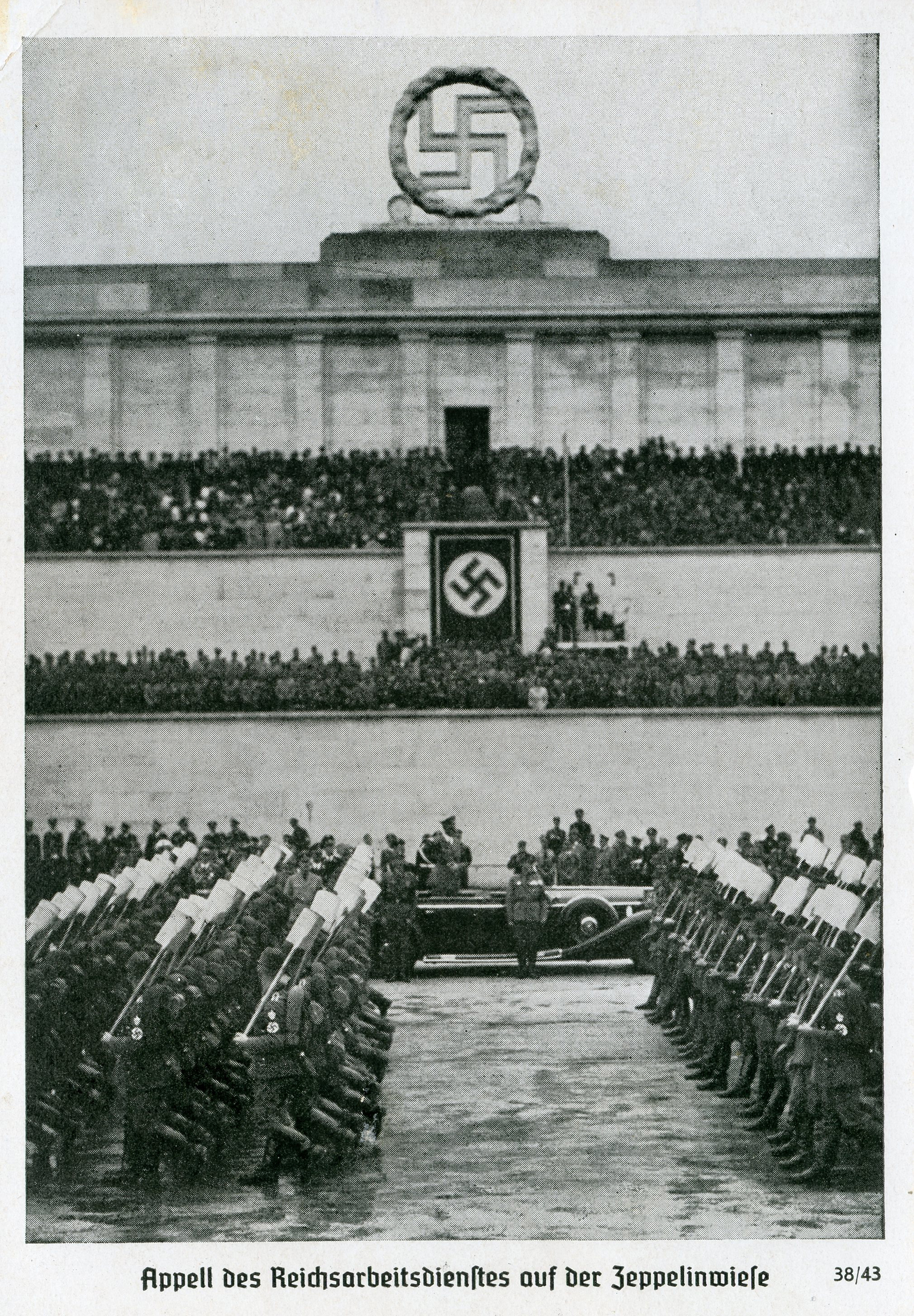
[Below: Reverse.]
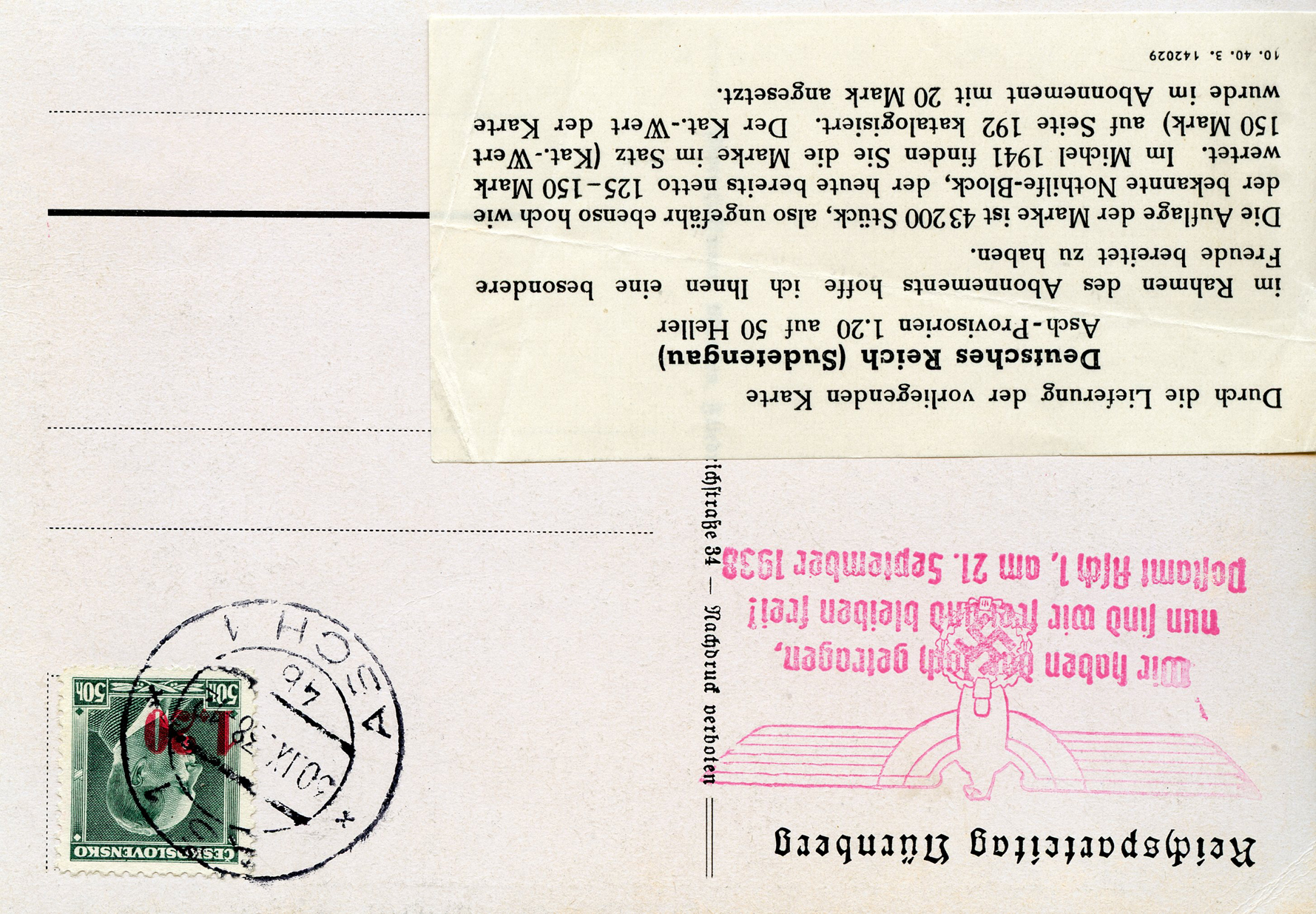
[Below: Close-up.]
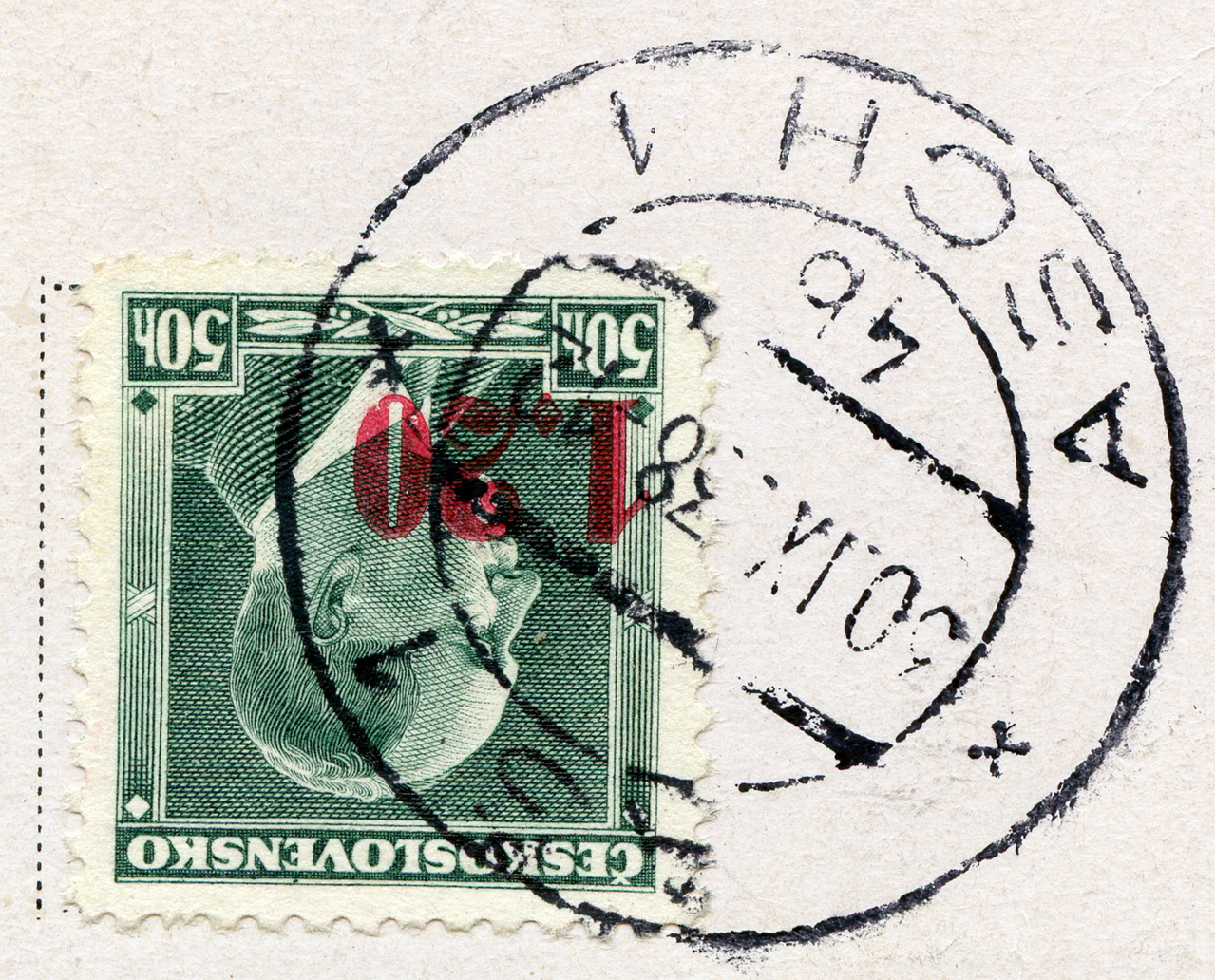
[Below: Sudetenland.]
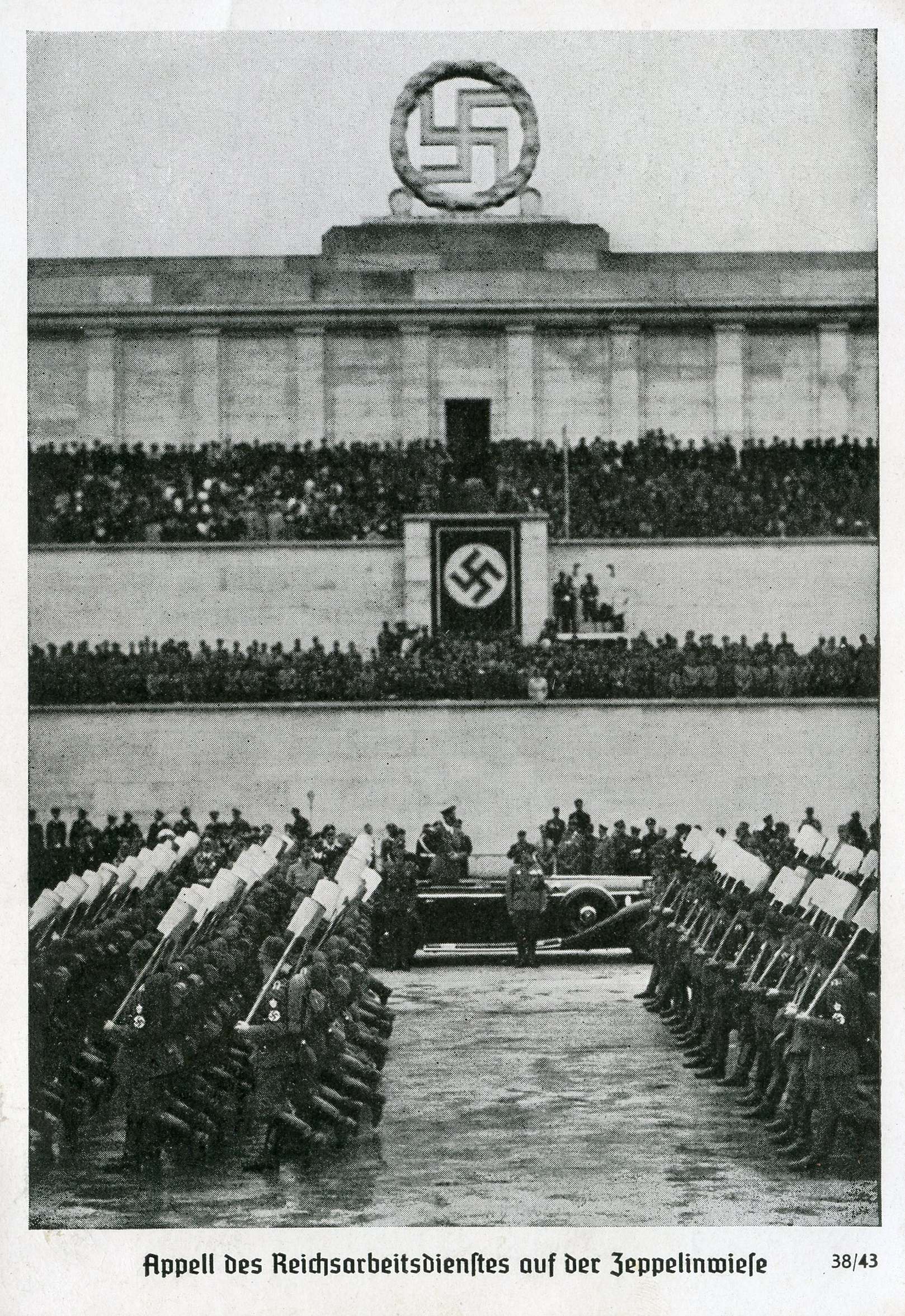
[Below: Reverse.]
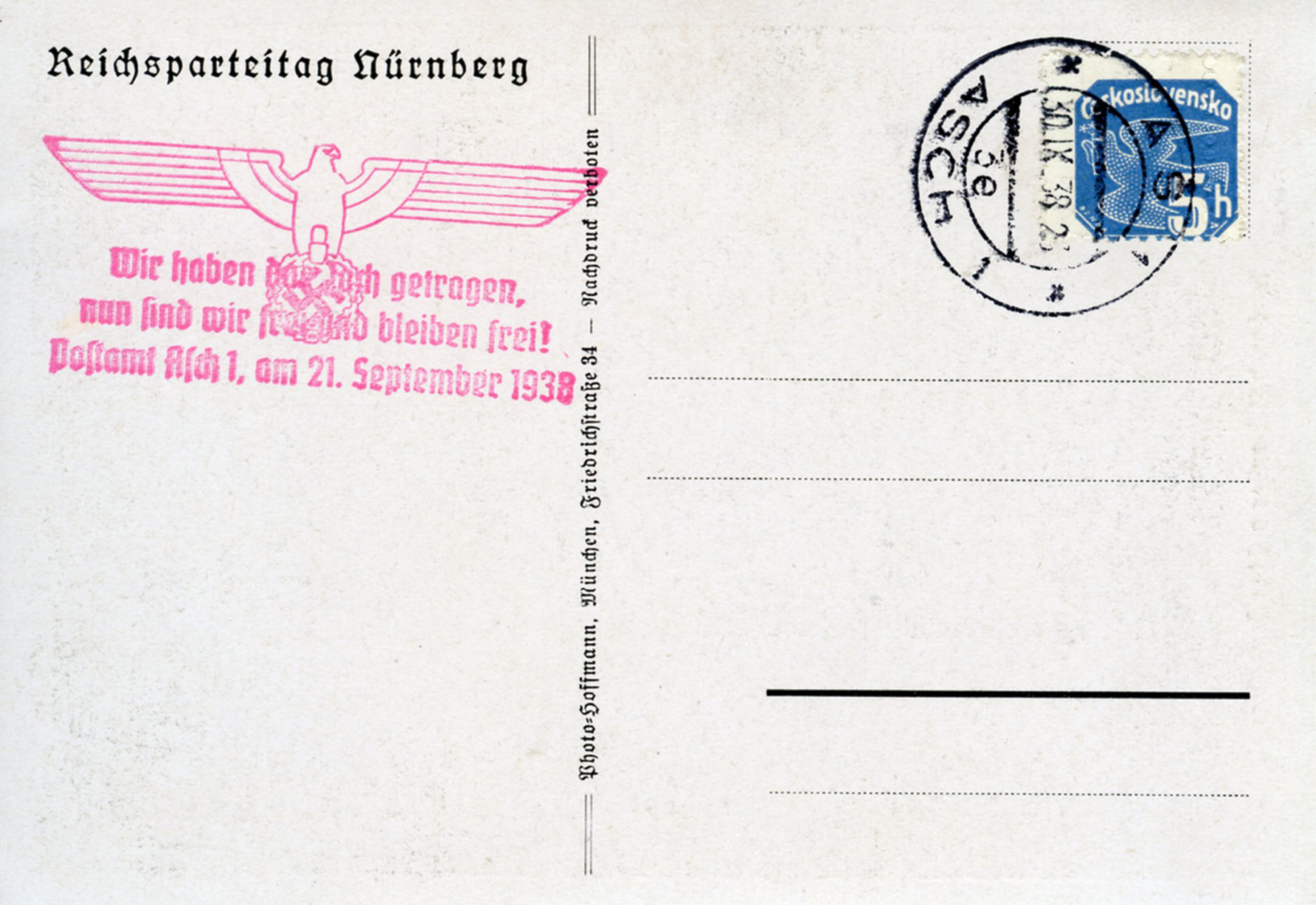
[Below: Close-up.]
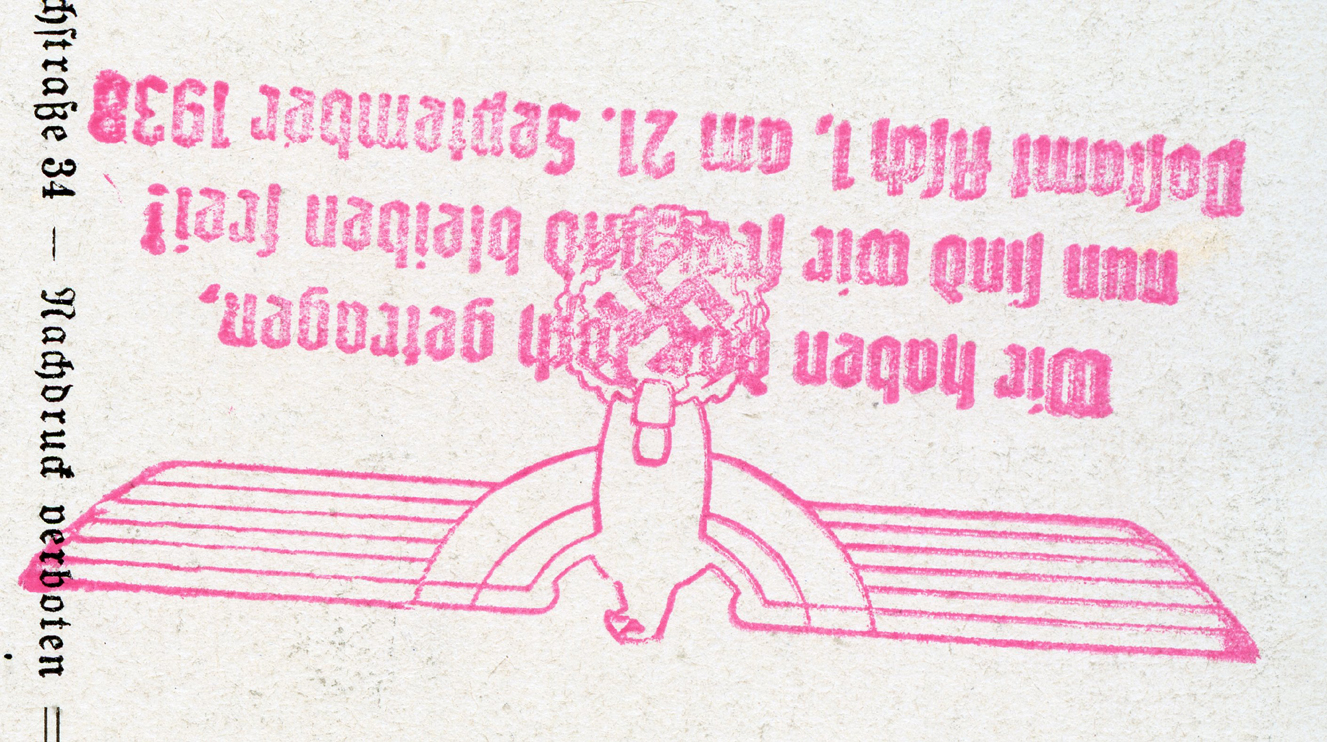
[Below: Sudetenland.]
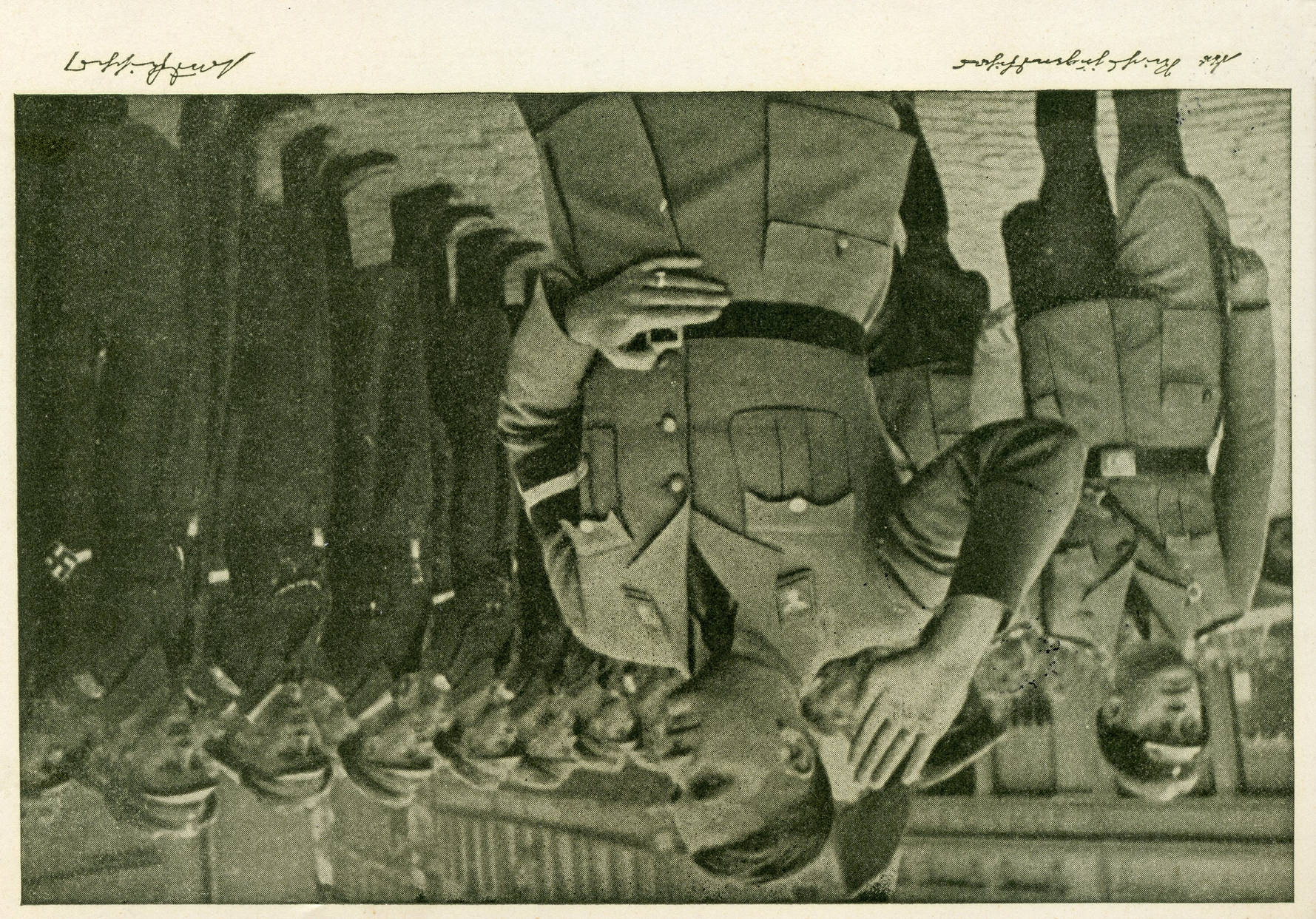
[Below: Reverse.]
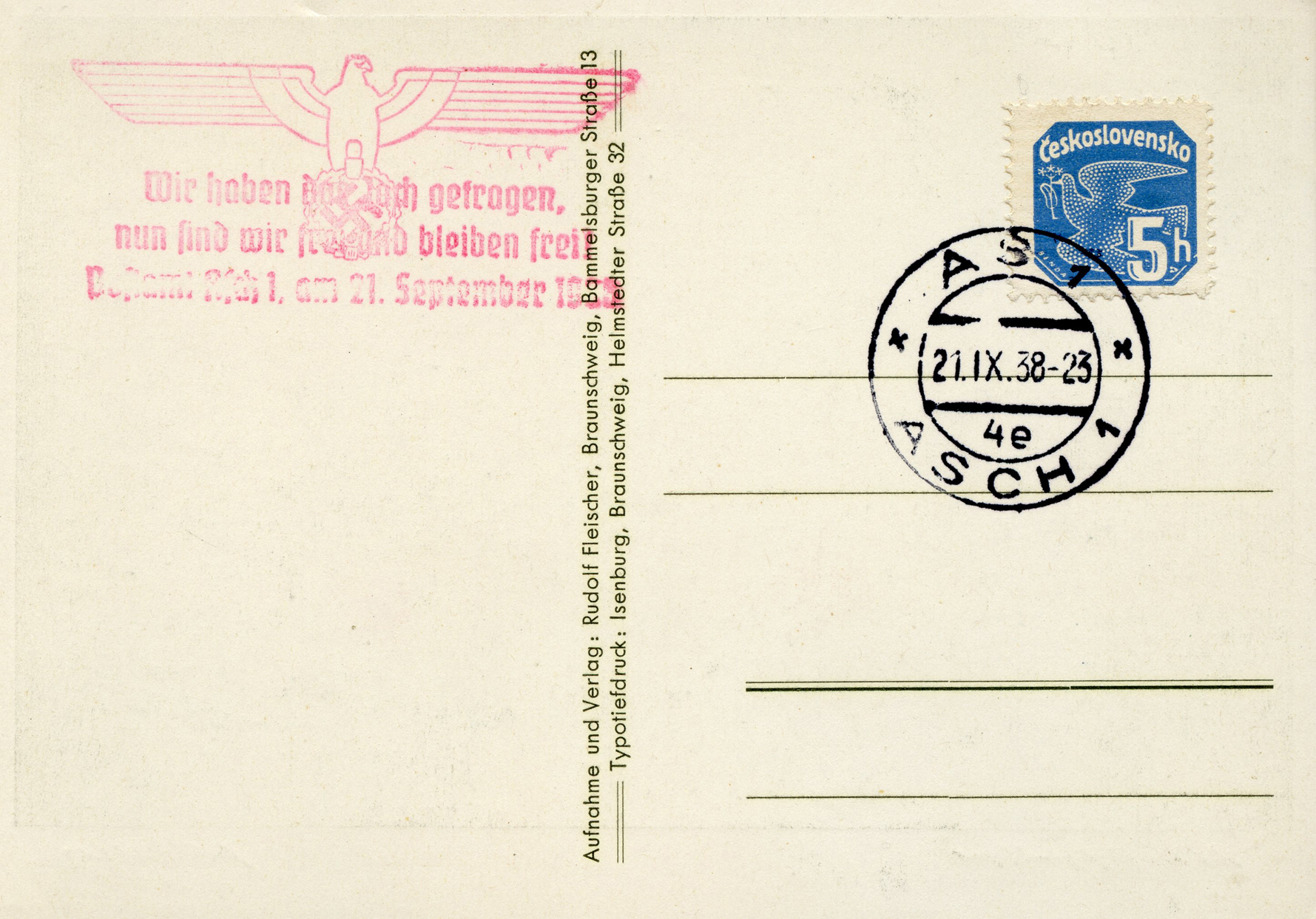
[Below: Sudetenland.]
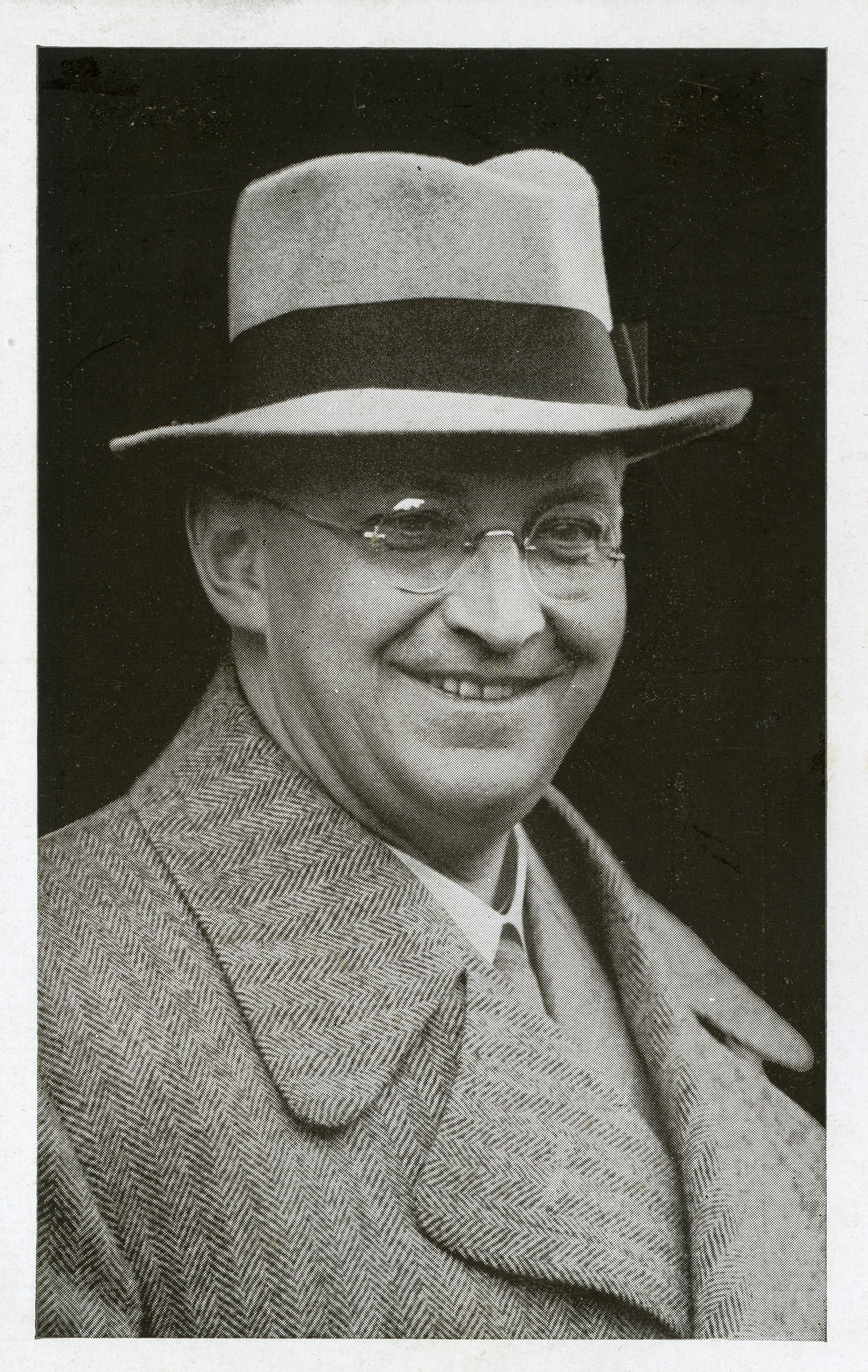
[Below: Reverse.]
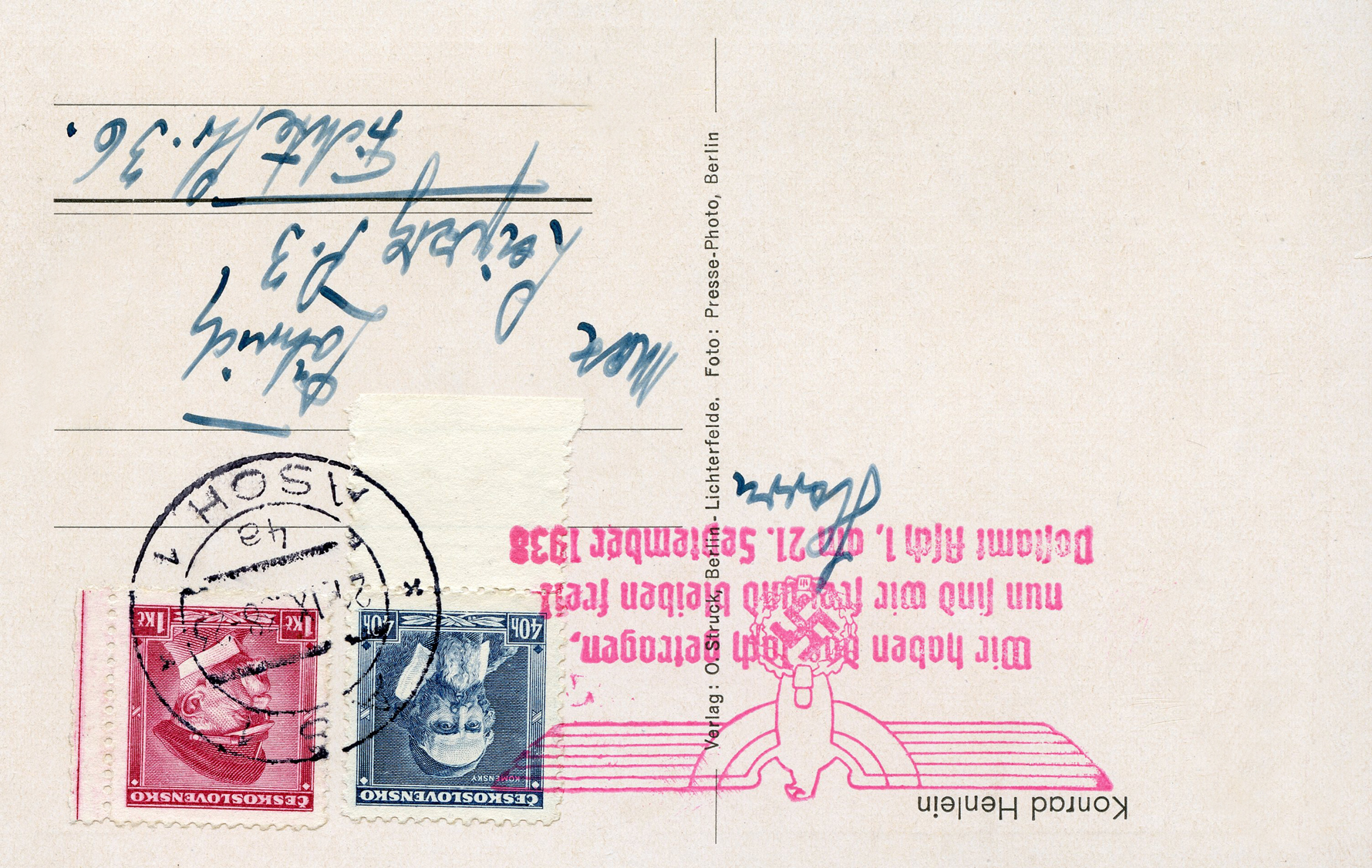
[Below: Sudetenland.]
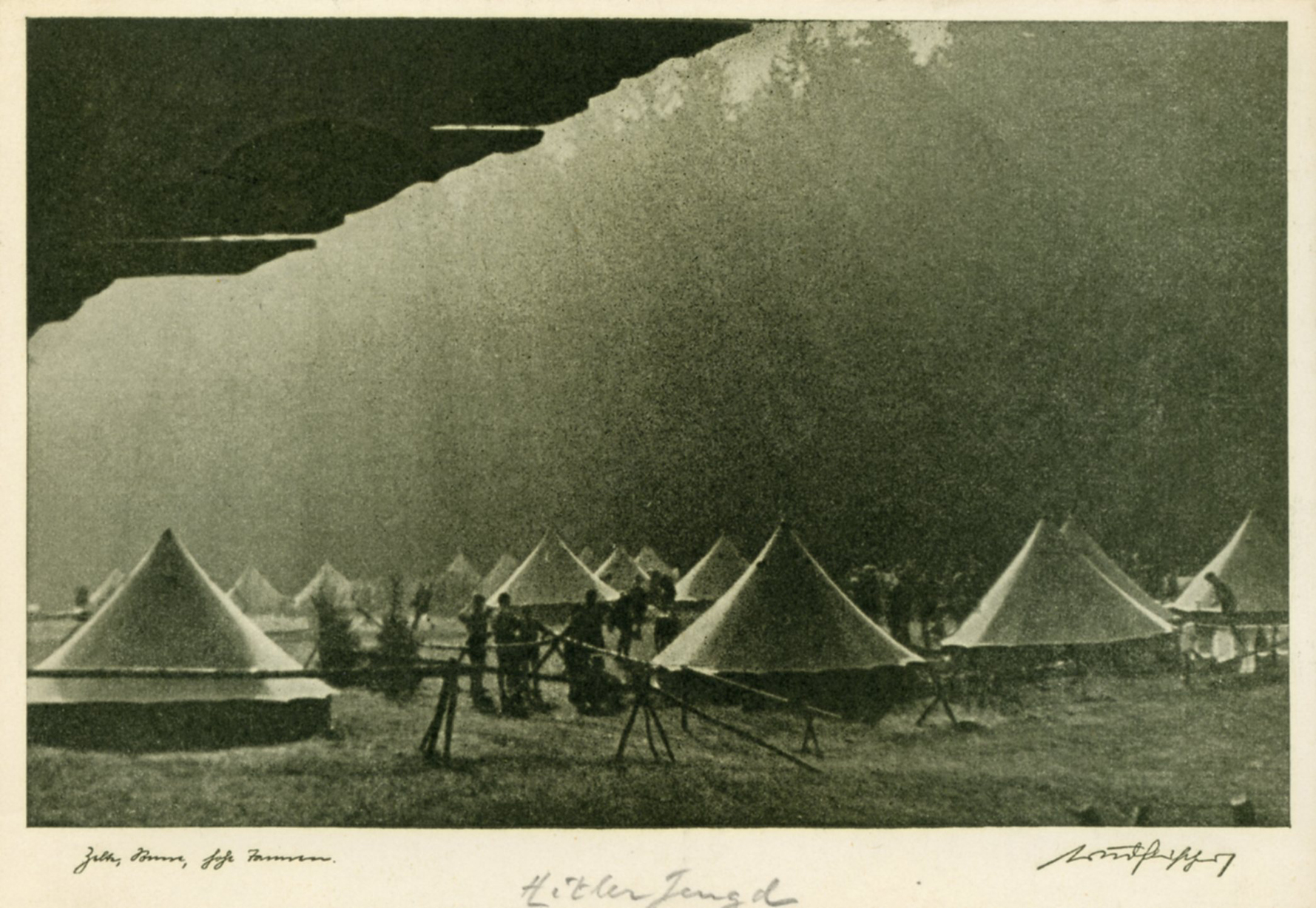
[Below: Reverse.]
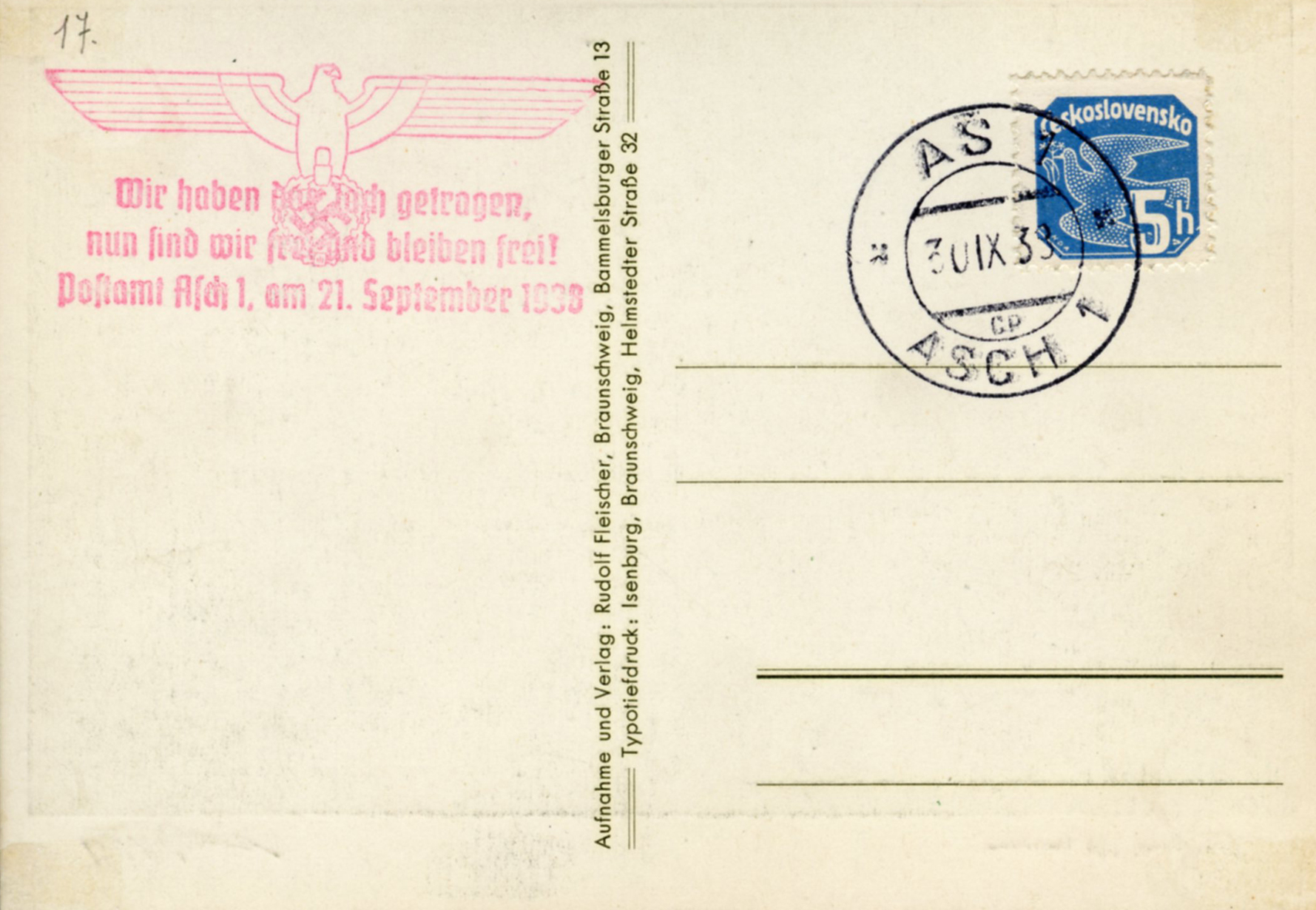
[Below: Sudetenland.]
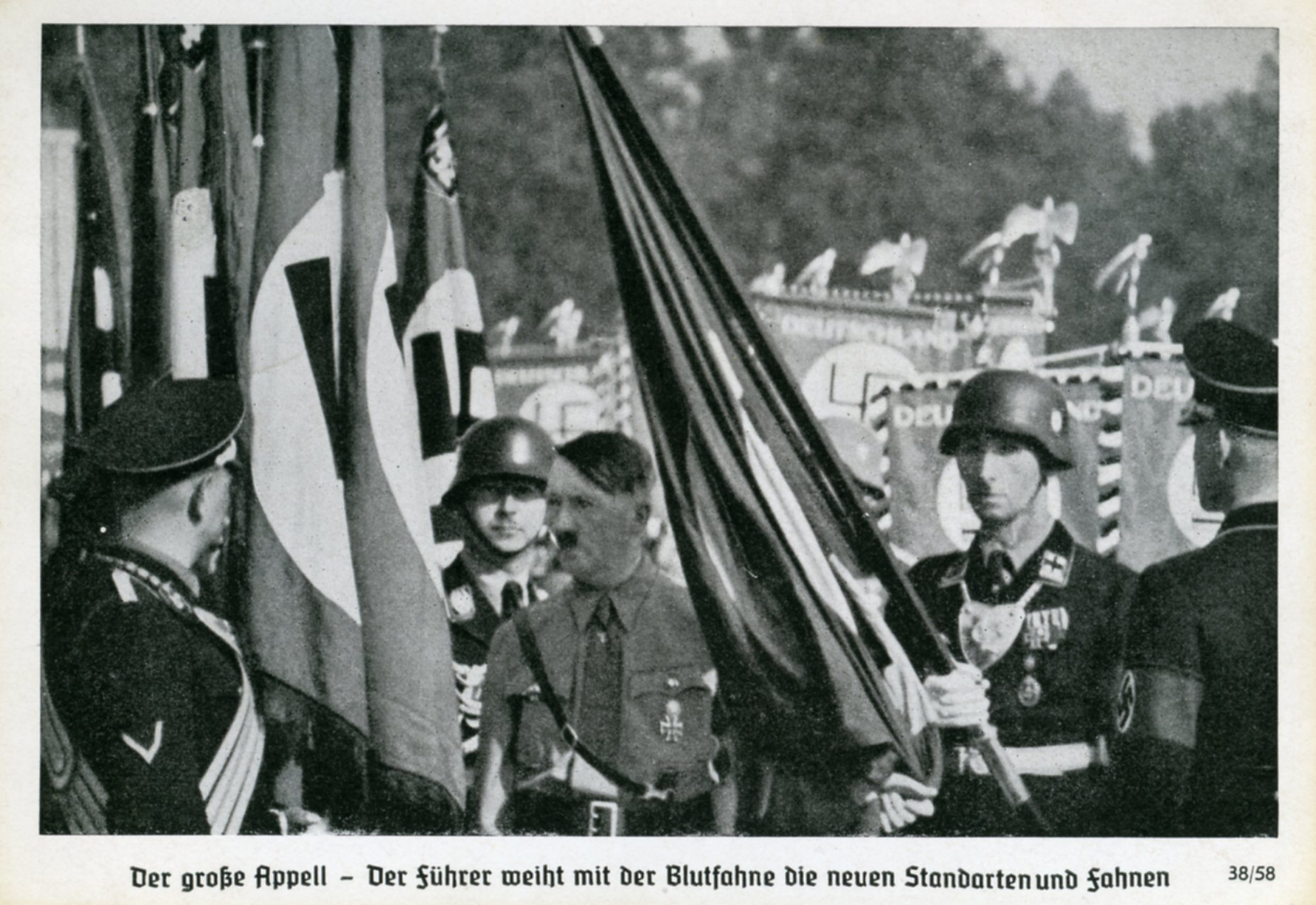
[Below: Reverse.]
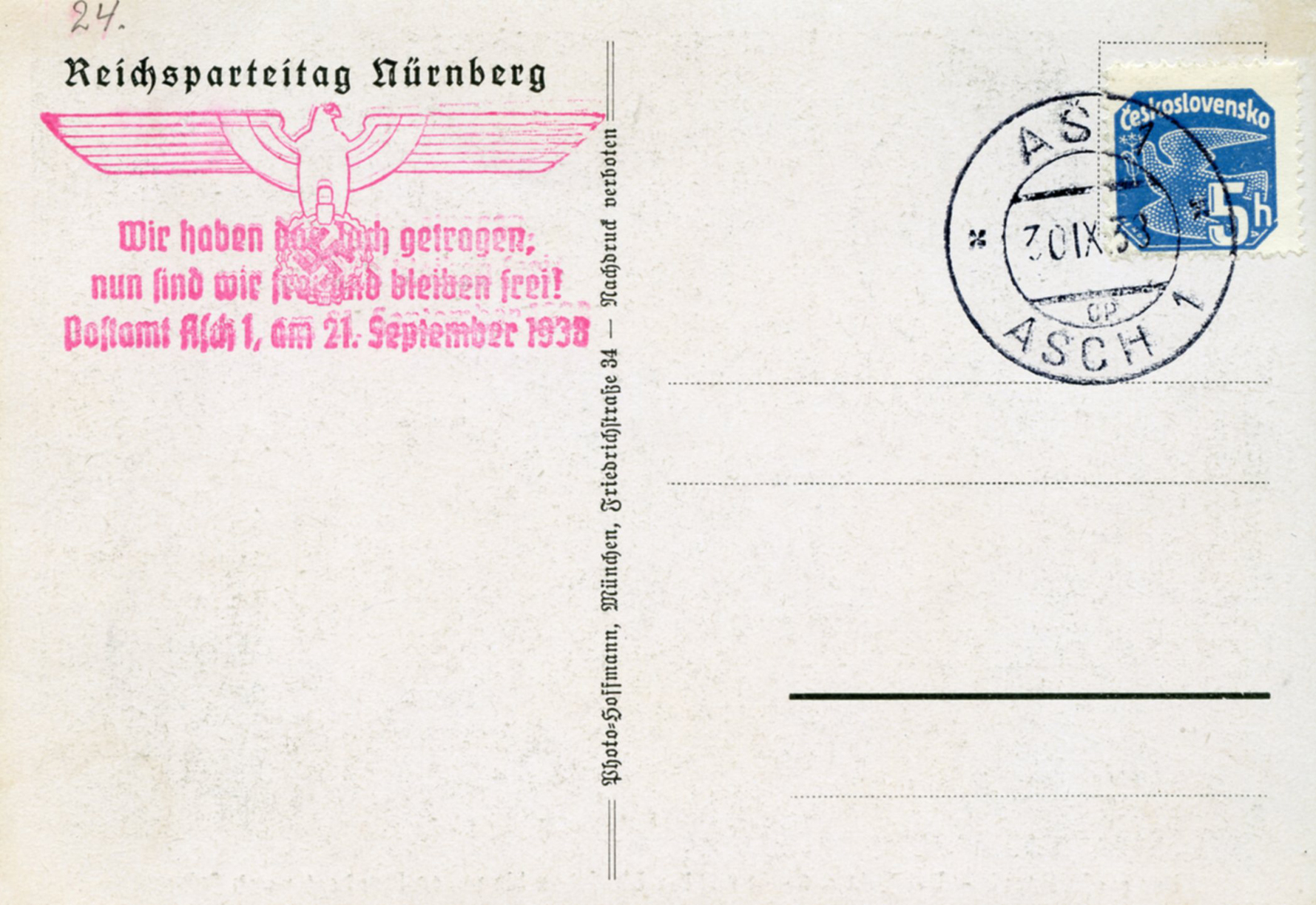
[Below: Sudetenland.]
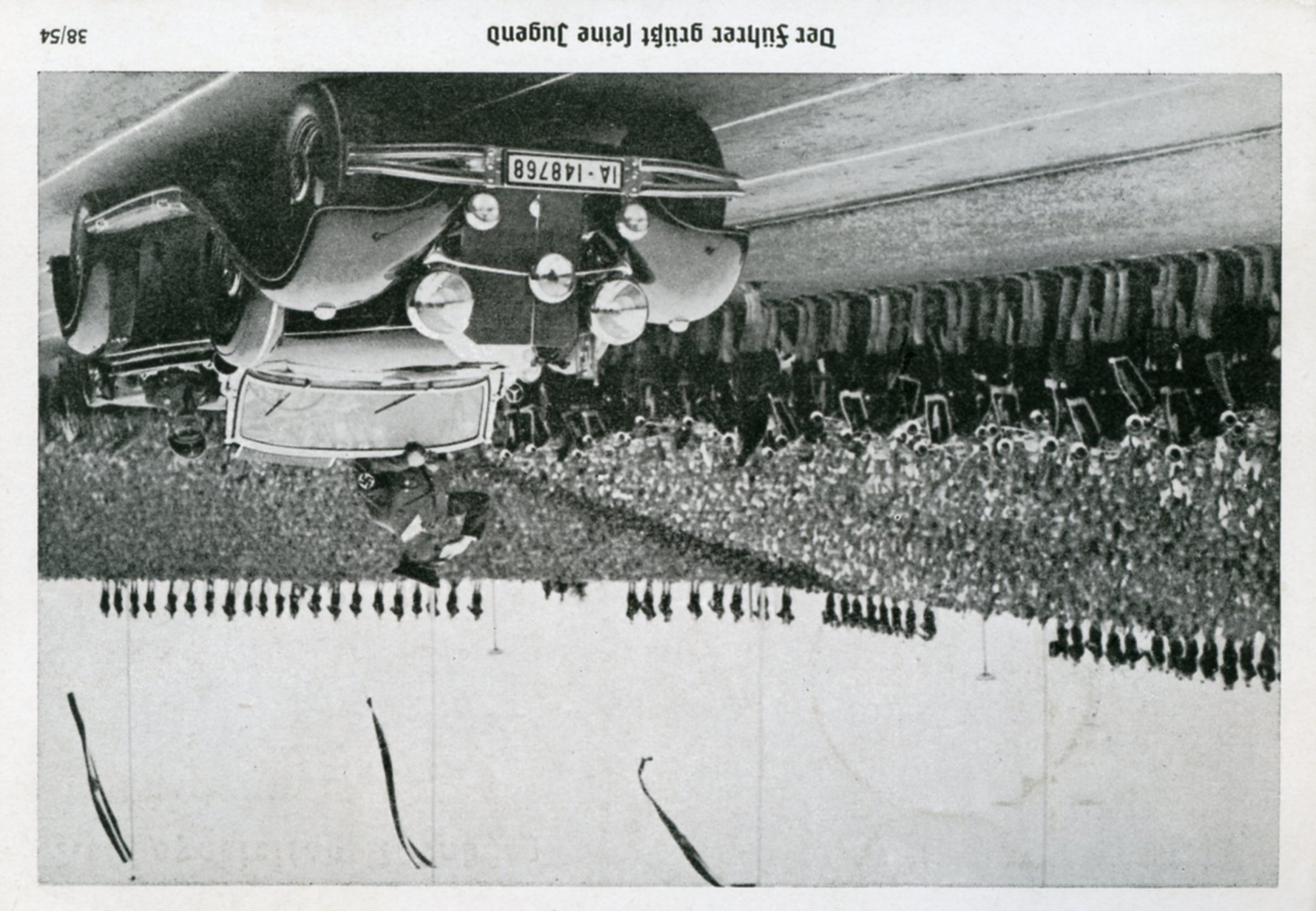
[Below: Reverse.]
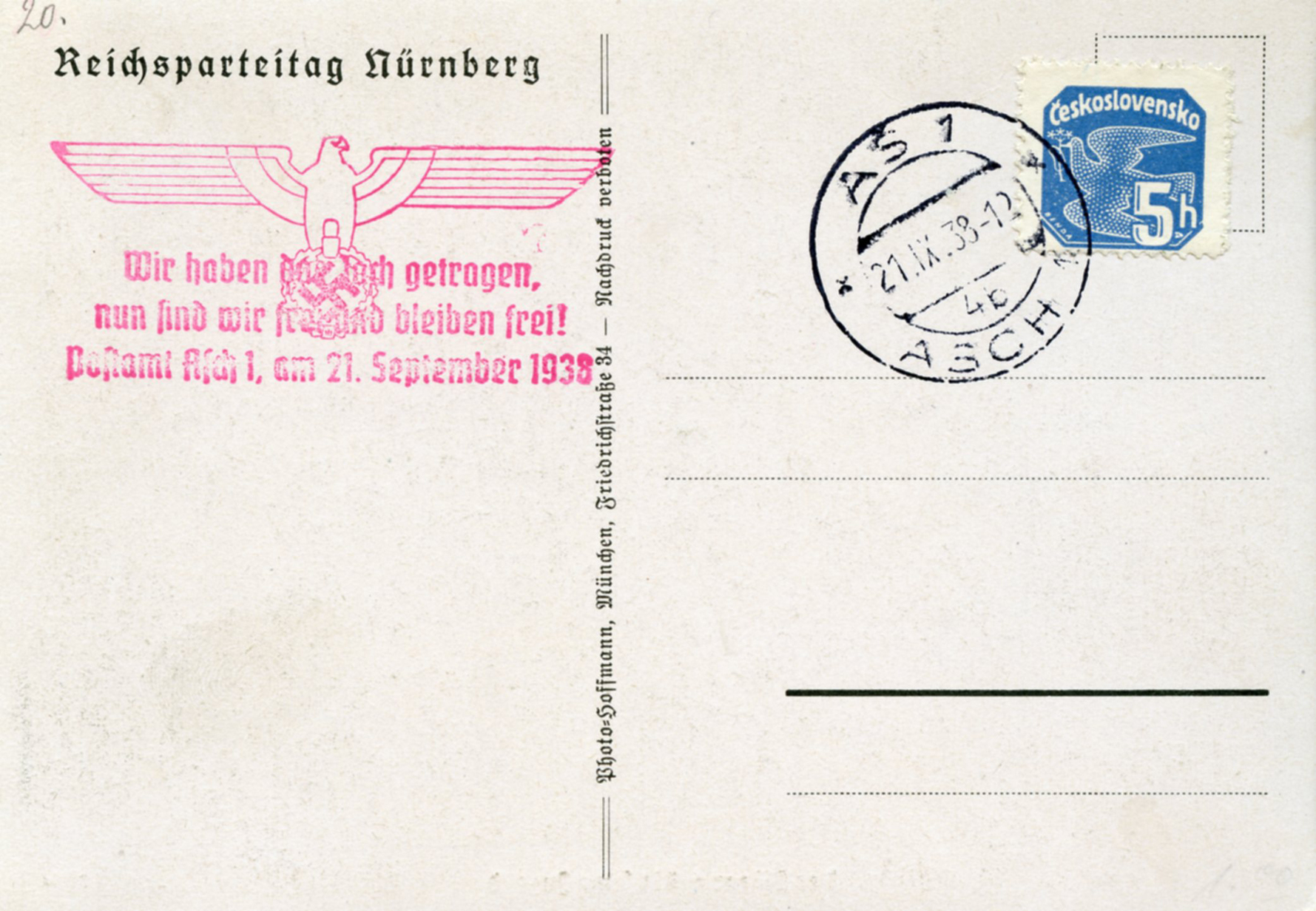
[Below: Sudetenland.]
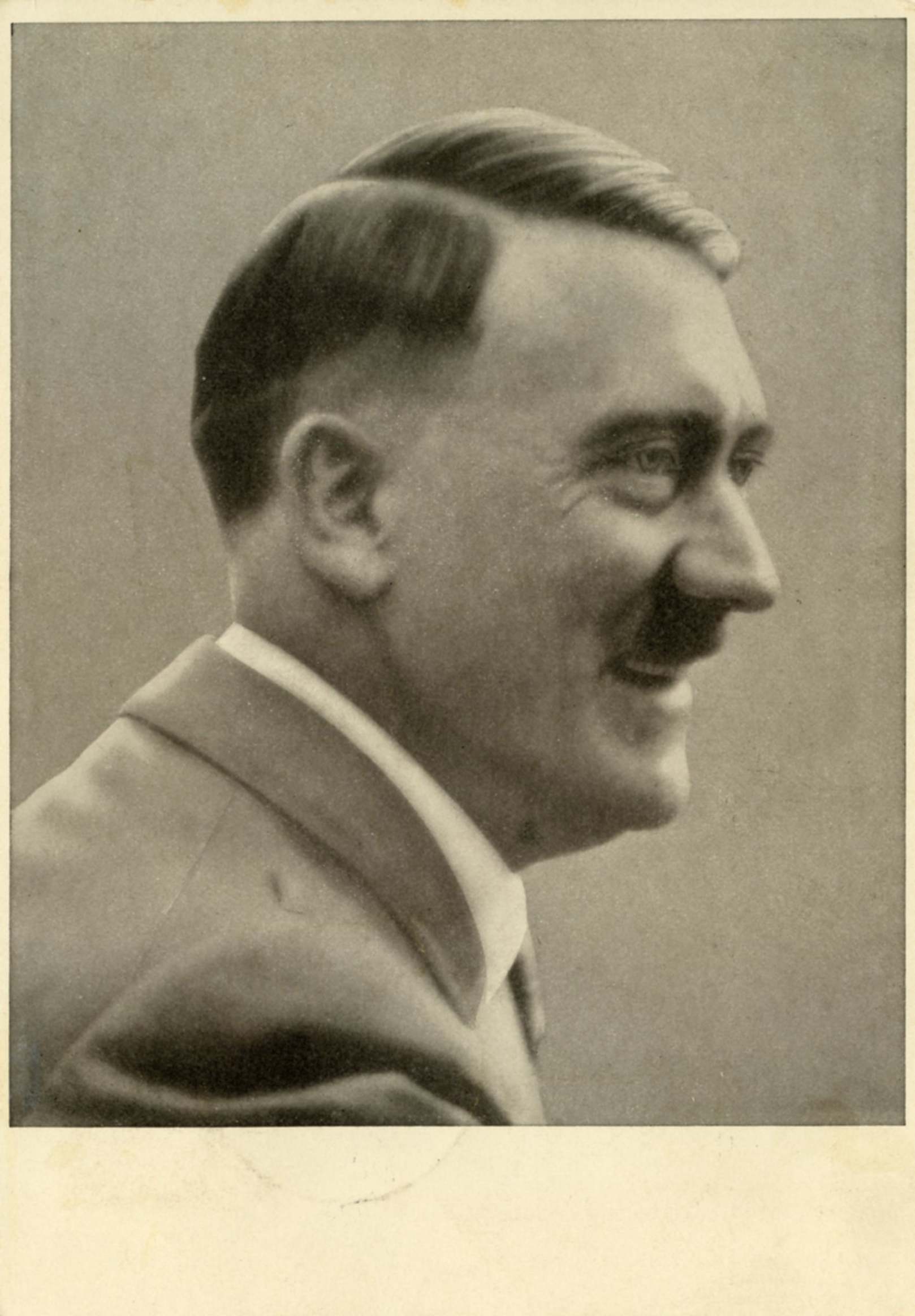
[Below: Reverse.]
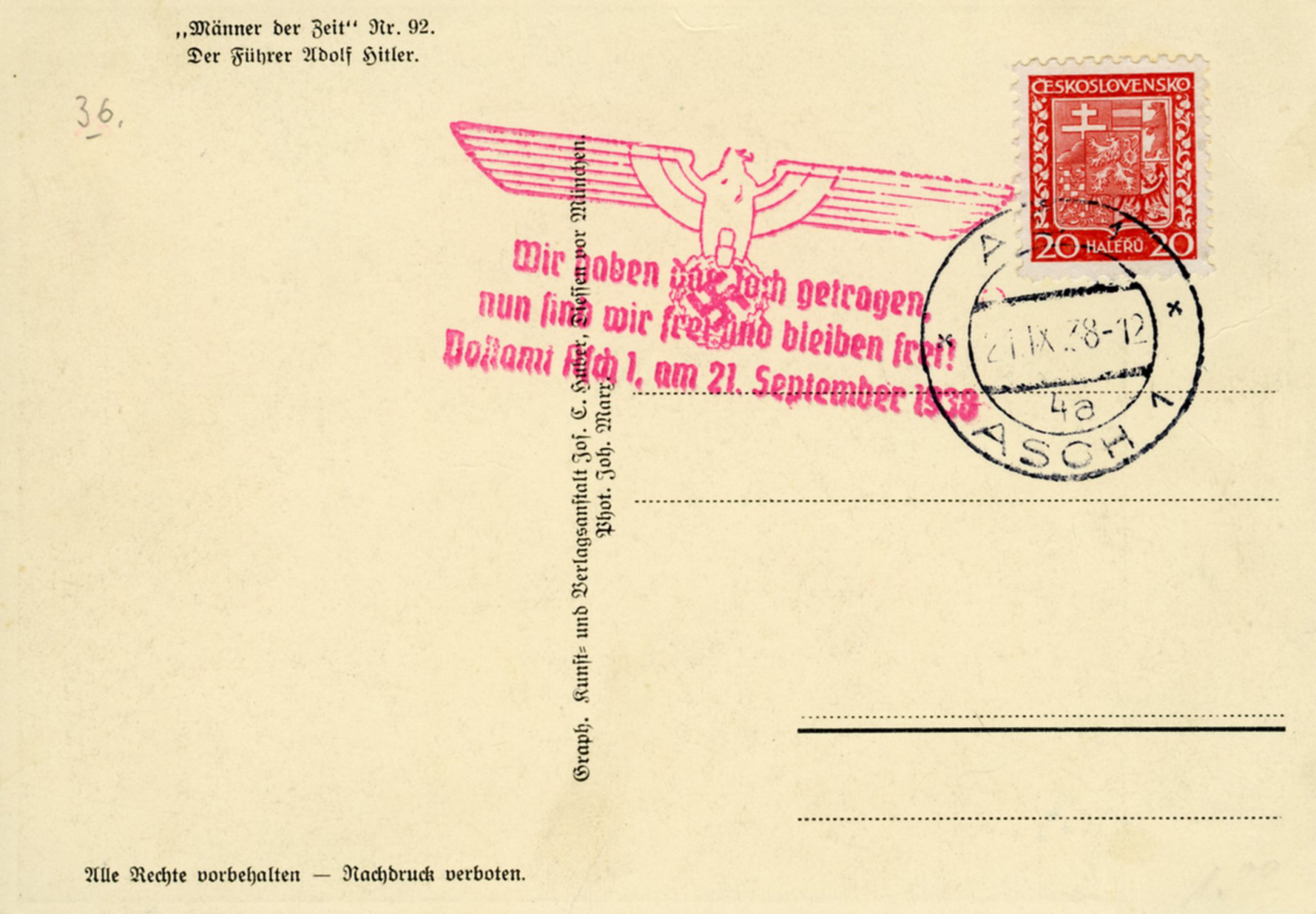
[Below: Sudetenland.]
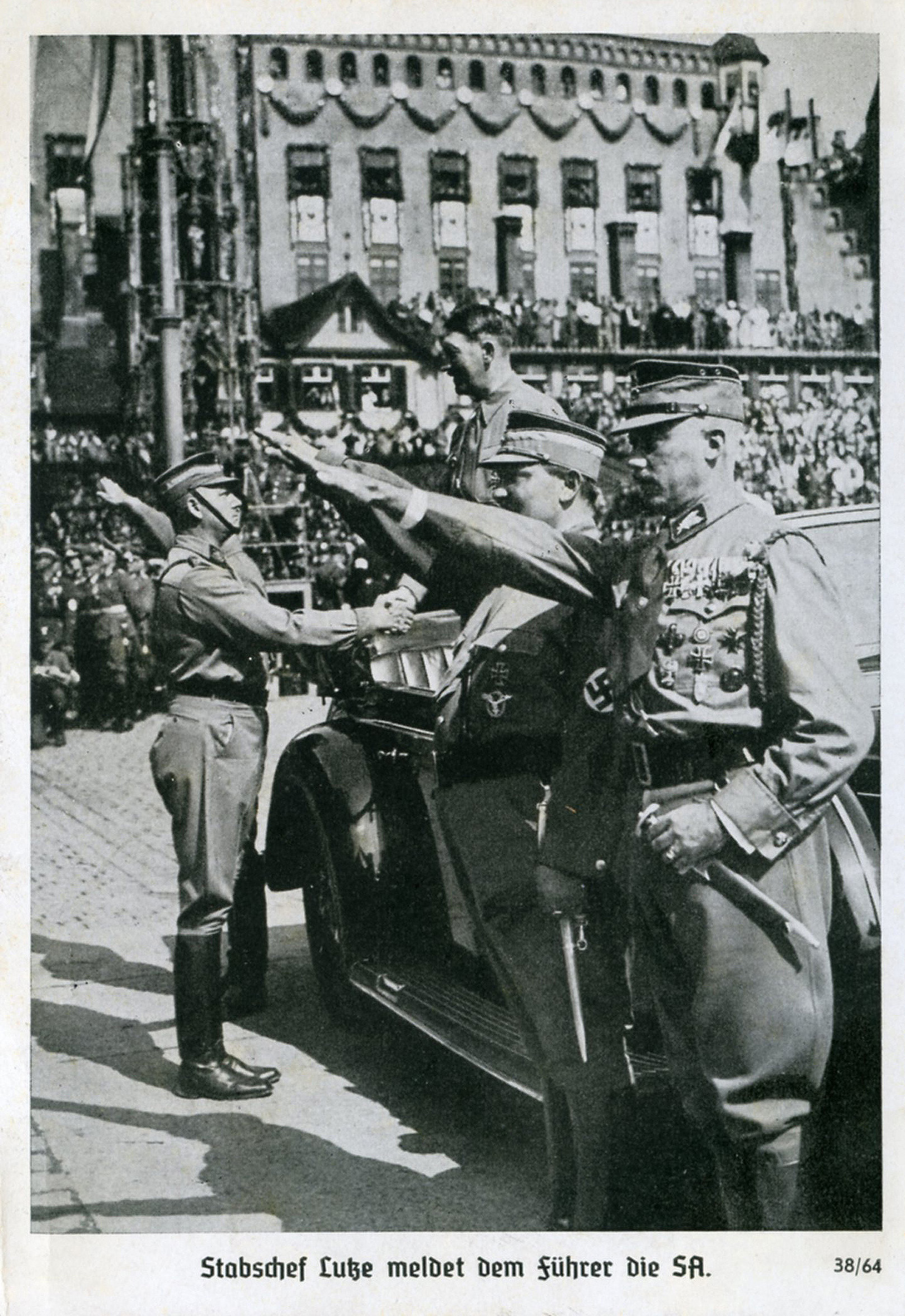
[Below: Reverse.]
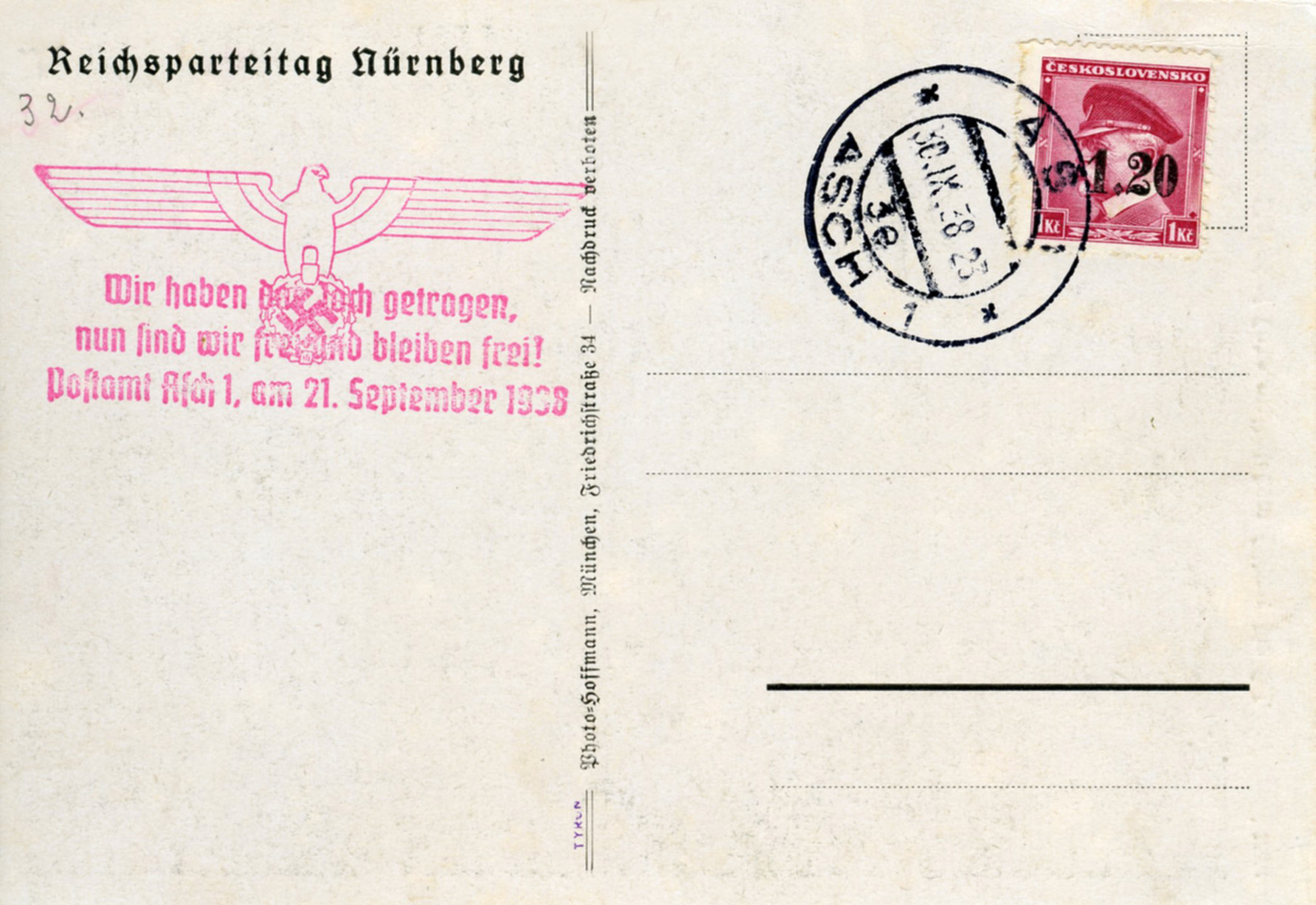
[Below: Close-up.]
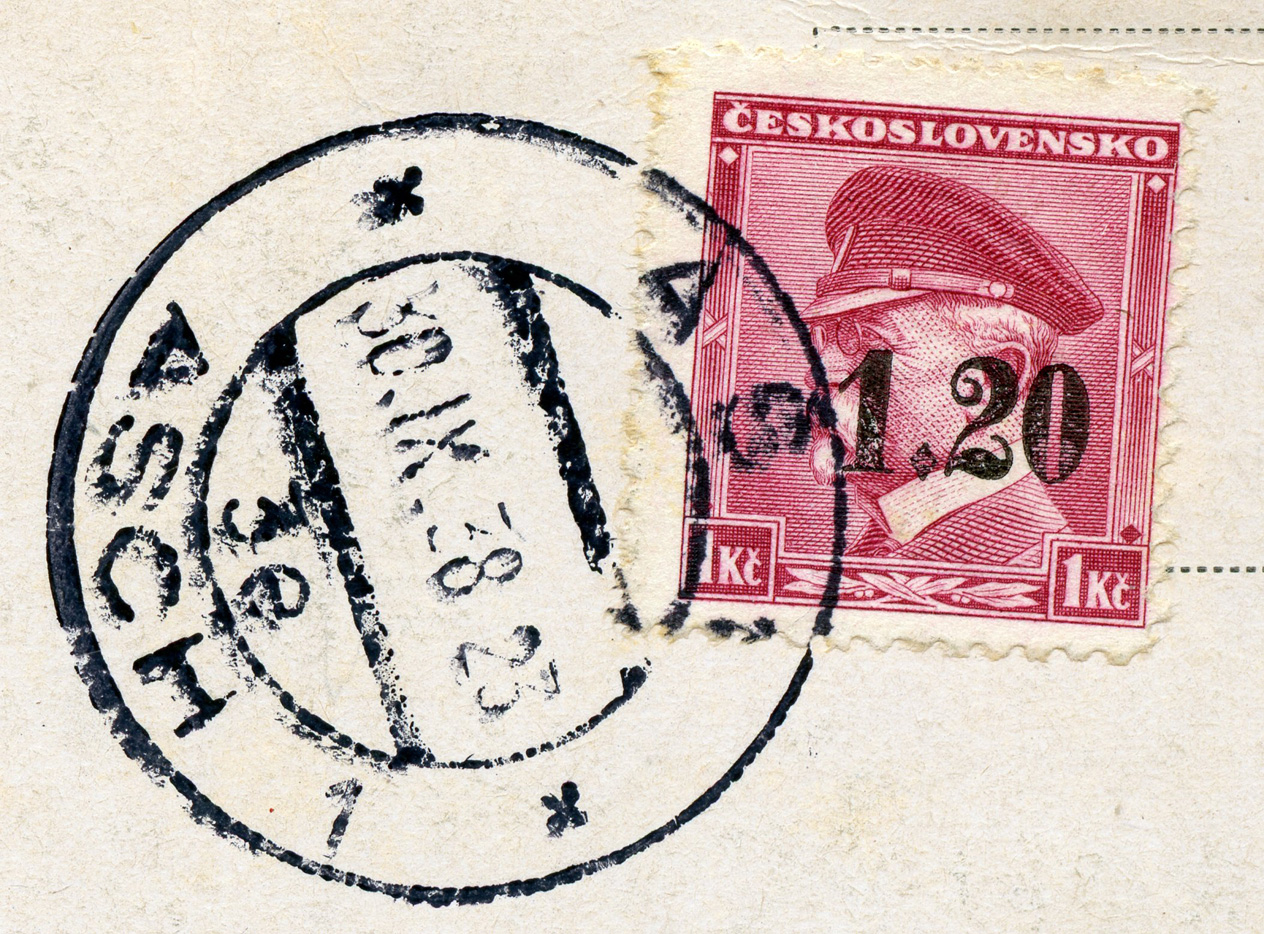
[Below: Sudetenland.]
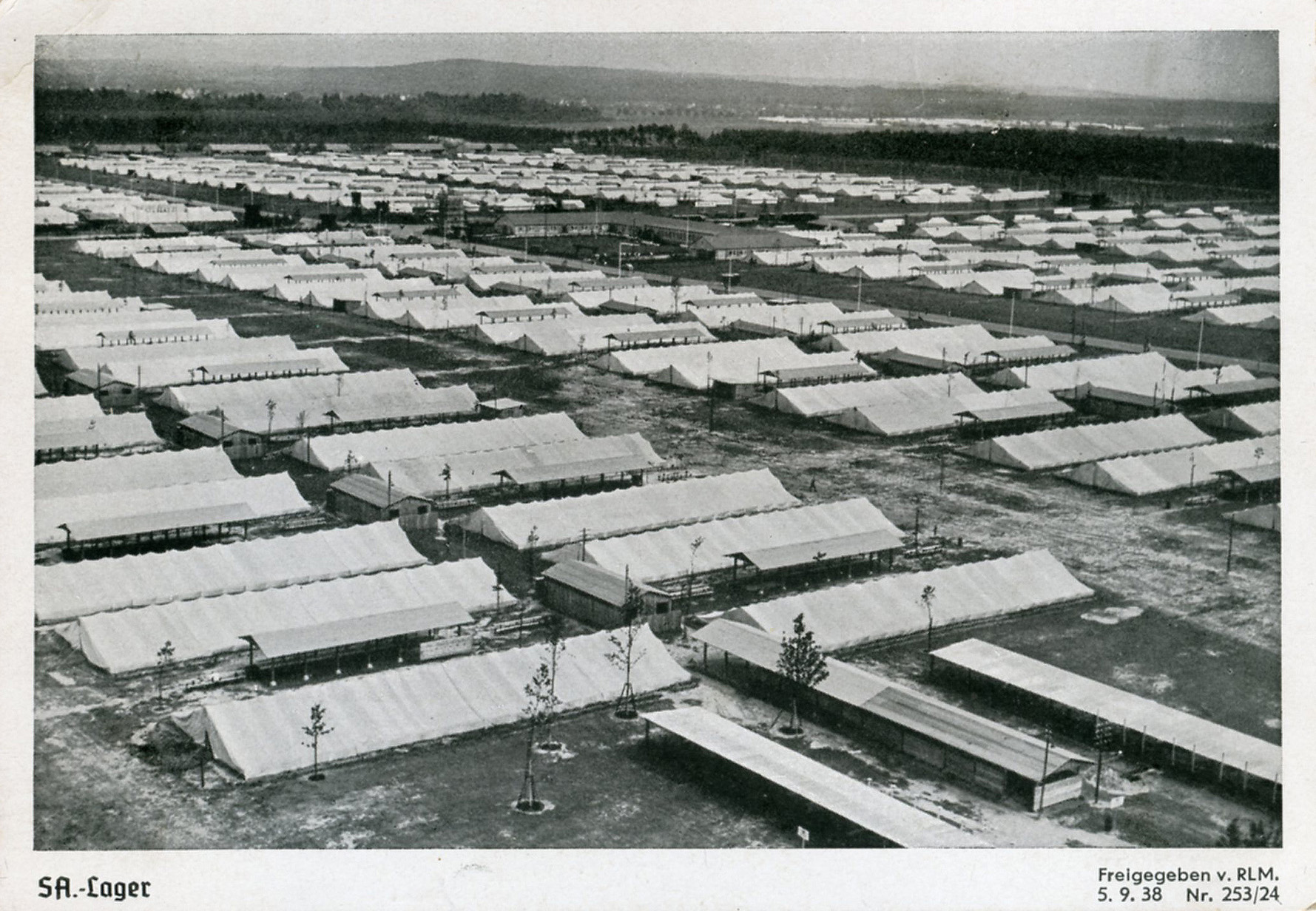
[Below: Reverse.]
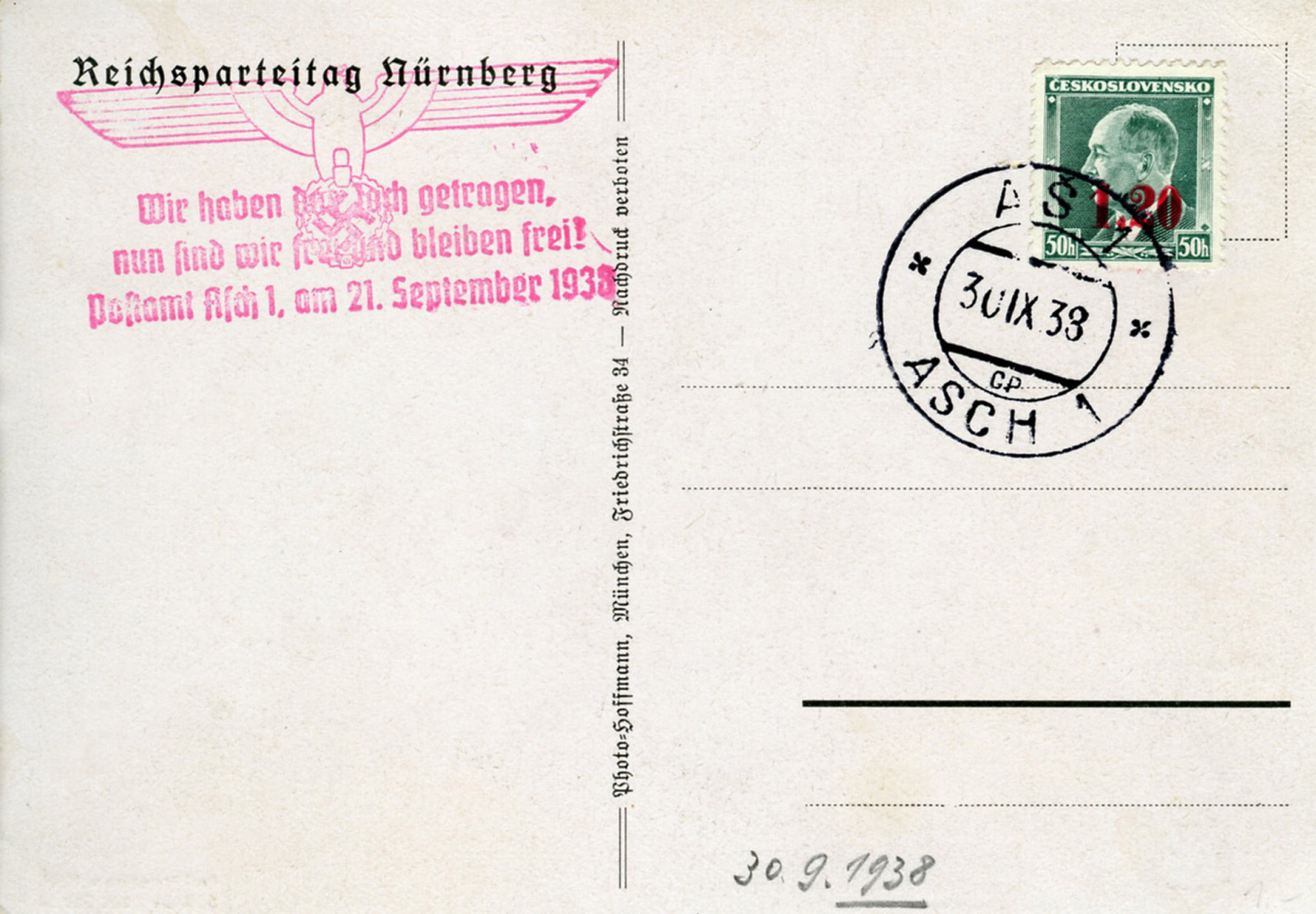
[Below: Close-up.]
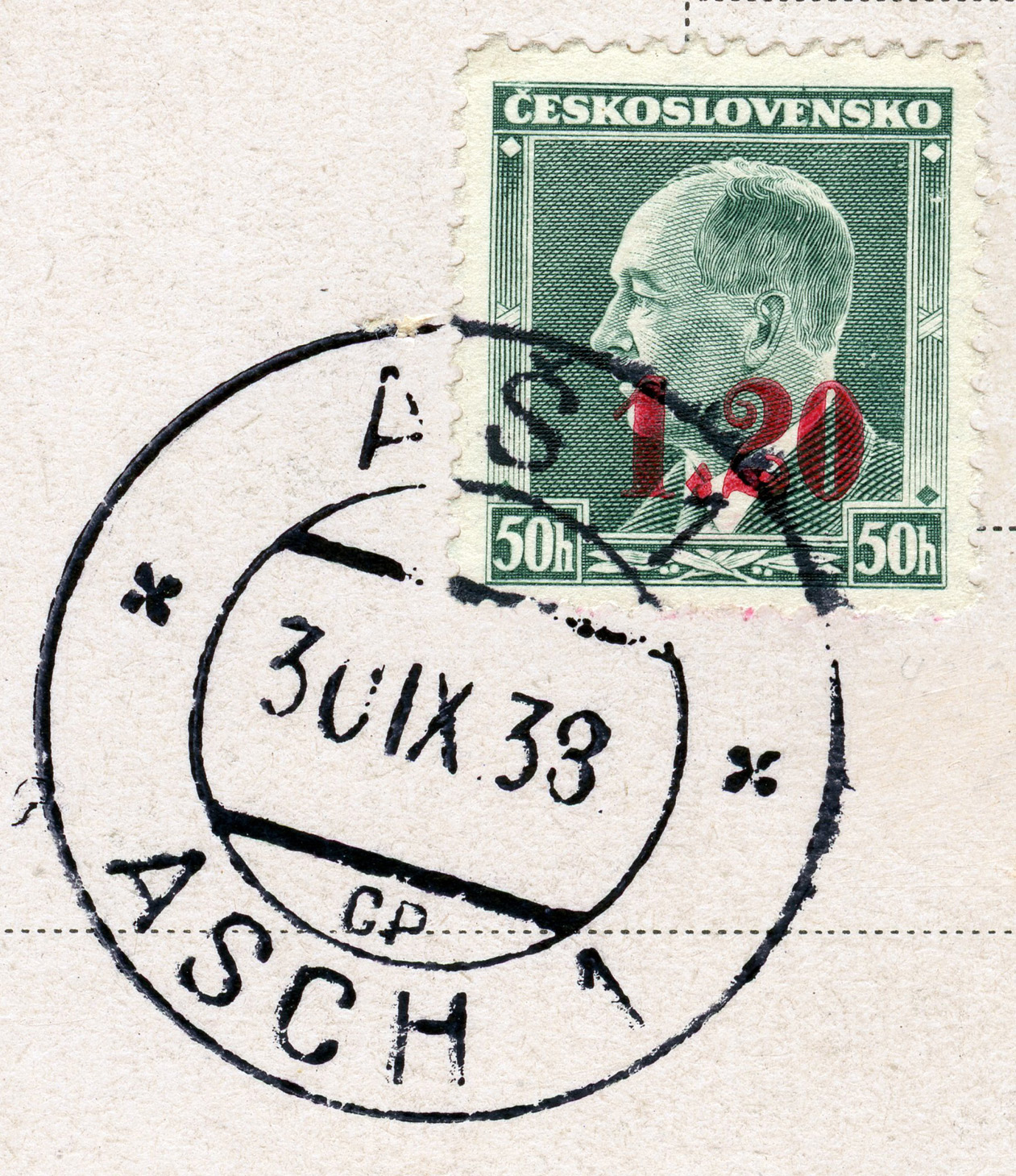
[Below: Sudetenland.]
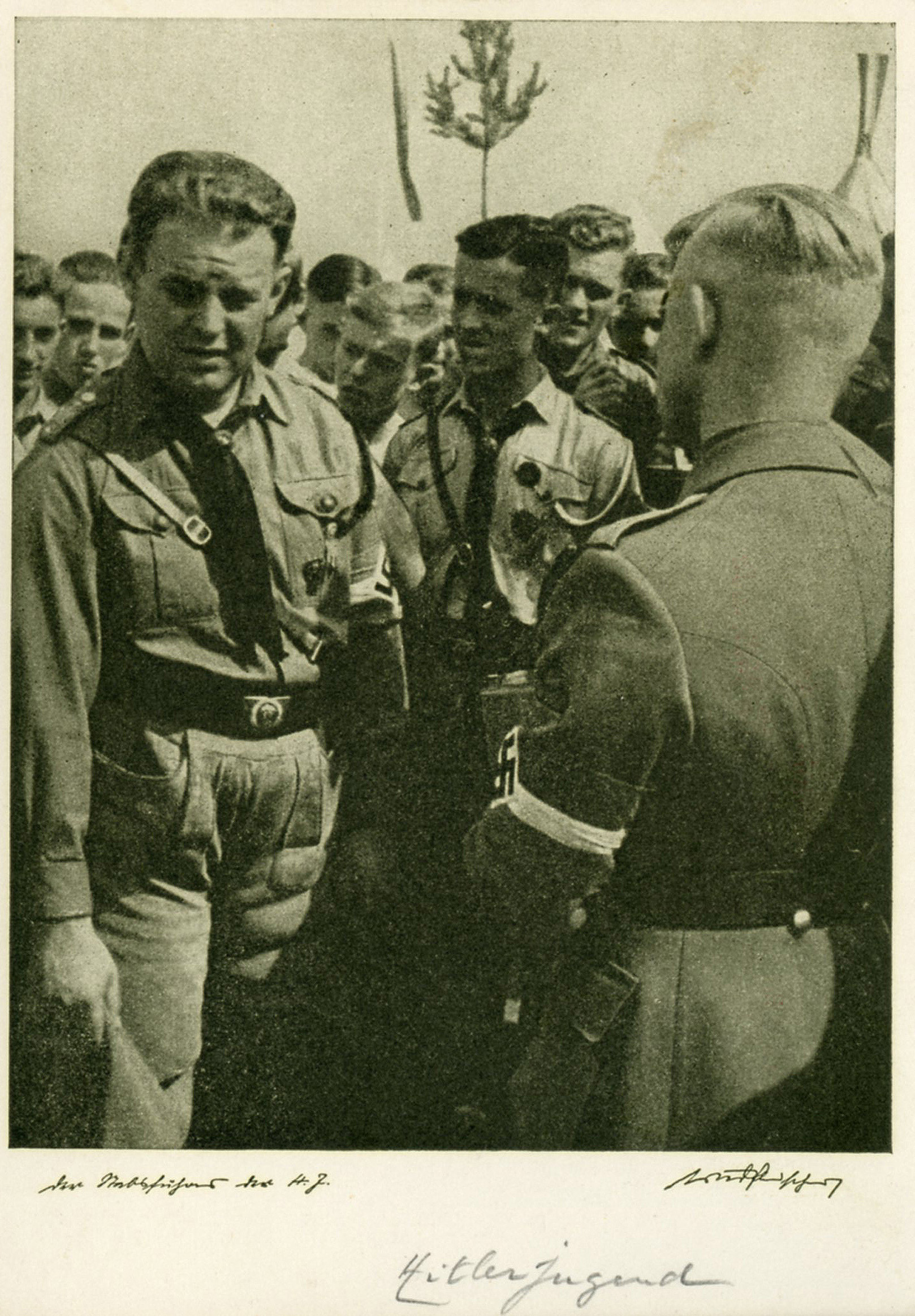
[Below: Reverse.]
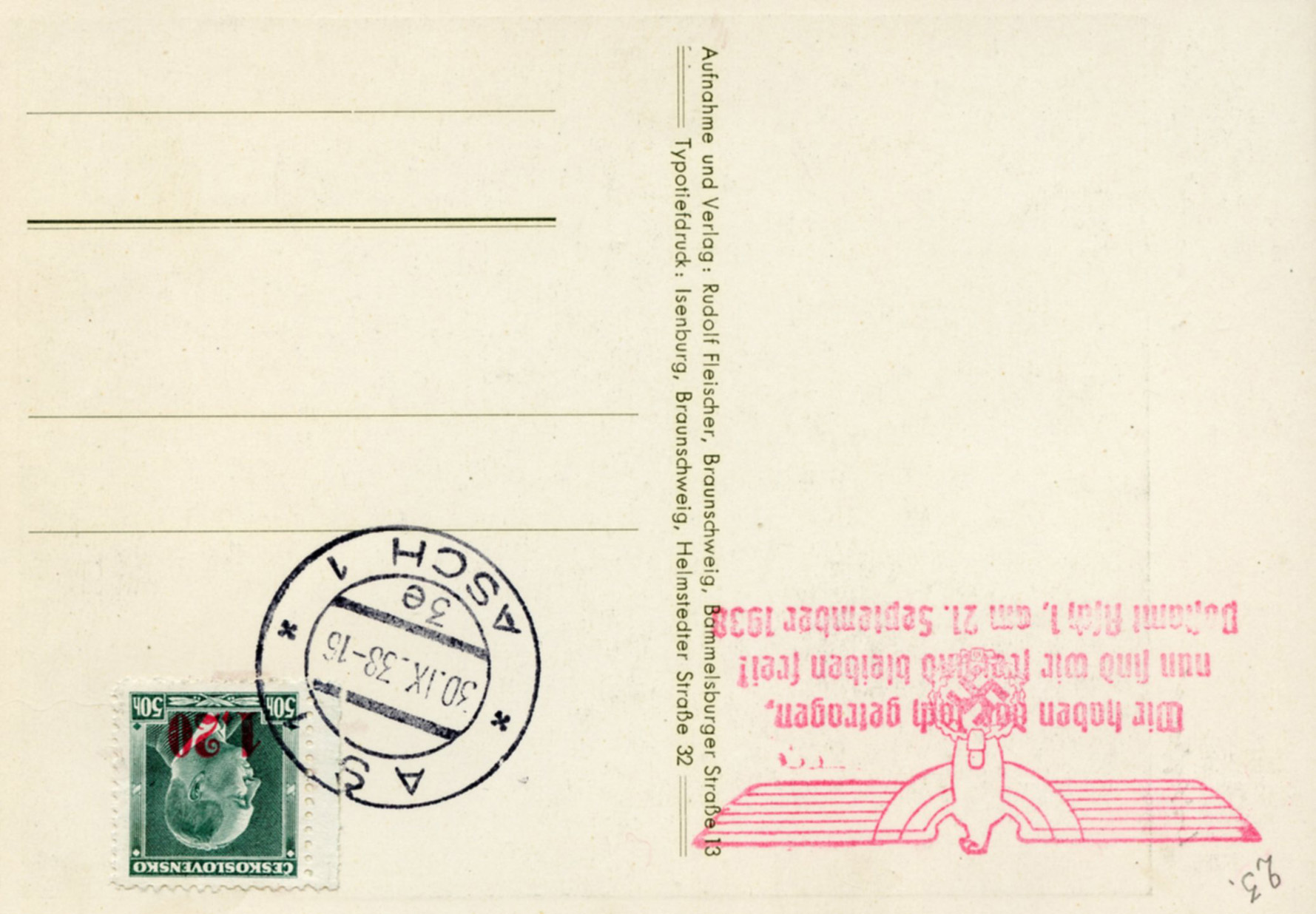
[Below: Sudetenland.]
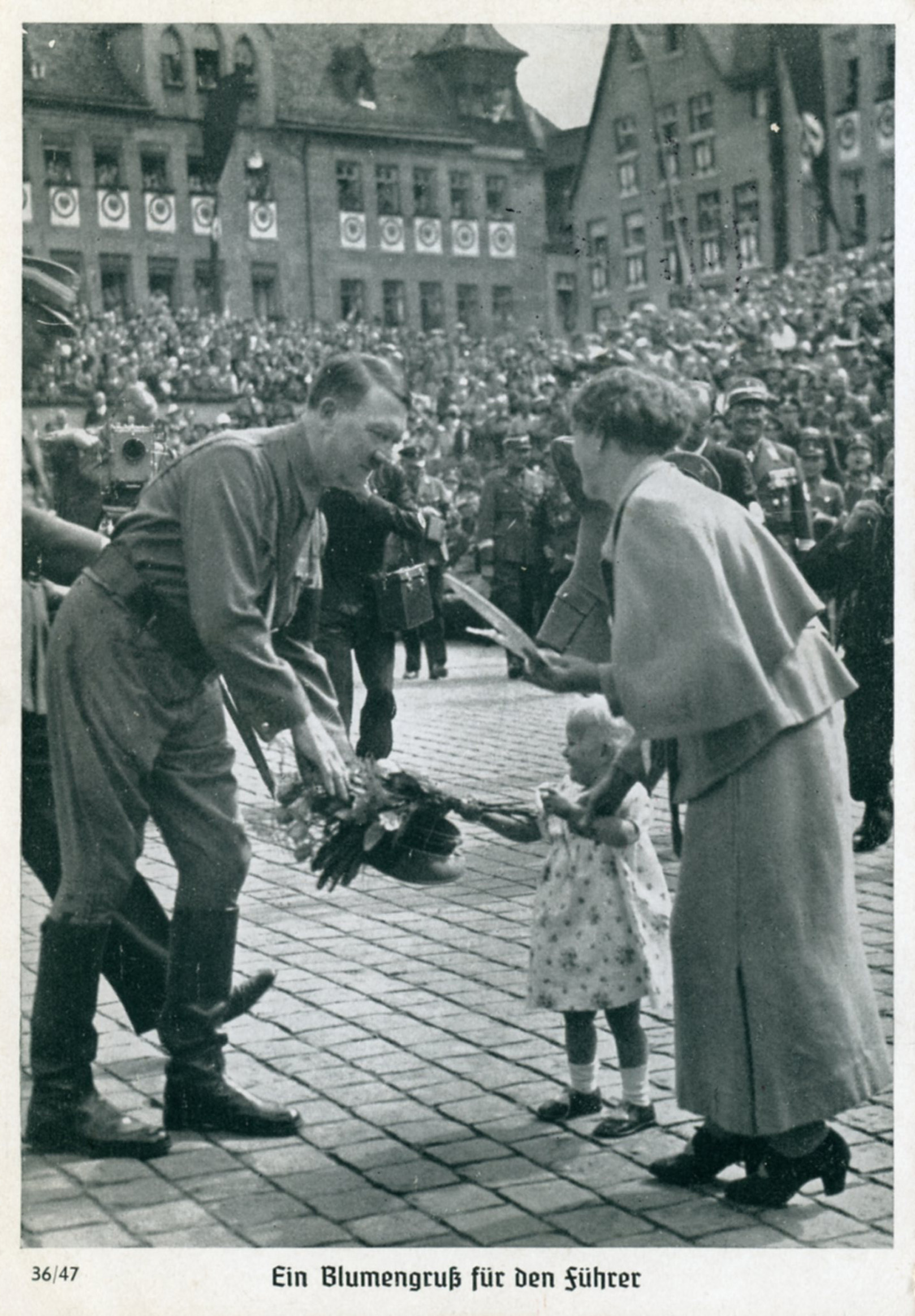
[Below: Reverse.]
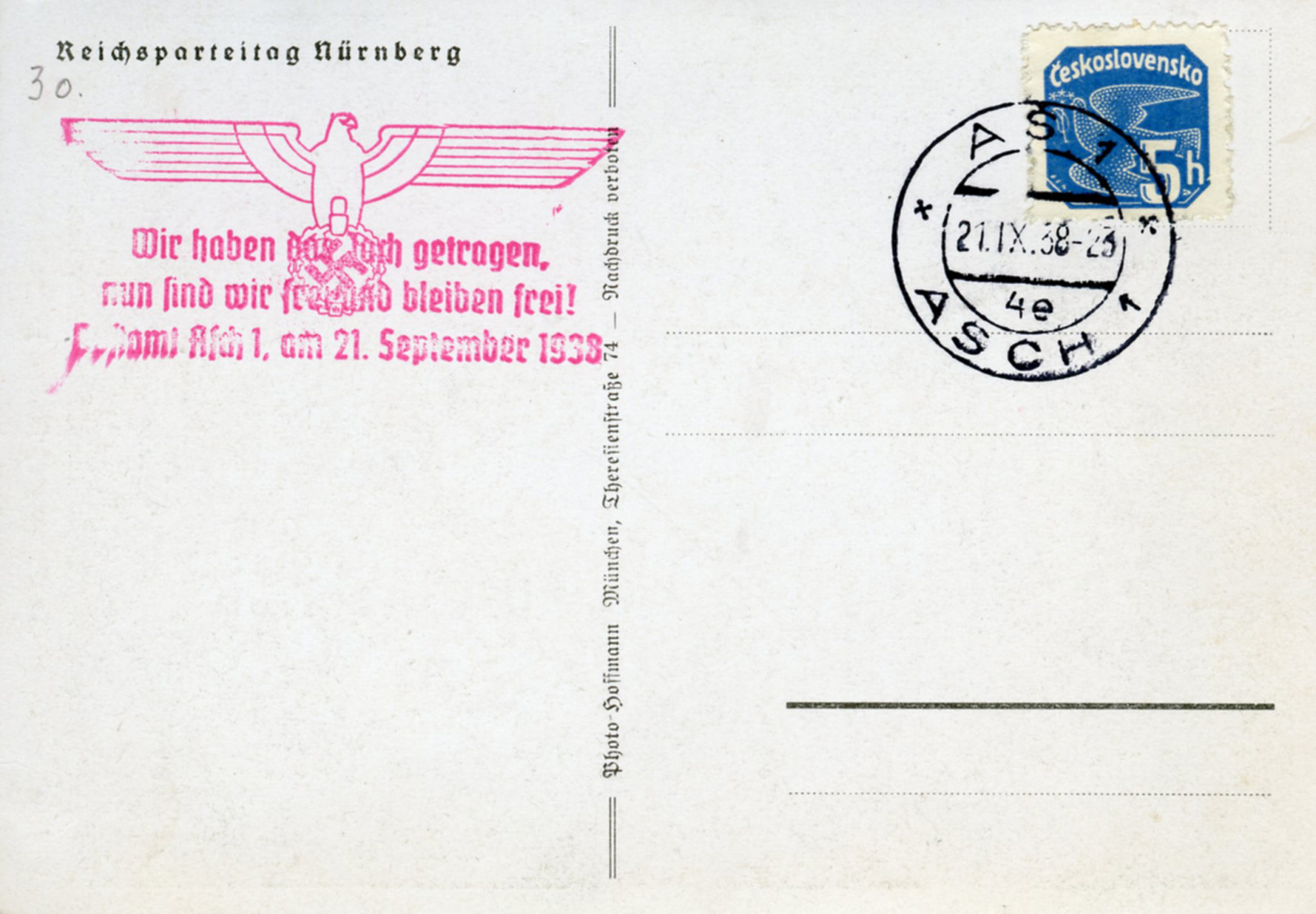
[Below: Sudetenland.]
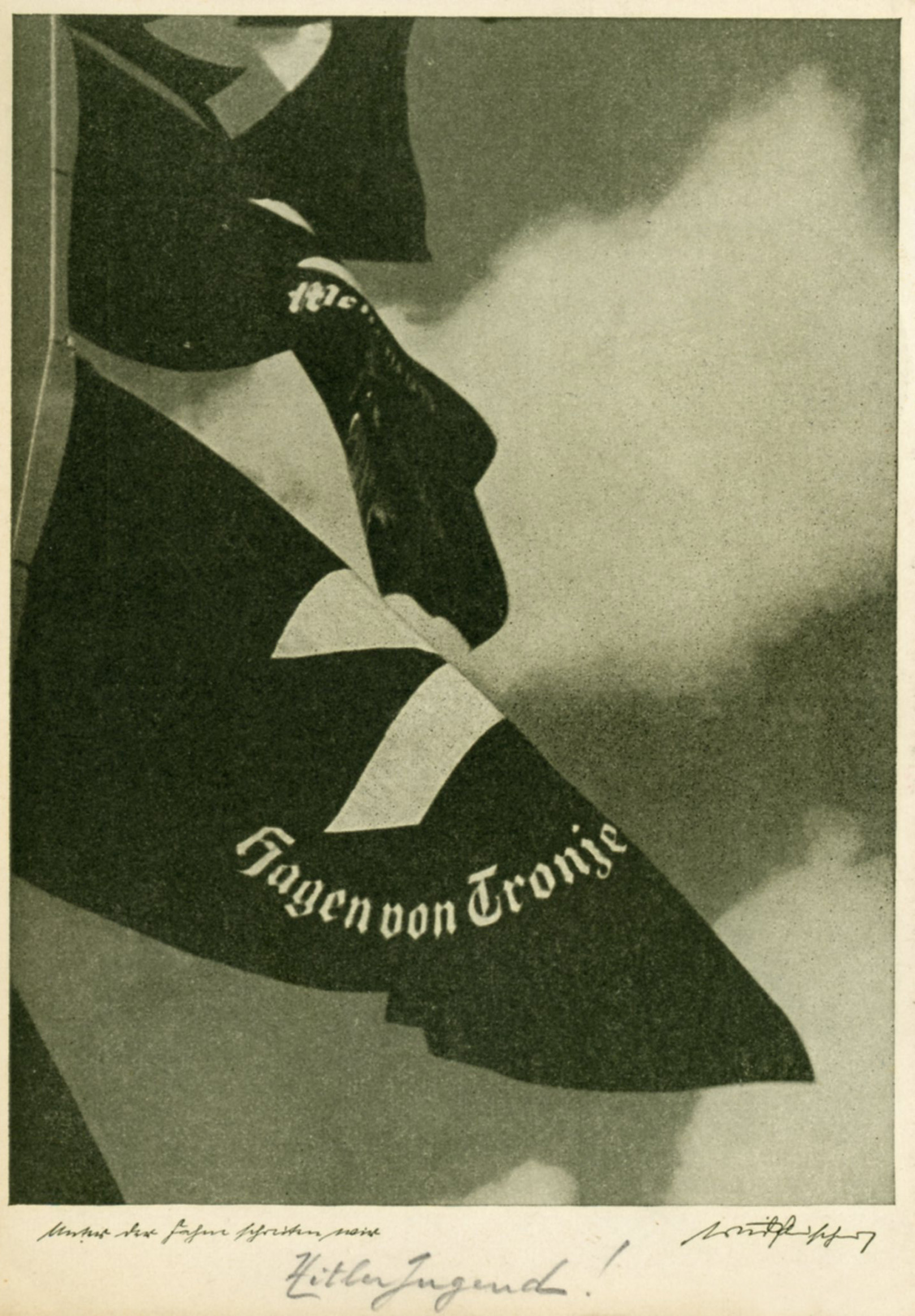
[Below: Reverse.]
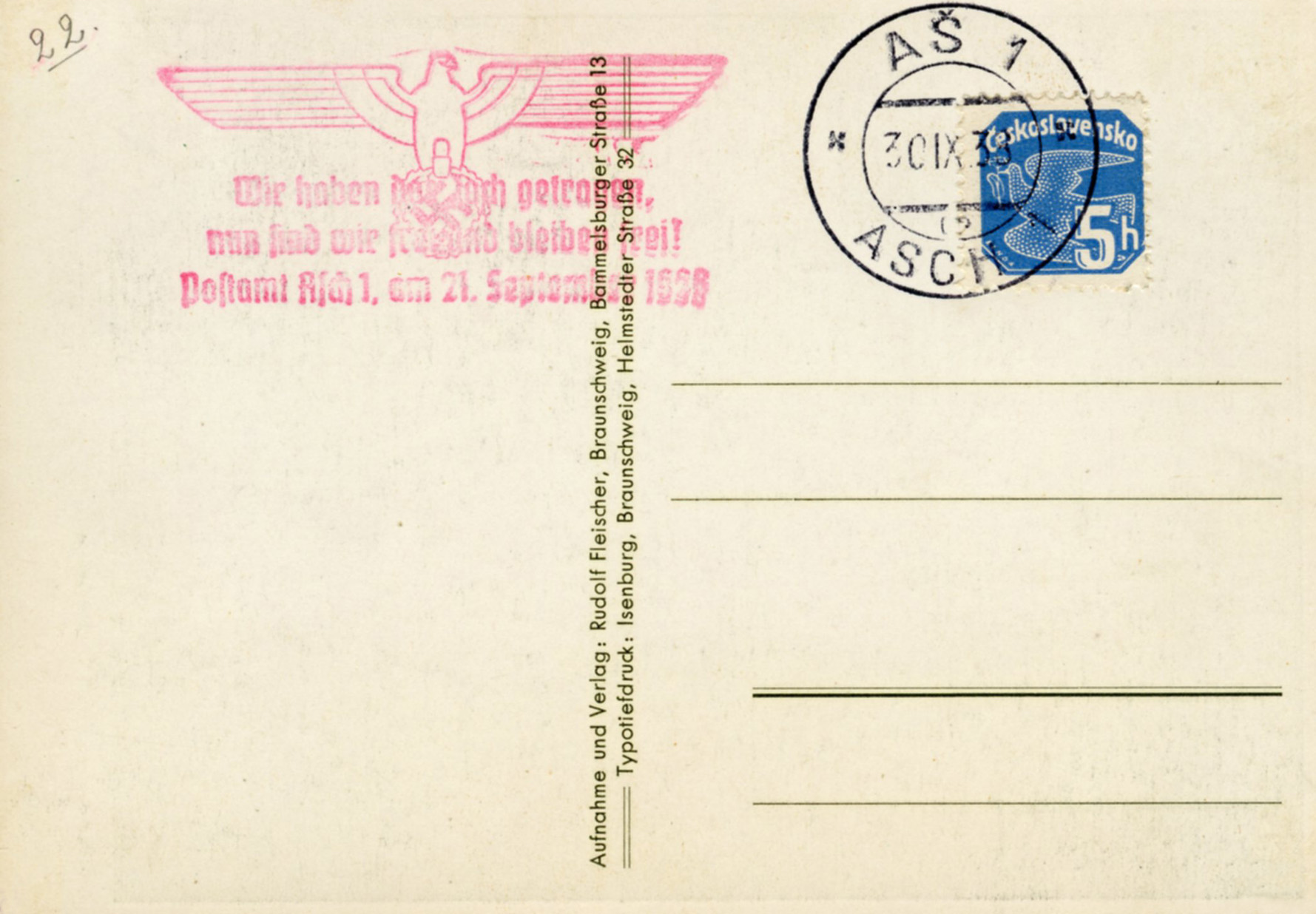
[Below: Sudetenland.]
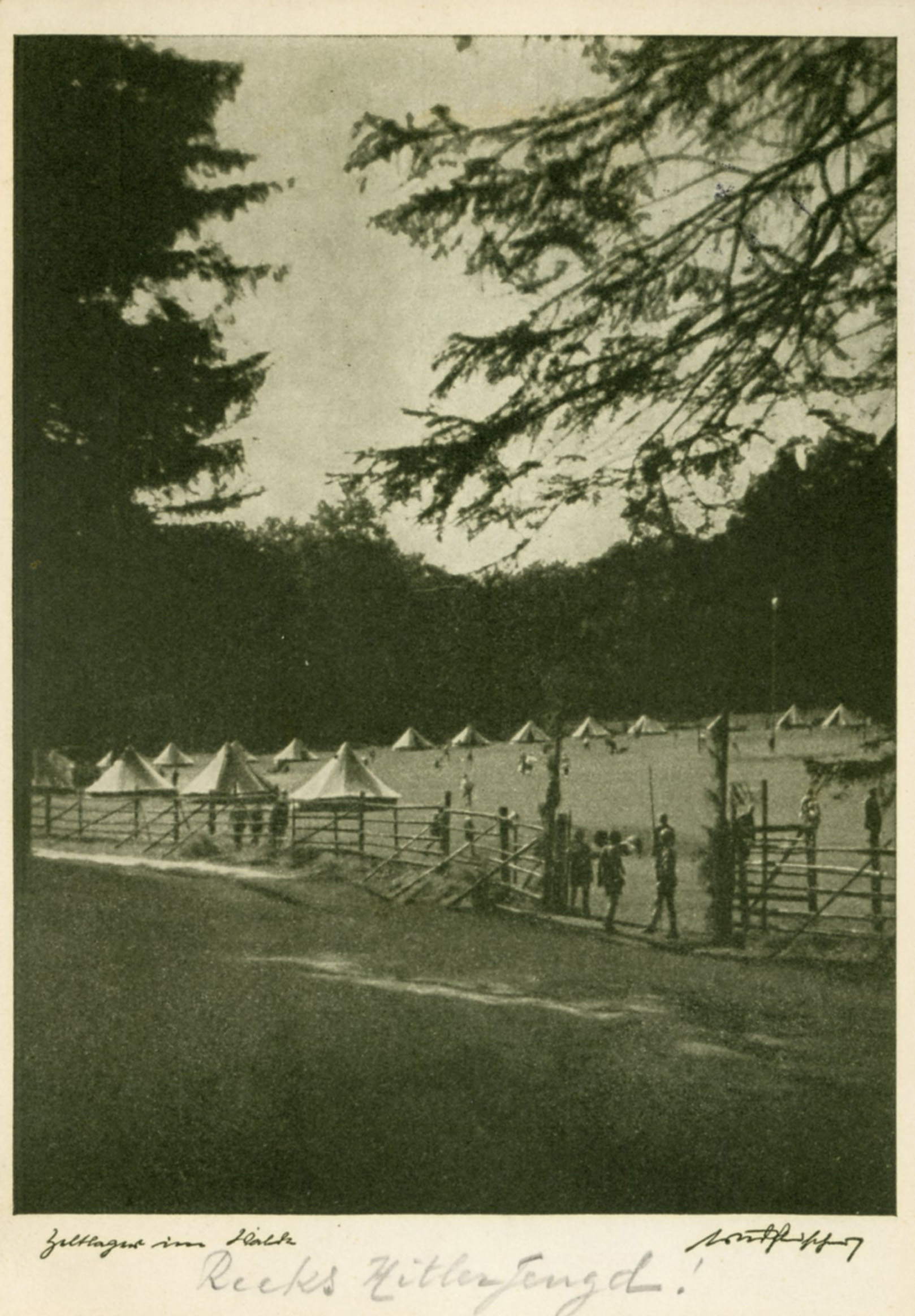
[Below: Reverse.]
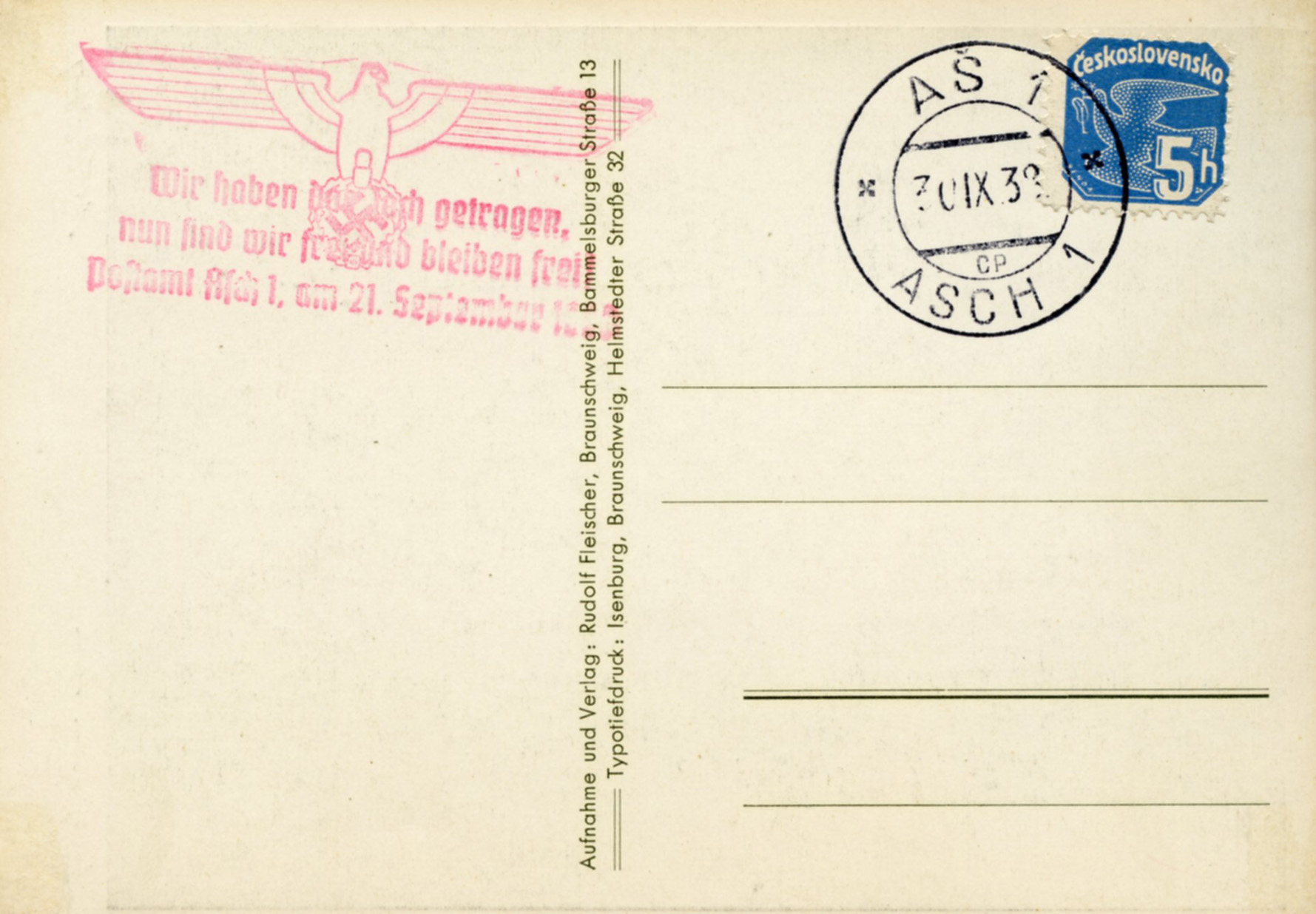
[Below: Sudetenland.]
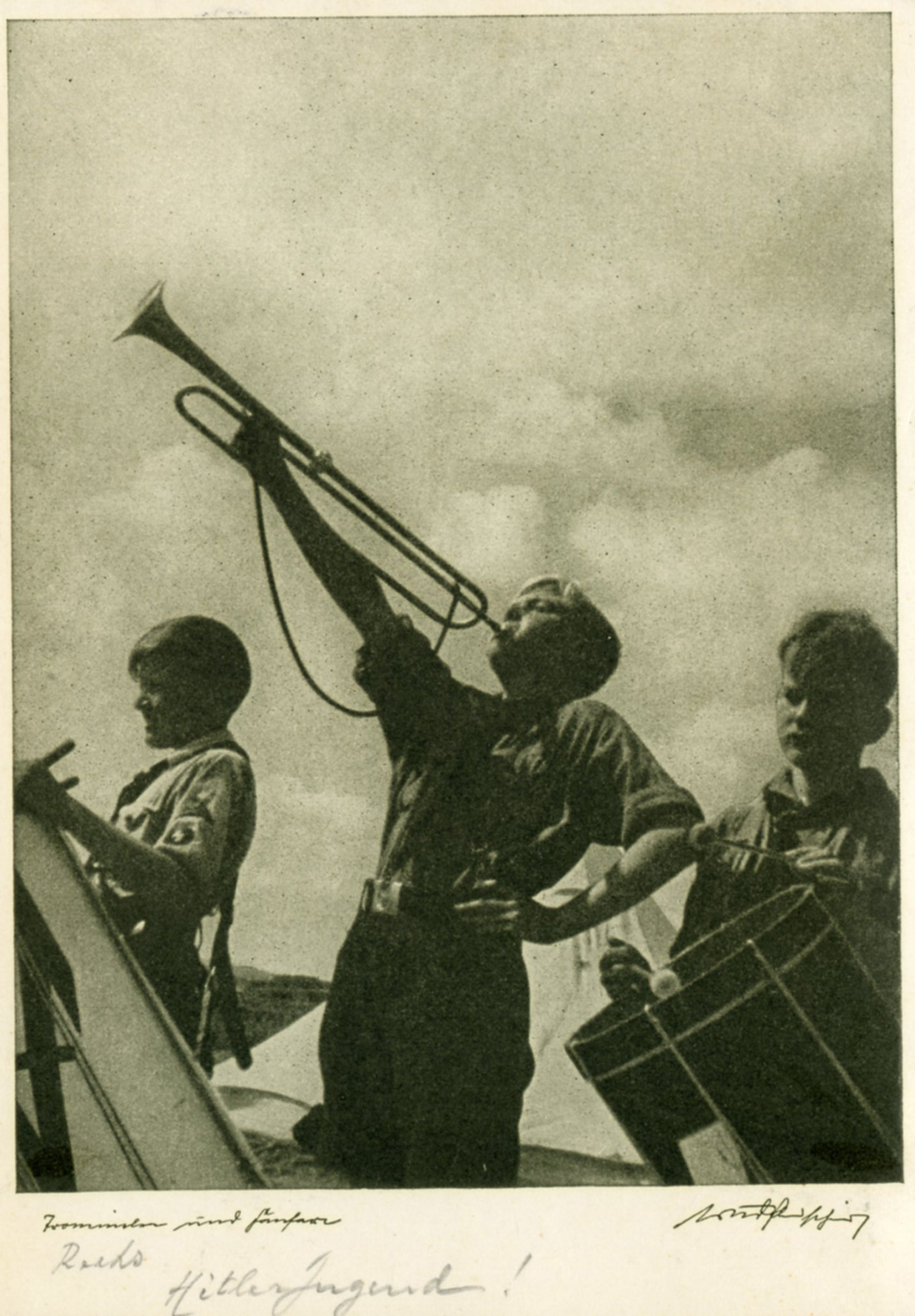
[Below: Reverse.]
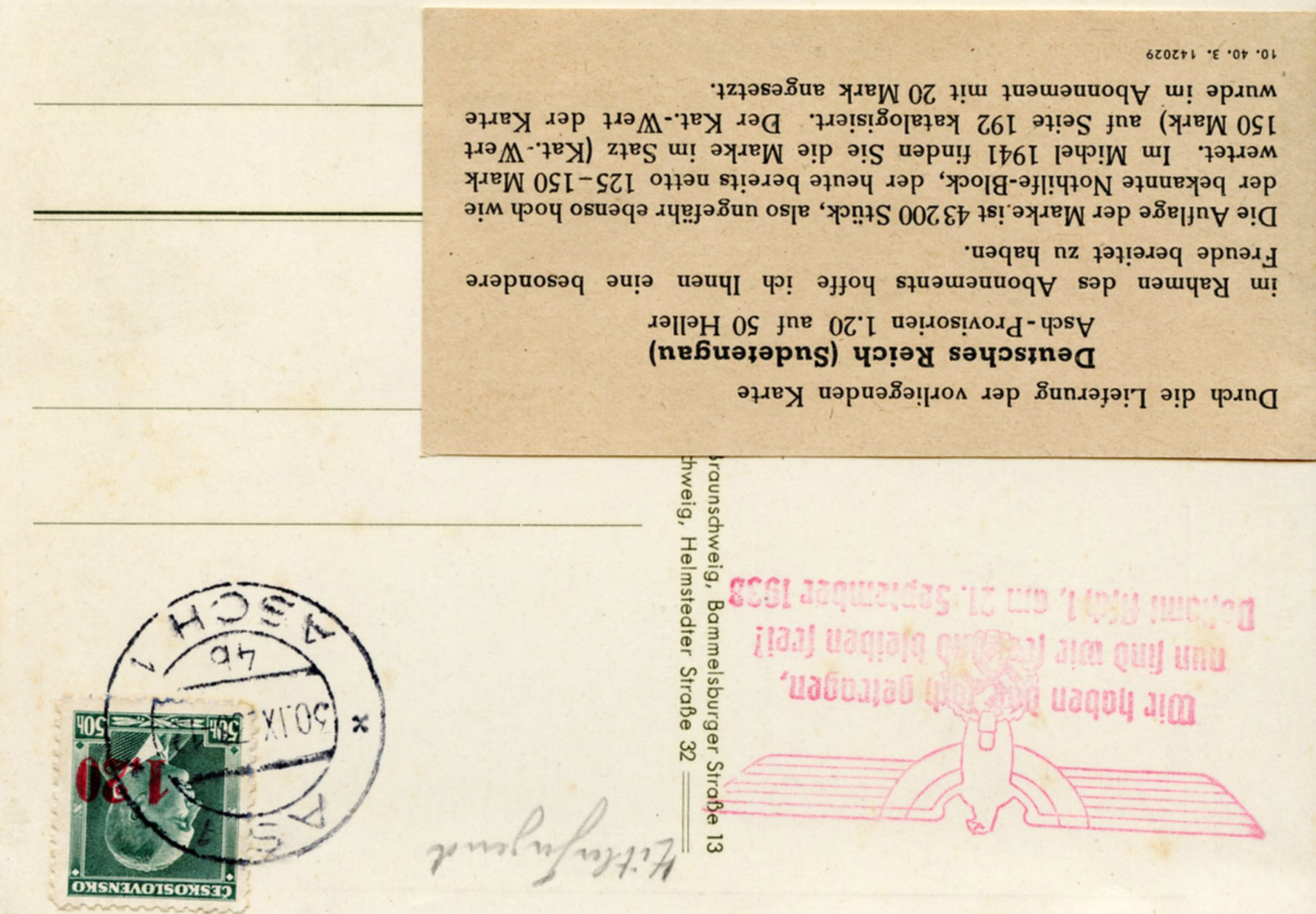
[Below: Close-up.]
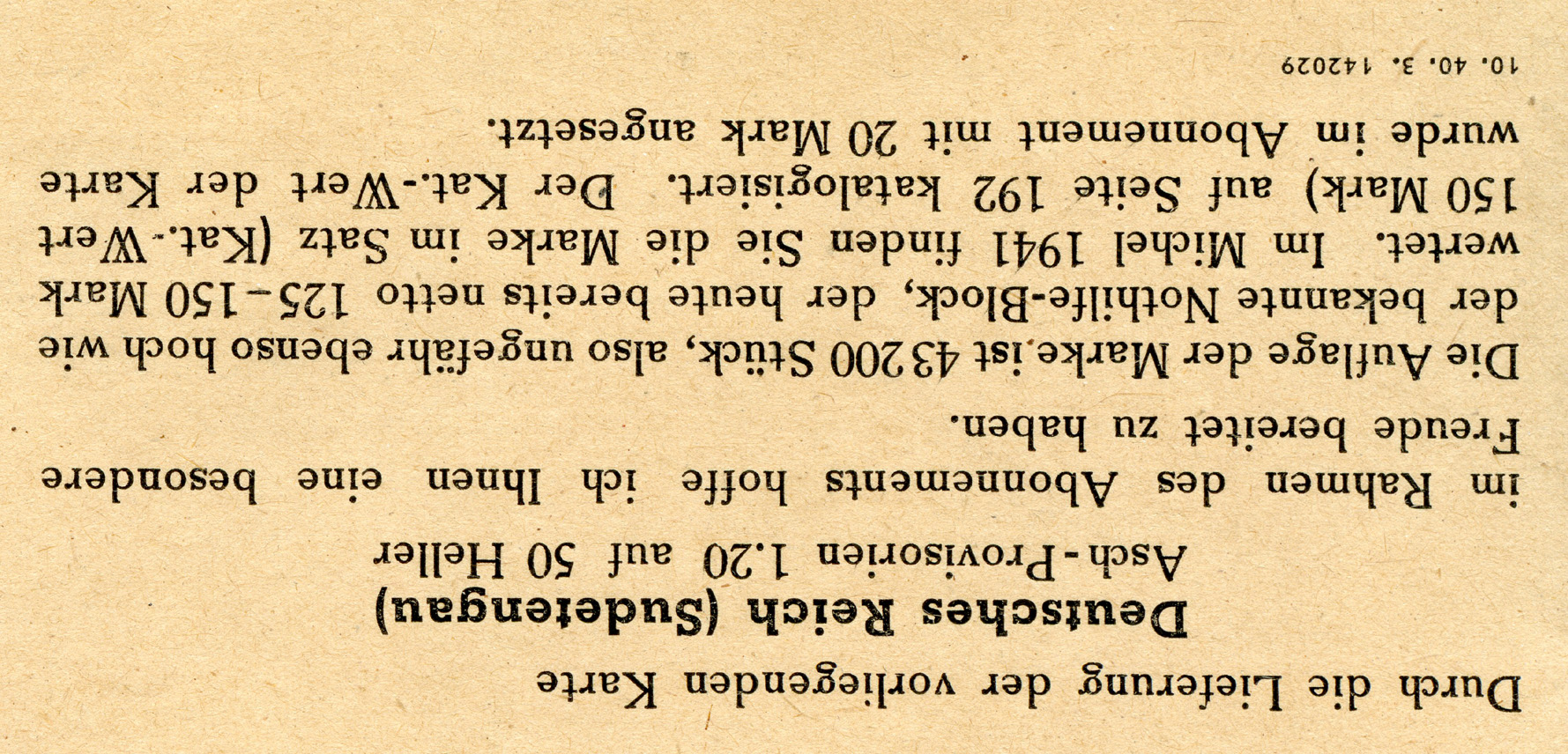
[Below: Sudetenland.]
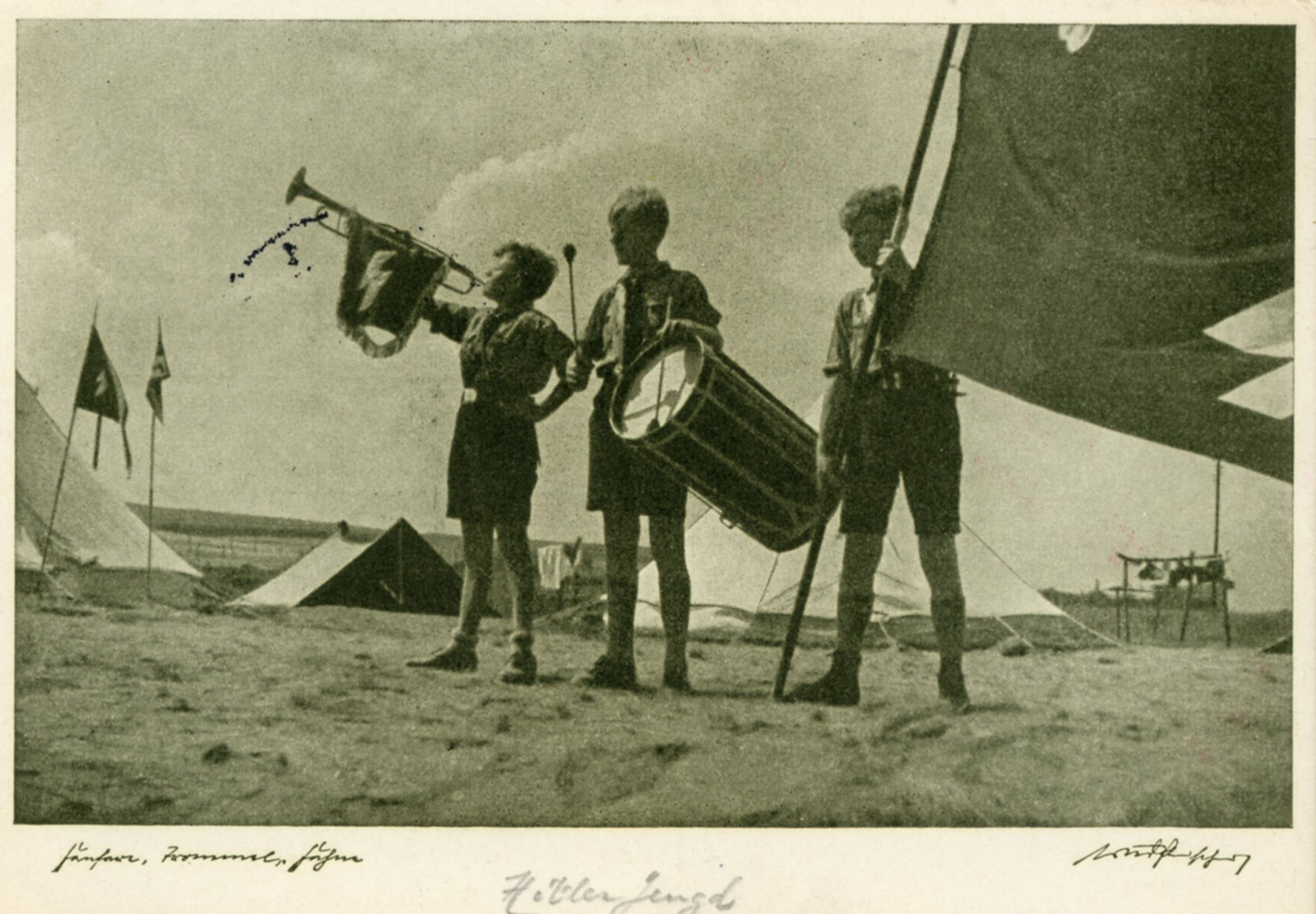
[Below: Reverse.]
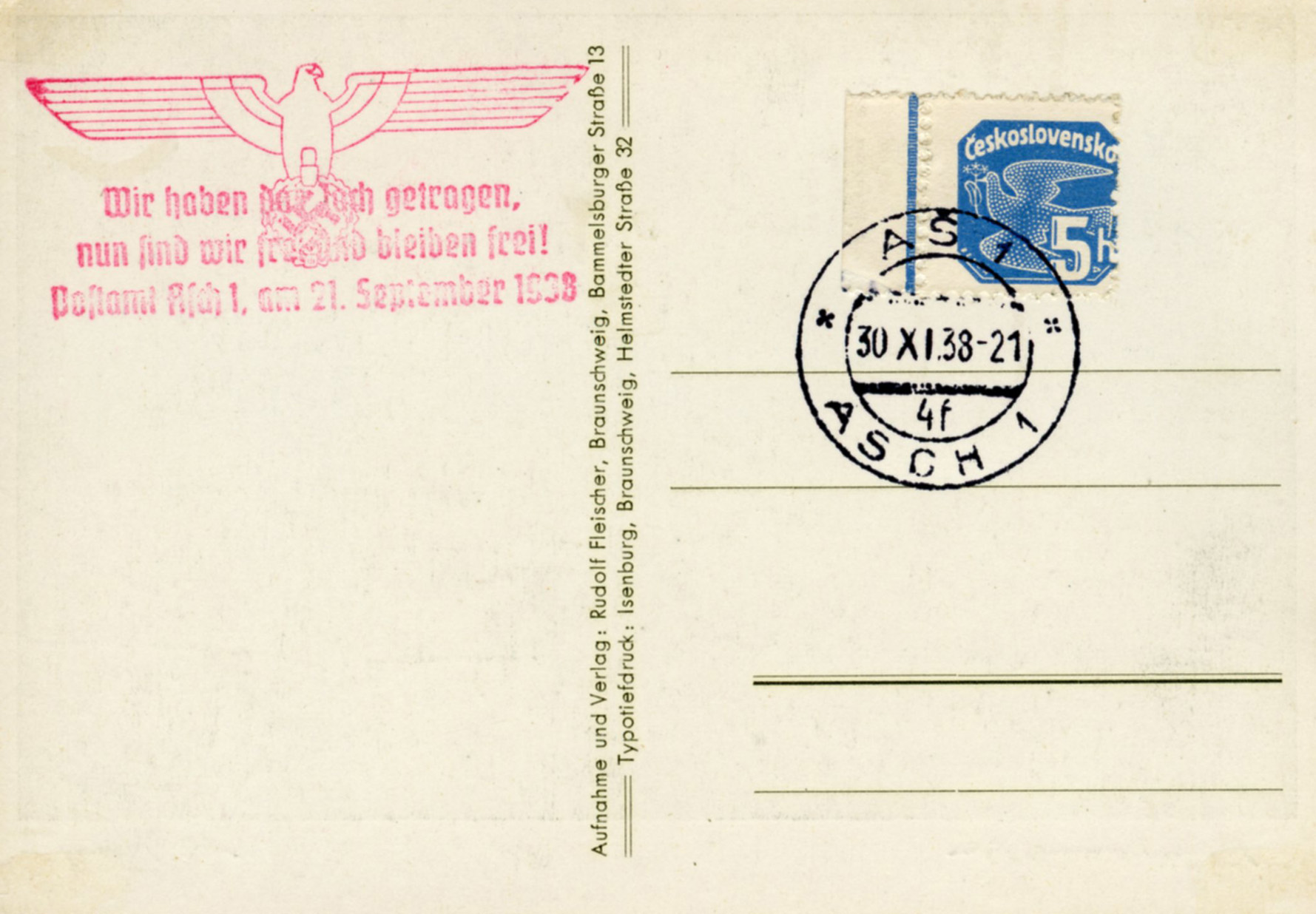
[Below: Sudetenland.]
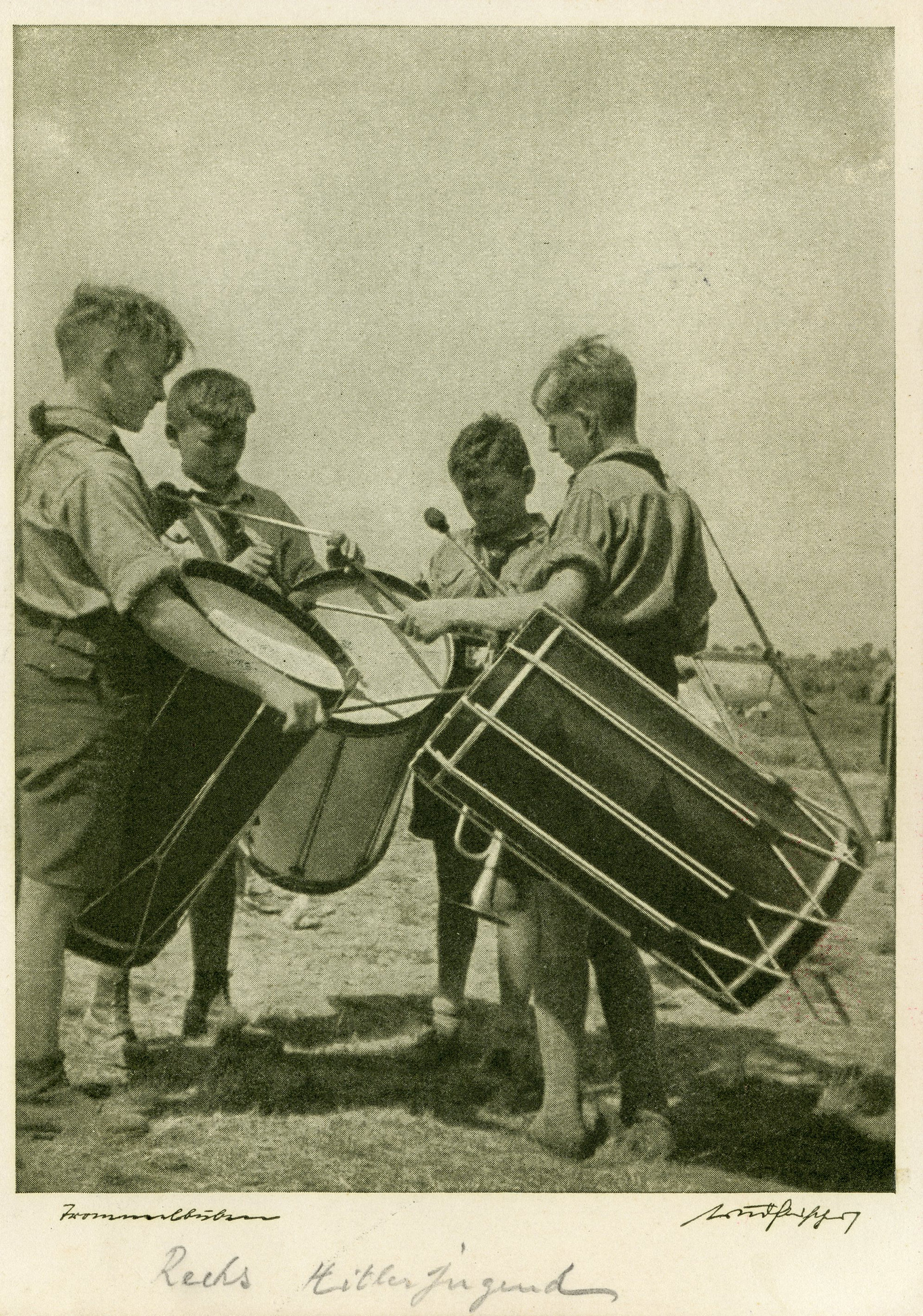
[Below: Reverse.]
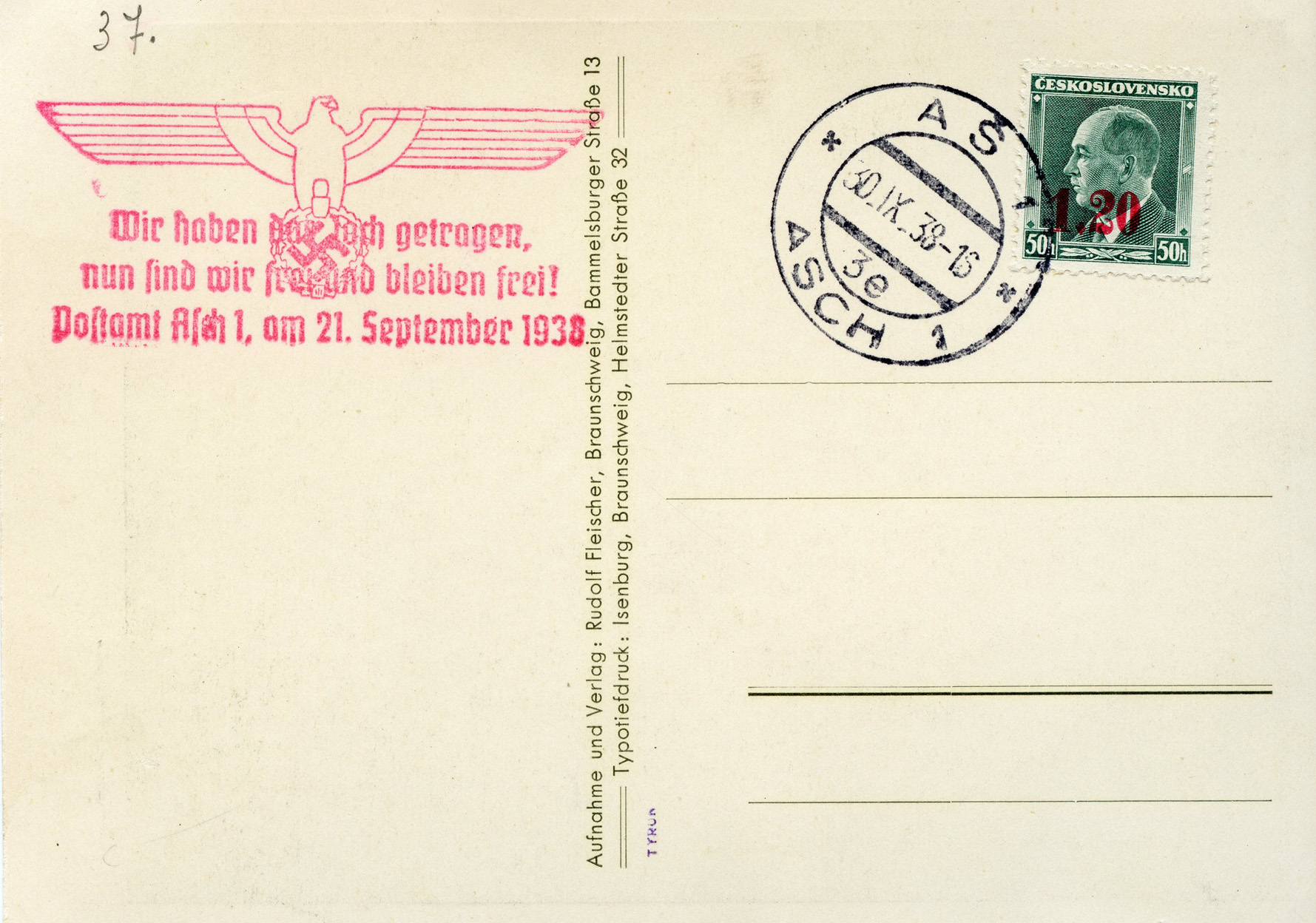
[Below: Close-up.]
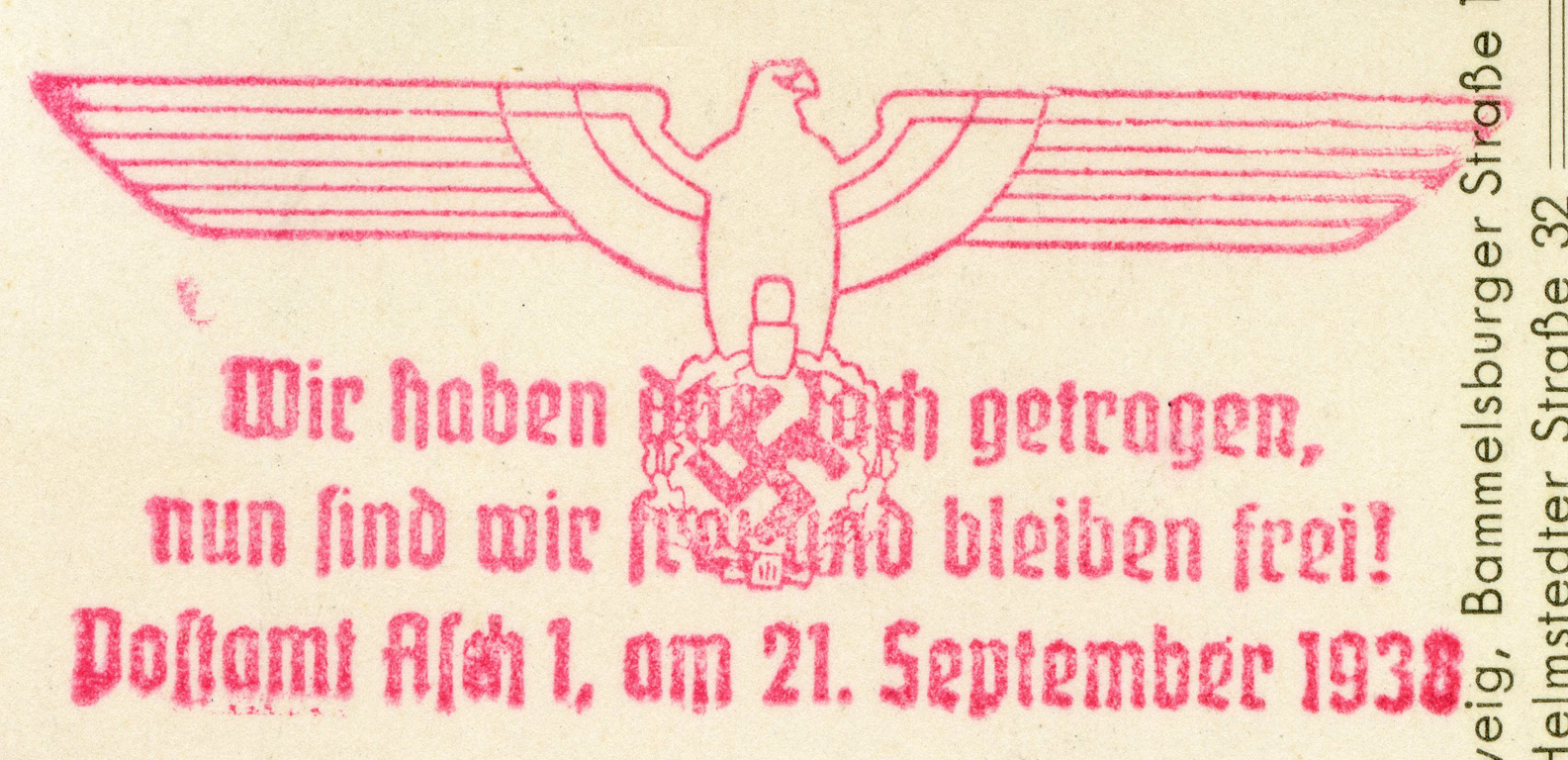
[Below: Sudetenland.]
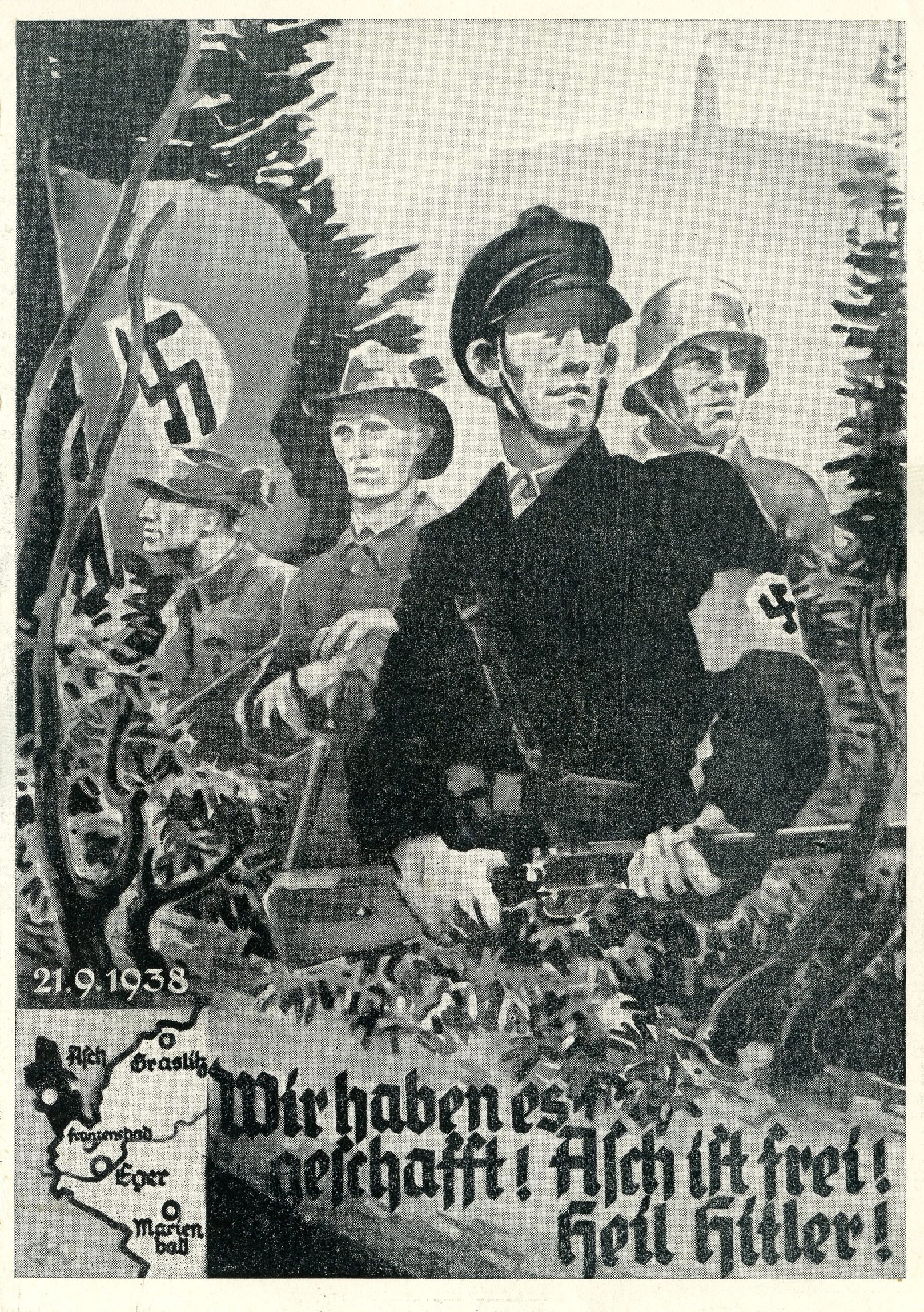
[Below: Reverse.]
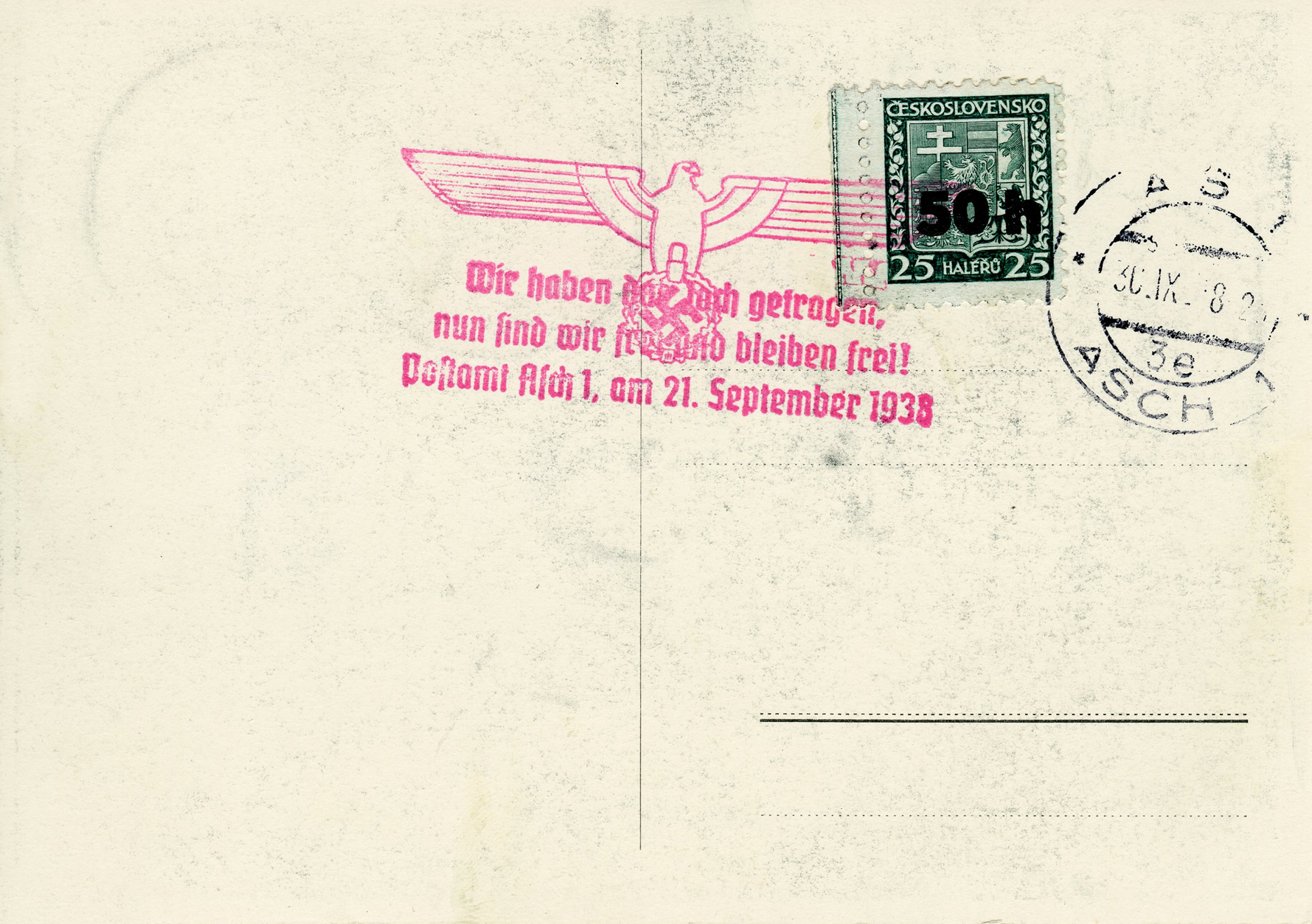
[Below: Sudetenland.]
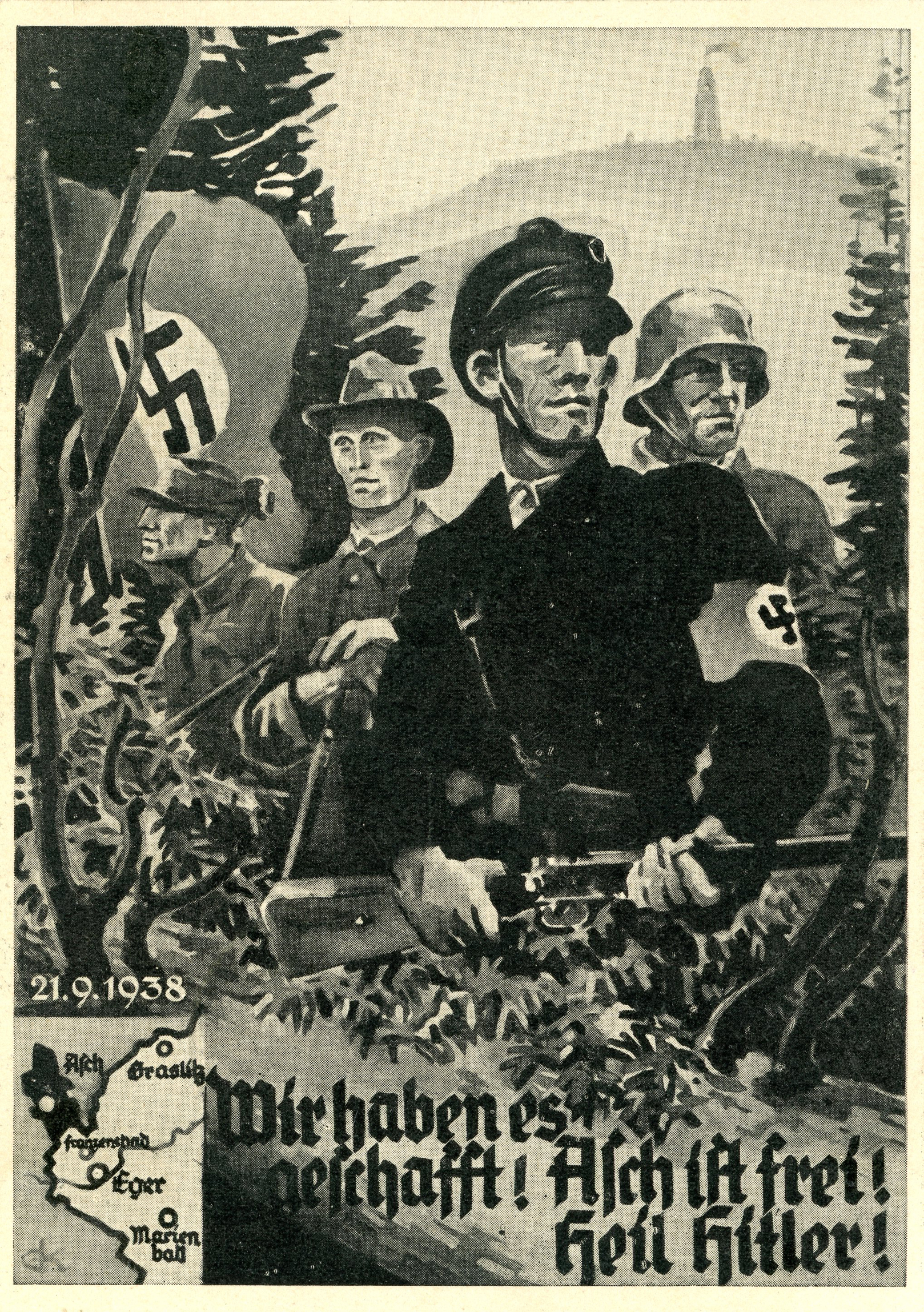
[Below: Reverse.]
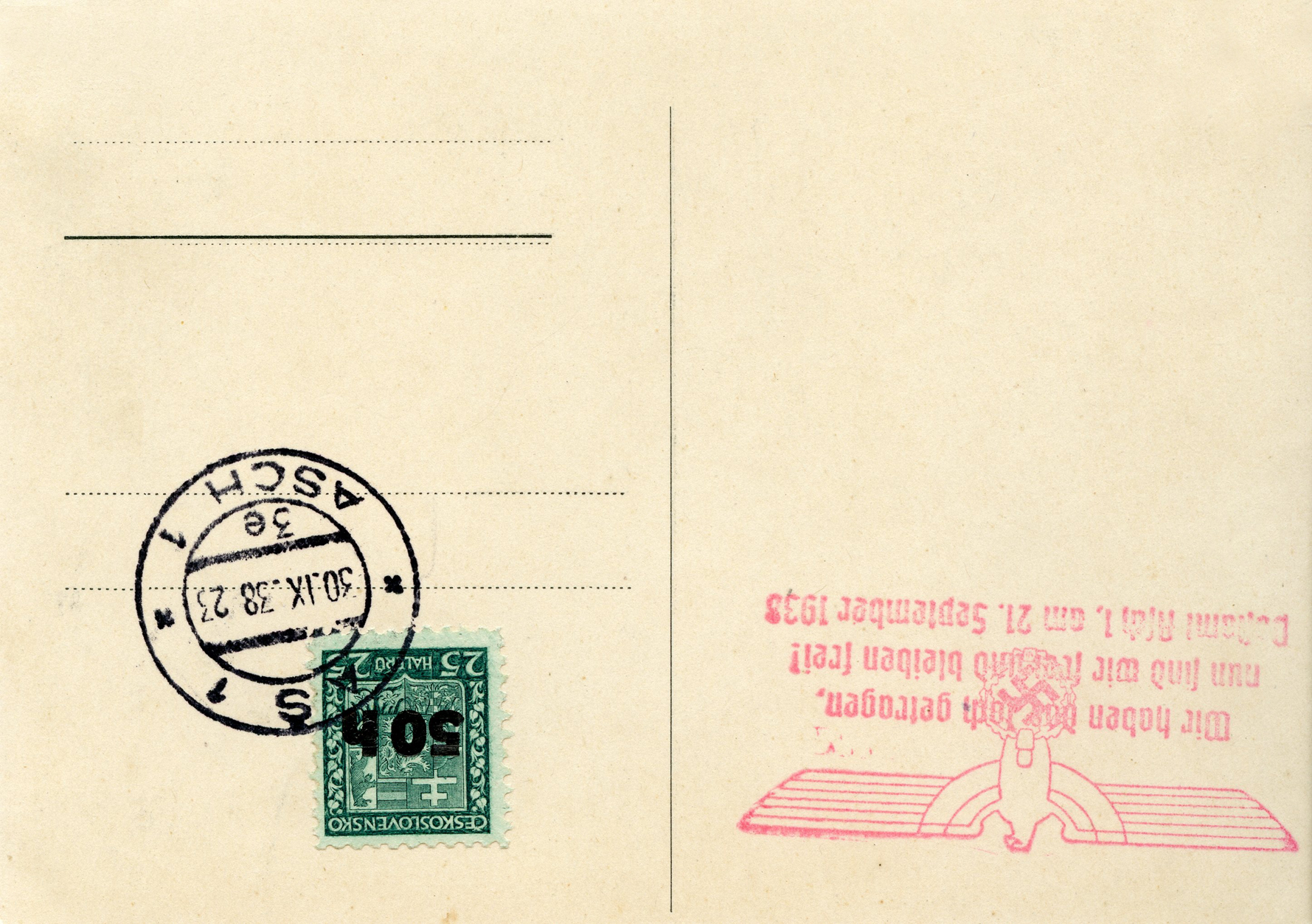
[Below: Sudetenland.]
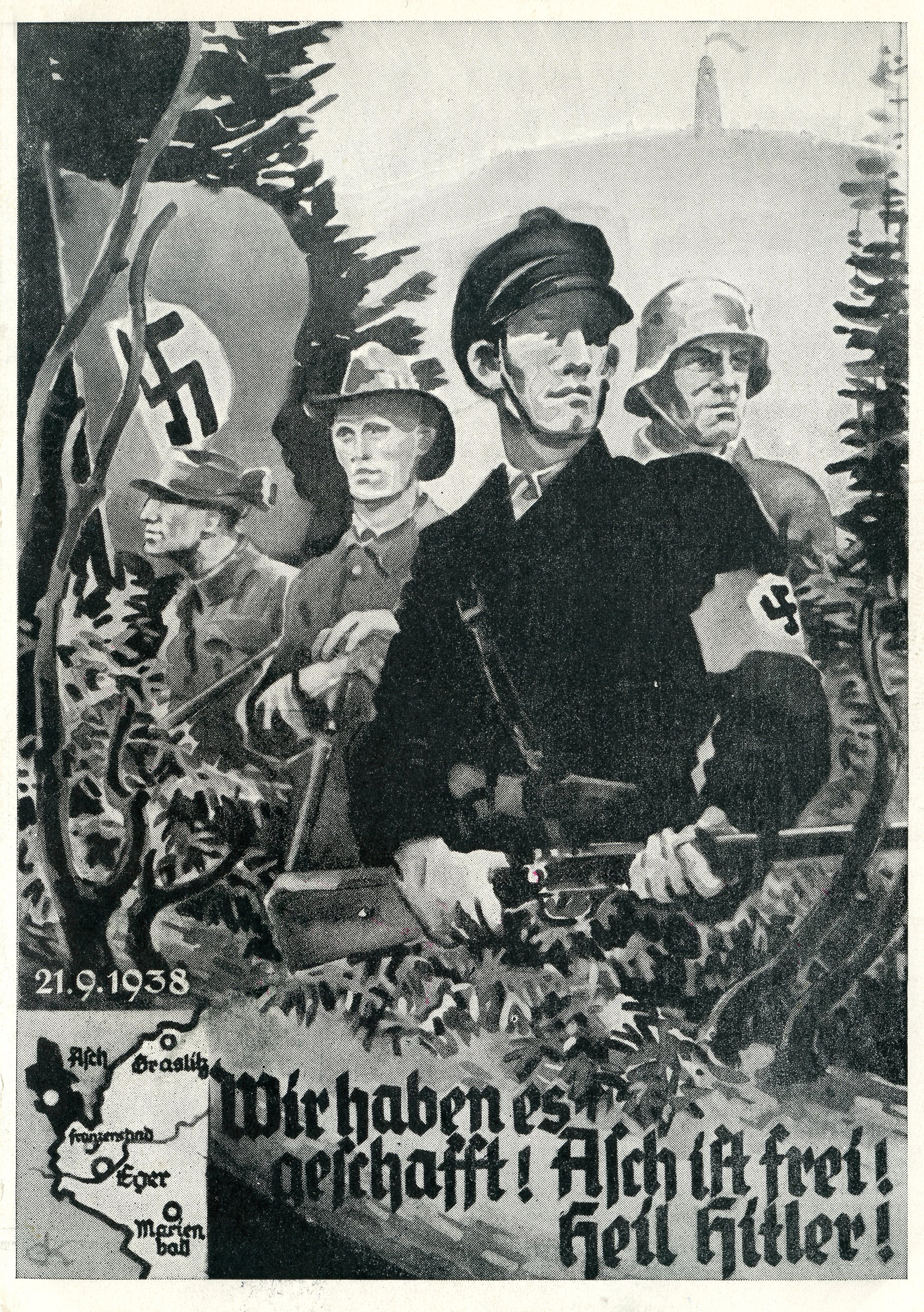
[Below: Reverse.]
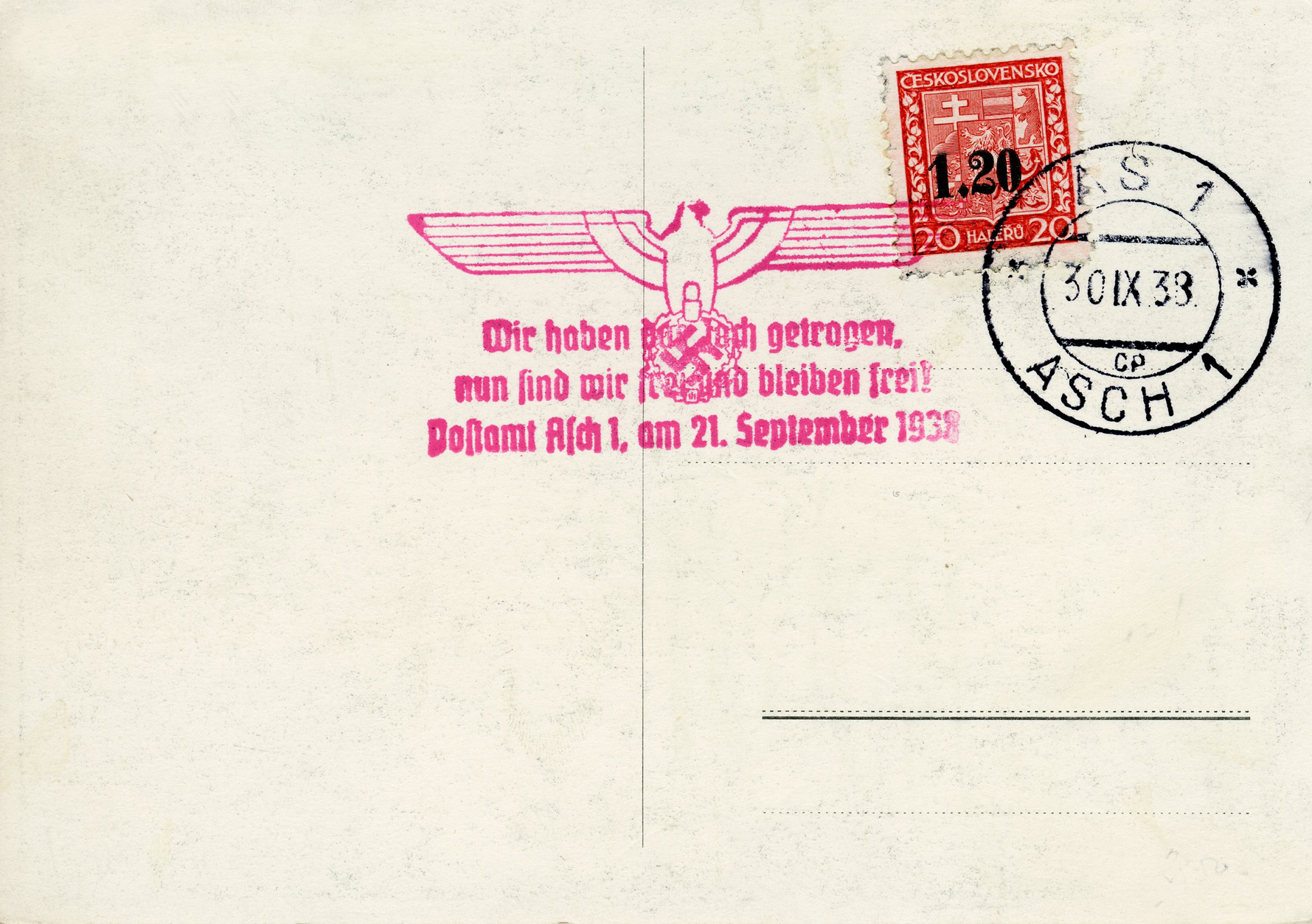
[Below: Sudetenland.]
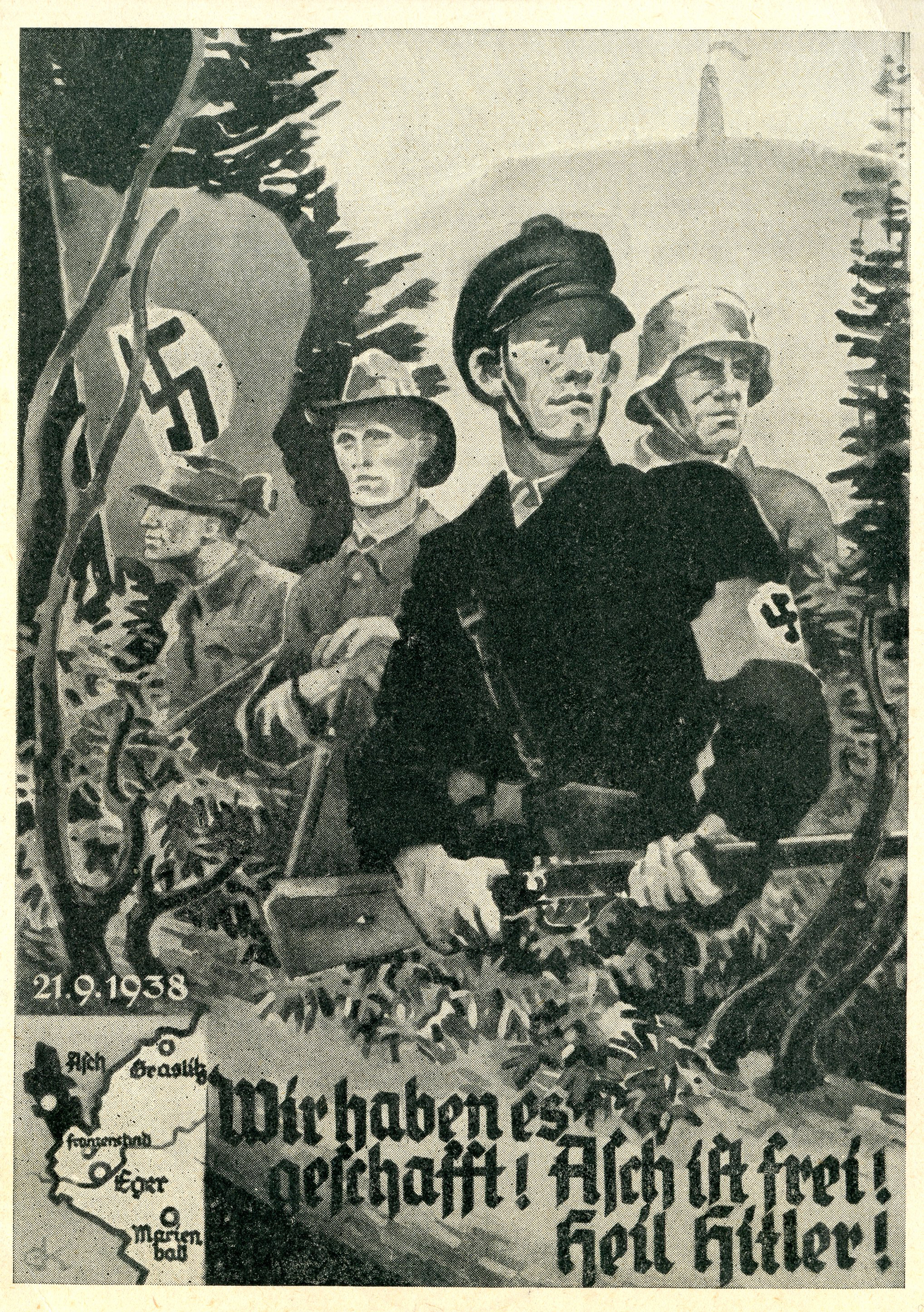
[Below: Reverse.]
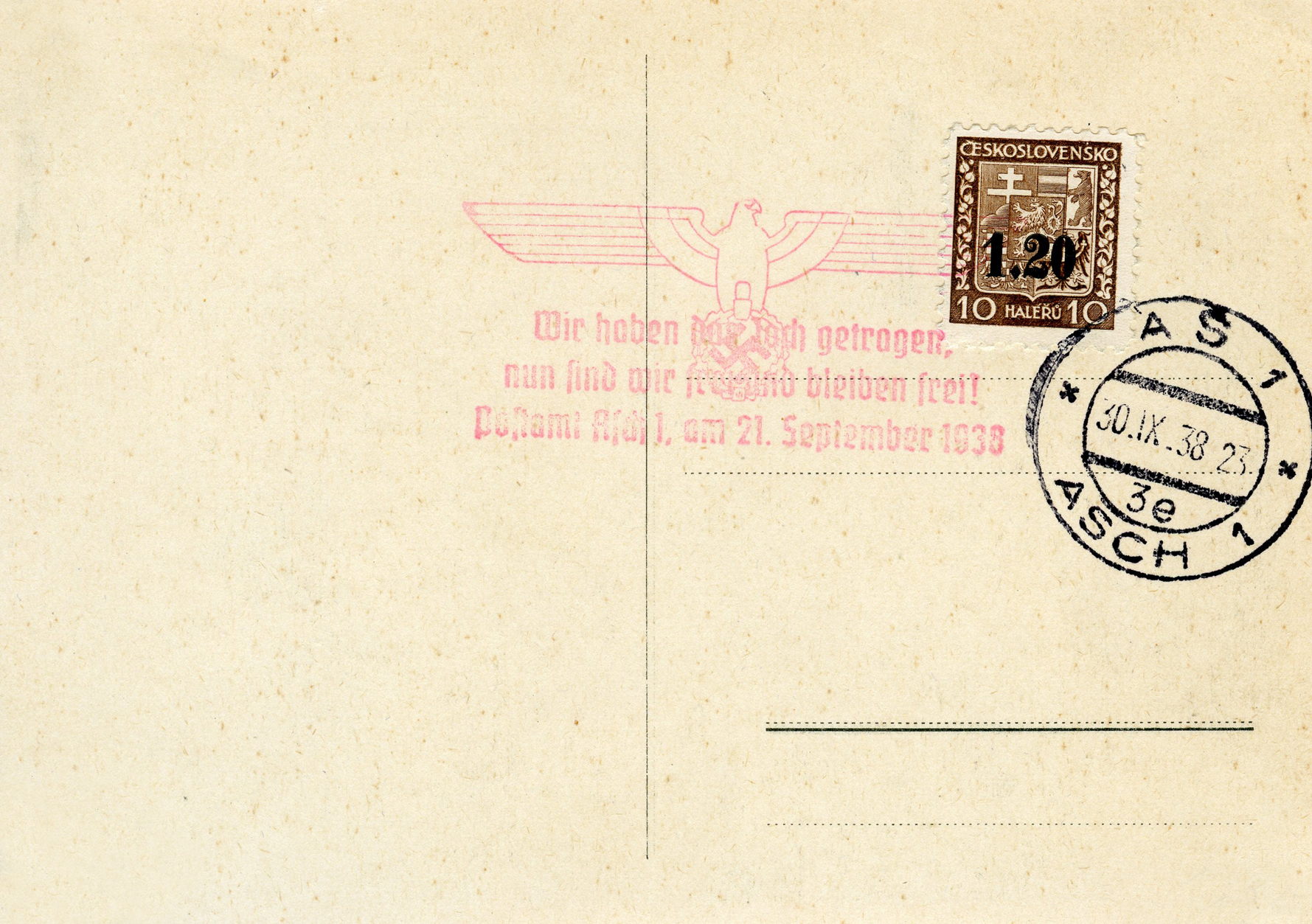
[Below: Sudetenland.]
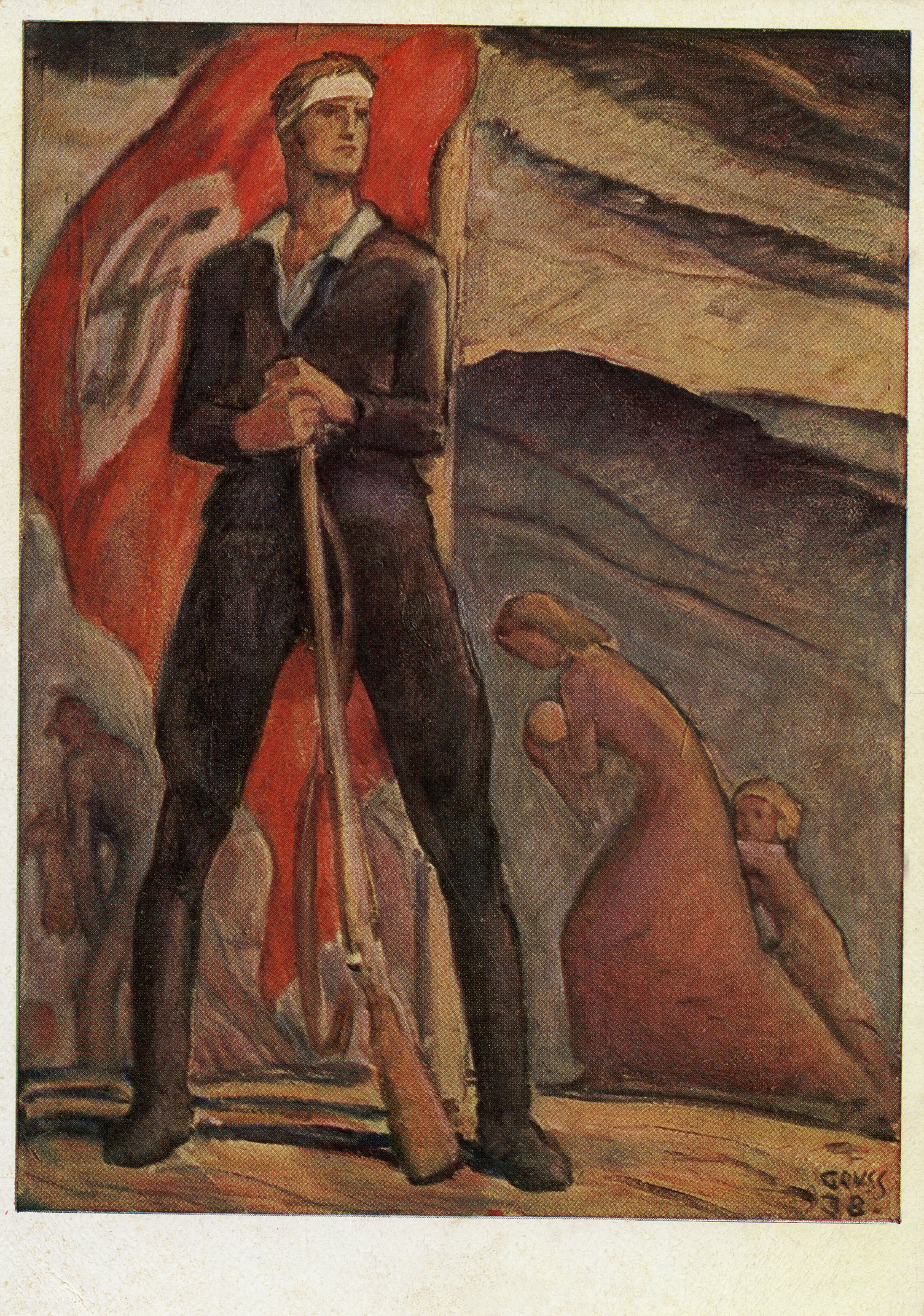
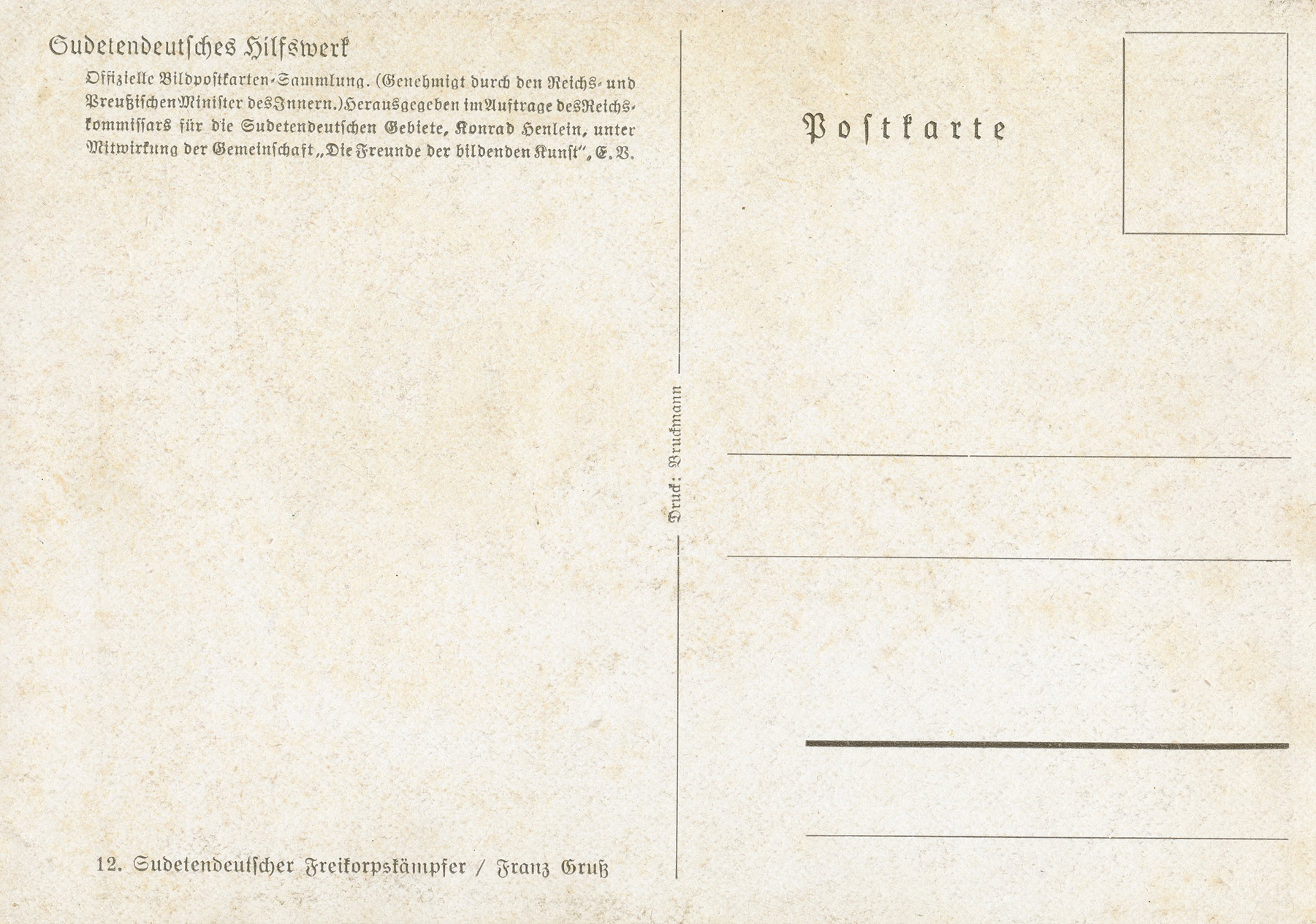
[Below: Reverse. This says: 'Sudeten German Relief Organization
Official Picture Postcard Collection. (Approved by the Reich and Prussian Minister of the Interior.) Published on behalf of the Reich Commissioner
for the Sudeten German Territories, Konrad Henlein, with the cooperation of the association "The Friends of Fine Arts", registered association.
12. Sudeten German Freikorps Fighter / Franz Gruß'.]
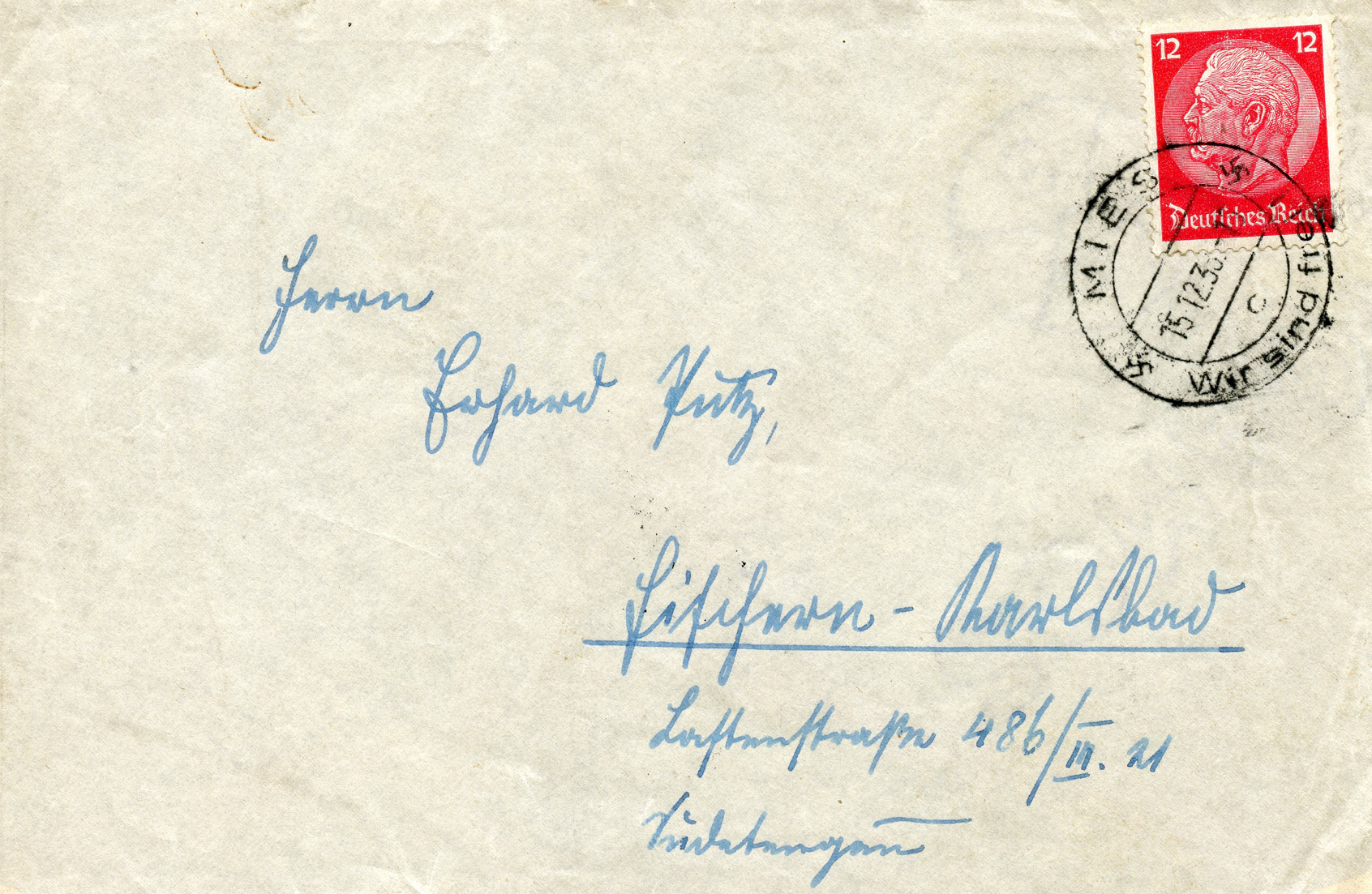
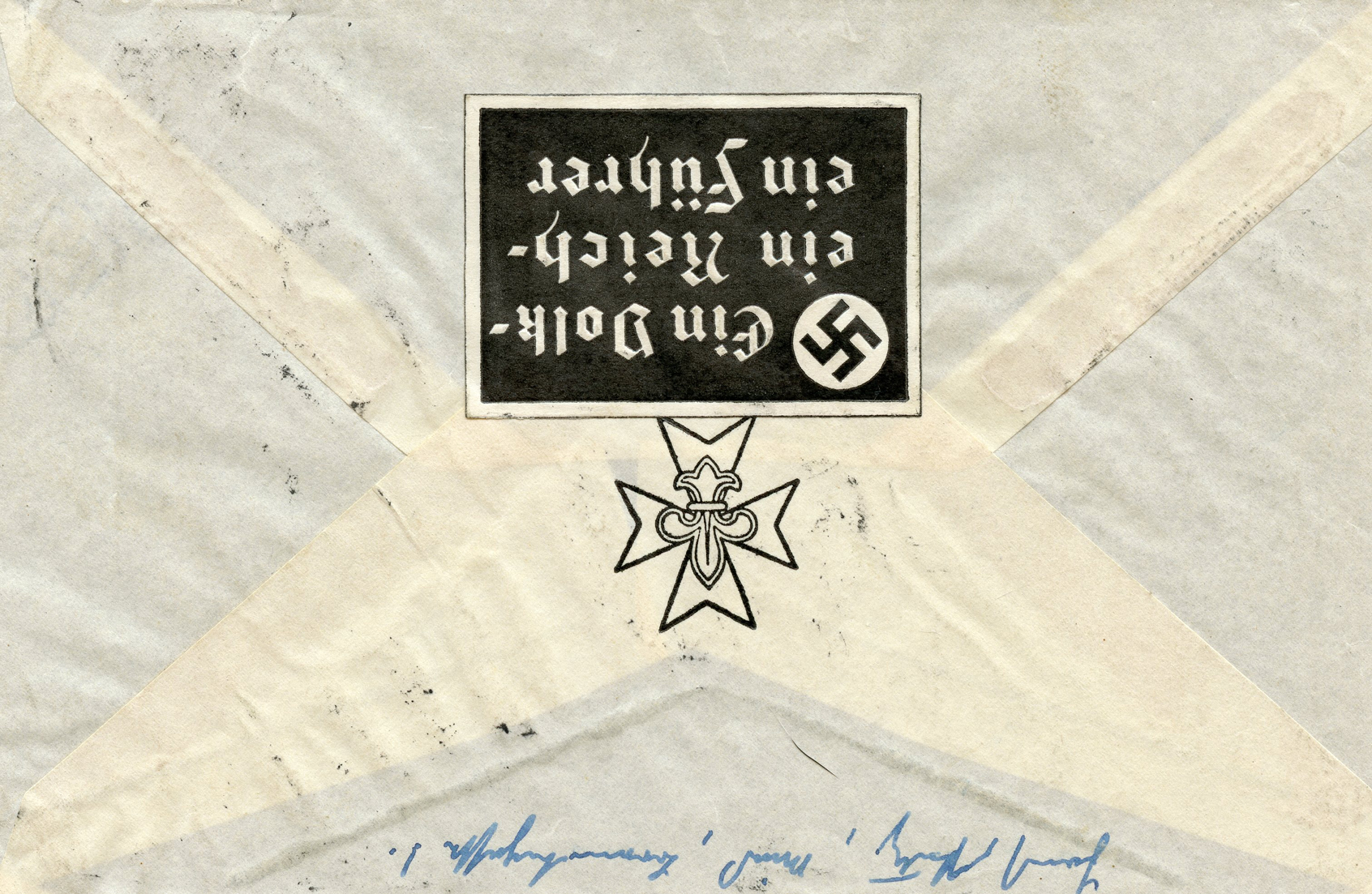
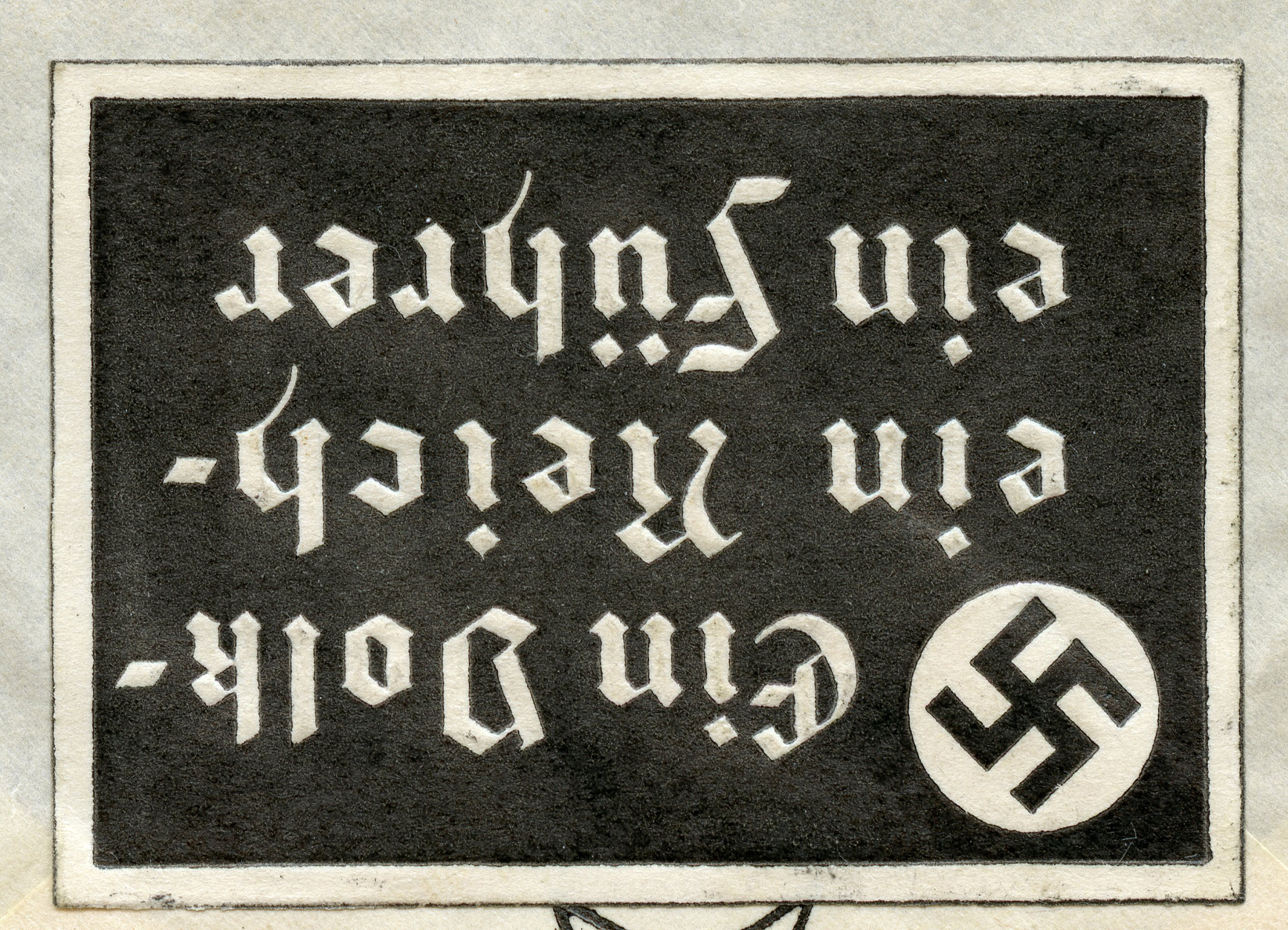
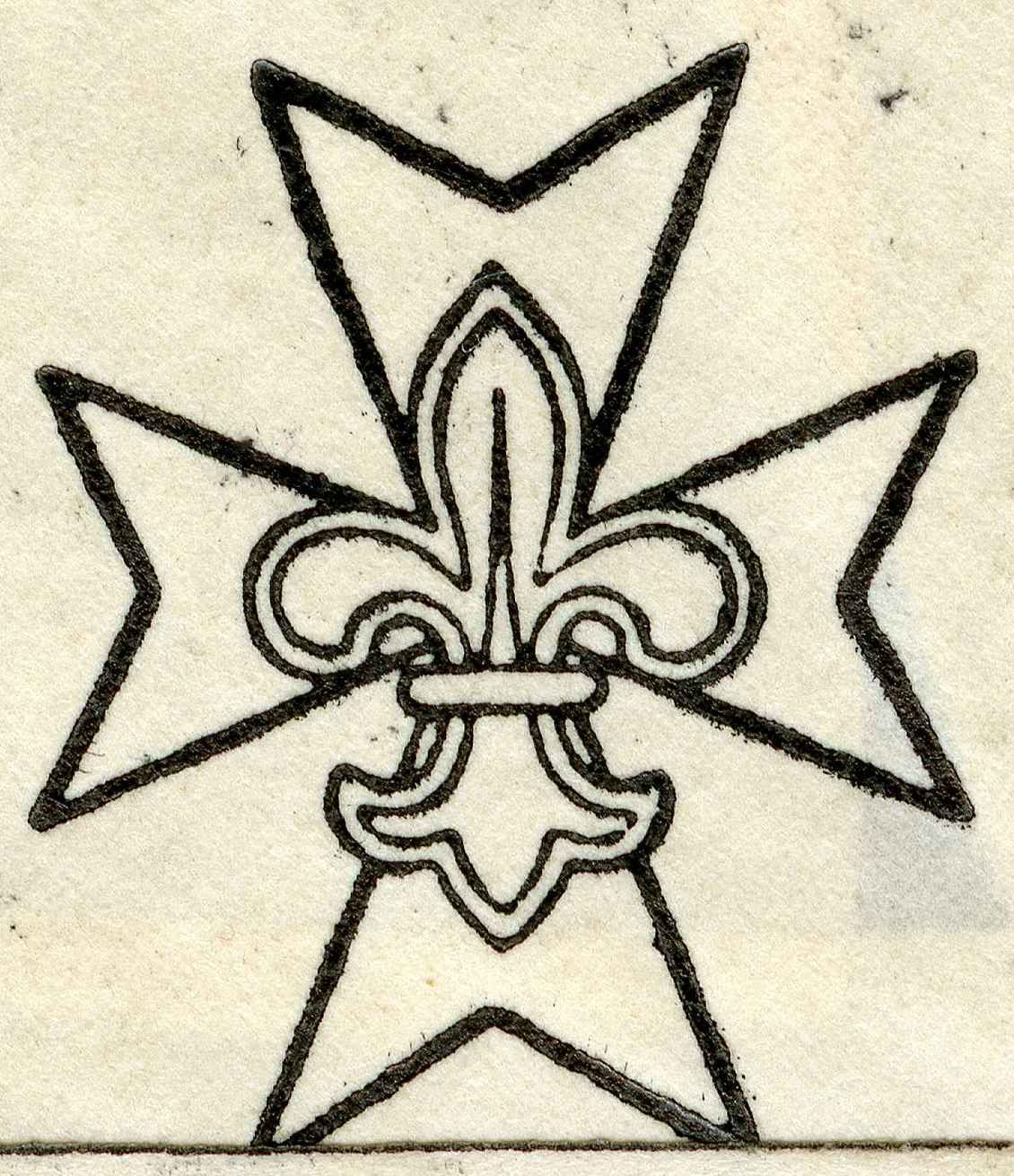
[Below: Here's an Sudetenland envelope canceled in Mies on December 15, 1938. On the back is a slogan and an emblem belonging to the Österreichisches Pfadfinderkorps St. Georg (Austrian Scout Corps of St. George), which was founded in 1926 after a group of Catholic Scout troops split from the secular Austrian Scout Association.]
[Below: Reverse.]
[Below: Close-up.]
[Below: Close-up.]
[Below: Sudetenland. The cancel on this is 'SdP', standing for the The Sudeten German Party, a National Socialist organization.]
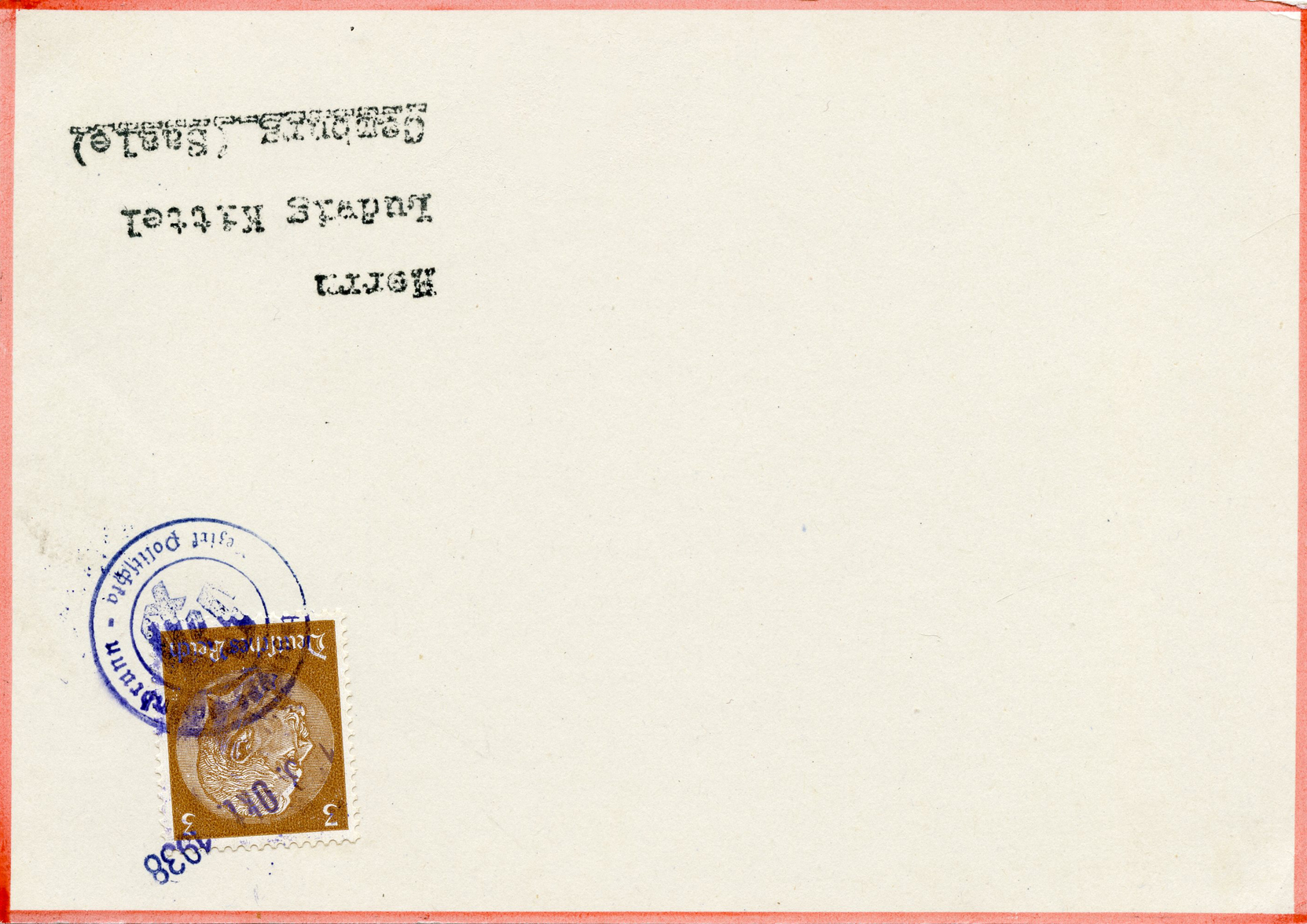
[Below: Close-up.]