[Below: Postcard, postmarked in May 3, 1941.]
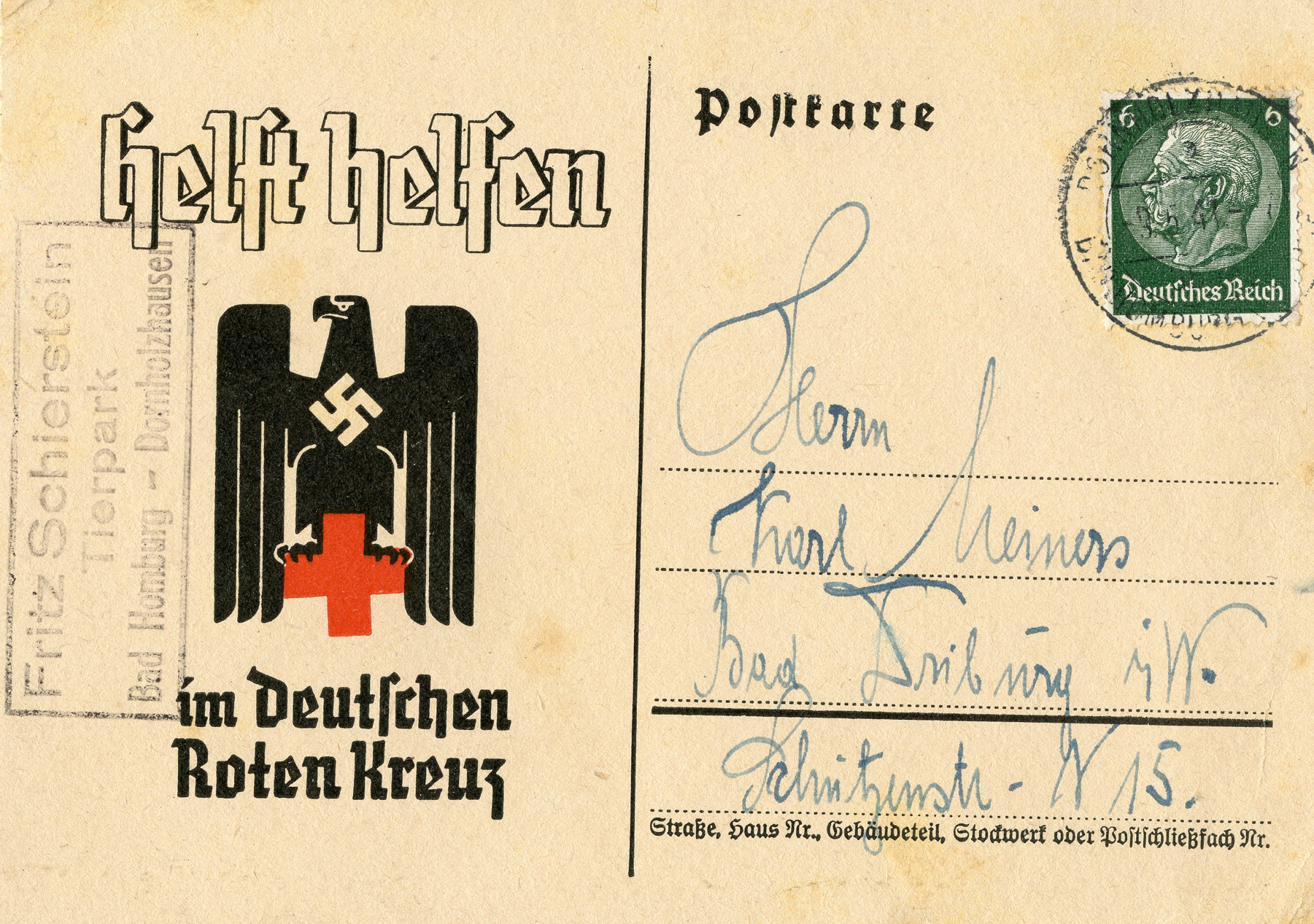
[Below: Close-up.]

[Below: Reverse.]
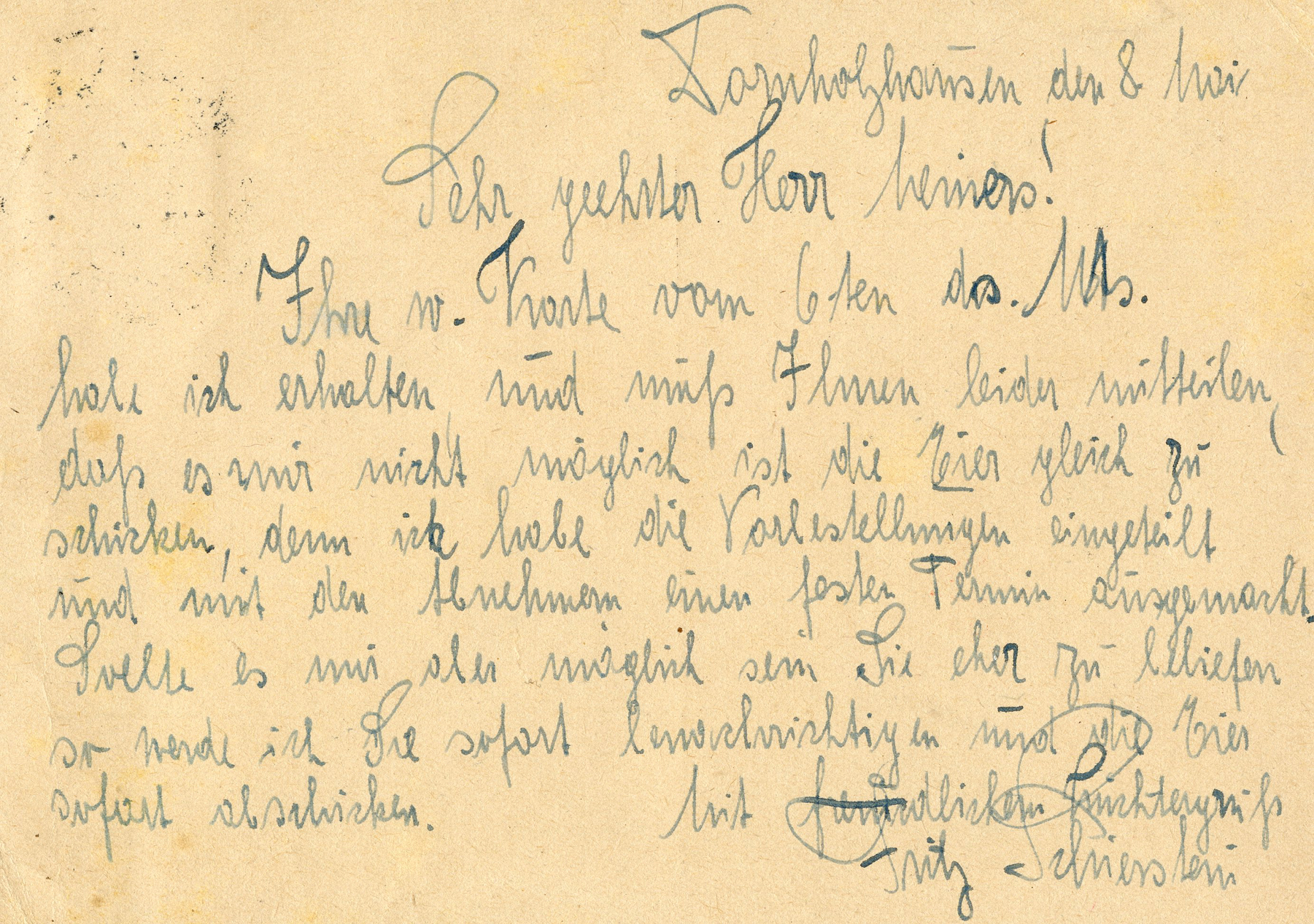
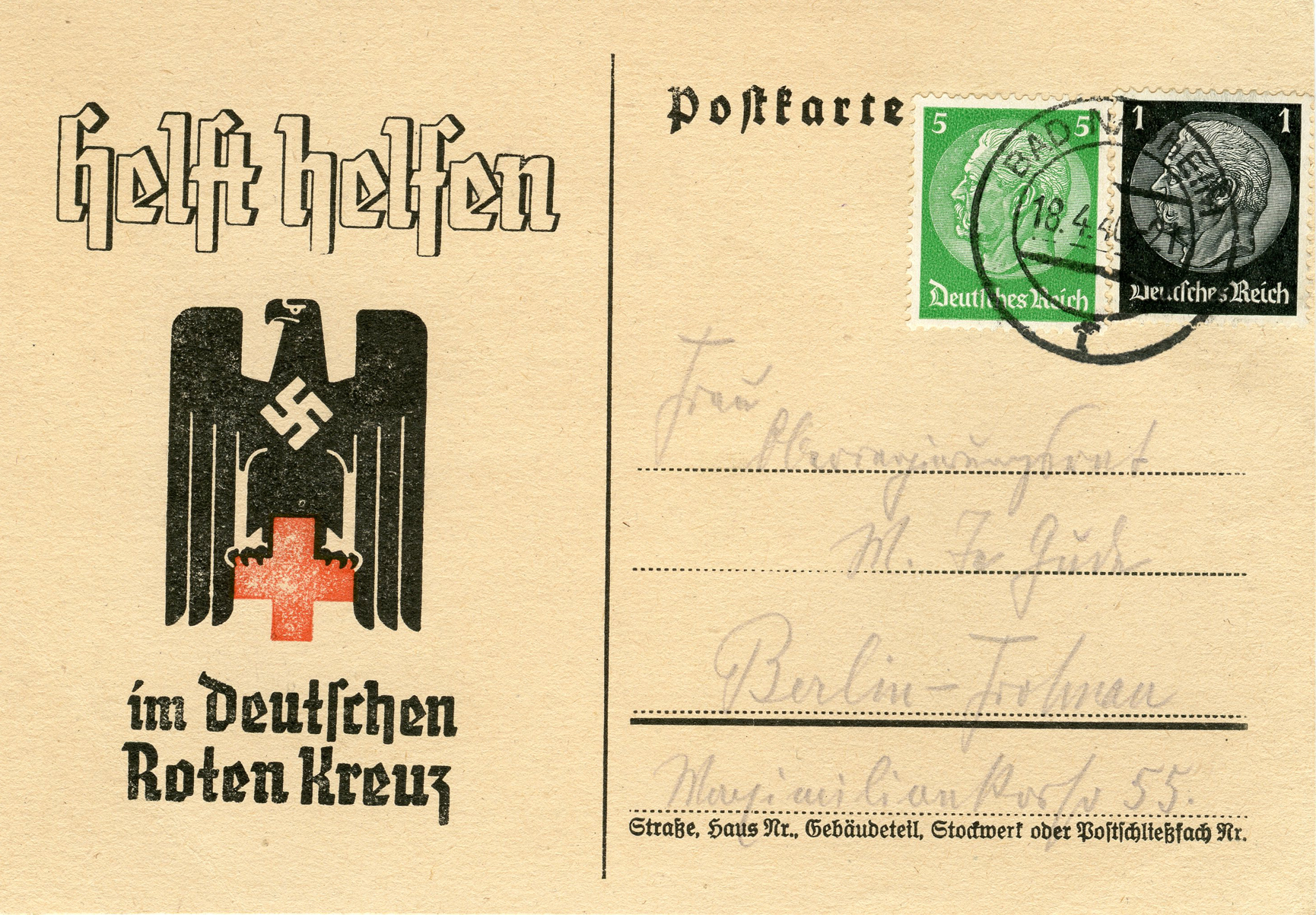
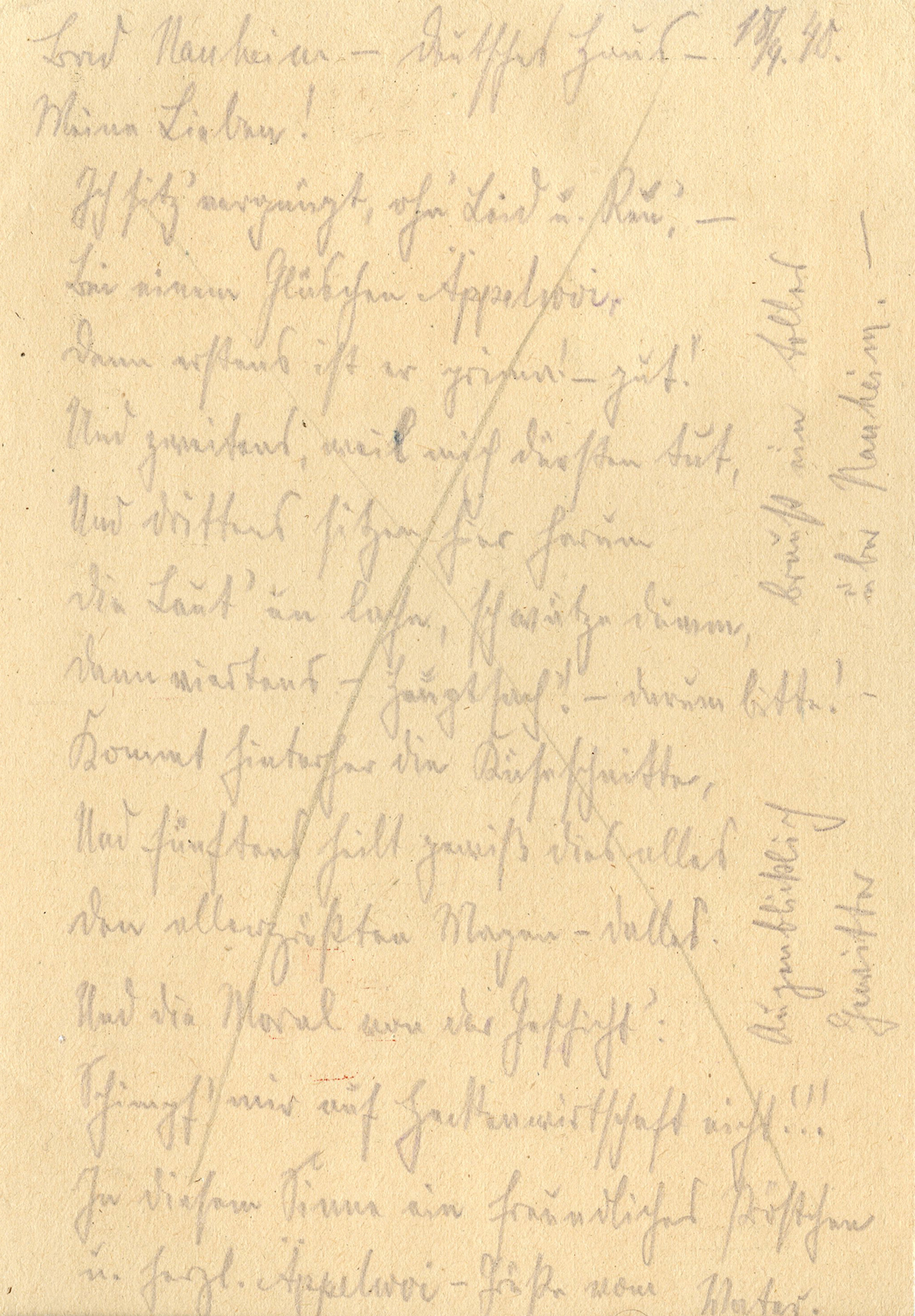
[Below: Postcard, postmarked in April 1940.]
[Below: Reverse.]

[Below: ...]

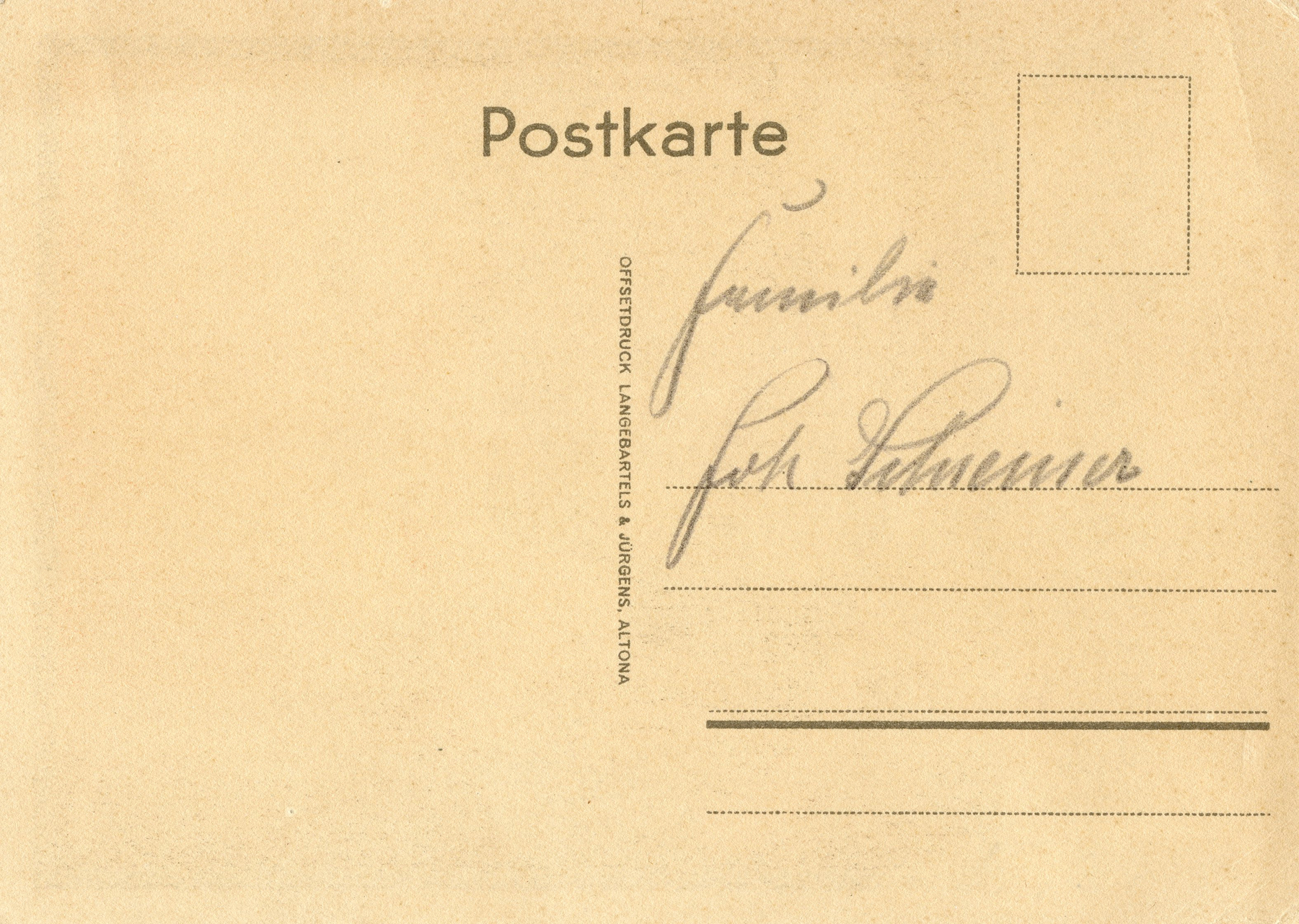
[Below: Reverse.]
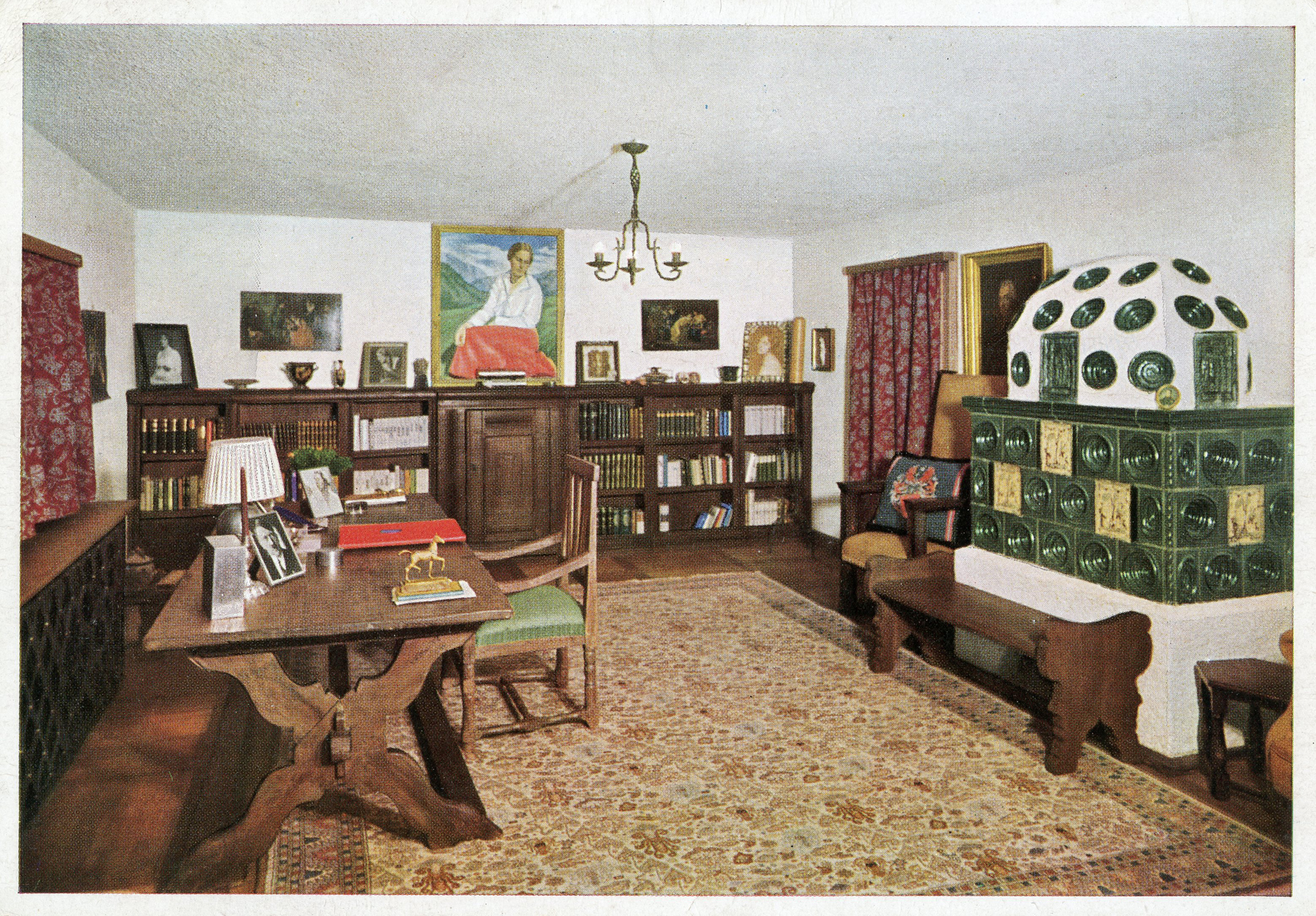
[Below: ...]
[Below: Reverse.]
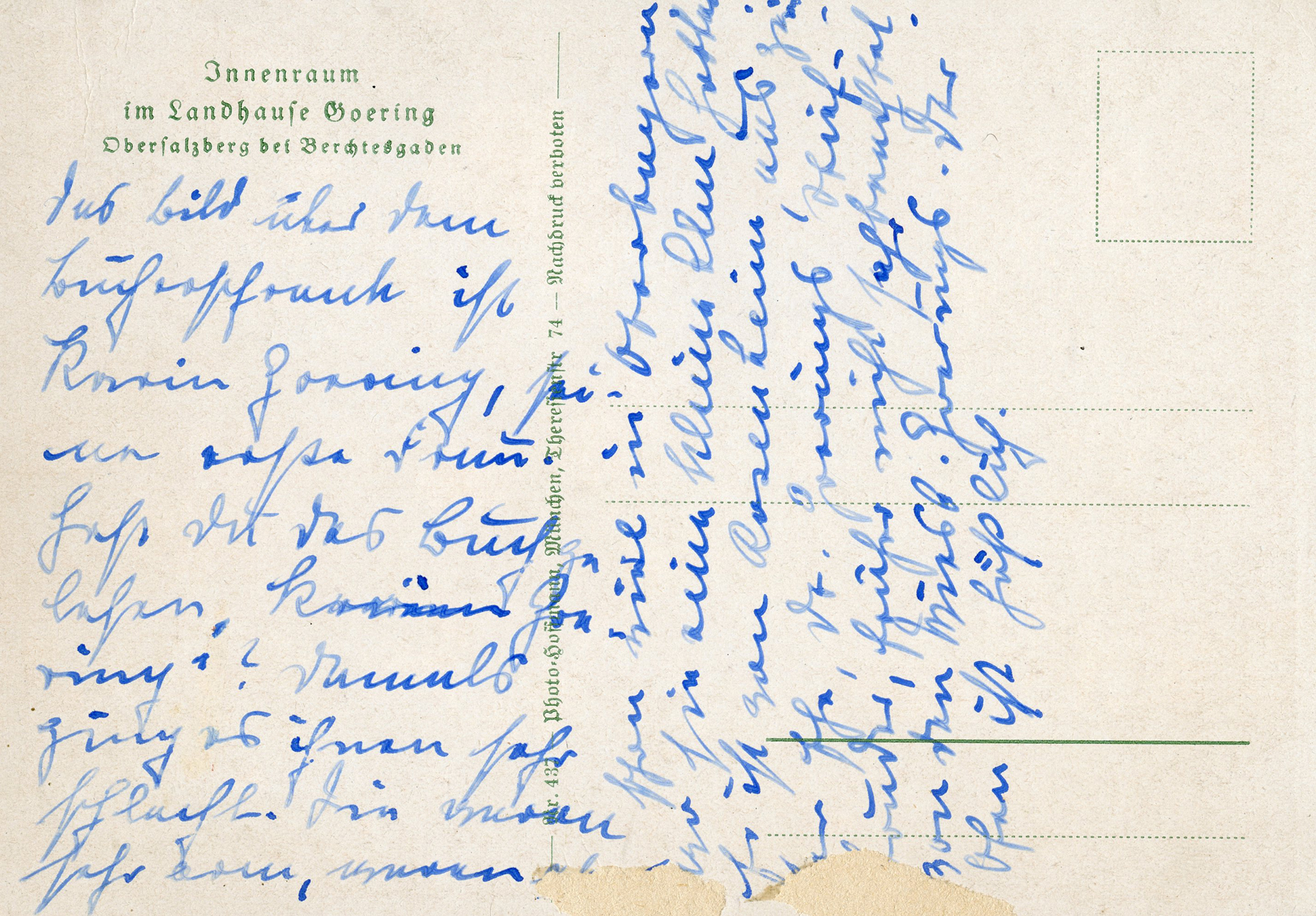
[Below: ...]
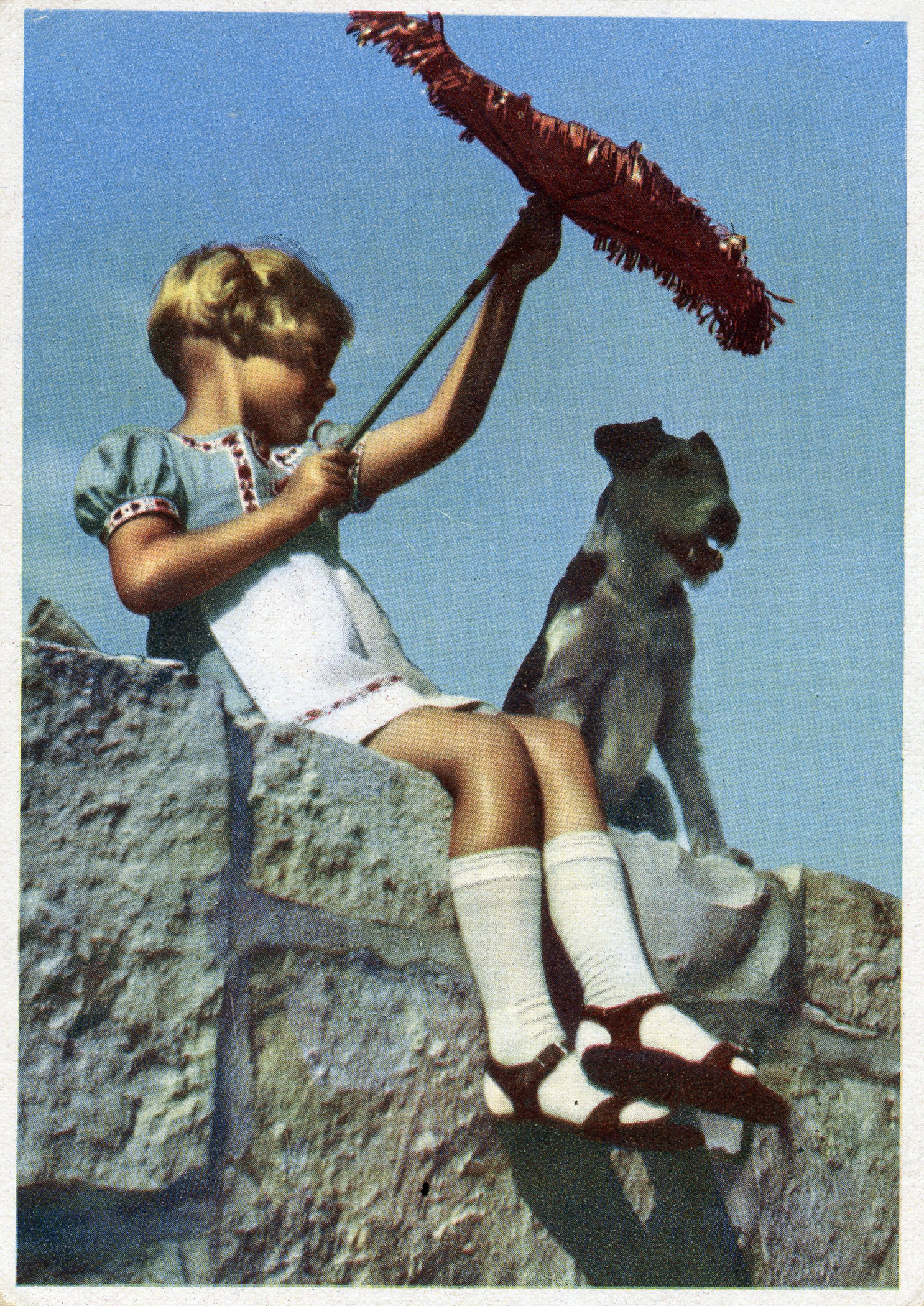
[Below: Reverse. This was sent Feldpost from the NSDAP gift shop in Munich on September 3, 1939.]
[Below: Close-up.]

[Below: ...]

[Below: Reverse.]
[Below: ...]
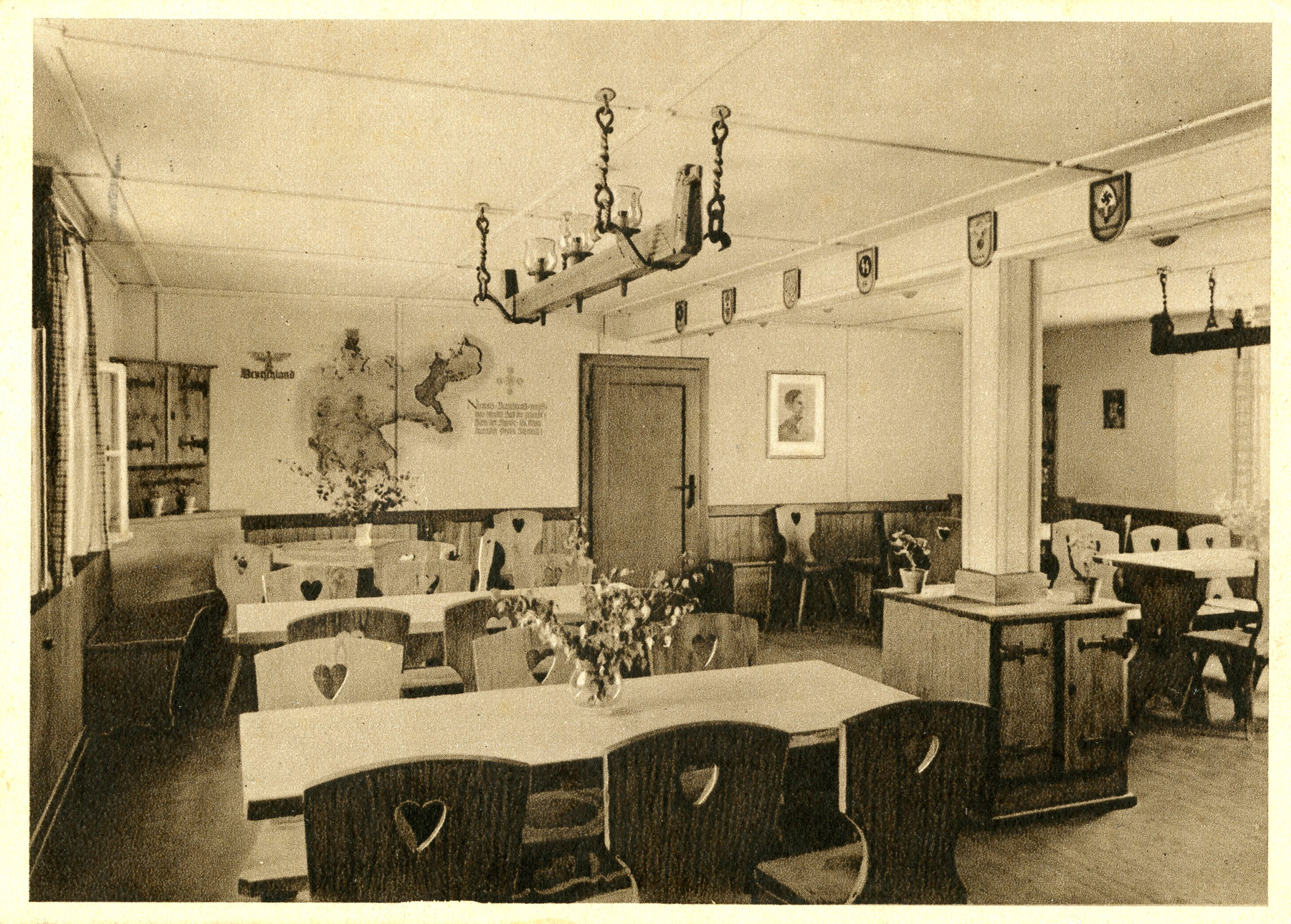
[Below: Close-up. I tried to enlarge this to see what was on the wall... but the quality of the print is just not good enough.]
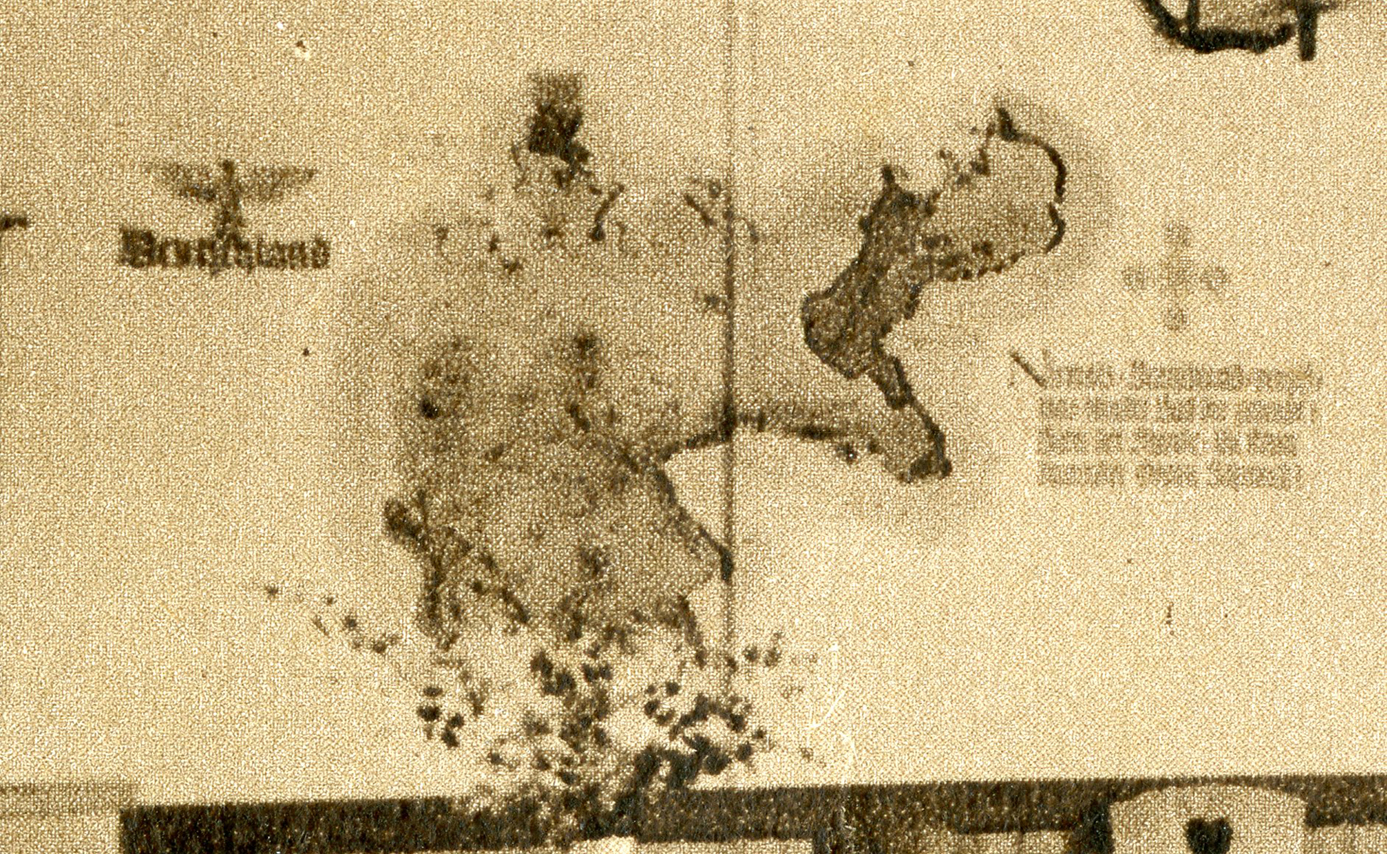
[Below: Reverse.]
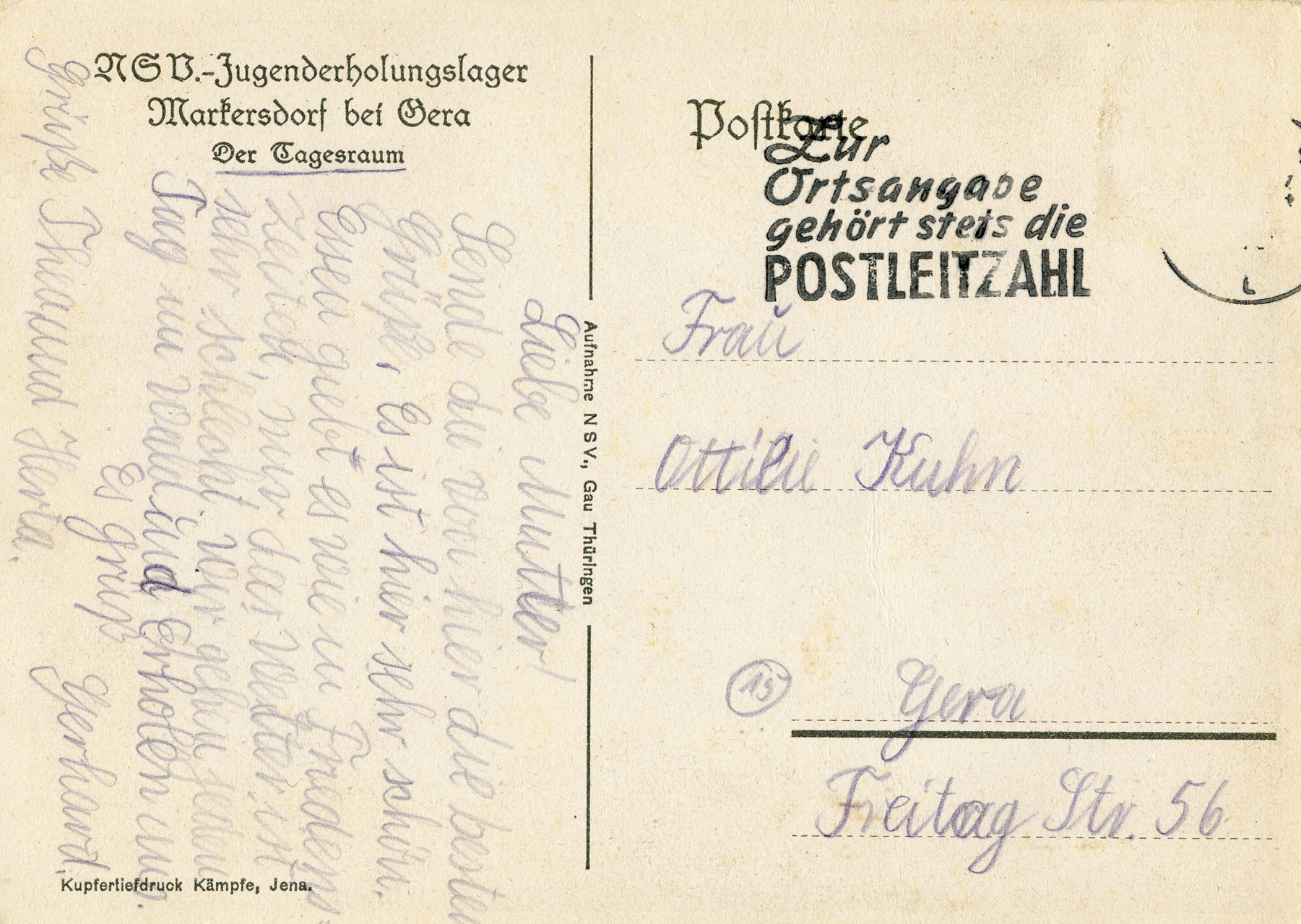
[Below: ...]
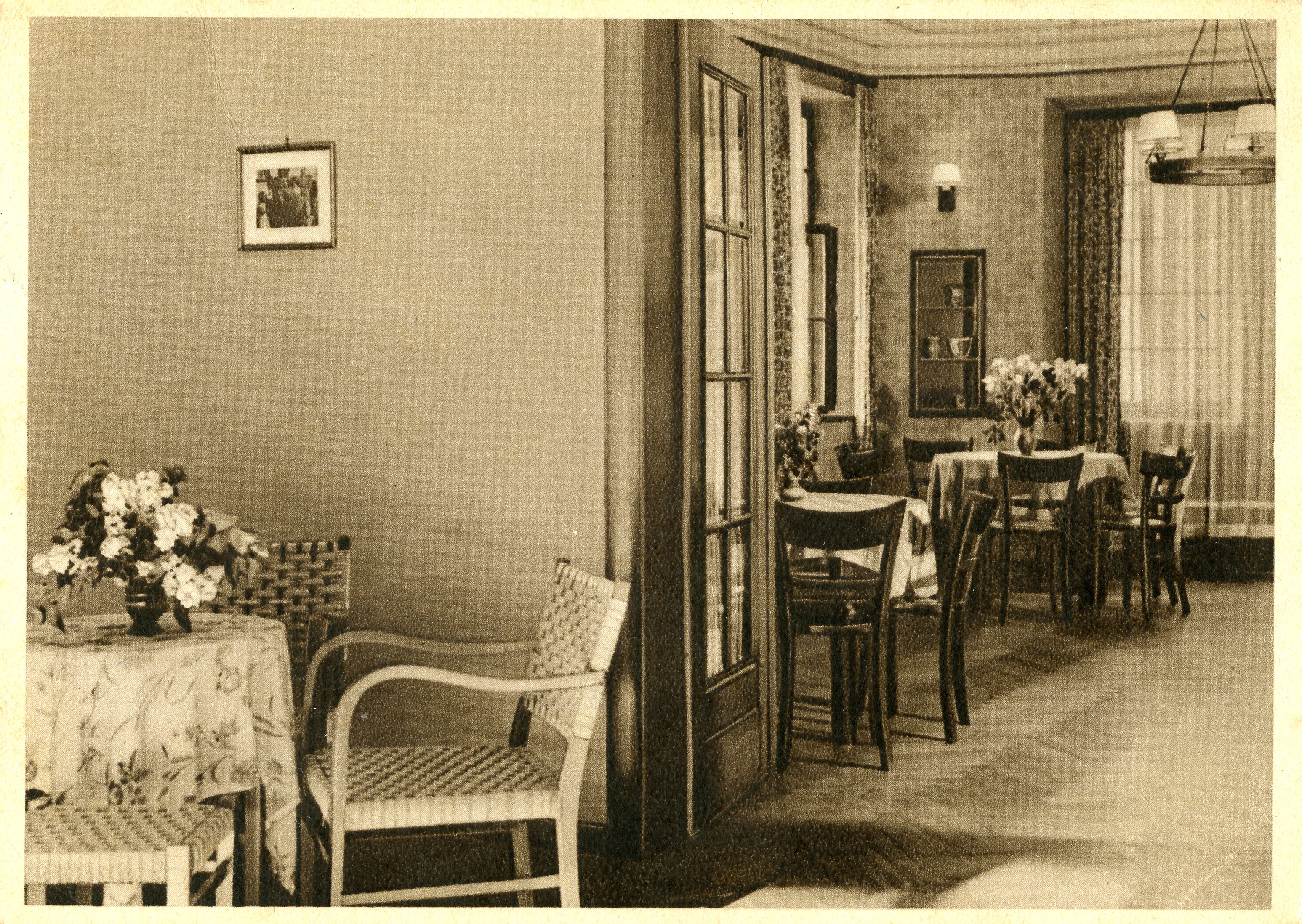
[Below: Reverse.]
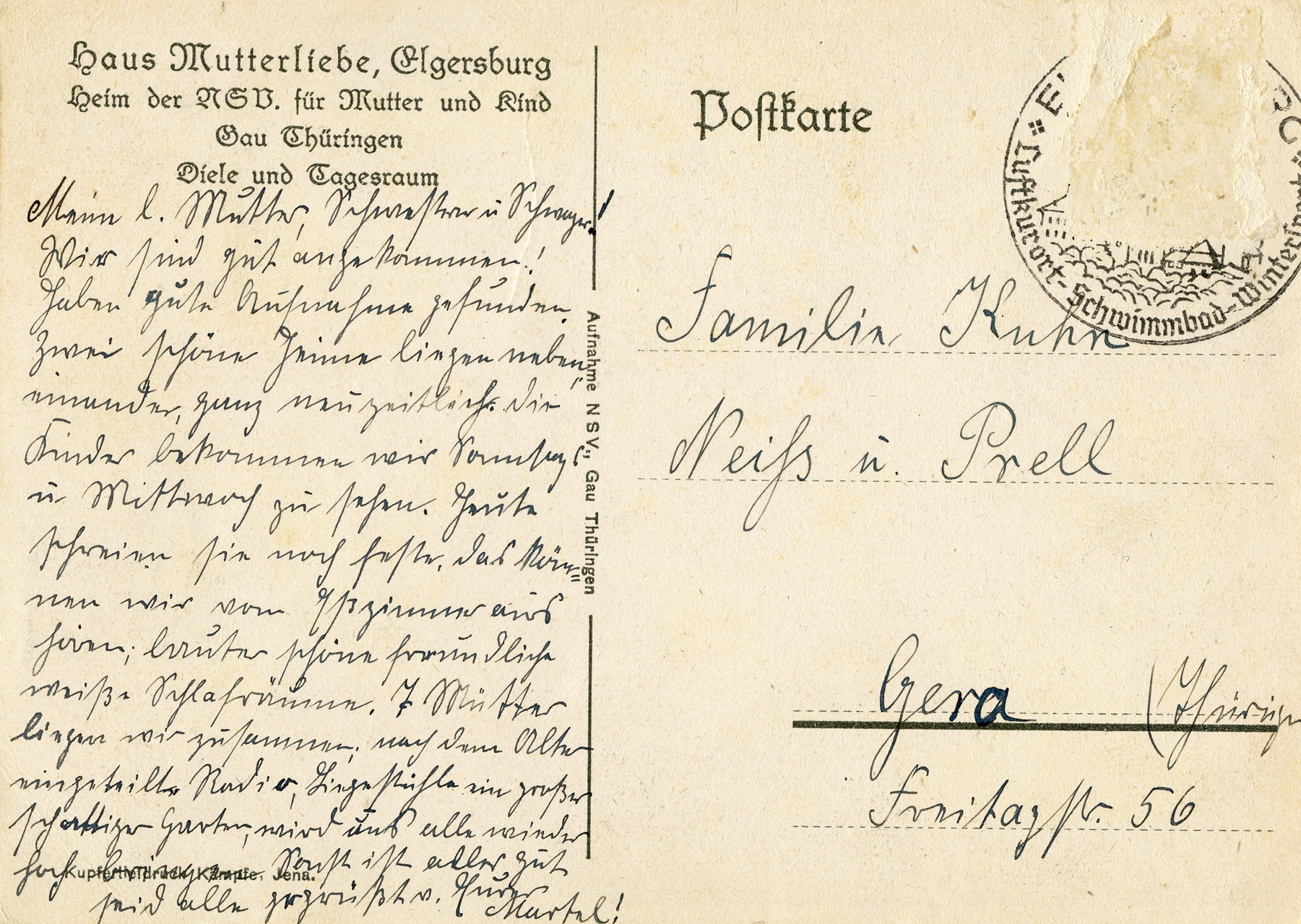
[Below: ...]

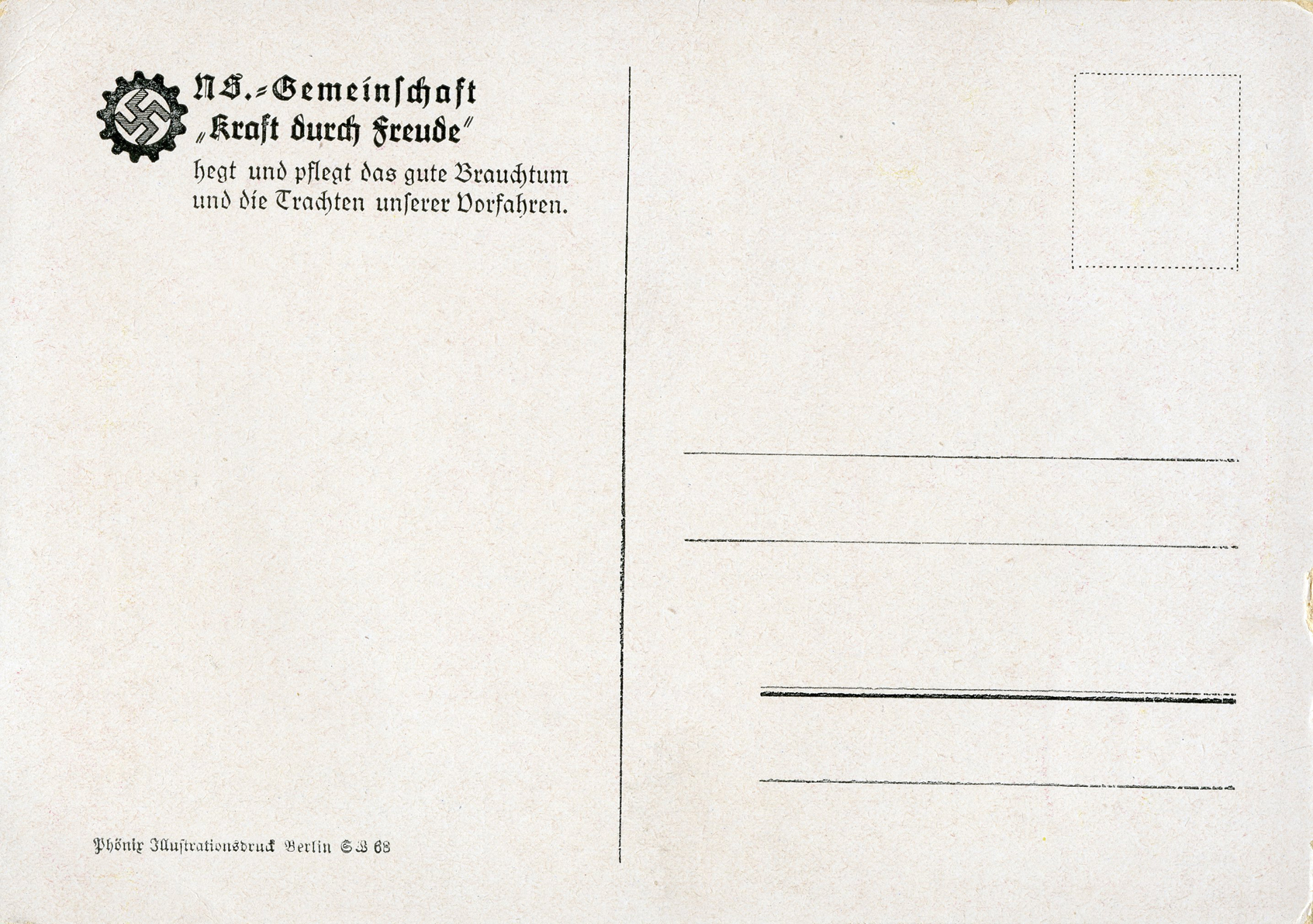
[Below: Reverse.]
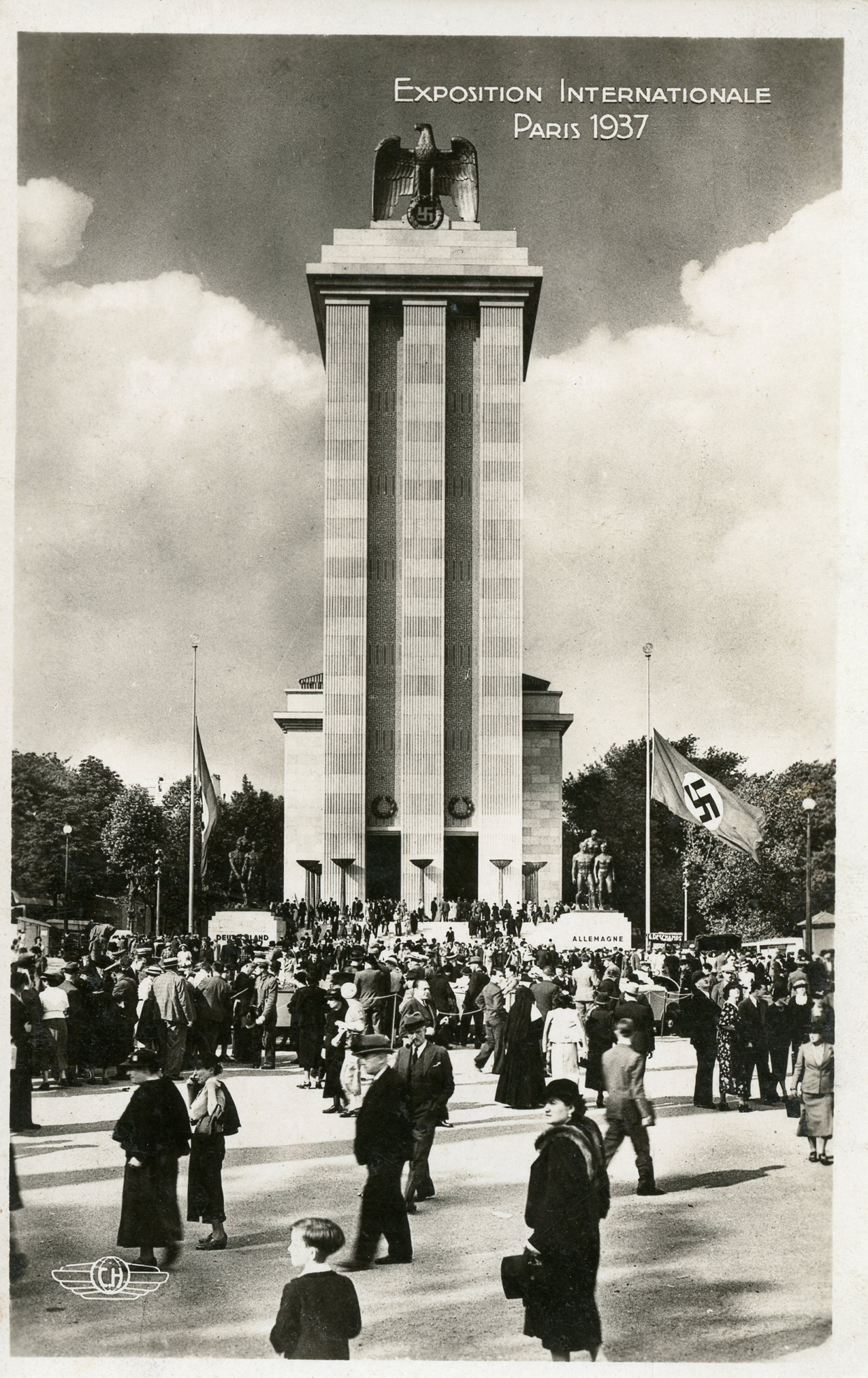
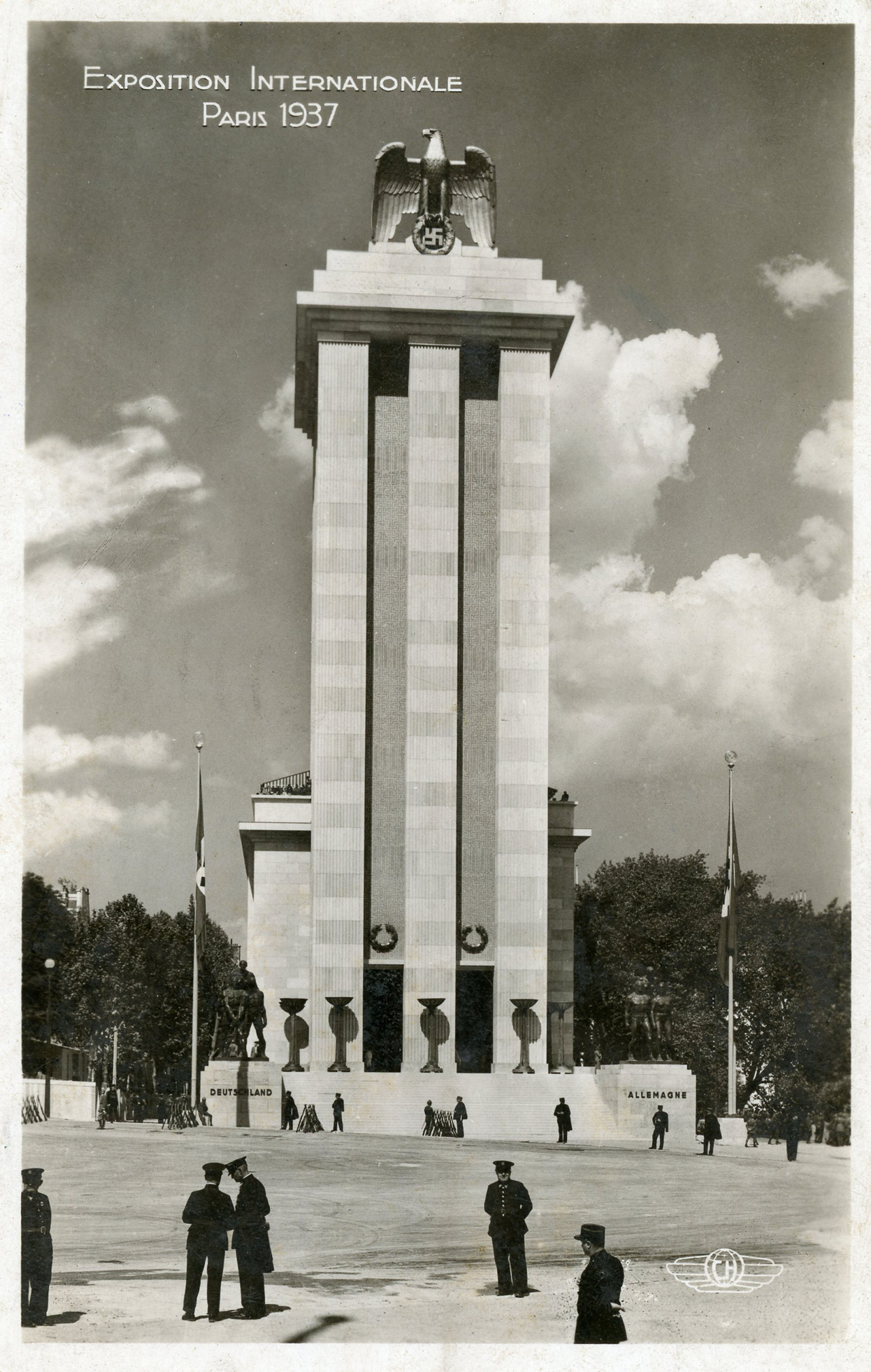
[Below: This was the spectacular German Pavilion in France for the International Exposition in Paris.]
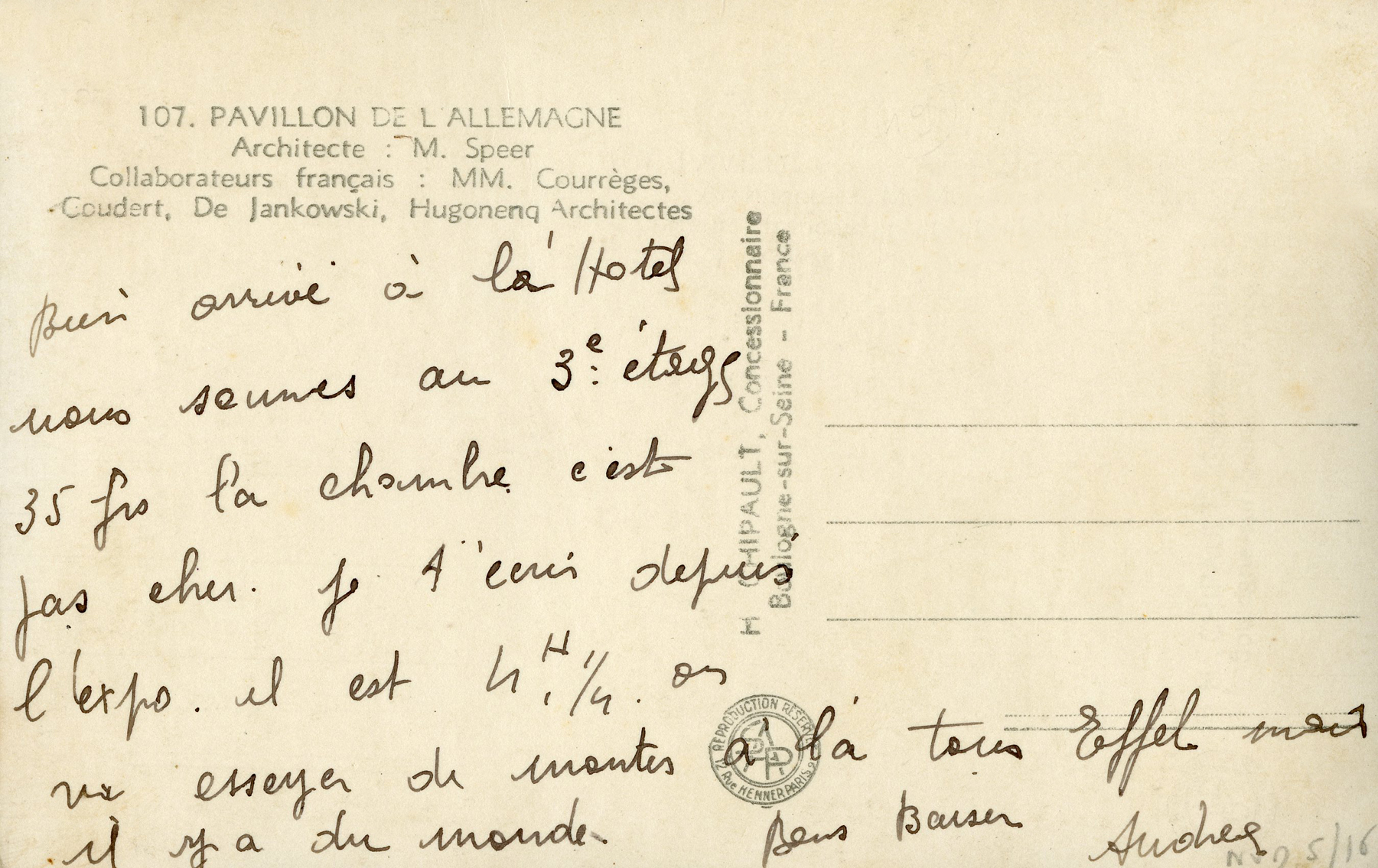
[Below: Reverse.]
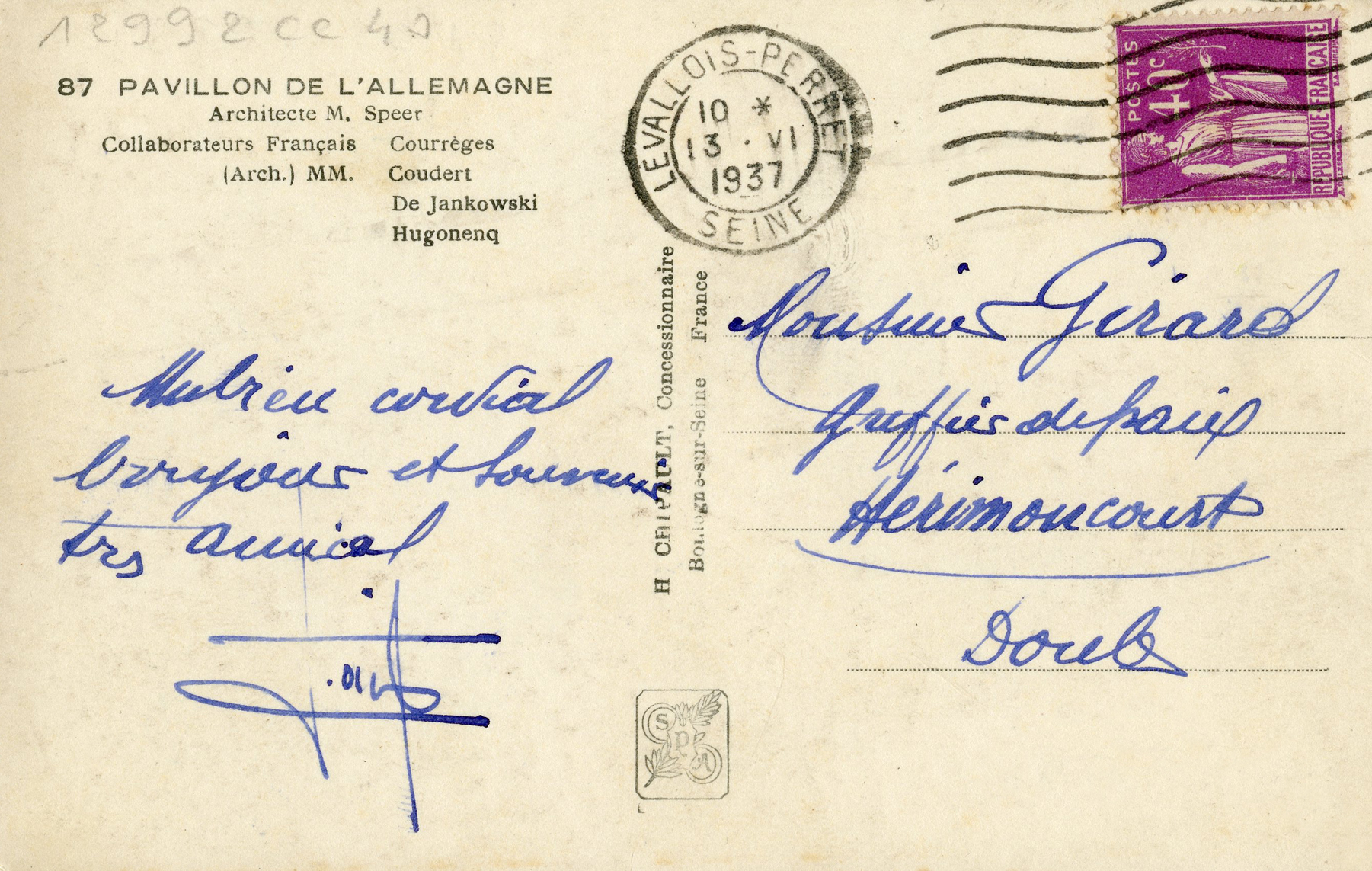
[Below: Another one of the German Pavilion, postmarked in France on June 13, 1937.]
[Below: Reverse.]
[Below: ...]
[Below: Reverse.]
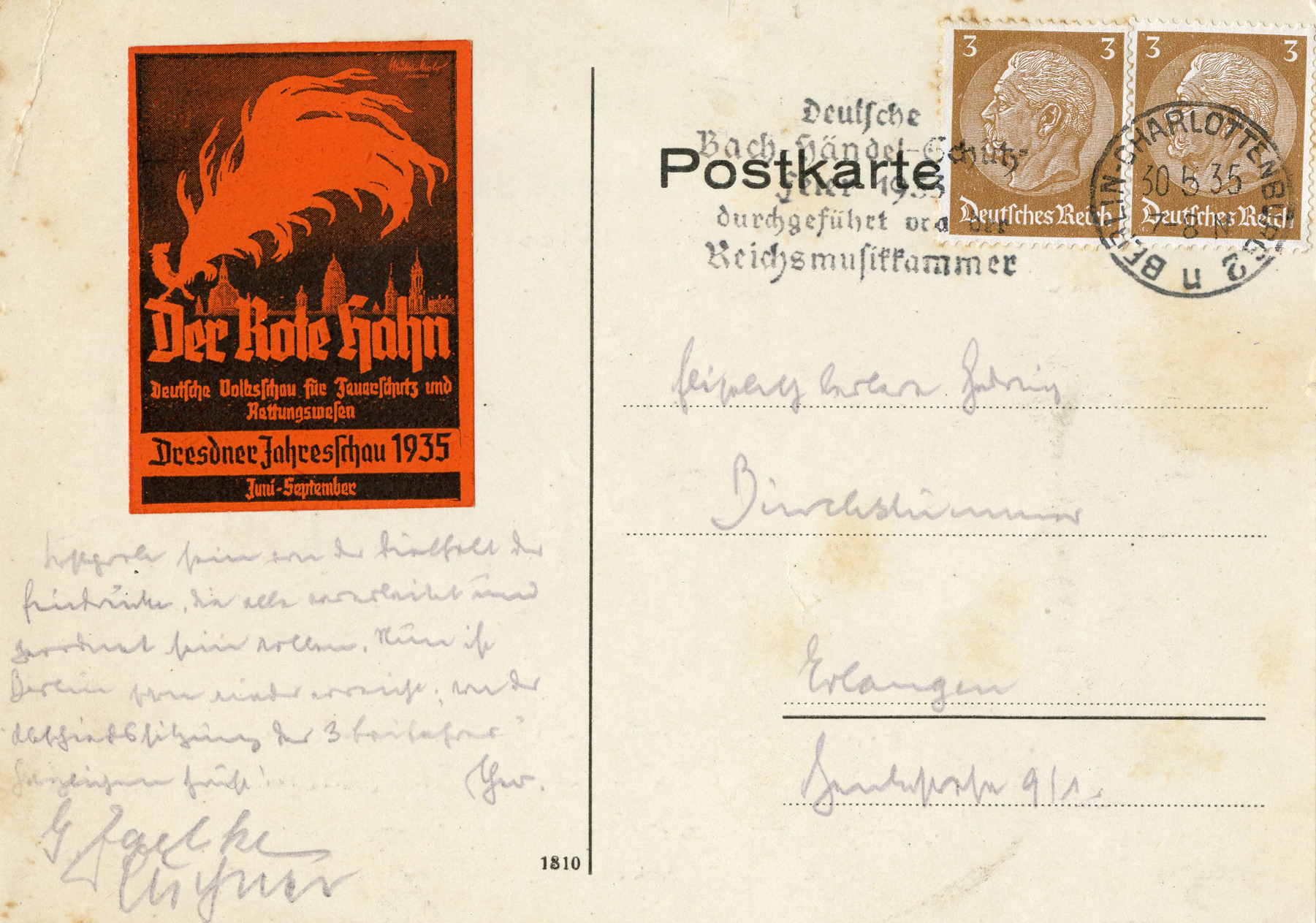
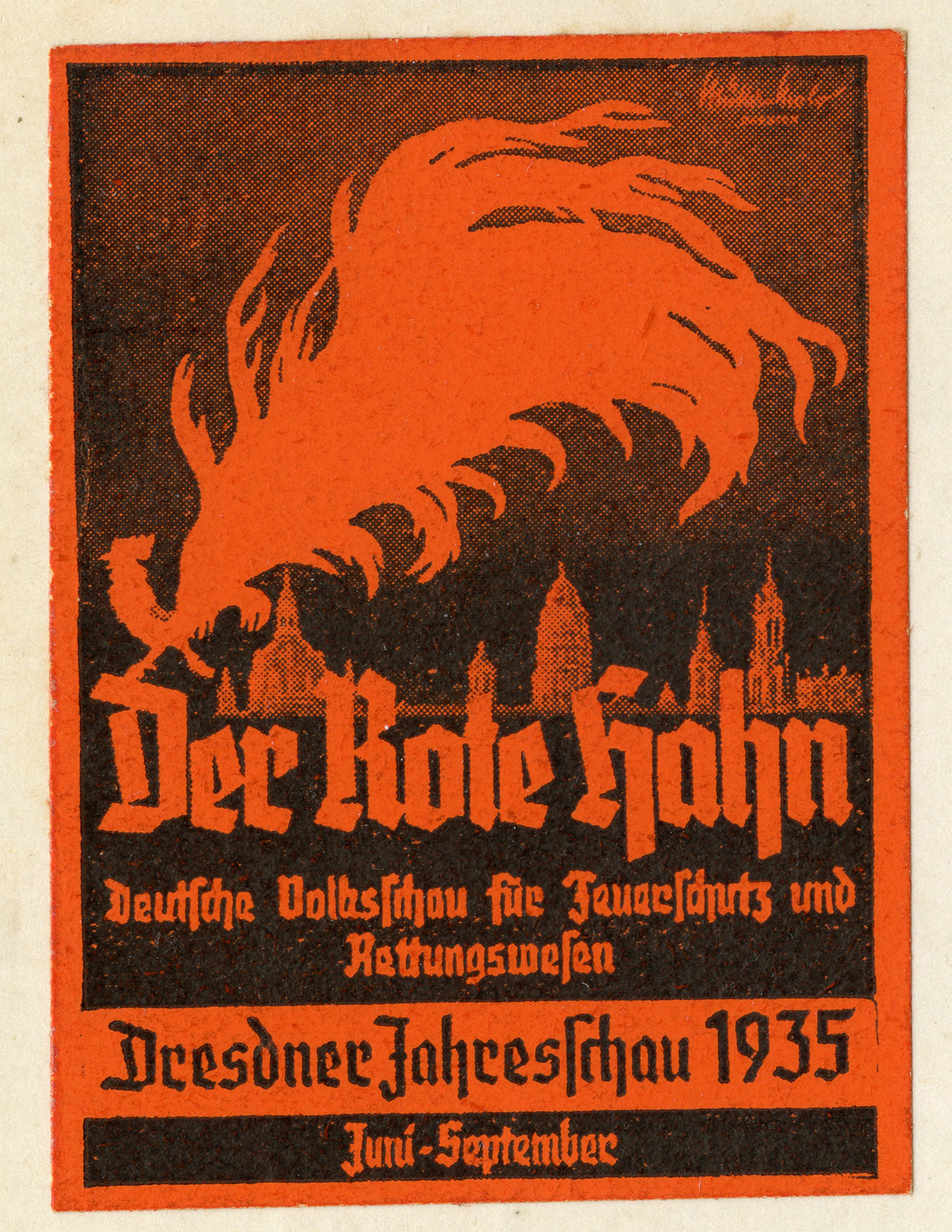
[Below: The red advertisement stamp is advertising a 1935 play in Dresden.]
[Below: Close-up.]
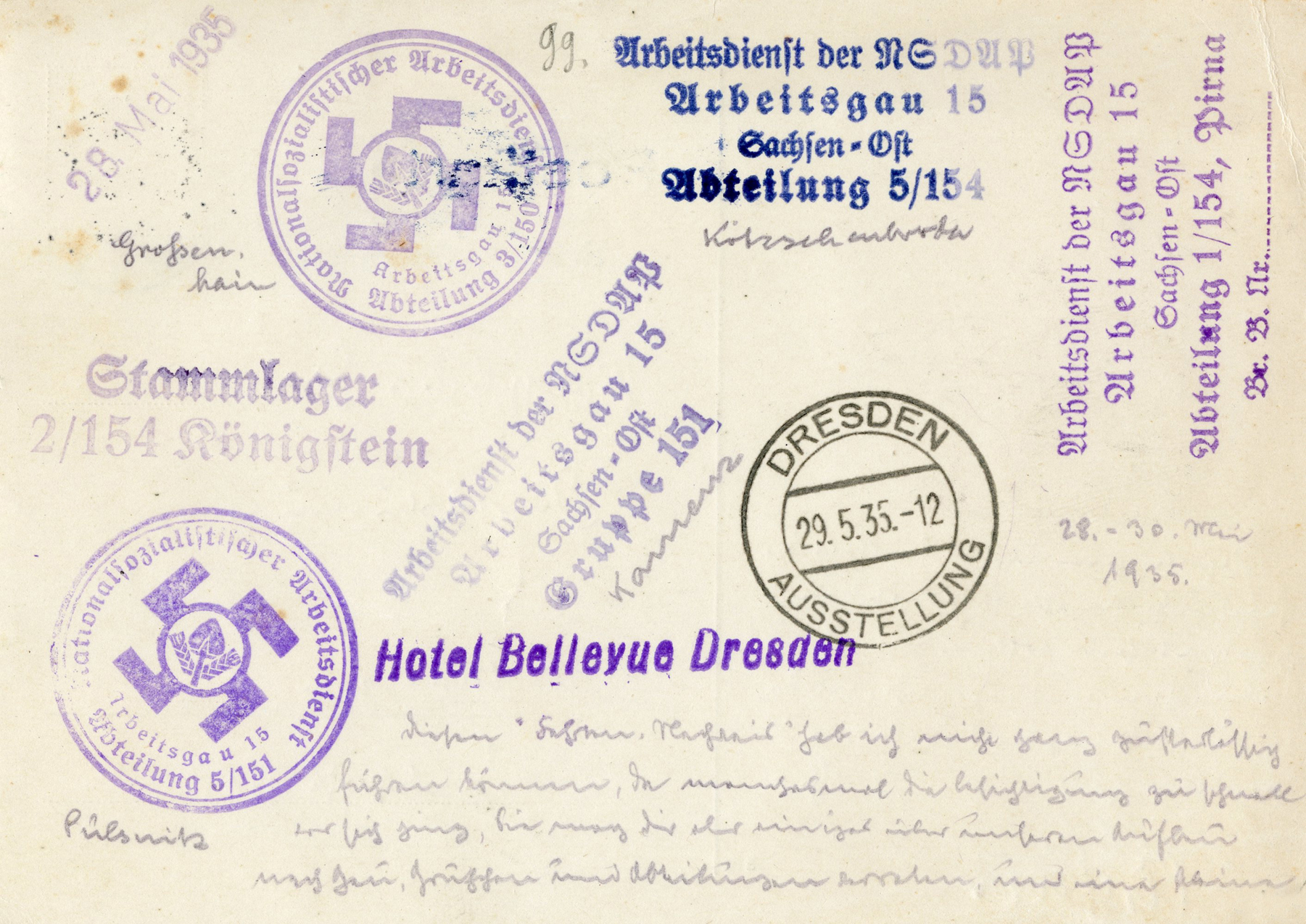
[Below: Wow! Someone went through A LOT of trouble getting all of these stamps. Very cool.]
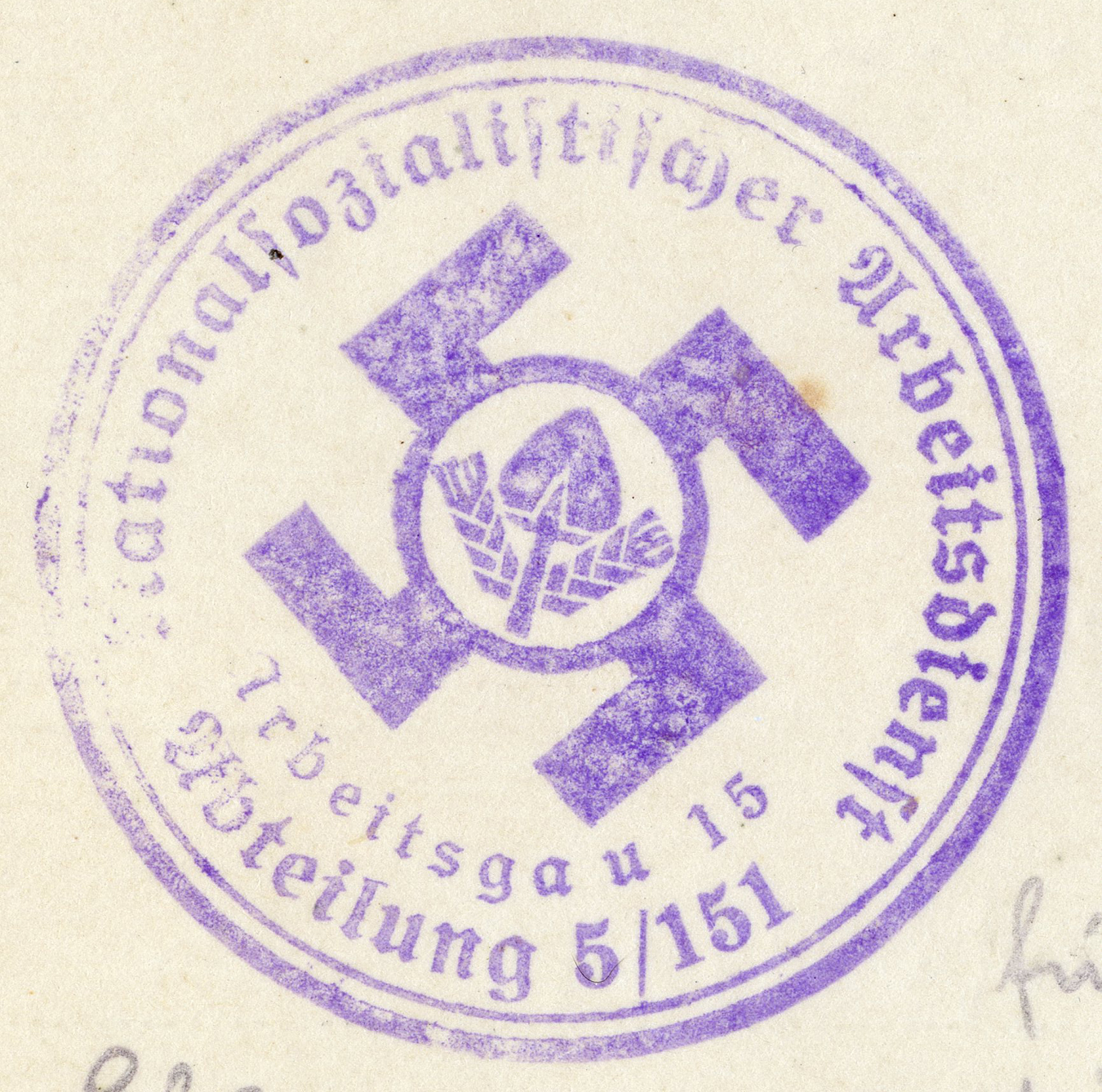
[Below: One of the RAD stamps close-up.]
[Below: ...]
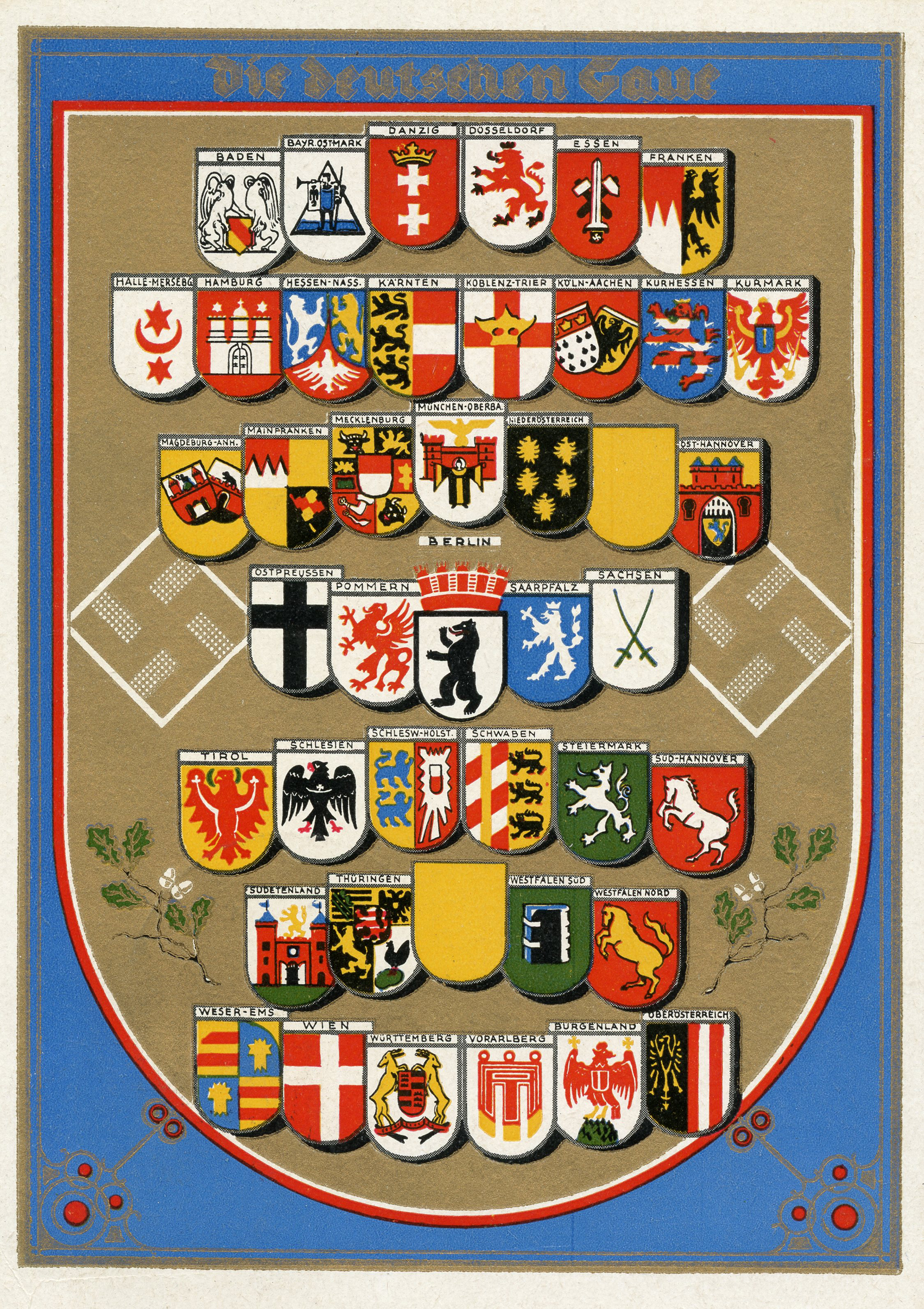
[Below: Reverse.]
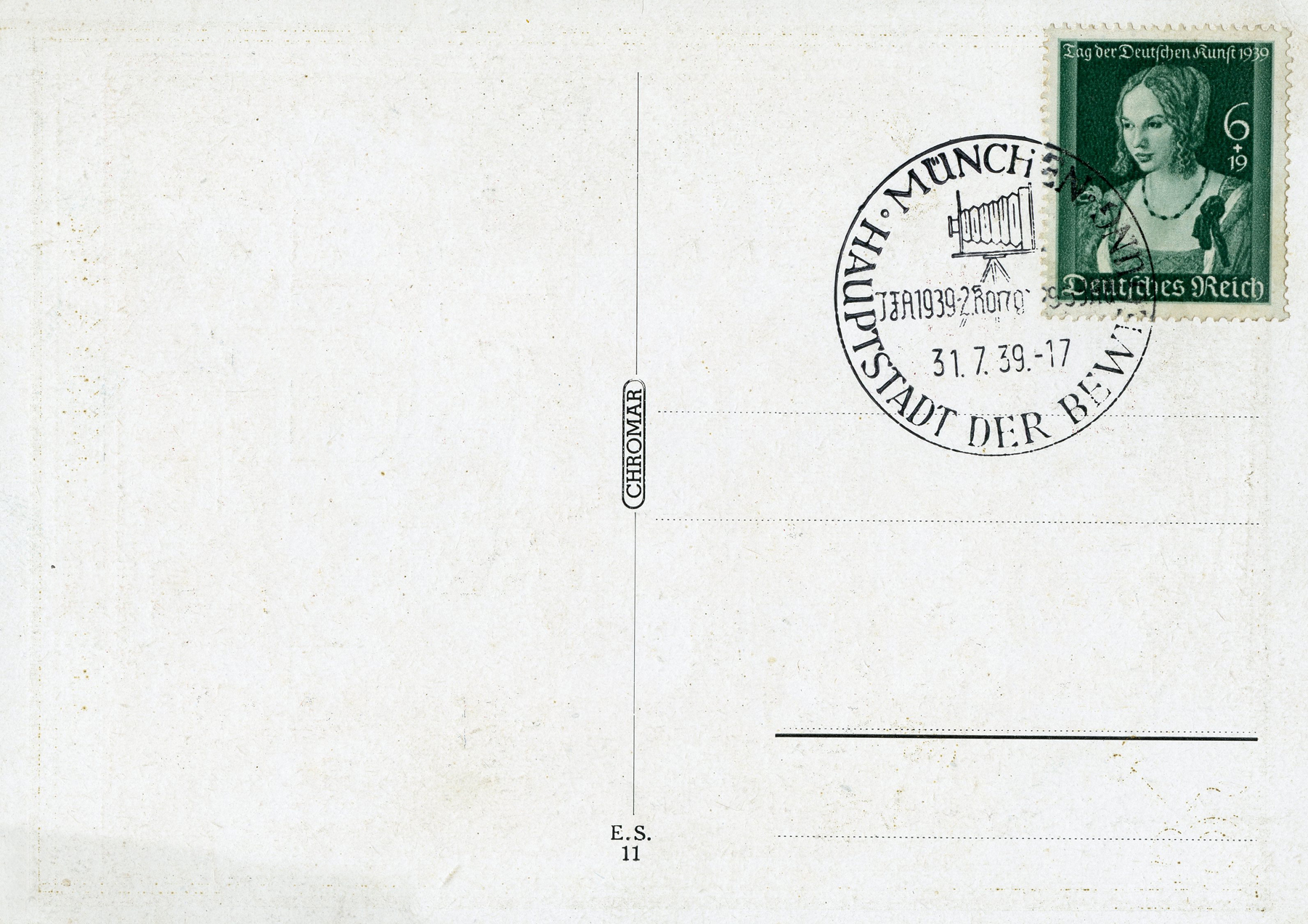
[Below: Close-up of a rare postmark.]

[Below: ...]
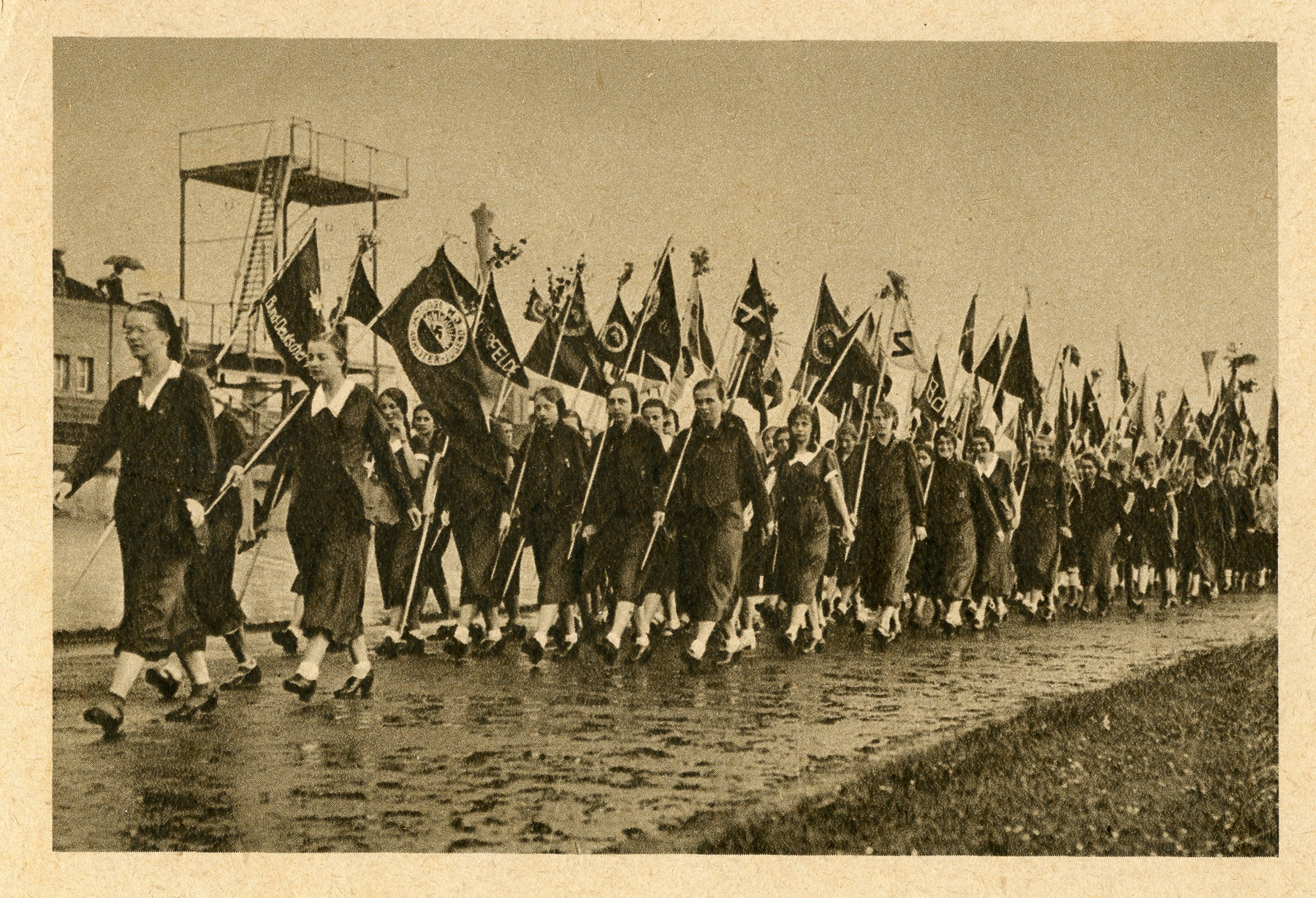
[Below: Reverse.]
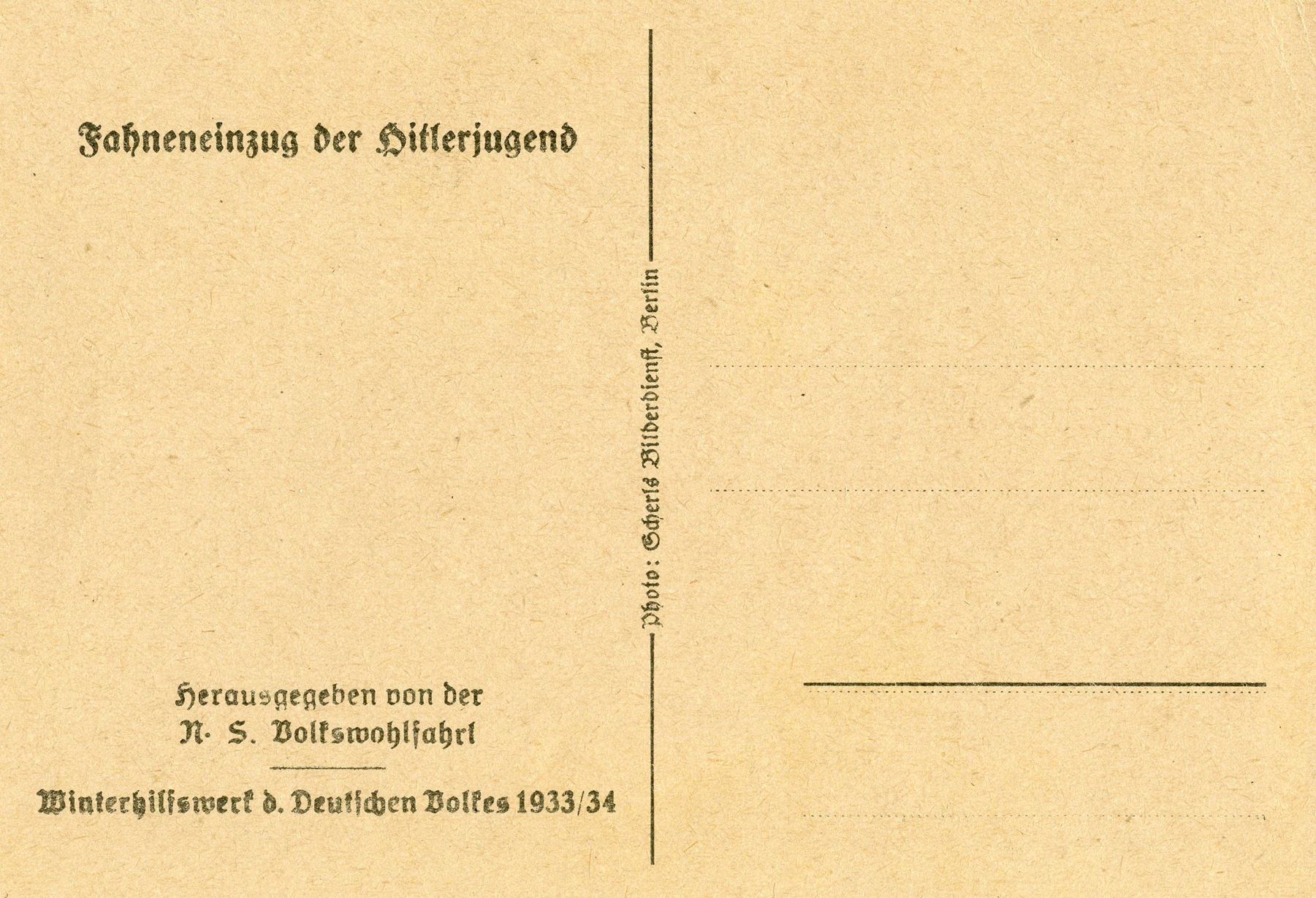
[Below: ...]
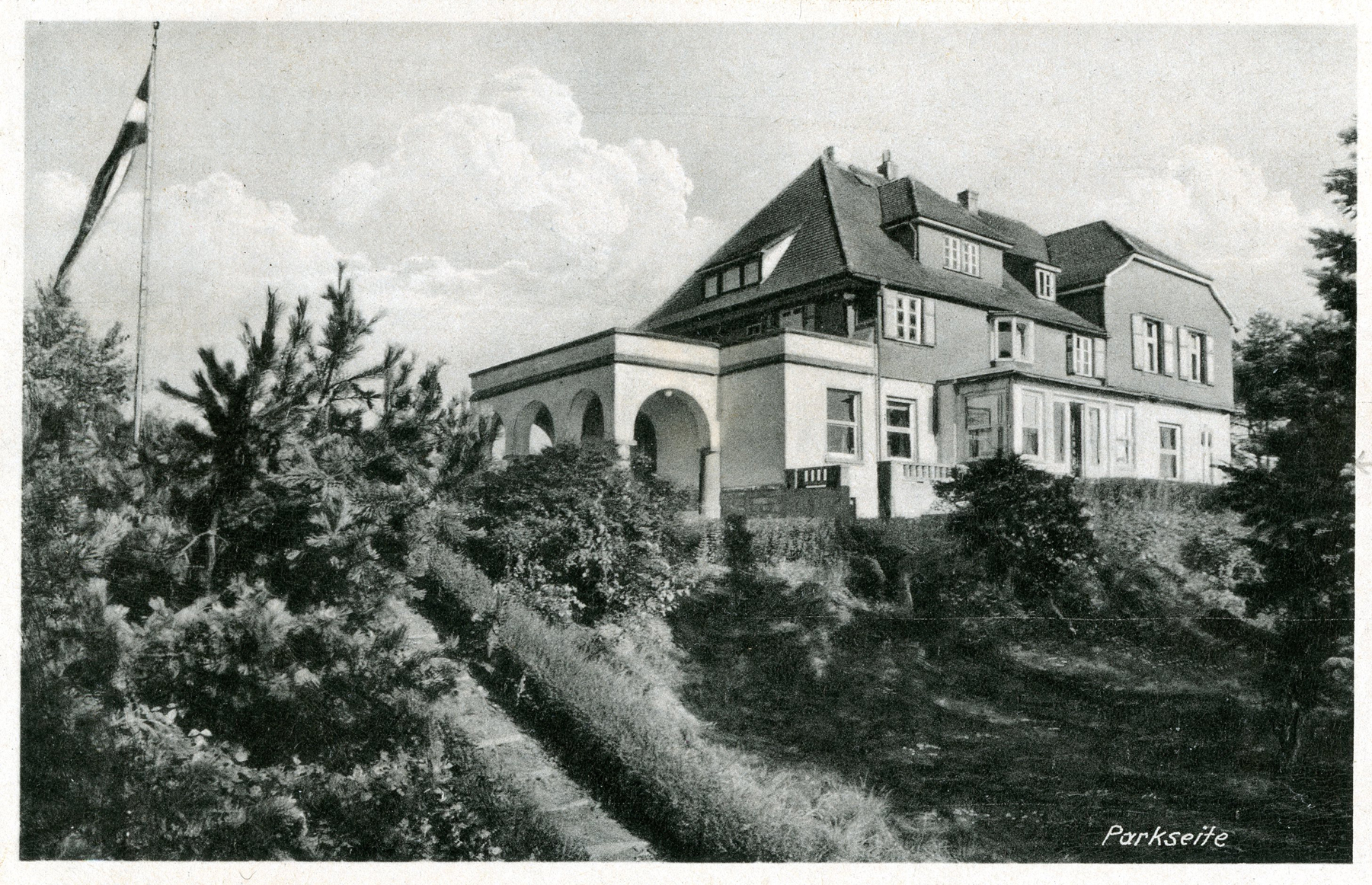
[Below: Reverse.]
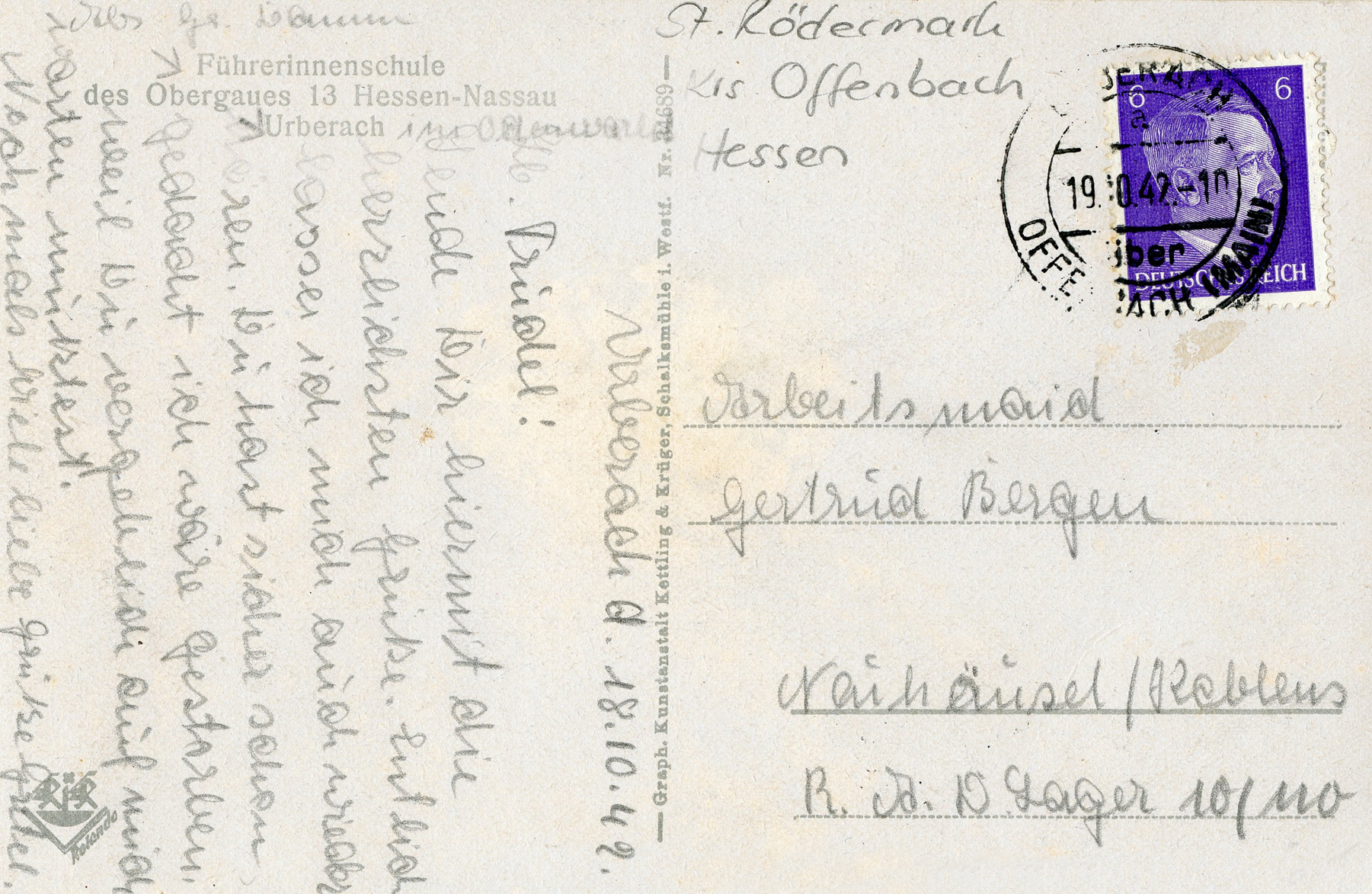
[Below: ...]
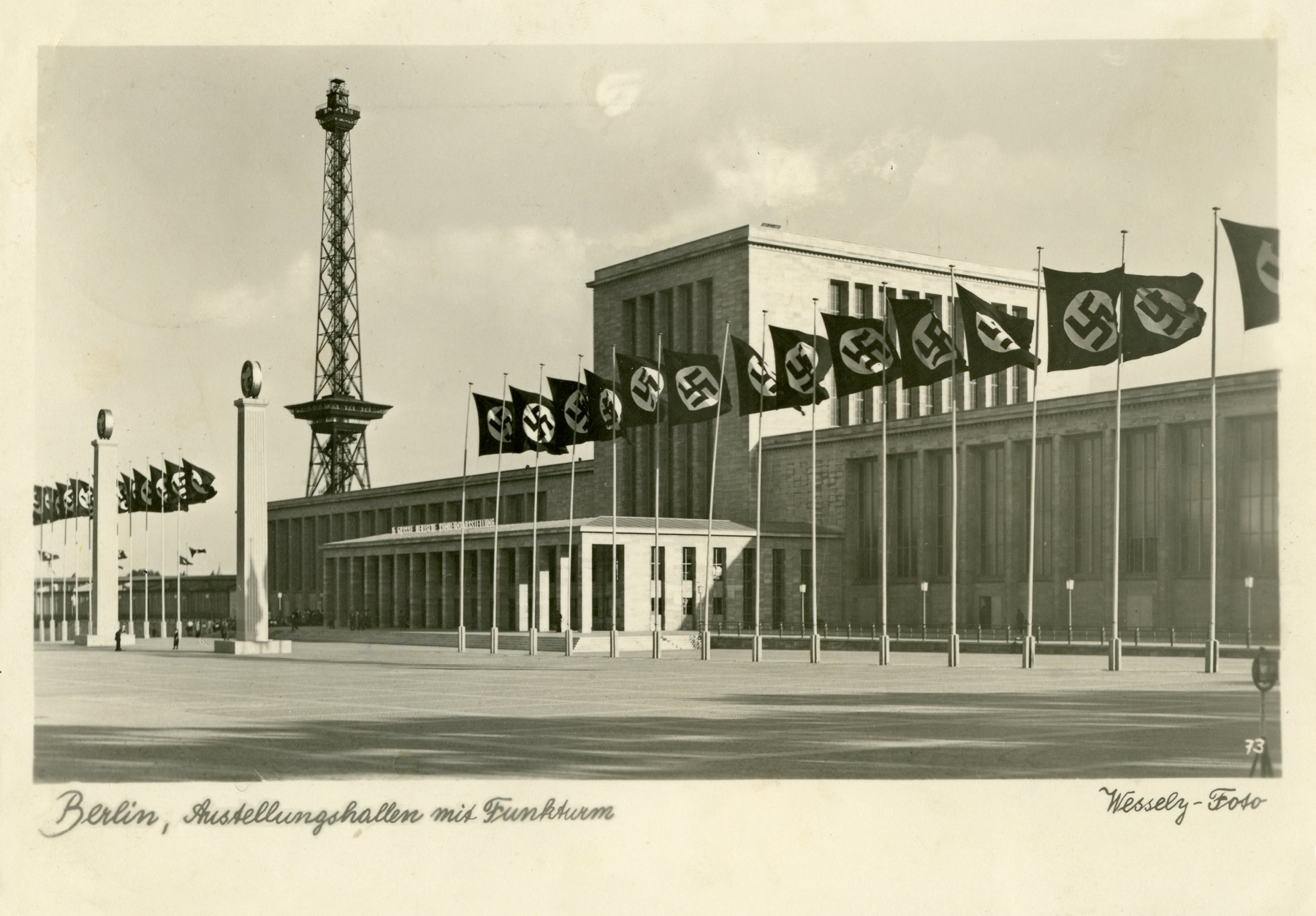
[Below: Reverse.]
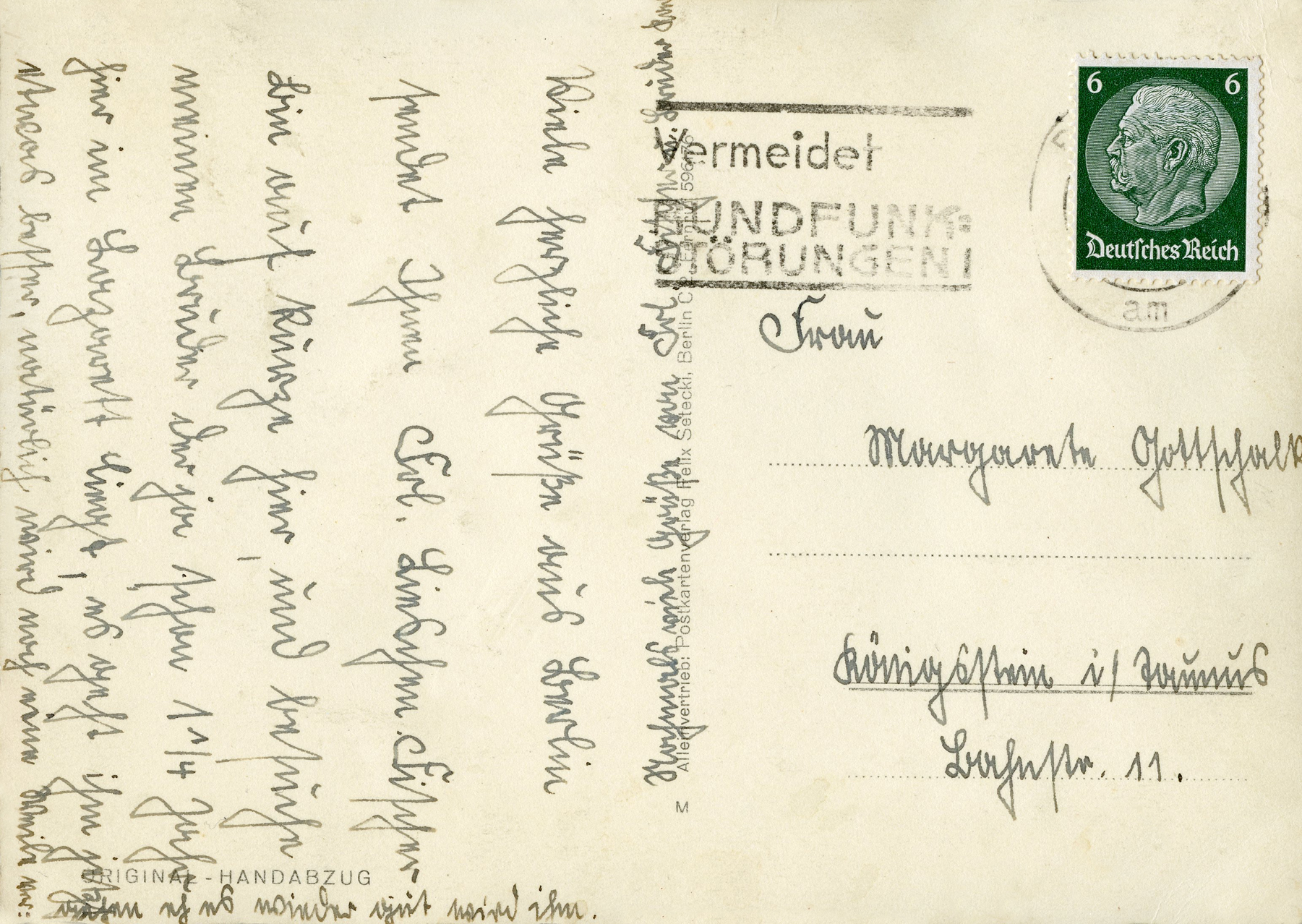
[Below: Close-up.]
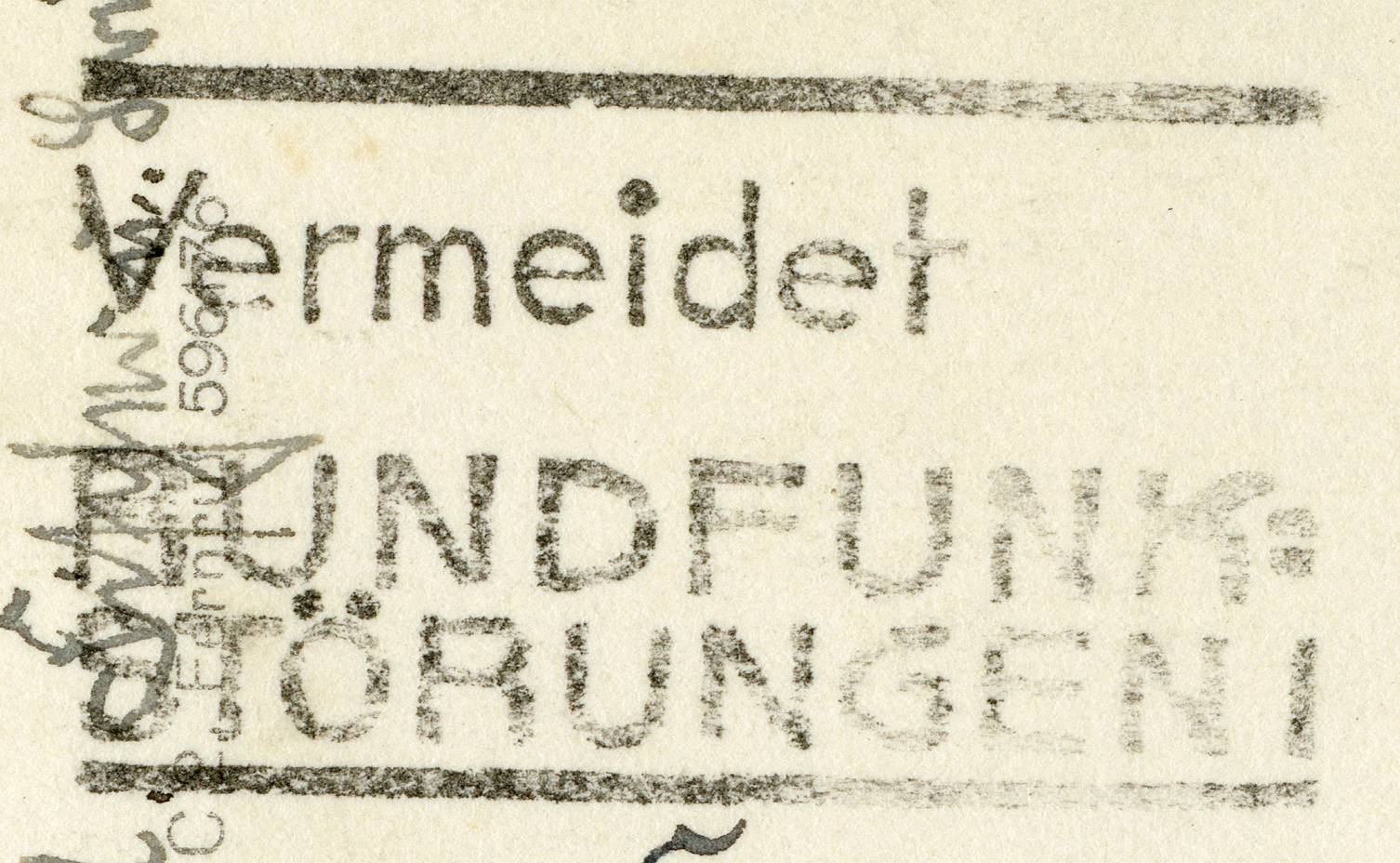
[Below: [Reichsnährstand, This 1931 postcard was a precursor to the Reichsnährstand (their slogan being 'Blood and Soil') organization. The oval cancel shown here signifies that the postcard was carried on a train.]

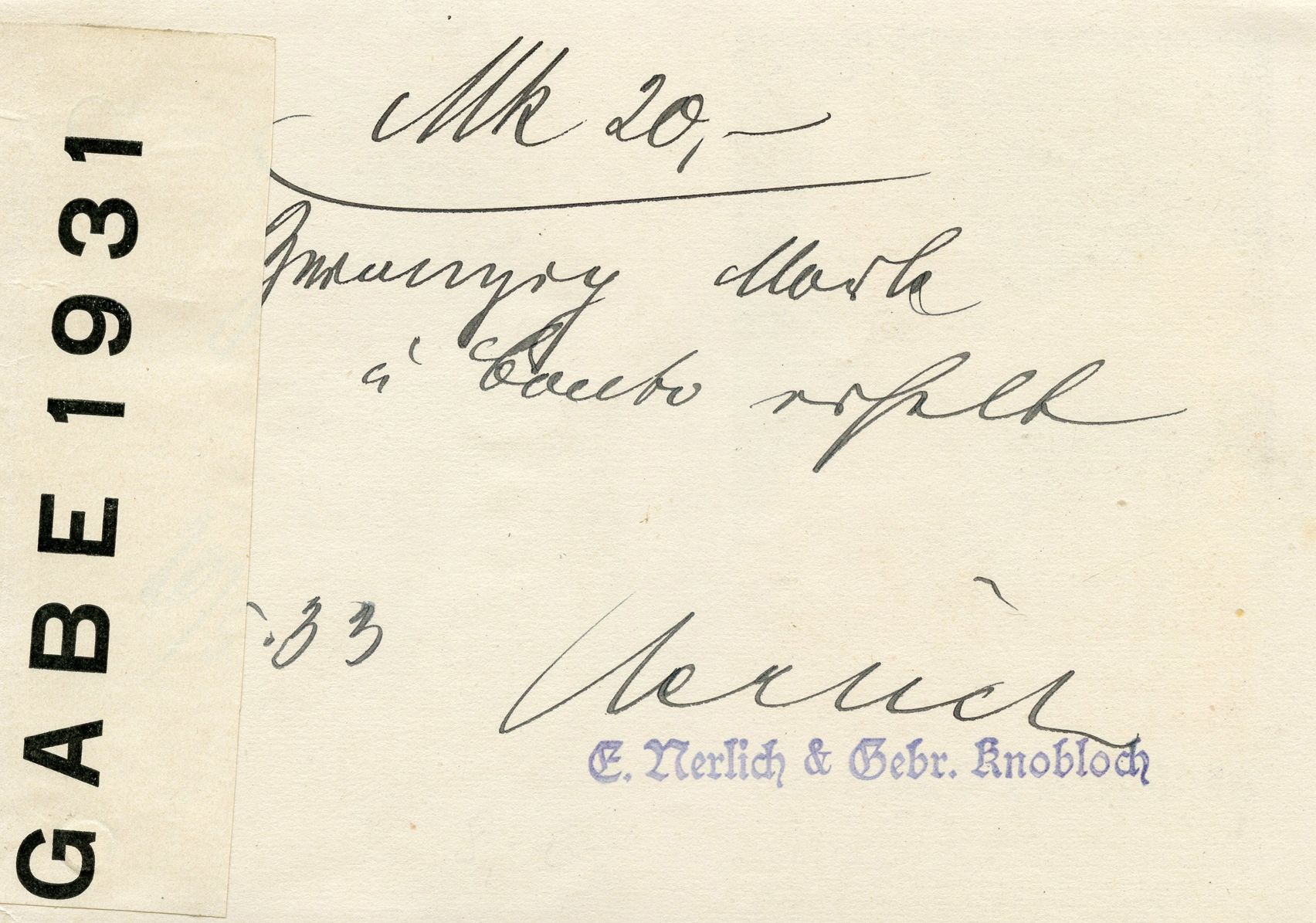
[Above: Reverse. 'GABE' means 'Gift/Contribution' and 20 marks is also written.]
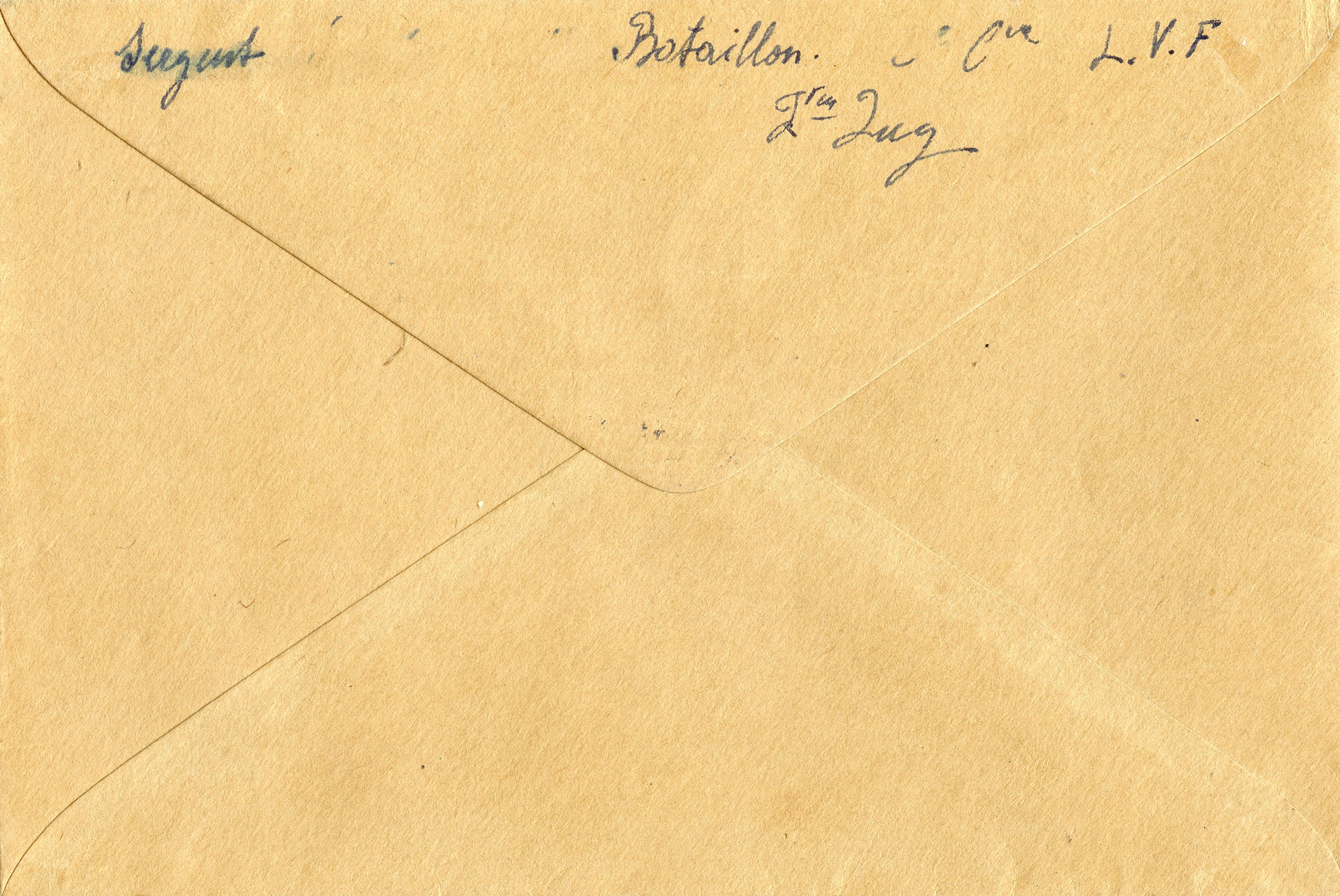
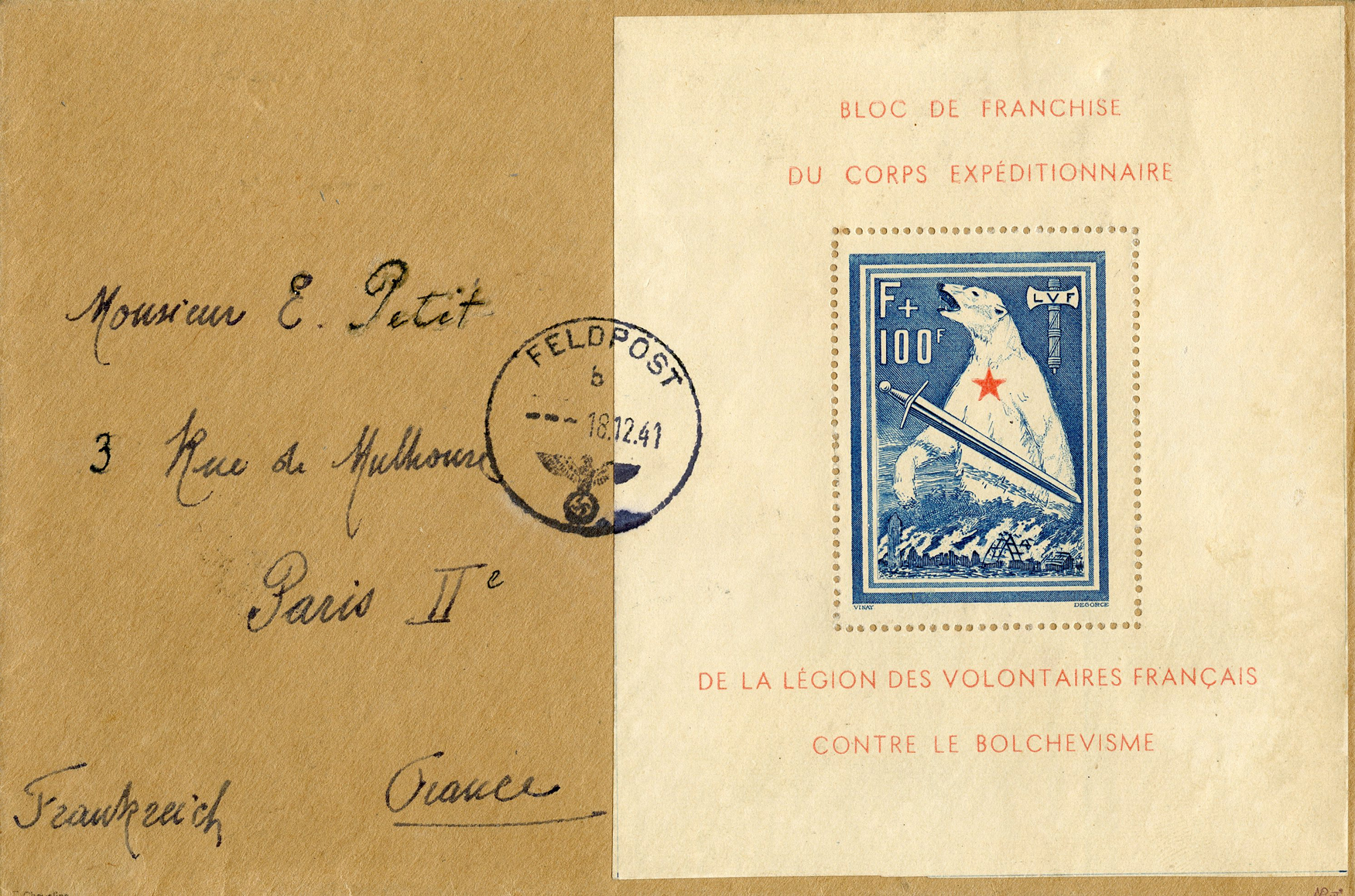
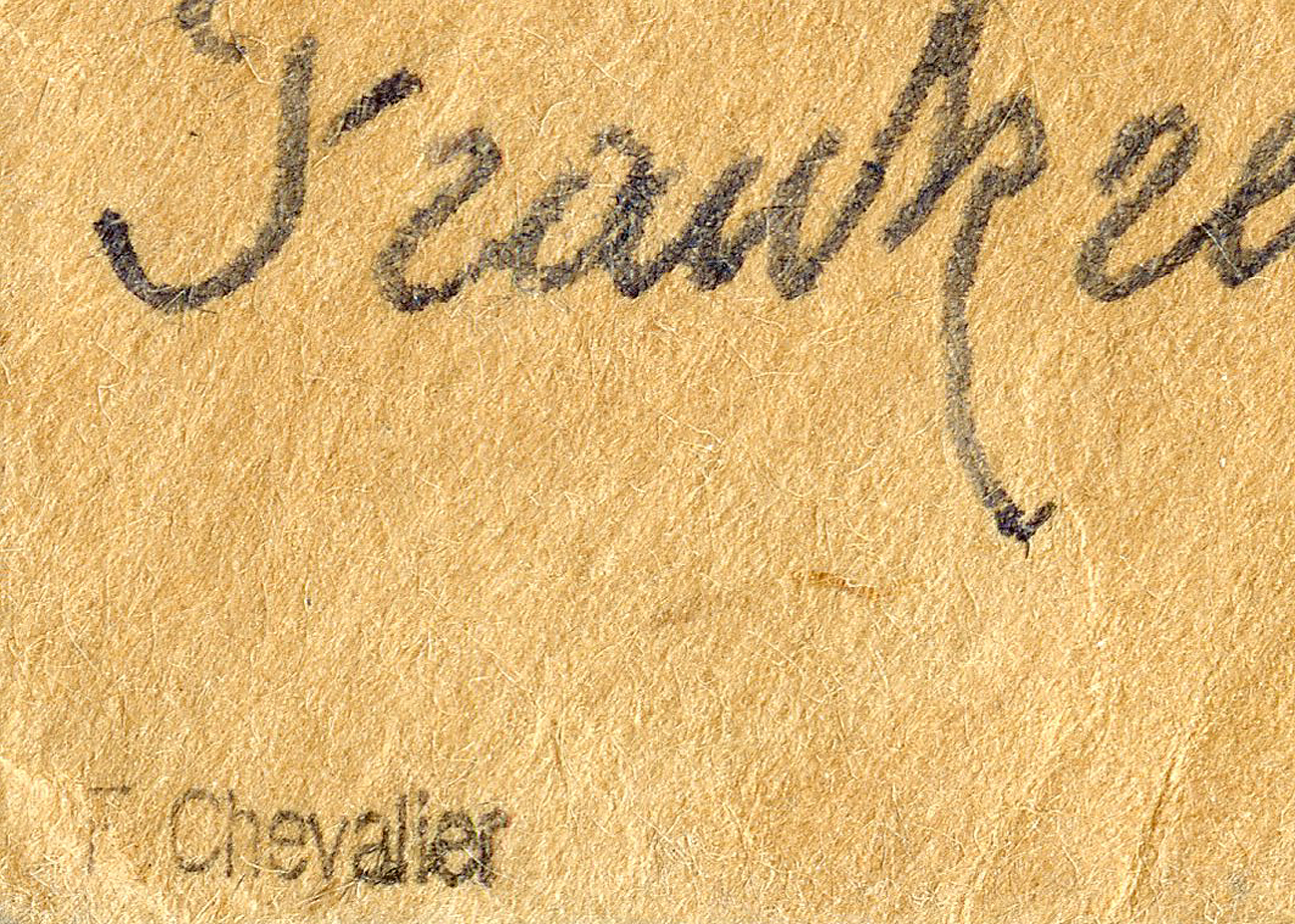
[Below: This is a grail of collecting. A beautiful, rare and pricey piece. It uses the sought after polar bear sheetlet that was to raise money for French volunteers on the eastern front. On the reverse it reveals it was sent from someone in the LVF (Légion des volontaires français contre le bolchévisme, or The Legion of French Volunteers Against Bolshevism). The Feldpost postmark is from December 18, 1941. The sheetlet is widely faked, but this has been expertized, although you can't see the little stamp in this picture, below is a shot of the expertizer's mark, which is found in the lower left hand corner.]
[Below: Close-up of corner of envelope. This is an expertizer's mark, showing that it has been inspected by an expert and found to be legitimate. It says 'J. Chevalier', this stands for Jean Chevalier, a recognized French philatelic expert and author specializing in the study of classic French postal history.]
[Below: Reverse.]