Interview with Ivan Bartolomei, Milice française member and SS officer in Charlemagne Division, Biarritz, France, 1988.
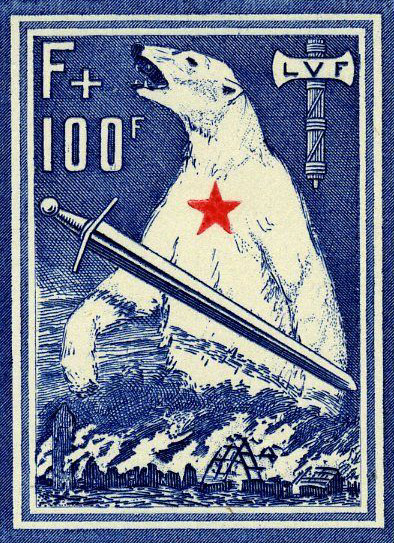
[Above: Graphic of 1941 souvenir sheet sold to benefit the French Waffen-SS.]

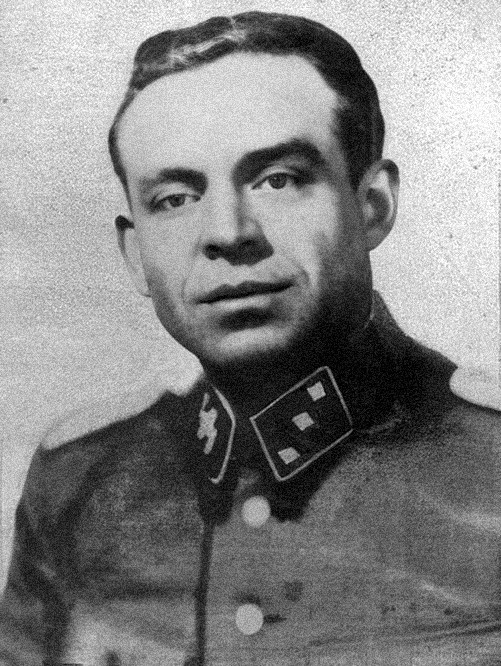
Interview with Ivan Bartolomei, Milice française member and SS officer in Charlemagne Division, Biarritz, France, 1988.
[Above: Graphic of 1941 souvenir sheet sold to benefit the French Waffen-SS.]
Ivan: Yes, you ask a good question and I know who you know so I will indulge you with no concerns. You are most welcomed to ask me what you will; I am an old man and have no tales to hide. You have made good impressions, I have heard, so I am pleased to meet you. It is not easy to talk to people today due to politics. So you asked why I joined the Waffen-SS, I must first tell you my history. I am a soldier of the first war and loved France, yes I fought Germany. I will share that I also never saw the Germans as my natural enemy. When I was called back to arms in 1939, it was with a sense of sadness, as I saw the destruction already.
France was beaten in 1940, and I must tell you I was impressed that Germany did not lay waste to the cities in France and Belgium. Even after we started bombing Germans cities, they did not attack ours. I was made a prisoner and sent to an officer's camp. In this camp the Germans were very kind to us; they allowed many exceptions and visits. They also brought in many books and pamphlets about Germany, Hitler, and National Socialism. They wanted us to understand why they fought us, from their view, of course. I started to read some of the books, and was surprised they believed many of the things I believed, and they had a very healthy view of Europe, for all Europeans. You could say my mind was opened to see other ideas, I had no hate. The Germans worked out a plan with [Philippe] Pétain and his government to release French prisoners, and most of us were released so we could go home to rebuild our country and be with our families. I went to work for the police, and saw a new France.
When war was declared between Germany and Russia, the Germans made it a European war. I always detested the communists and knew they were a danger to Europe's future. In Germany I saw a nation that was willing to put their blood on the line to defend us all. I made up my mind after talking to friends that I had to act and go fight. I was a soldier, and wanted to use my skills.
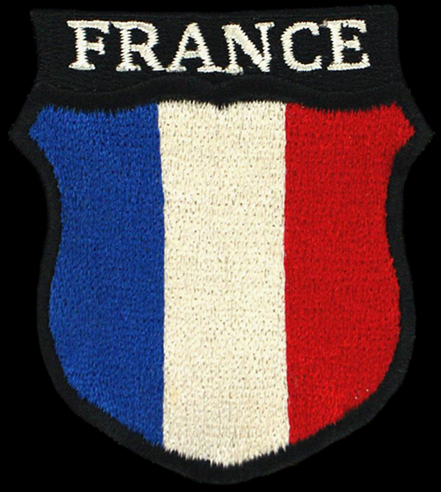
I applied for the legion of France [Legion of French Volunteers Against Bolshevism] and was accepted, so my journey began.
How did the Germans view and treat you?
Ivan: They were perfect, this was in 1943 and I could tell they were worried and tired. They had been fighting since 1939, and the war was now turning against them. They thanked us all the time for coming to help. I still remember getting off the train and the young people sang our anthem and handed us flowers.
We were preparing to go into the great crusade that was under way, all Europeans were anxious to see how this would turn out. For the first time in history a multinational army with all peoples would take on a political ideal, and try to defeat it.
To prepare us, we had to go through hard German training that was not too different from any other, except in the Waffen-SS the officers were treated like the men, and not above them. We were all equal in our abilities to serve and fight. SS officers always led men from the front, never from the safety of a bunker or trench, when we went into action, we all went as one.
I remember rationing was tough at this time, but the people still had enough to share with us, we tried good German dishes, and our cooks made French dishes as well to compare. I found some dishes were good together, like sausage and good cream gravy with biscuits. I was surprised to see some of our old captured weapons being used to train; they had everything from our tanks to cannons.
Some of my men had time to meet German girls who were very flirty and fun-loving. We would ask them out to movies even though many of us could not understand German well. Many Germans knew French which surprised me; they were very kind to us and did their best to make us feel welcome.
For me I was a former officer of the line in the French army, so I was sent to Bad Tolz, where it was like being in a college setting. We had to spend our time studying and listening to lectures. Contrary to popular belief they did not indoctrinate us, by now it was only warfare training to lead and survive.
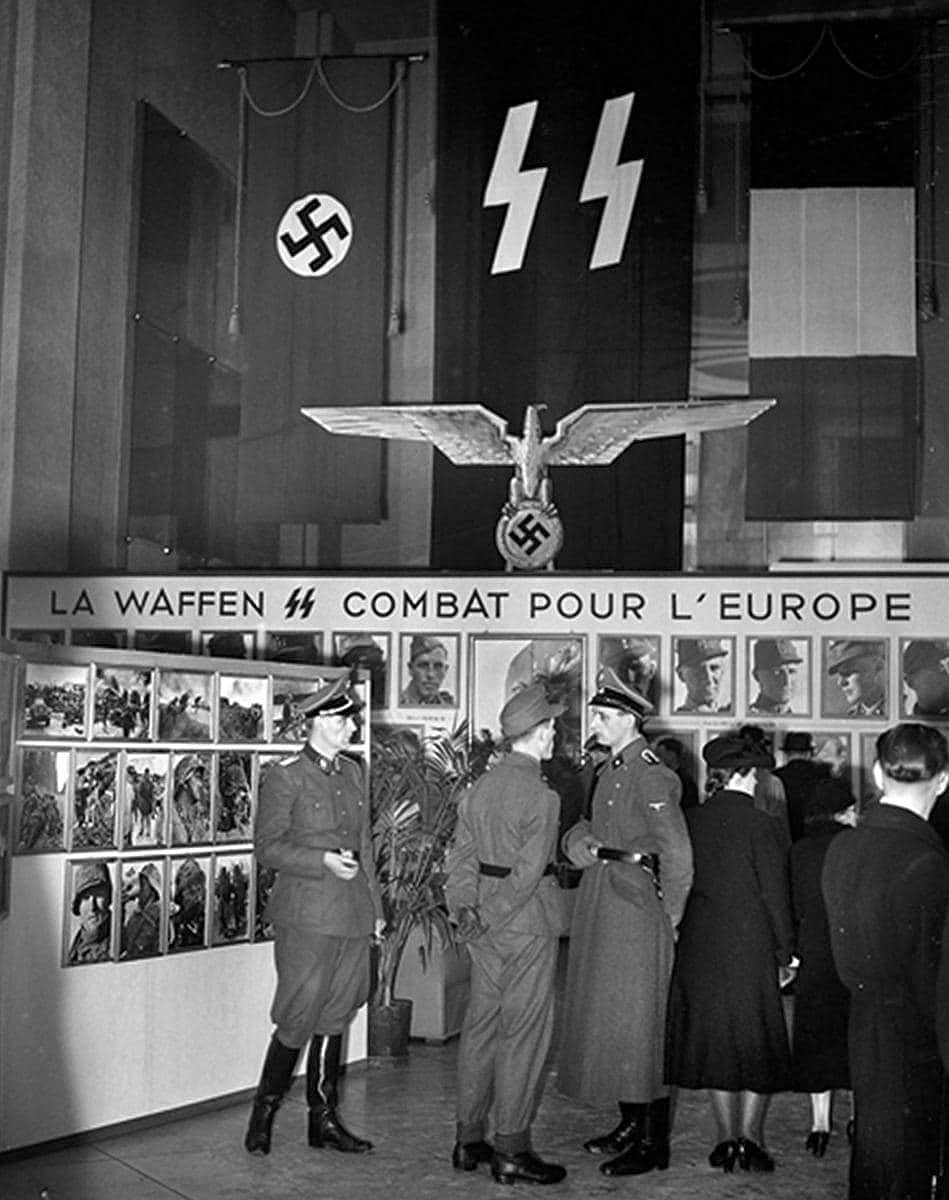
[Above: Photo exhibition showcasing combat photos of the Waffen-SS soldiers on the Eastern Front. Paris, France, January 1944. It says: 'La Waffen SS Combat Pour L'Europe' (The Waffen- SS Fights For Europe).]
Ivan: It was a rude awakening for many of my men. For many this was their taste of combat for the first time. I had spoken to German veterans during training and they warned us the Russians were getting bigger and better. The hope was the new weapons would turn the tide again, but they were too few. We came in 1944 to the front, after months of training. We faced a foe that was limitless in supplies and manpower. They launched massive attacks on thinly held lines, using planes, rockets, artillery, mortars, and tanks. That was our greeting from the enemy to welcome us to the front. We were in the south by this time, and they attacked when the Allies landed in Normandy, to help break our strength. They pushed us all the way back to Poland. I remember I was impressed that Poland was untouched by the war; they lived as like nothing was happening. I did see in Warsaw some damage but it was being repaired.
I could see the Poles in the east were terrified of the Russians, when these attacks rolled back the front; they clogged the roads by the thousands. It made it hard for us to move up supplies and reinforcements. We could not speak the language, but I know the people were begging us to stop the Russians.
My times at the front were mostly spent retreating, and save for time away for being wounded, that's all we did. The enemy gave us little time for lulls, but when they did we took advantage of it.
How did you view the Polish people and how did they react to you?
Ivan: I had no problems with the Poles; they knew there was a war going on so they were reserved and fearful. The farmers would offer us milk, cheese and eggs, and many times would take no money. There was a farmer who had a son fighting in the army, and he asked if we knew anything about his regiment, our interpreter told him he would ask around and the farmer was quite happy.
In one town we went through the church was being packed up to save the treasures from the Russians, this was common. I saw this a lot as the Russians were known to destroy churches and loot them. I saw this with my own eyes in a town we recaptured, a nun killed and the church looted.
They say today we were the destroyers of the churches, but this is not so. Most every man under my command was a man of faith and fought to protect the churches and our shared culture. The Russians said we stole art treasures from them, but this is a lie. If anything was taken, it was only to keep it away from their hands, to save it.
I know the Germans did this all over Europe, removed items to be safeguarded, to be returned after the fighting. I saw no looting by our men, but I did see the results of Russian looting. They went into every town and city and stole all they could carry. I remember on my way to a [P.O.W.] camp in Russia seeing a soldier carrying an ornate painting and his comrade a fancy record player. They were allowed to do this, to rape Europe.
We tried to protect the Poles, but when we heard they had risen up in Warsaw, we viewed them with distrust. There were some partisan attacks behind the lines that had to be dealt with, which I hear was brutal.
How did the Russians treat you as a prisoner? Do you feel like you served in a criminal organization?
Ivan: They were hard and ruthless as expected, they did not treat volunteers very well, especially SS men. I was in some ways fortunate as the French government asked for all French to be returned to be tried as traitors. The Russians told me I was going back to be executed by my own people. They said it would save them the bullet.
We received little in the way of care, and had to endure the harsh treatment and useless drills. At least back in France I was just put in a cell, but fed and looked after too. The Russians I have no love for, they can all rot behind their curtain for all I care. We failed and now they make the world fear a war we do not want.
You know it is a bad regime when the people can not travel and have little freedom like we do today.
As far as the SS being criminal, I do not believe so. We are not perfect people but we wanted to fight to create a world that at least gave us freedom from the threat of communism. The SS also had a racial tone as I think you know. Europe's blood is holy and Himmler understood this and wanted to promote the best within us.
There are many who are tainted by foreign blood today, but that could be fixed by preventing more immigrants and encouraging the pure to be parents and have many children. That was the vision, to have a Europe only for Europeans and to kick out those who were trying to hinder this. You know who I am speaking of.
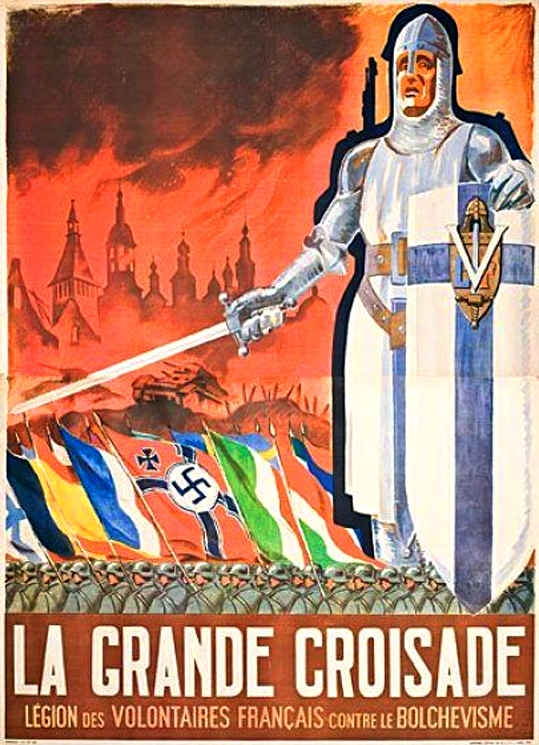
[Above: French Waffen-SS recruiting poster. It says: 'La Grande Croisade Legion des Volontaires Francais Contre le Bolchevisme' (The Great Crusade: Legion of French Volunteers Against Bolshevism).]